Things to do on the South Coast
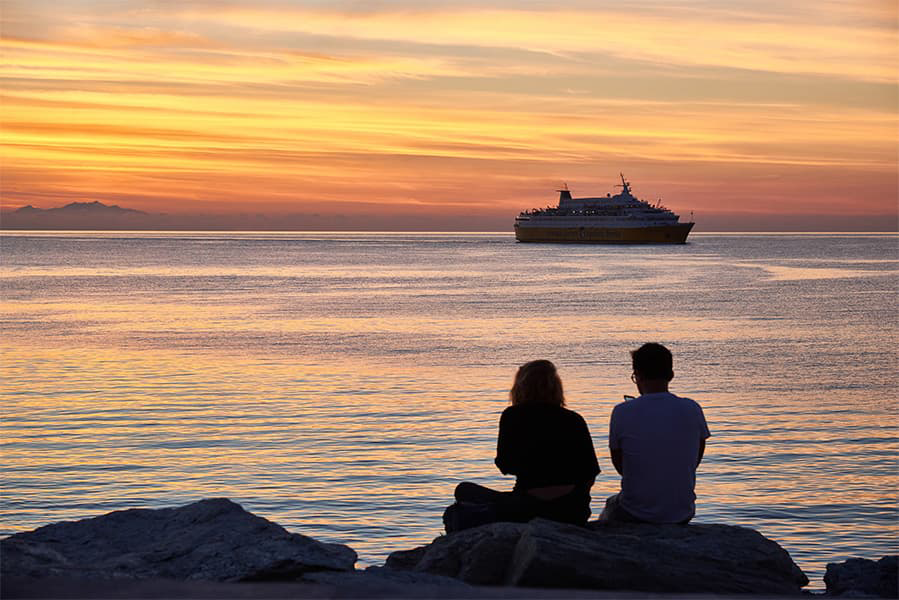
Things to do on the South Coast
England’s south coast blends natural beauty with rich maritime history and a vibrant culture. From calm secluded coves to dramatic cliffs and surf-friendly stretches, the stunning coastline is a dream for outdoor adventurers. But that’s not all the region has to offer - picture-perfect villages, buzzing cities and charming seaside towns ensure there’s something for every kind of traveller.
Ready to discover the region? Read on to find out the best things to do on the south coast of England.
Ferry tip: With many of England’s ferry ports located along the south coast, you can easily take a trip by ferry to make your experience even more exciting.
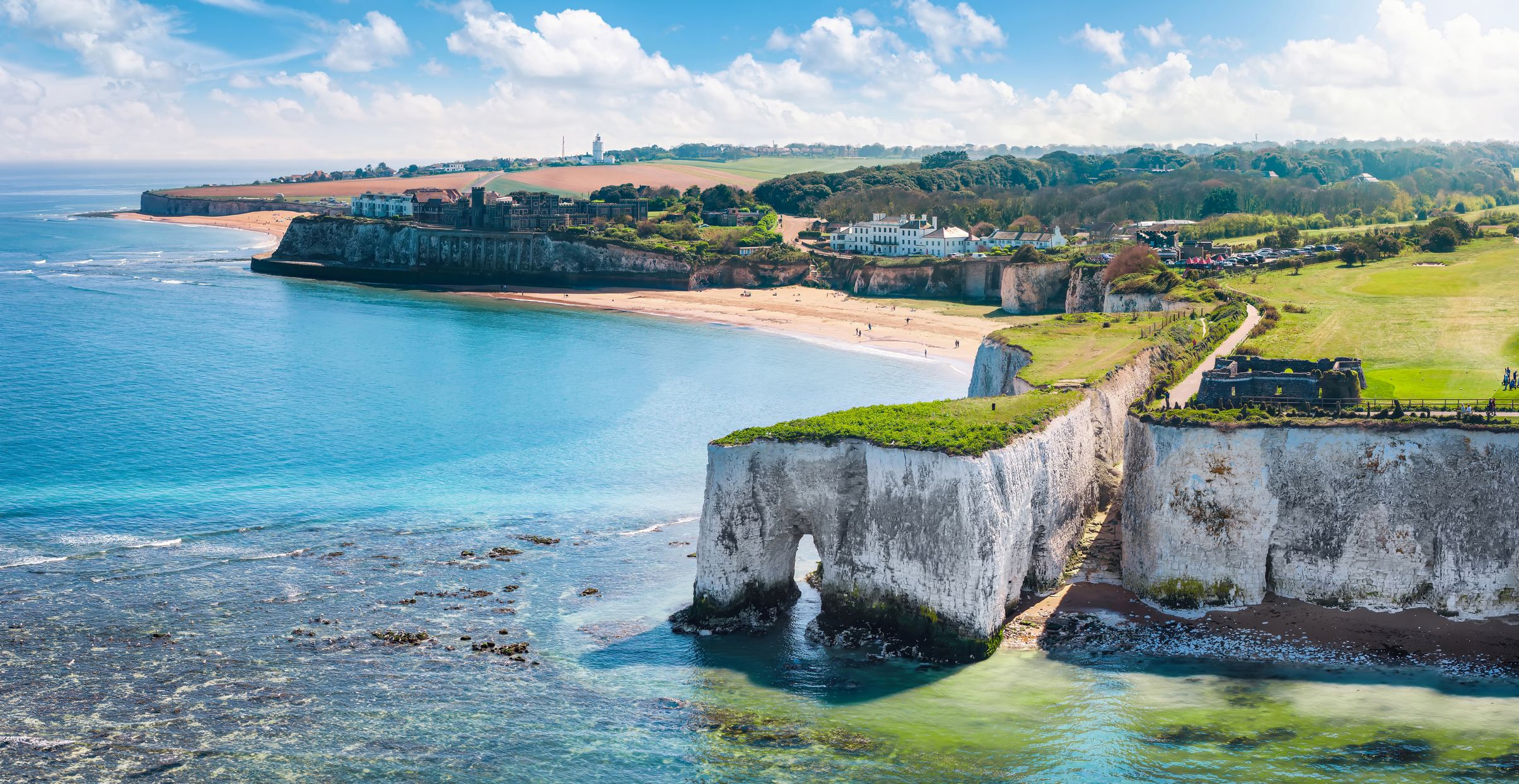
The south coast of England is a great destination to visit all year round. However, each season brings something different. When you choose to visit all depends on what you want from your trip, whether that’s sun-soaked beach days or crisp autumnal walks.
As landscapes start to bloom, temperatures rise to a pleasant 10-17°C, and daylight hours get longer, spring is a lovely time to visit the south coast of England. The atmosphere feels lively yet relaxed before the peak summer crowds arrive, making it ideal for exploring places like St Ives, Brighton, or Portsmouth before they get very busy. Accommodation prices are often lower too, making spring a great option for a more budget-friendly getaway.
Weather conditions vary slightly along the coastline. The eastern regions tend to be drier and sunnier, though a little cooler due to coastal breezes, whilst the west is typically warmer but wetter, resulting in lush, green landscapes. The central stretch offers more sheltered conditions, with mild temperatures.
The mild weather, blooming flowers and greener landscapes make spring the perfect time for outdoor adventures such as hiking along the South West Coast Path or fossil hunting around Lyme Regis on the Jurassic Coast.
Top tip: Visit the Lost Gardens of Heligan in spring, when the grounds come alive with vibrant rhododendrons and camellias. It’s perfect for a peaceful and colourful stroll.
Long, sunny days, warm temperatures between 18-25°C, and a lively atmosphere make summer the most popular time to visit the south coast of England. The weather is generally warm across the region, with the east experiencing the driest and sunniest conditions, whilst the west is slightly cooler and breezier - ideal for surfing in places like Cornwall.
The central stretch of the coast is usually warm and settled with light coastal breezes keeping temperatures comfortable. Showers can occur but are usually brief. With better weather and long daylight hours, summer is the best season for beach days.
Take a refreshing dip at Sandbanks Beach in Dorset, relax by the colourful beach huts of Whitstable in Kent, or ride the waves at Fistral Beach in Cornwall. From wide sandy stretches to hidden coves, the south coast is lined with beautiful beaches. Summer is also when the south coast is at its most vibrant, with a packed calendar of events. Highlights include Pride in Brighton and Victorious Festival in Portsmouth, along with outdoor markets and food festivals.
Top tip: Take a ferry to the Isle of Wight to explore its stunning coastline. You could also time your visit with Cowes Week in August, one of the world’s largest sailing regattas, or the Isle of Wight Festival for an unforgettable summer experience.
If you’re looking for a slower pace and a more relaxed atmosphere, autumn is a great time to visit the south coast of England. With the summer crowds gone, there’s a more of a local vibe, allowing you to experience a more authentic side of popular towns like Brighton, St Ives and Portsmouth. Plus, the scenery in autumn is beautiful, as lush green landscapes gradually turn to warm shades of gold and red. Temperatures in autumn do start to drop, ranging from around 12-18°C.
The east is often the driest and sunniest, making places like Whitstable and Brighton still suitable for beach days, especially in September. Further west, Devon and Cornwall tend to be wetter and windier, creating dramatic coastal conditions that, paired with the soft autumn light, are ideal for photography.
The central stretch of the coast stays relatively mild, though rainfall increases later in the season. Comfortable temperatures and the ever-changing landscapes make autumn great for more strenuous outdoor adventures – walk the Seven Sisters cliffs or cycle from Bournemouth to Sandbanks to enjoy beautiful views. With fewer visitors, it’s also a great time to explore popular attractions such as the Royal Pavilion in Brighton or Portsmouth Historic Dockyard without the queues.
Top tip: Head inland to the New Forest National Park to see the stunning autumn countryside and its striking sunsets. Autumn is also Pannage season, where you can see pigs wandering through the woodlands.
With fewer visitors and a slower pace of life, winter is one of the most peaceful times to visit the south coast of England. Popular beauty spots like the White Cliffs of Dover can feel almost empty, whilst attractions such as the Spinnaker Tower in Portsmouth or SEA LIFE in Brighton can be enjoyed without the usual crowds. Prices also tend to be lower at this time of year, making winter a great option for a budget-friendly getaway. Weather varies across the region, with temperatures typically ranging from 5-10°C.
The east is often drier and brighter, making places like Brighton and Dover ideal for crisp coastal walks. Central areas such as Bournemouth and Portsmouth experience more changeable conditions, with a mix of sunshine and showers, whilst the west, especially Devon and Cornwall, is wetter and windier. Here, Atlantic storms create dramatic coastal scenes, perfect for storm watching from the comfort of a cosy seaside pub.
Winter is an excellent time to explore indoor attractions. Discover maritime history at Portsmouth Historic Dockyard, browse independent boutiques in St Ives, or warm up in traditional pubs in Devon with hearty food and sea views. In the lead-up to Christmas, festive markets, twinkling lights, and seasonal events add a charming touch to towns and cities along the coast.
Top tip: Visit Brighton in December to experience its festive markets and beautifully-lit streets – guaranteed to get you into the Christmas spirit!
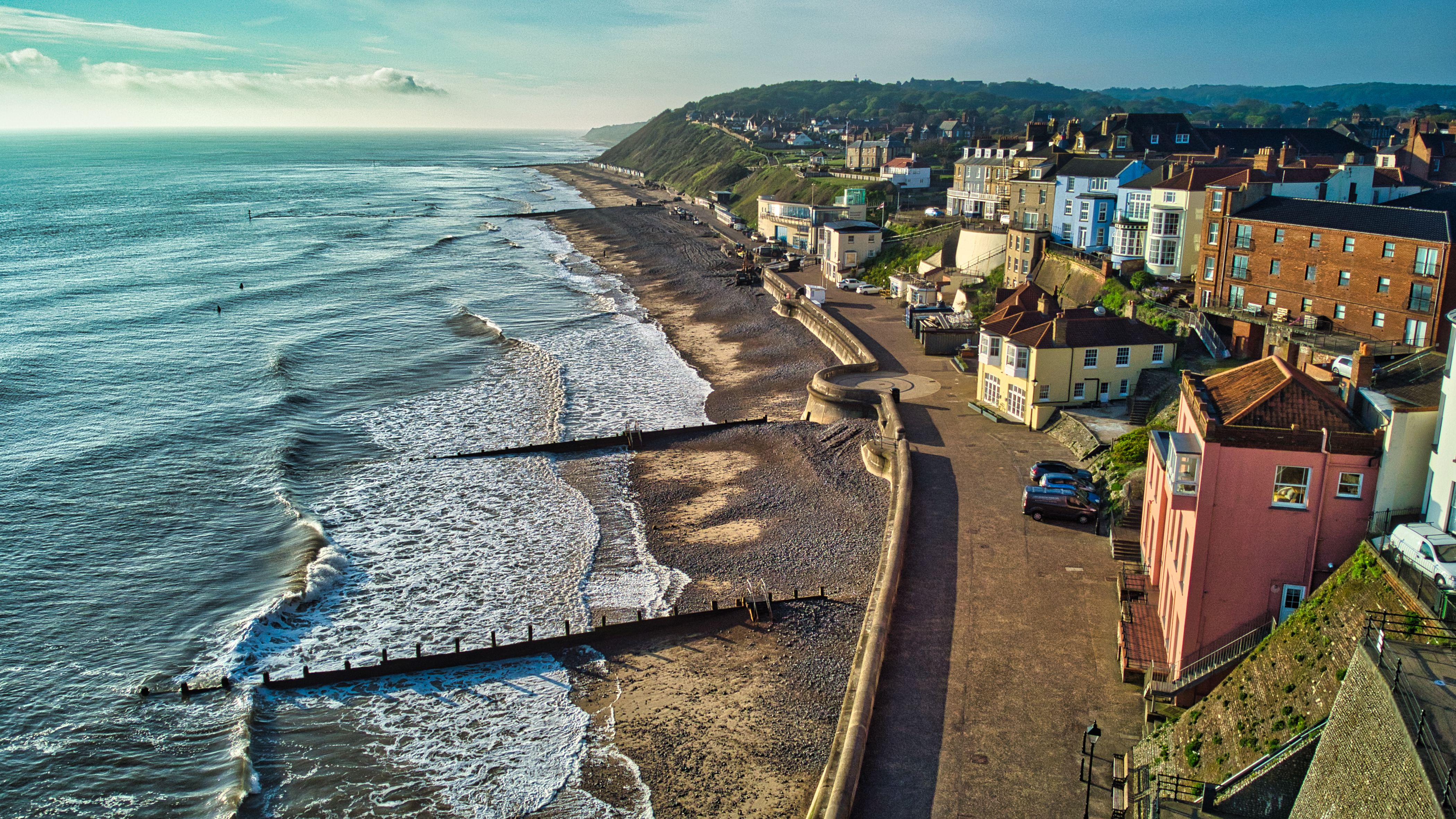
The south coast of England is made up of different regions, with each stretch of the coast offering something different. From Cornwall’s surf beaches to Kent’s classic seaside towns, there’s something for everyone. Whether you’re planning a family holiday or a romantic getaway, keep reading to find out where on the south coast will suit you best.
St Micheal’s Mount is a historic tidal island in Cornwall, famous for its medieval castle and church. You can walk across the causeway at low tide or take a boat at high tide.
Carved into the cliffs overlooking Porthcurno Bay, Minack Theatre is a famous open-air amphitheatre with breathtaking views.
Land’s End is the most south-westerly point of mainland England. With its dramatic cliffs and Atlantic views, it’s a great place for scenic walks.
Cornwall is a fantastic destination for outdoor activities. Fistral Beach is one of the UK’s top surfing spots, whilst those looking for calmer waters can head to Porthcurno or Kynance Cove for swimming and relaxation.
Walkers will love the South West Coast Path – around Land’s End, the scenery is particularly dramatic. The region is also ideal for cycling, with the Camel Trail which runs between Padstow and Bodmin, offering a scenic route.
Cornwall has a rich history which you can explore at some of the region’s historical sights. The tidal island of St Michael’s Mount is a must-visit with its medieval castle. Tintagel Castle, with its links to the legend of King Arthur, and Truro Cathedral, with its Gothic architecture, also give you a glimpse into Cornwall’s past.
Cornwall hosts a range of events throughout the year. Some of the most popular festivals include Boardmasters Festival in Newquay which combines surfing and live music. For foodies, the Padstow Seafood Festival is a must, where you can sample the delicious Cornish cuisine.
Cornwall also boasts hidden treasures like Lizard Point, the most southerly point of mainland Britain. The scenery here is stunning and you can spot wildlife too. Bodmin Moor is also a hidden gem with its rugged landscapes and peaceful hiking routes.
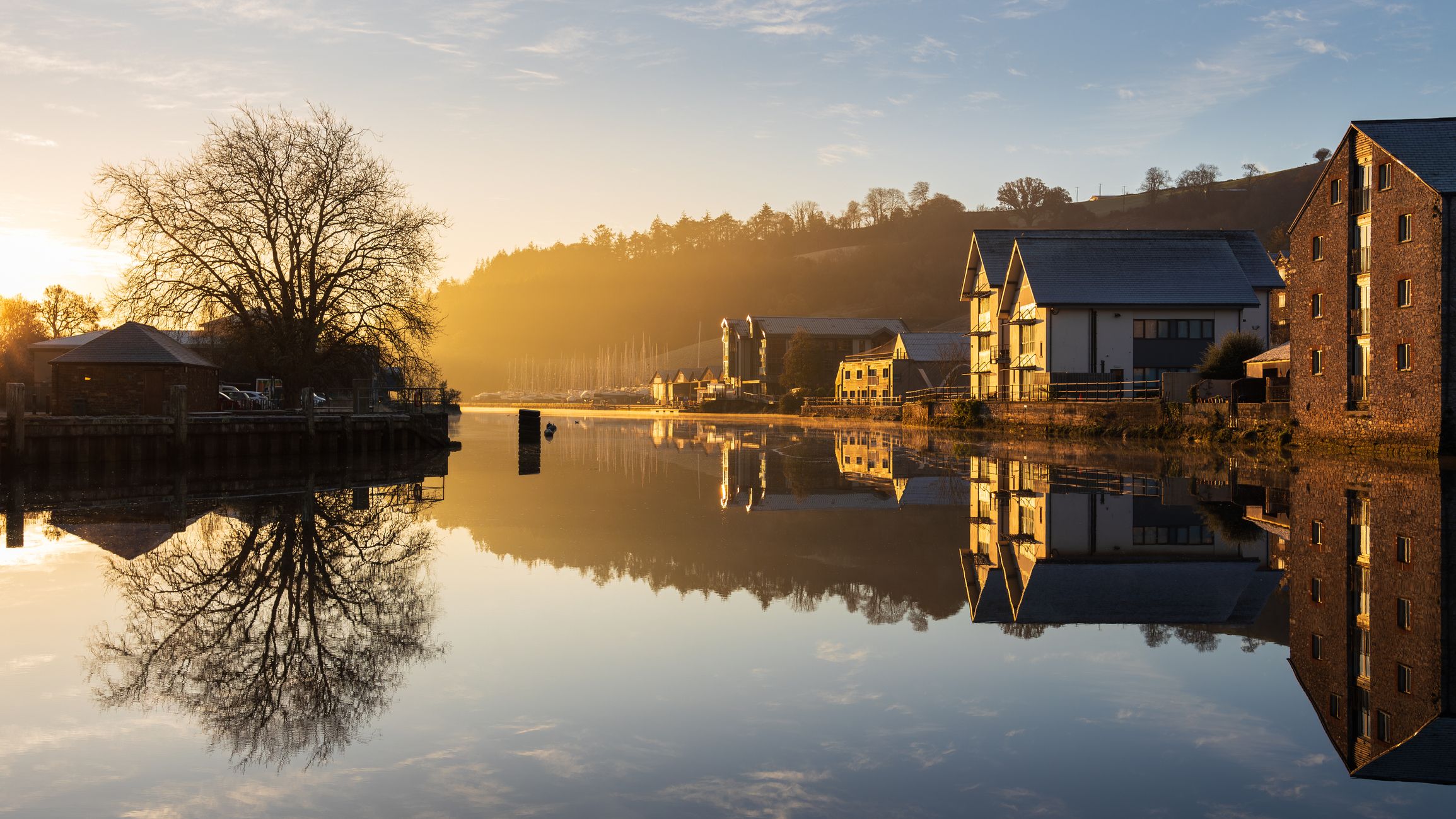
Although it’s not located along the coast, Dartmoor National Park is one of Devon’s top sights and is easily accessible from the Devon coastline. The stunning landscapes make it the ideal spot for a scenic stroll.
Known for being one of the UK’s top beaches, Woolacombe Beach is a must-visit with its endless stretch of golden sand and waves perfect for surfing.
Devon offers a range of outdoor activities. Whether you fancy surfing on Woolacombe or Croyde Bay, hiking parts of the South West Coast Path such as Clovelly to Hartland Quay, cycling the Tarka Trail or paddleboarding along the River Dart, there’s always something to do. Dartmoor National Park is also just a stone’s throw away, with beautiful scenery, hiking routes and wildlife.
There are plenty of historic sights in Devon including Dartmouth Castle, a 14th century fortress on the River Dart, and the Exeter Cathedral with its beautiful Gothic architecture. The Royal Naval Dockyard in Plymouth is also worth a visit for a glimpse into the area’s rich maritime history.
There’s always something going on in Devon. Popular events include the Dartmouth Food Festival and Exeter Festival of South West Food and Drink where you can sample local produce, and the Beautiful Days, an annual family-friendly music festival. The Dartmouth Royal Regatta is also popular with family entertainment and sailing races.
Lesser-known gems in Devon include Lundy Island, with its amazing wildlife, and Lynton and Lynmouth, twin villages known as ‘Little Switzerland’ with a unique setting surrounding by dramatic scenery.
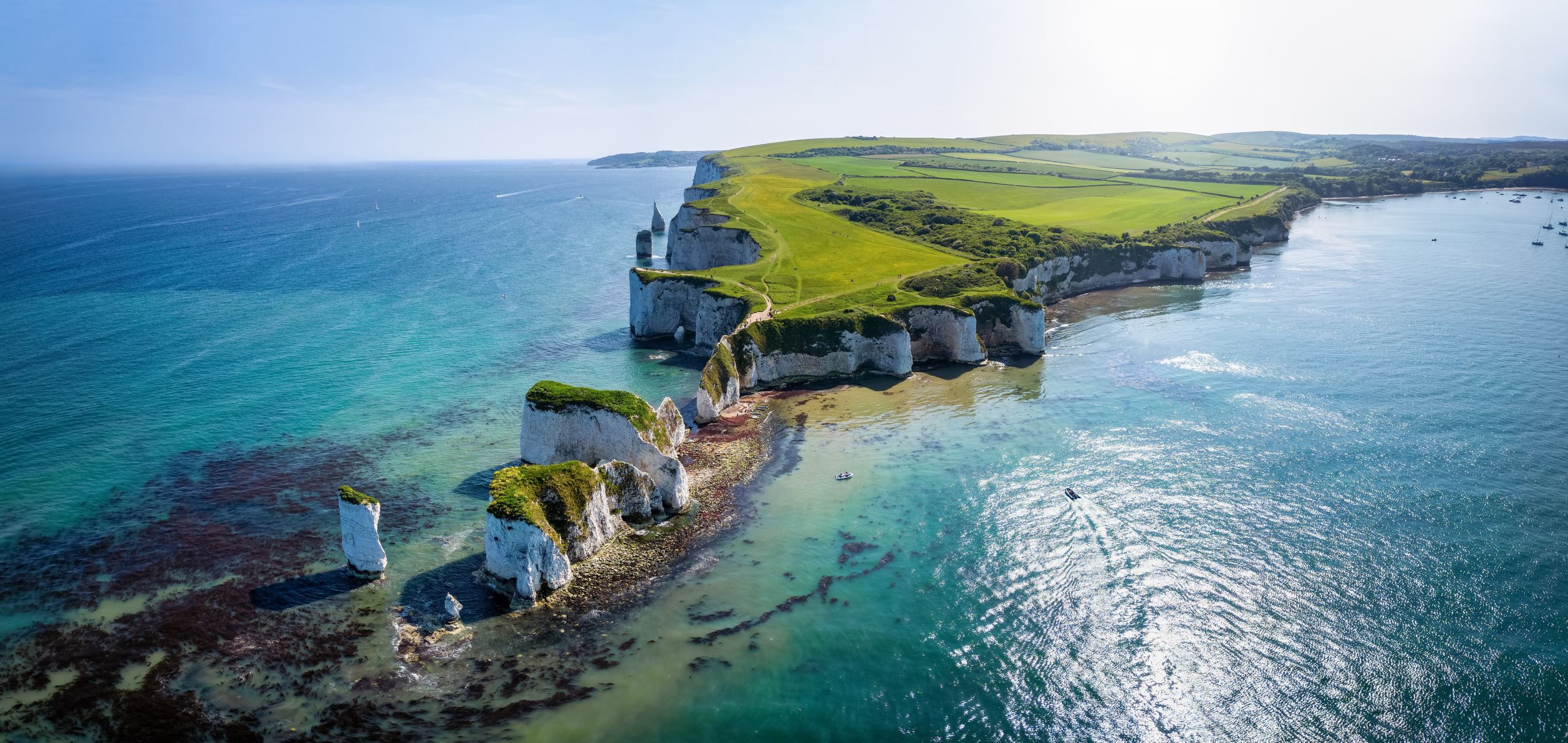
With its dramatic limestone arch, Durdle Door is one of England’s most iconic natural landmarks. Located along the Jurassic Coast, it offers breathtaking views of the turquoise waters and rugged cliffs, making it a must-visit for walkers, photographers, and nature lovers alike.
Located near to Durdle Door, Lulworth Cove is also a stunning spot with a horseshoe-shaped bay and calm, clear waters that are perfect for swimming.
Corfe Castle is a medieval ruin, located on the Purbeck Hills above the village of Corfe. The ruins date back over 1000 years and offer beautiful views across the countryside.
With its stunning coastline and rolling countryside, Dorset is one of the best places on the south coast for outdoor adventures. A highlight is exploring the Jurassic Coast, a UNESCO World Heritage Site known for its dramatic cliffs and unique geology.
Popular walking routes include the trail from Durdle Door to Lulworth Cove and the walk to Old Harry Rocks, both offering breathtaking coastal views. There are also plenty of scenic cycling routes, such as the Castleman Trailway, which winds through the countryside.
If you prefer something more relaxing, Dorset is home to some beautiful beaches, including Studland and Bournemouth Beach, where you can sunbathe or take a refreshing dip on warmer days. Watersports are also popular, particularly around Bournemouth and Poole, where the calm waters of Poole Harbour are ideal for paddleboarding and kayaking.
There are a number of historic sites in Dorset, including Corfe Castle, with its medieval ruins and dramatic hilltop setting, and Portland Castle, one of the finest surviving Tudor forts in England. It’s located on the Isle of Portland and offers lovely coastal views. Other popular historic sites include Maiden Castle, one of the largest Iron Age hill forts in Europe, and Sherborne Abbey with its medieval architecture.
There are a range of events that take place in Dorset throughout the year, including the Dorset Seafood Festival which takes place in Weymouth – you can sample fresh fish and watch live cooking demonstrations. Camp Bestival, a family-friendly music festival, is also popular. It takes place at Lulworth Castle and combines live music and entertainment.
Beyond its famous landmarks, Dorset is also full of hidden treasures such as Chapman’s Pool, a small bay surrounded by dramatic cliffs. It’s less accessible than some of Dorset’s other beaches, making it less crowded, perfect for a peaceful day out.
Another lesser-known treasure is Tyneham Village, an abandoned settlement from World War II. You can explore empty cottages, a school, and church and experience the eerie atmosphere.
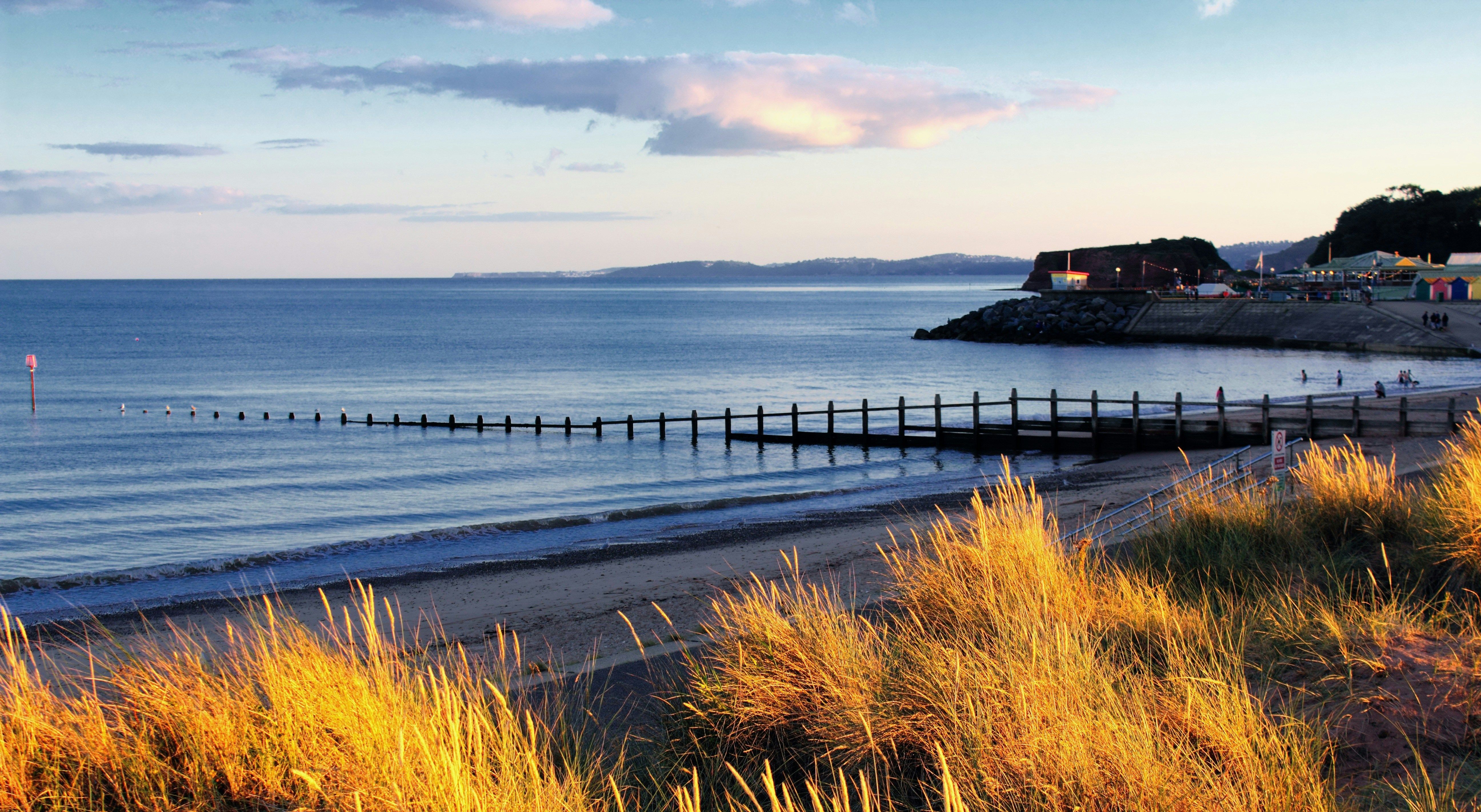
Portsmouth Historic Dockyard is one of the UK’s most important maritime heritage sites. You can see famous ships such as the HMS Victory and Mary Rose and learn about Britain’s naval past. You’ve already visited Top Sight? Here are 2 alternatives for seasoned travellers:
Featuring ancient woodlands, charming villages and amazing wildlife, New Forest National Park is ideal for outdoor enthusiasts. It’s the perfect place for a scenic hike, relaxing picnic, or to just soak up the stunning landscapes.
Dating back 900 years, Winchester Cathedral is a must-visit for history lovers. It boasts stunning Gothic architecture and is famous for having the longest medieval nave in Europe.
With its mix of countryside and coastline, Hampshire is a great destination for outdoor enthusiasts. The New Forest National Park is a highlight, with its ancient woodlands, free-roaming ponies, and extensive walking and cycling trails.
Part of the South Downs National Park also stretches into Hampshire, offering scenic routes and rolling landscapes ideal for cyclists and hikers. Along the coast, the Solent provides perfect conditions for watersports, including sailing, kayaking, and paddleboarding, particularly around Portsmouth and Southampton.
For a more relaxed day, beaches such as Calshot and Southsea offer great spots to unwind, enjoy the freh sea air, and soak up the coastal scenery.
Hampshire is home to a wealth of historic sights, from grand cathedrals to iconic maritime landmarks. Winchester Cathedral is a highlight, known for its impressive architecture and connections to Jane Austen. Whilst you’re there, make sure to explore the city of Winchester itself, with its charming historic streets.
Highclere Castle is another must-visit, particularly for fans of Downton Abbey. Its striking architecture, lavish state rooms, and beautifully landscaped gardens make it a memorable day out.
Along the coast, Portsmouth Historic Dockyard offers a glimpse into Britain’s naval past. Here, you can explore legendary ships such as HMS Victory and HMS Warrior, as well as the Mary Rose Museum.
Hampshire hosts a wide range of events and festivals throughout the year, offering something for all ages. Highlights include Victorious Festival in Portsmouth, a popular family-friendly summer music event set by the seafront, and the New Forest and Hampshire County Show, a traditional agricultural show featuring local produce, entertainment, and activities. Southampton International Boat Show is another major event, showcasing an impressive range of boats along the waterfront.
Lepe Beach offers a quieter alternative to the busier coastal spots, with stunning views across the Solent. Keyhaven Marshes is a peaceful stretch of coastline, perfect for birdwatching and enjoying nature away from the crowds. For something a little different, Beaulieu Village charms visitors with its historic streets, riverside setting, and quaint local shops.
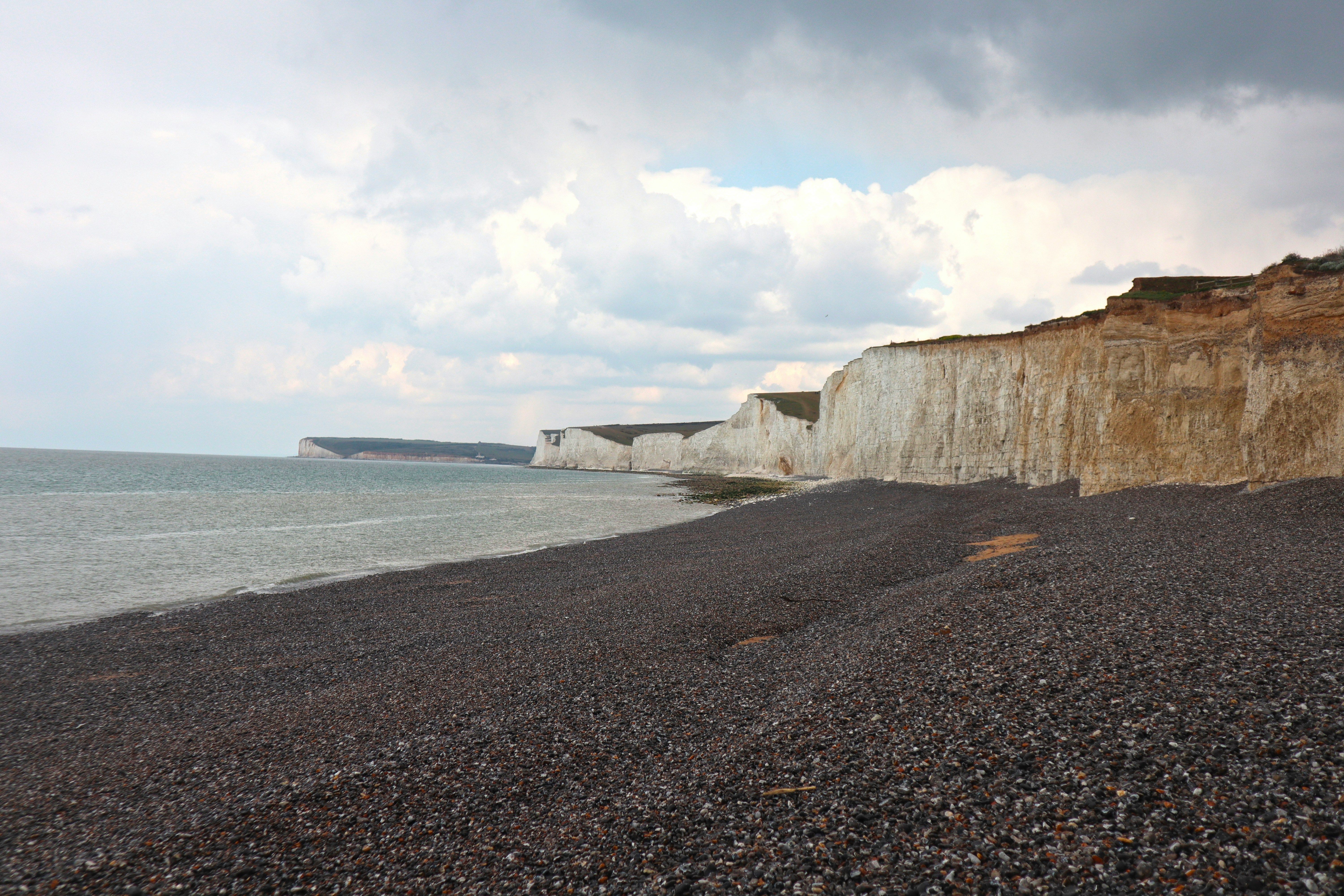
You can’t visit Sussex without seeing the Seven Sisters cliffs. These striking white chalk cliffs are among England’s most iconic natural landmarks. With breathtaking sea views and sweeping landscapes, they are perfect for scenic walks and for soaking up the wild, unspoiled beauty of the south coast. You’ve already visited Top Sight? Here are 2 alternatives for seasoned travellers:
Brighton’s seafront is a must-visit, with its historic pier and lively atmosphere. It’s ideal for a family day out, with amusement arcades, funfair rides and dining options.
Located in the town of Arundel, this medieval castle dates back to the 11th century and is great for history lovers. You can explore the opulent interiors or take a stroll through the landscaped gardens.
Sussex is a great destination for outdoor activities. The Seven Sisters cliffs offer dramatic coastal scenery and are perfect for hiking along the cliff tops.
For a countryside experience, the South Downs Way winds through rolling hills and charming villages, ideal for walking or cycling, with plenty of spots for coffee breaks along the way.
Along the coast, towns like Brighton provide opportunities for relaxing beach days. You can paddleboard in the calm waters, take a refreshing dip, or soak up the sun on the sandy beaches.
Sussex isn’t short of historic sights. Arundel Castle, a medieval fortress which overlooks the River Arun, is a must-visit, as is the historic town of Lewes. Here, you can visit Lewes Castle and the ruins of Lewes Priory. Rye is also a top spot for history lovers, with its cobblestone streets and timber-framed houses that take you back in time.
Sussex hosts a variety of events, including Brighton Pride which is held every summer with vibrant parades, live music and an electric atmosphere. Brighton Festival & Fringe is also popular. The major arts festival is held each May and is a celebration of theatre, music, comedy and visual arts. Lewes is also home to one of the most famous bonfire night celebrations in the country with its torchlit parades and amazing fireworks.
Once you’ve explored Sussex’s main sights, there are plenty of hidden treasures to discover. Cuckmere Haven, nestled between the Seven Sisters cliffs, offers a peaceful escape with stunning natural scenery. Alfriston, a charming village in the South Downs, is perfect for a day trip, providing a quintessentially English experience with historic buildings, cosy tea rooms, and picturesque streets to wander.
Sat on top of the White Cliffs of Dover, this medieval fortress is one of the UK’s most significant historic sites, originally built to defend against invasions from Europe. You can explore a 2nd-century Roman lighthouse, the imposing Great Tower of Henry II, and the fascinating underground tunnels that were used during World War I. You’ve already visited Top Sight? Here are 2 alternatives for seasoned travellers:
The White Cliffs of Dover are one of Kent’s most iconic natural landmarks. These dramatic white chalk cliffs offer breathtaking scenery, with walking routes that allow you to take in the spectacular views across the English Channel.
With its stunning Gothic architecture and history spanning over 1,400 years, Canterbury Cathedral is a must-visit. Famous for its historic pilgrimages, the cathedral provides a fascinating insight into England’s religious heritage.
Just like the rest of the south coast, Kent offers ample opportunities for adventure. There are countless walking routes in the region, from the cliff-top paths of the White Cliffs of Dover to the Viking Coastal Trail that passes through Margate, Broadstairs, and Ramsgate.
The North Downs Way is also a popular hiking and cycling route, offering stunning views along the way. Meanwhile beaches like Camber Sands and Botany Bay are great for fun-filled family days by the sea – swim or kayak in the waters, enjoy fish and chips on the beach or sunbathe on the sands.
Kent is packed with historical sights, such as Dover Castle, a medieval fortress with secret tunnels and a Roman lighthouse, and Canterbury Cathedral, known for its beautiful architecture and historical pilgrimages. Leeds Castle, a stunning fortress with a picturesque setting upon two islands in a lake, is also a must-visit. The former royal residence dates back over 900 years and features landscaped gardens and a maze.
There are a variety of festivals that take place across Kent including the Whitstable Oyster Festival, where you can sample fresh seafood and local produce, and the Canterbury Festival, a big cultural festival with music, theatre and arts events held across the city. The Kent County Show, a large agricultural show with food stalls, family entertainment and livestock competitions, is also a popular event.
If you’re looking to escape the crowds, Kent is also home to a number of lesser-known gems. The Shell Grotto in Margate is a fascinating underground network of passageways decorated with shells. For a more traditional countryside experience, Smarden is a charming village with medieval houses that makes for a great day out.
Another hidden treasure is Samphire Hoe, a unique nature reserve created from the construction of the Channel Tunnel. With its rich wildlife and scenic coastal views, it’s a peaceful spot that feels a world away from the busier seaside towns.
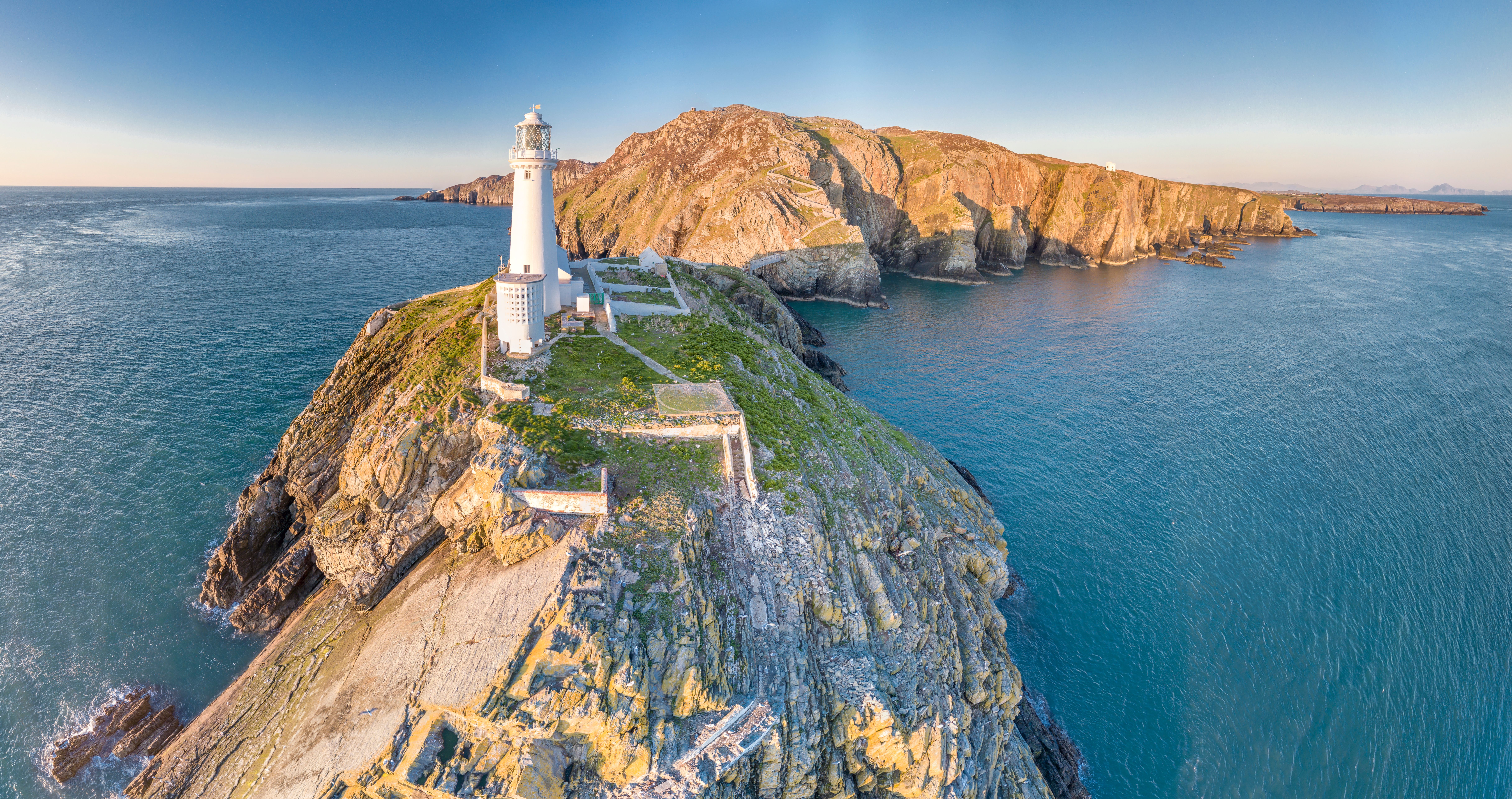
Along with beautiful landscapes and historical sites, the south coast is also a great spot for foodies, with each region offering something slightly different.
Cornwall is famous for its Cornish pasties, a traditional pastry filled with meat and vegetables, which you can buy from bakeries in every town. Cornish cream tea, featuring scones, clotted cream and jam, is also served in many of the cafes across Cornwall. The coastal location also means seafood is popular here such as crab, lobster and mussels.
Devon is famous for its cream teas. The difference between Cornish and Devon cream teas is said to be that in Devon they traditionally spread cream first, then jam, whilst in Cornwall they put jam first, followed by the cream. Coastal towns like Salcombe and Exmouth are known for their delicious seafood including fresh oysters, whilst farmers’ markets across the county offer delicious local produce such as artisanal cheeses, Devon fudge and local apple cider.
In Dorset, traditional savoury treats like Dorset Knobs, crunchy, dry biscuits, and Blue Vinny cheese, a crumbly local blue, are popular and often enjoyed together. For dessert, don’t miss Dorset apple cake, a moist, cinnamon-spiced classic. In local pubs, the focus is on fresh, regional produce, with high-quality meats such as Portland lamb often featuring in hearty dishes.
Some of the region’s most famous specialities include watercress, particularly in Alresford, fresh strawberries from the Hamble Valley and pork from the New Forest. For drinks, Hampshire is also known for its English sparkling wines which are produced in local vineyards.
Sussex is famous for its suet-based puddings such as the Sussex Pond Pudding, made using suet pastry, butter, sugar and lemon. Seafood is also popular here, including Selsey cockles and Chichester lobster, as are local cheeses such as the Sussex Charmer, which combines mature cheddar and an Italian-style hard cheese.
Kent is renowned for its seafood, particularly Whitstable oysters and Dover sole. The county is also known as the “Garden of England,” thanks to its abundance of fresh fruit, including apples, pears, and cherries. Local breweries produce traditional ales, whilst vineyards across the region produce award-winning English sparkling wines.
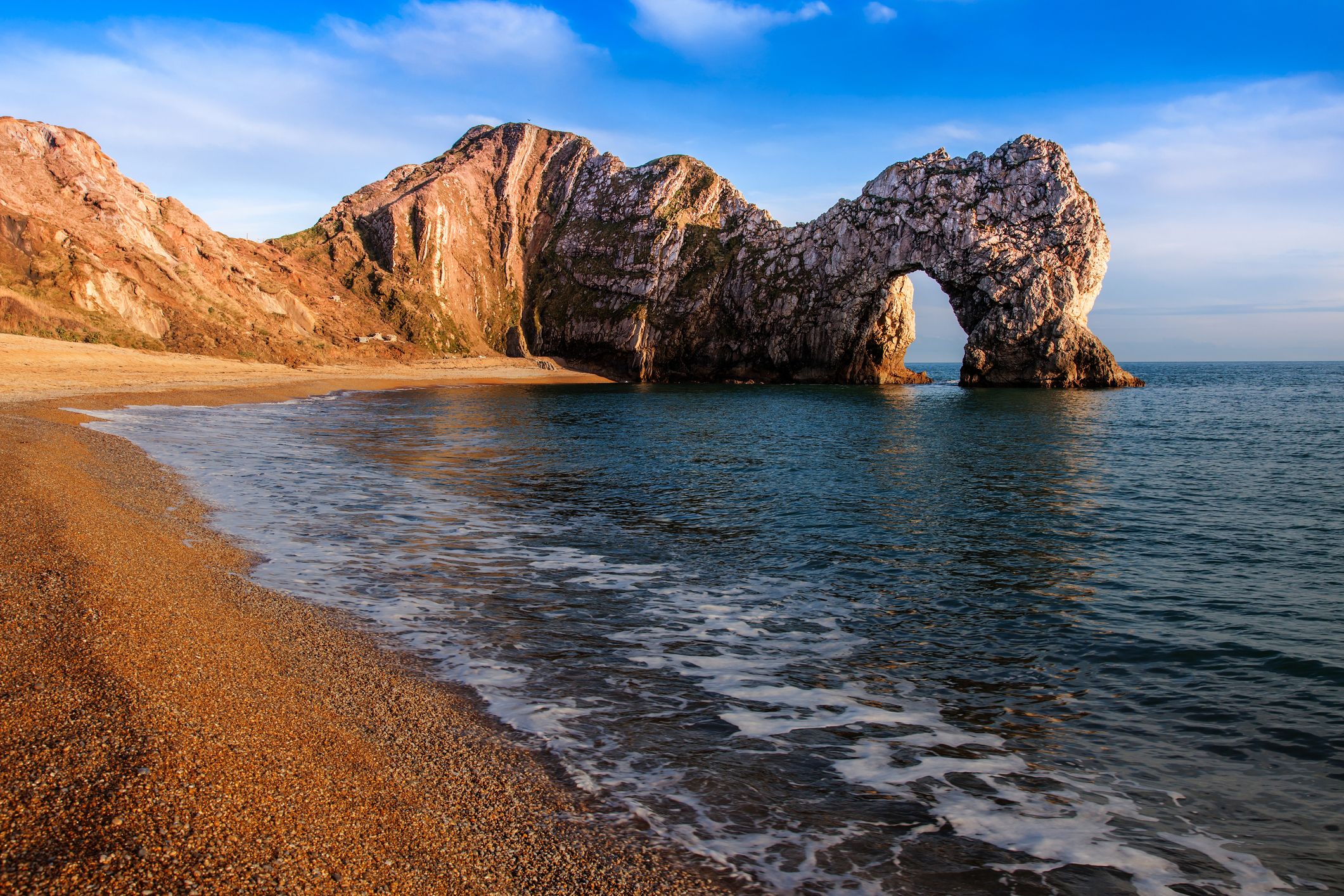
The south coast of England is easy to explore on foot, car or public transport. Ferries can also be incorporated into your itinerary for an extra exciting adventure.
Trains are often the fastest way to explore the south coast. The south coast is mainly served by South Western Railway and Southern, with direct routes connecting major towns and cities such as Brighton, Portsmouth, Bournemouth, Southampton and Weymouth. Journey times are usually fairly quick, such as the Brighton to Portsmouth train which takes just over 1 hour.
Buses are also a convenient way to travel, especially for reaching places that trains don’t go to such as Durdle Door and Lulworth Cove, along with smaller towns and villages. Buses are always one of the cheapest ways to travel, great if you’re on a budget.
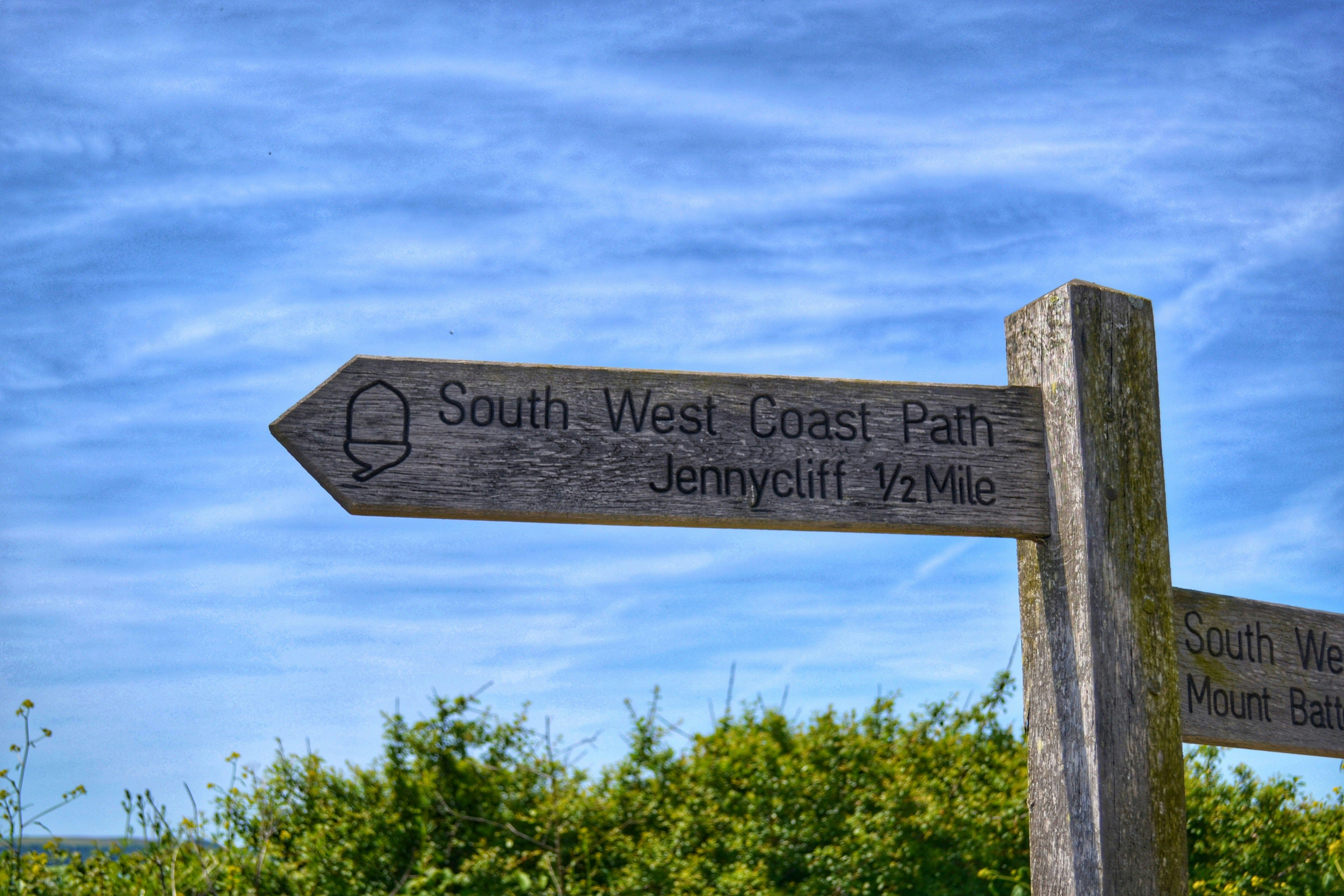
Walking is one of the best ways to explore the south coast’s stunning scenery and is convenient if you’re only visiting one area of the coast. You’ll find countless walking routes on the south coast, including the South West Coast Path and the White Cliffs of Dover. Many towns, such as St Ives and Brighton, are also compact making them easy to explore on foot.
With a variety of ports along the south coast of England, travelling by ferry is a great way to enhance your journey. As well as being a practical way to get around, ferries offer a scenic and relaxing way to experience the coastline.
Why not include an island adventure in your trip? You can take a ferry from Penzance to the Isles of Scilly, or from Portsmouth and Southampton to the Isle of Wight. There are also shorter crossings to enjoy, such as the Sandbanks Ferry, which connects Poole (Sandbanks) to Studland (Shell Bay) in Dorset, providing a quick and picturesque route across the water.
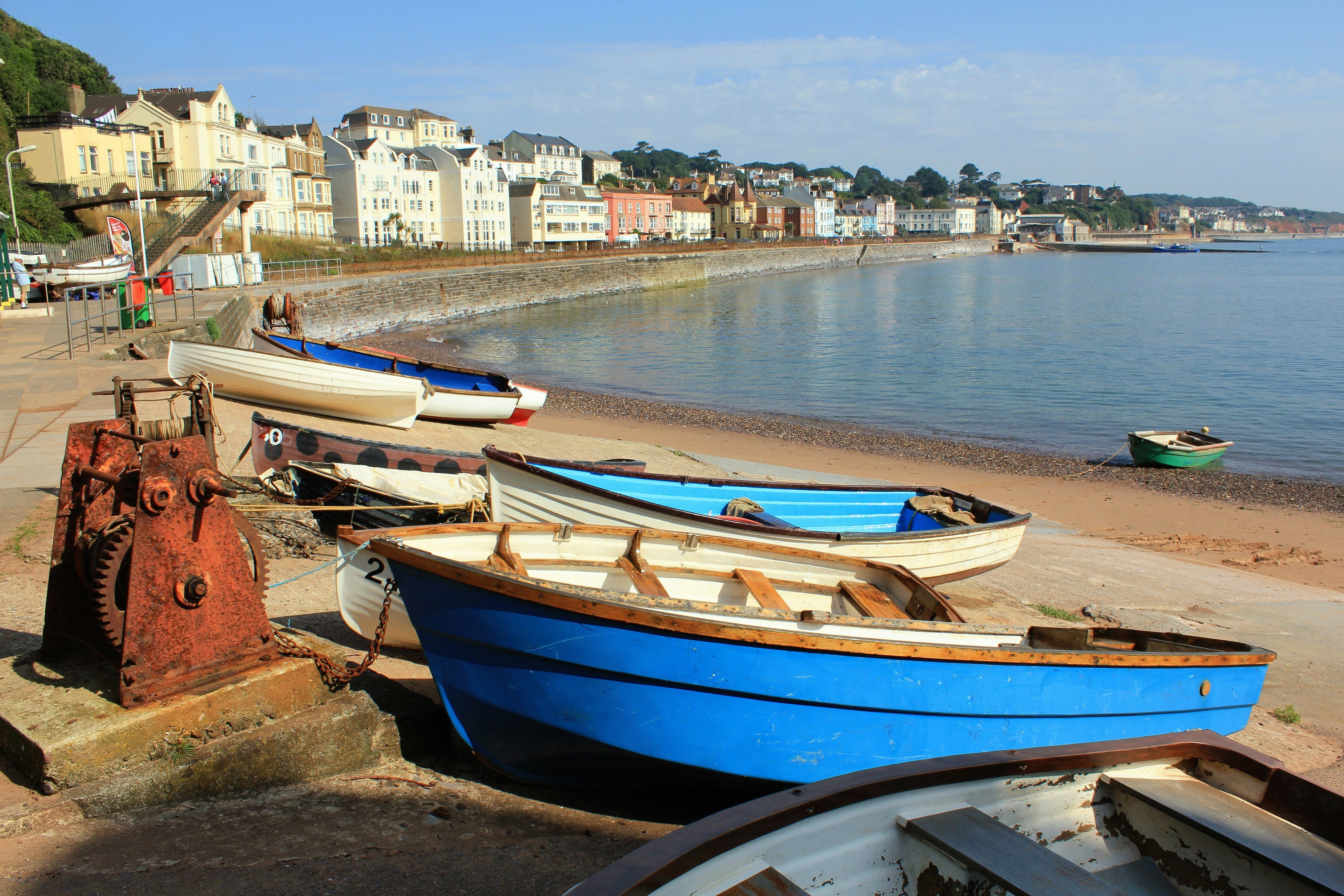
If you want to explore Cornwall fully, renting a car is often the easiest option. It gives you the flexibility to visit beaches, small villages, and more remote coastal spots that are harder to reach by public transport.
However, if you’re planning to stay in one area, such as Newquay or St Ives, you can easily explore on foot, especially within the towns themselves and along nearby coastal paths.
Cornwall is also served by a rail network, with the main line running through towns like Plymouth, Truro, St Austell, and Penzance. Local buses connect many towns and villages, but services can be limited in more rural areas, particularly in the evenings or outside peak season.
Having a car is also the easiest way to explore Devon, especially if you want to visit the region’s hidden gems and rural villages.
However, the region also has a good public transport system with a railway line running through places include Exeter and Plymouth.
Buses also connect most towns and villages in Devon, although they can be limited in more rural areas. Walking is also a great way to explore Devon, with many scenic routes along the South West Coast Path.
A car is one of the easiest ways to explore Dorset’s coastal attractions, allowing you to visit places like Durdle Door at your own pace.
Buses do connect towns to popular sites such as Lulworth Cove, but services can be limited or seasonal, so it’s worth planning ahead. The region is also well served by trains, with routes linking major towns including Bournemouth, Poole, and Weymouth, making it easy to travel between key destinations.
Walking and cycling are also popular ways to get around, with scenic coastal routes such as the Bournemouth to Sandbanks path offering beautiful views along the way.
Hampshire is well served by public transport, with frequent train services connecting key destinations such as Portsmouth, Southampton, and Winchester. Local buses also link towns and villages, including routes into more rural areas like the New Forest, meaning a car isn’t essential unless you plan to explore further off the beaten track.
Cycling and walking are also popular ways to get around, particularly in the New Forest National Park, where scenic trails and quiet routes make it easy to explore.
Sussex is well connected by train, making it easy to travel along the coast without a car. Train routes connect places such as Brighton, Eastbourne, Lewes, Hastings and Chichester. Buses also serve smaller towns and villages.
Walking and cycling are also great ways to explore Sussex, especially the South Downs National Park with its scenic trails through the beautiful countryside, and coastal routes such as the Seven Sisters cliffs with its dramatic scenery.
Kent has great rail connections, making it easy to travel between main destinations like Dover, Margate, Whitstable and Ramsgate. However, if you’re looking to explore beyond the main towns and venture into the countryside, having a car can be useful. Walking is also a great way to experience the region, with scenic routes like the Viking Coastal Trail popular with visitors.
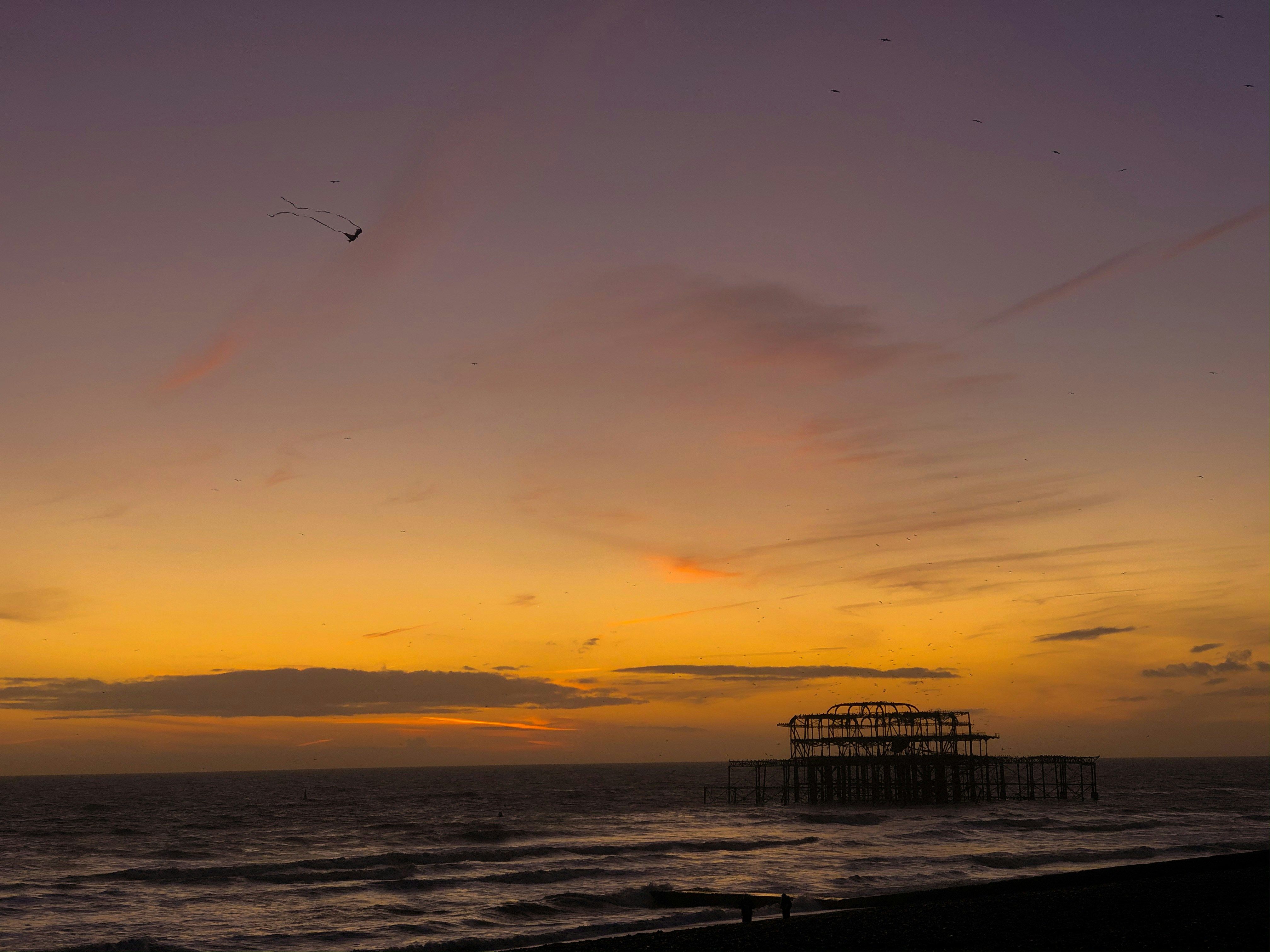
Here are some of our top tips for planning a trip to the south coast of England:
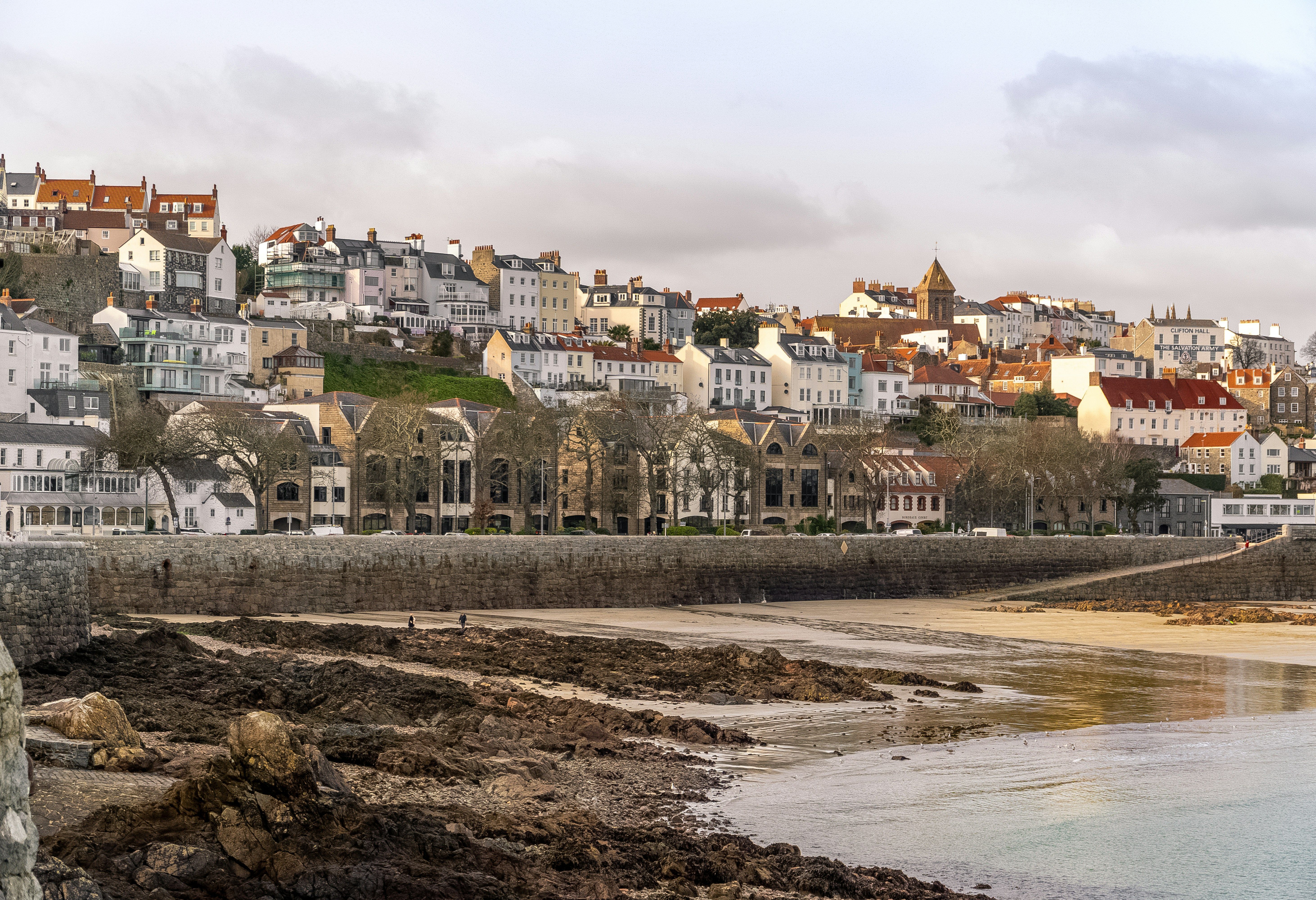
The south coast is home to a variety of vibrant cities. Brighton is one of the most popular, known for its iconic pier, independent shops, and lively nightlife. Portsmouth and Southampton are both historic port cities with a rich maritime heritage and plenty of family-friendly attractions. There’s also Chichester, a Roman city with a rich history and beautiful architecture.
There are so many beautiful beaches on the south coast of England. The best beach all depends on what you’re looking for. Places like Bournemouth and Sandbanks Beach in Dorset and Blackpool Sands in Devon are great for swimming with their calm, clear waters.
Meanwhile, Fistral Beach in Cornwall and Croyde Bay in Devon are known for their amazing surfing. Or, if stunning scenery is what you’re after then you can’t miss Durdle Door in Dorset, or Kynance Cove in Cornwall.
There are several major ferry ports along the south coast of England, including Southampton, Portsmouth, Dover, Lymington, and Southsea. These ports connect the region not only within the UK but also to nearby islands and mainland Europe.
Ferries to the Isle of Wight are frequent and well connected, making it easy to include an island escape in your trip. Services are operated by Red Funnel, Wightlink, and Hovertravel, with routes including:
For a more remote island experience, you can take a ferry from Penzance in Cornwall to St Mary’s in the Isles of Scilly. This seasonal service, operated by Isles of Scilly Travel, typically runs between March and November and offers a scenic journey across the Atlantic.
Ferries from the south coast also connect to the Channel Islands, offering a great opportunity for a short break or island-hopping adventure. Popular routes include:
The south coast is also a key gateway to mainland Europe, with several routes to France and Spain:
More routes than anyone else.

Compare fares, times & routes in one place.
Change plans easily with flexi tickets.

Book e-tickets & manage trips in-app.
Live ship tracking & real-time updates.

Top-rated customer support when you need it.