Things to do in Cornwall
Things to do in Cornwall
Sat in the southwest corner of England, Cornwall blends natural beauty with rich history and culture. From sandy beaches like Porthcurno to charming fishing villages such as St Ives, and iconic landmarks like St Michael’s Mount, it’s no surprise that it’s one of the country’s top holiday destinations.
Whether you’re planning a day trip or a longer getaway, read on to discover the best things to do in Cornwall.
Driving is one of the most popular ways to reach Cornwall, especially if you want the flexibility to explore freely once you arrive. The A30 is the main road into the region and can be especially busy during the summer months, so it’s worth allowing extra time for your journey. Travel times vary depending on your starting point.
From London, the journey takes around 4 hours 30 minutes via the M4 and M5. From Bristol, it’s approximately 2 hours 30 minutes via the M5, whilst from Manchester, it takes around 5 hours 30 minutes via the M6 and M5.
Travelling by train is one of the most convenient ways to reach Cornwall. It’s also one of the most scenic!
Train stations are located in main Cornish towns such as Penzance, St Ives, Truro and Newquay, with connections to other parts of the UK such as London and Birmingham. Great Western Railway operate direct trains from London Paddington to destinations including Truro and Penzance, with journey times usually ranging between 4 to 5 hours.
Make sure to grab a window seat to soak up the beautiful coastal views. We’d also recommend booking your train tickets well in advance for the best prices.
If you’re on a budget, a coach is a great option. Operators such as National Express run services from London Victoria to towns such as Newquay and Truro, and from Birmingham to Newquay. Journeys usually take between 7-9 hours, depending on traffic.
Although the journey is longer than travelling by train, coach tickets are often a lot cheaper, making them a good choice if you want to save some money.
How you get around Cornwall can really make a difference to your experience. Whilst some of the main towns, such as Truro, Falmouth, and Penzance, are compact enough to explore on foot, reaching more remote beaches, historic sites, and hidden coves often requires a car or public transport.
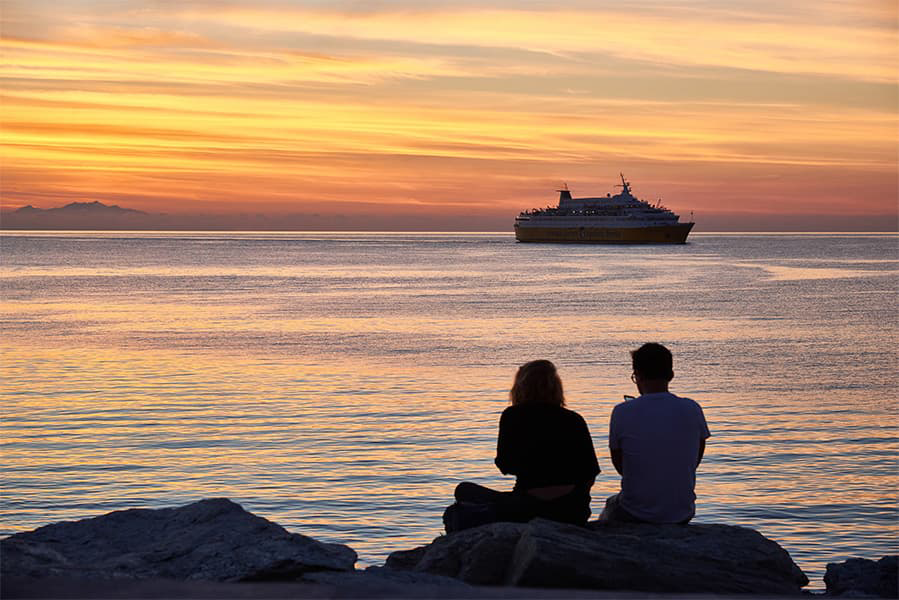
There are also ferry connections from places like Penzance to the Isles of Scilly, which can be an exciting and scenic addition to your trip.
With coastal paths and compact towns, walking is one of the best ways to explore Cornwall. Towns such as St Ives, Falmouth and Padstow are very walkable, with the harbour, beaches and shops all just a short stroll from each other. Beyond the towns, the South West Coast Path runs all the way around Cornwall, where you can soak up dramatic coastal views and discover hidden coves.
Cycling is also a popular way to explore, with routes such as the Camel Trail and West Kernow Way offering scenic cycle rides.
If you’re planning on exploring beyond the main towns, then a car is a great option. A car gives you full flexibility to reach remote beaches like Nanjizal, scenic villages such as St Mawes, or attractions like Minack Theatre and Cape Cornwall. Cornwall’s roads are generally good, but some country lanes can be narrow and winding, so make sure you drive carefully.
Parking can be limited in popular tourist areas, especially during summer, so we’d recommend arriving early. Taxis are available in larger towns such as Truro and St Ives, and most are standard black cabs or local private vehicles - you usually need to pre-book for longer journeys.
Cornwall is served by a network of trains and buses that connect major towns and popular destinations along the coast. Great Western Railway is the main train operator in Cornwall, connecting key destinations like Penzance and Truro.
Along with the main line, Cornwall also has scenic branch lines, with the St Erth to St Ives route being the most famous thanks to its breathtaking coastal views. Buses are also a good way to get around, with services by operators such as Go Cornwall Bus and Stagecoach South West.
Buses are a great option for travelling between major towns such as Falmouth, Newquay and St Austell, as well as smaller villages like Port Isaac.
Although the journeys are often longer than trains, prices tend to be cheaper, making them a good budget-friendly option.
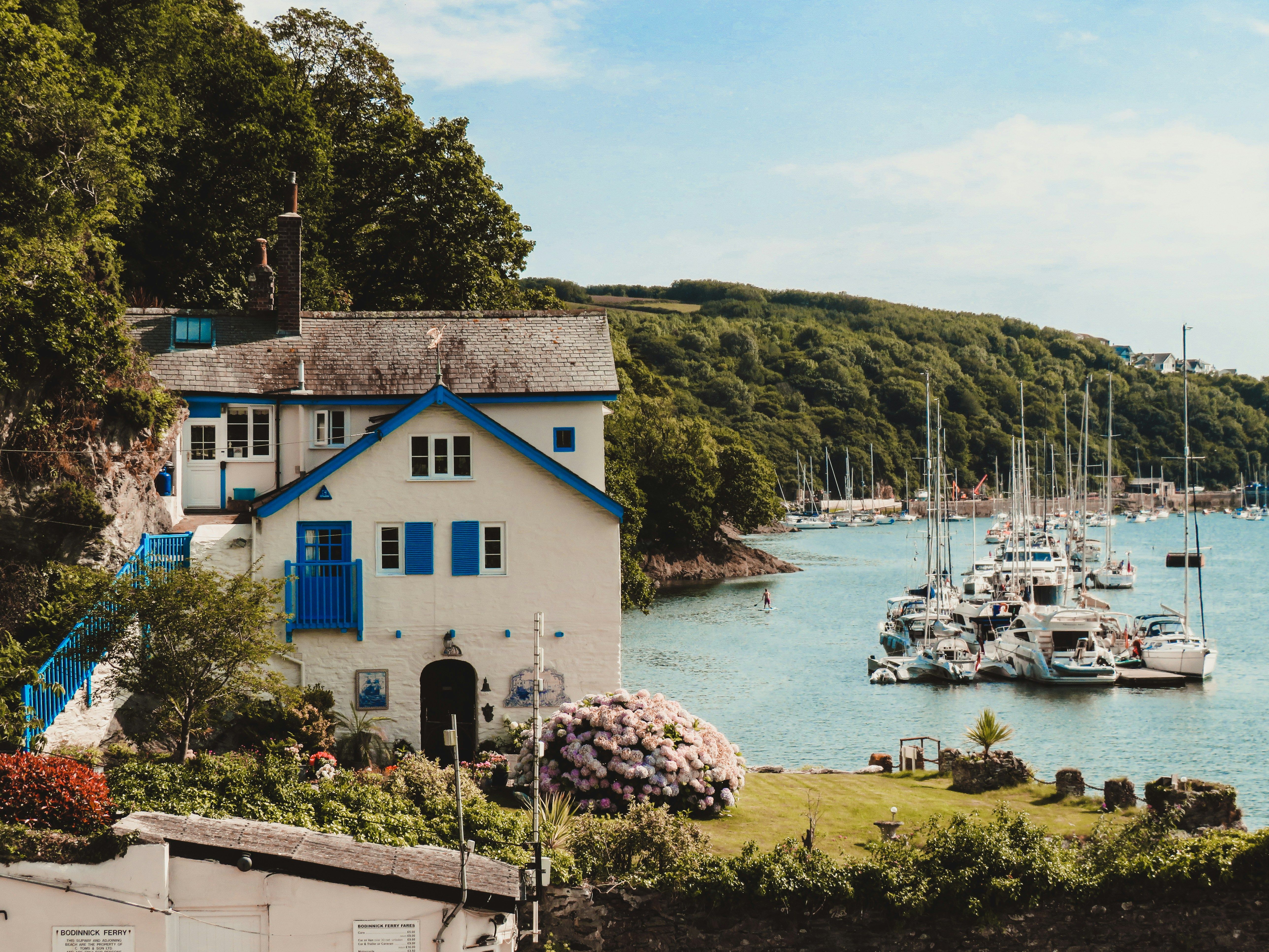
Cornwall is an amazing destination all year round. However, each season can bring a totally different experience. Whether you’re seeking long sun-soaked days or dramatic coastal scenery, when you choose to visit all depends on what you want to see and do.
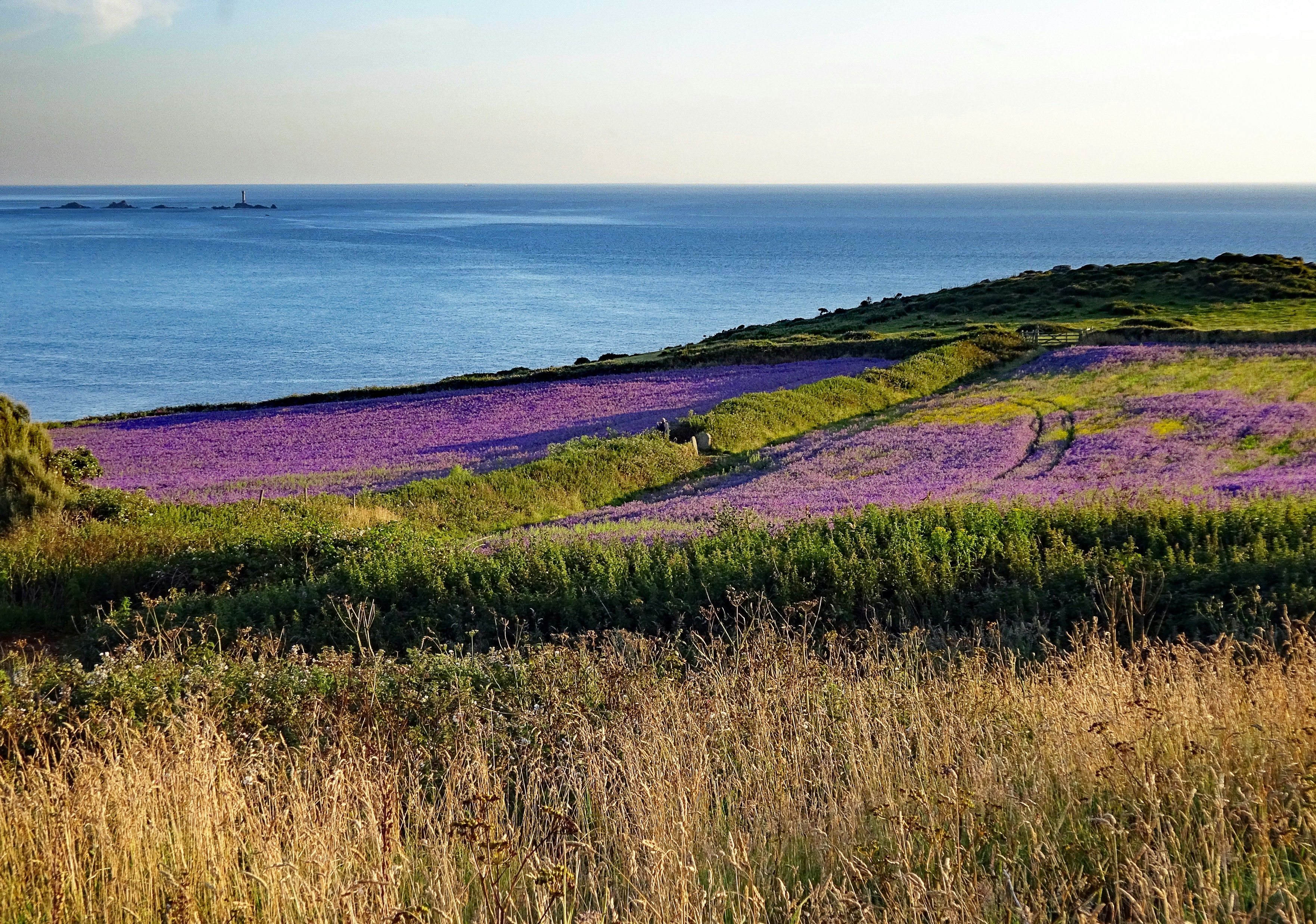
Flowering landscapes and a quieter atmosphere before the summer season make spring one of the best times to visit Cornwall. Temperatures are starting to increase, from about 10°C in March to around 16°C in May, although mornings and evenings can be cooler, so make sure to bring layers. Rainfall is lower than in winter, but occasional showers are still common, so we’d recommend an umbrella or waterproof jacket too.
The landscapes in Cornwall really come alive in spring, with clifftops covered in colourful wildflowers at places like Lizard Peninsula and St Agnes Head. The stunning scenery, combined with the cooler temperatures, makes spring a great season for hiking the South West Coast Path. It’s also a great season for visiting popular attractions like St Michael’s Mount and the Minack Theatre before the summer crowds arrive.
Perfect for: visiting the Lost Gardens of Heligan, when the 200-acre is blooming with colourful camellias, rhododendrons, magnolias and bluebells.
Long days, warmer temperatures, and lively towns make summer the most popular time to visit Cornwall. Temperatures usually range between 18°C and 23°C, but can get even higher, so make sure you pack your SPF. Rainfall is at its lowest during this season, although brief showers can still occur, so an umbrella is always handy.
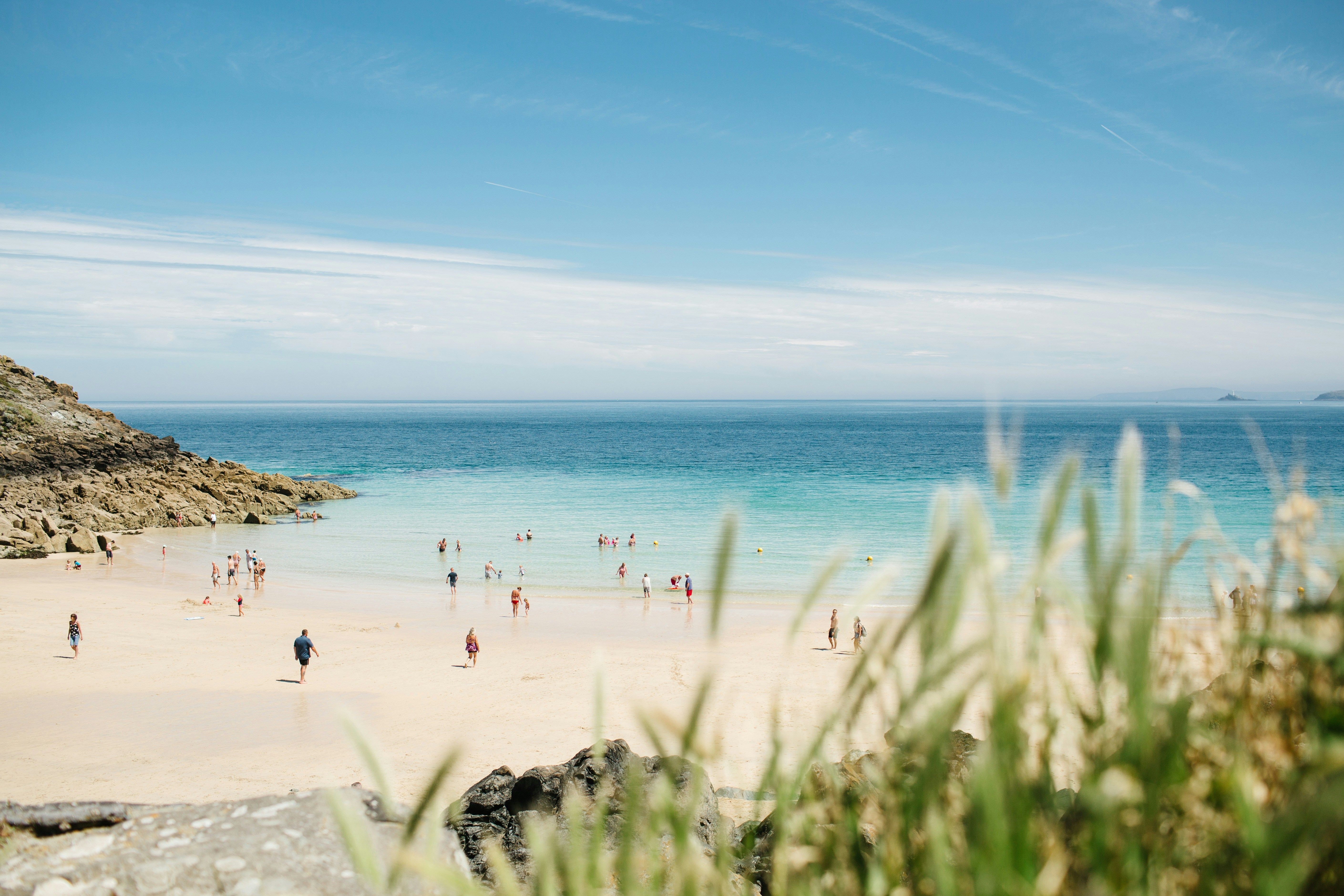
Cornwall’s coastline is at its best in summer, with beaches such as Fistral Beach, Porthcurno, and St Ives Bay popular with visitors wanting to swim, surf or just relax by the sea. Kynance Cove is also a popular spot with its white sands and turquoise waters, although it can get busy, so make sure you get down there early. The calm waters in many of Cornwall’s beaches also make them ideal for paddleboarding and kayaking.
This is also when the region is at its most vibrant, with festivals such as Boardmasters, a huge surfing and live music event, and Rock Oyster Festival, a family-friendly food and music festival, taking place in summer.
Perfect for: watching a show at the open-air Minnack Theatre whilst soaking up beautiful views of Porthcurno Bay from your cliffside seats.
Fewer crowds, mild temperatures, and dramatic coastal scenery make autumn a great time to visit Cornwall. Temperatures gradually drop from around 18°C in September to 12°C in November, with cooler mornings and evenings, so warm layers are a must. Rainfall increases compared to summer, especially later in the season, so packing waterproofs is always a good idea.
The coastline is a lot more dramatic in autumn, with strong waves and golden light, creating great conditions for scenic walks and photography along the South West Coast Path. Places like Cardinham Woods and Golitha Falls are also particularly striking at this time of year. With the summer crowds gone, it’s also a great time to explore popular attractions like St Michael’s Mount and Tintagel Castle at a more relaxed pace.
Coastal towns such as St Ives and Padstow are also quieter, making them easier to explore without the peak-season bustle.
Perfect for: spotting the seals off the coast at Mutton Cove and Lizard Point. Or for an even more exciting experience, you can take a boat trip to Seal Island.
Fewer crowds make winter a great time to visit Cornwall if you’re looking for a more peaceful atmosphere. Temperatures are at their coldest, usually ranging from around 5°C to 10°C, but evenings can get much cooler, and there can also be strong winds along the coast, so make sure to pack thick cosy layers.
Rainfall is also higher during winter, so waterproofs are a must. Crashing waves and moody skies make winter the perfect season for scenic walks along the South West Coast Path or just storm watching from inside a warm pub. Winter is also the ideal time to explore Cornwall’s charming towns that are usually packed with tourists, such as St Ives and Padstow and the fishing villages of Port Isaac and Polperro. Visiting these places in winter allows you to see a more authentic side of the island.
During the festive season, many attractions host Christmas events such as ‘Christmas at the Eden Project’ with its ice rink, whilst picturesque villages like Mousehole are adorned with twinkling lights. There are also many Christmas markets across the region, such as the Fowey Christmas Market.
Perfect for: visiting St Ives without the crowds, exploring its boutique shops and browsing Tate St Ives and the Barbara Hepworth Museum and Sculpture Garden.
Cornwall offers a mix of beautiful landscapes, historic sites and exciting activities, making it perfect for families, couples and solo travellers alike. Here’s our round-up of some of the region’s top attractions
St Michael’s Mount is an extraordinary tidal island located near Marazion, home to a medieval castle and church. Rising dramatically from the sea, it looks like something out of a fairytale. The island can be reached by walking across the causeway at low tide or by taking a short boat trip when the tide is high.
Located near St Austell, the Eden Project features huge biomes such as the Rainforest Biome, the largest indoor rainforest in the world, with a hot, humid climate, and a Mediterranean Biome with a warm, dry climate. It’s a great spot for nature lovers.
Situated in Tintagel, this dramatic cliff-top castle is linked to the legends of King Arthur. You can explore the ruins and enjoy breathtaking views of the rugged north Cornwall coastline.
Perched on the cliffs near Porthcurno, this open-air theatre offers beautiful views over the Atlantic Ocean. You can watch a show here (make sure you book in advance!) or just enjoy the beautiful scenery.
Located near Mevagissey, these 200-acre gardens feature lush jungle landscapes, flower gardens and woodland trails. They’re the perfect place for nature lovers or those who fancy a scenic walk.
With its dramatic coastline and rolling countryside, Cornwall is a playground for outdoor enthusiasts. Whether you want to release some adrenaline or enjoy a relaxing day outdoors, there’s plenty to keep you busy. The area is renowned for its surfing scene, with beaches like Fistral Beach in Newquay one of the UK’s most famous surf spots. If you’re a newbie, you can also take a lesson. For calmer waters for swimming, paddleboarding, and kayaking, Porthcurno and Kynance Cove are popular spots.
The area also boasts beautiful coastal walks, with the South West Coast Path running along the Cornish coastline. Popular routes include St Ives to Zennor and Tintagel to Boscastle, both offering stunning views of Cornwall’s rugged landscape. Cycling is also a popular outdoor activity in Cornwall, with both coastal and inland routes.
The Camel Trail and West Kernow Way are two of the most popular cycling routes. There are also several stunning gardens in Cornwall, such as the Eden Project, The Lost Gardens of Heligan and Trebah Garden, perfect for a relaxing day outdoors.
Cornwall is rich in history and culture, showcased by its collection of ancient landmarks and fascinating museums and galleries.
St Michael’s Mount is one of the area’s top historic sights. The tidal island is home to a medieval castle and church and is said to be steeped in legend. You can visit the 12th-century castle, explore the terraced gardens, and wander the historic streets. Tintagel Castle is another must-see, famous for its ties to King Arthur. Its dramatic position on the cliffs overlooking the Atlantic makes it a great spot for a scenic walk too.
Other popular historic sites in Cornwall include Lanhydrock House, a Victorian country estate near Bodmin, and Pendennis Castle, a coastal fortress built by Henry VIII. Cornwall also has its fair share of museums and galleries. Barbara Hepworth Museum and Sculpture Garden in St Ives is one of the best, celebrating the life and work of the British sculptor.
Whilst you’re in St Ives, you also can’t miss a trip to Tate St Ives, where you can admire modern British and international art. Other popular museums include the Penlee House Gallery & Museum in Penzance, with its local art and history exhibits and the Royal Cornwall Museum in Truro, where you can delve into the area’s rich history.
If you fancy exploring beyond Cornwall, then there are plenty of options.
The Isles of Scilly: From Penzance, you can take a ferry to the Isles of Scilly. The journey takes around 2 hours 45 minutes. These islands make the perfect destination for a day trip or even a longer stay, with beautiful beaches, rich wildlife and peaceful atmosphere.
Dartmoor National: Park Dartmoor National Park in Devon is another popular day trip from Cornwall. It takes around 1 hour 30 minutes to 2 hours to reach the park. With its dramatic landscapes and wildlife, it’s the ideal day trip for hikers and nature lovers.
Plymouth: The historic city of Plymouth also makes a great day out with its rich maritime heritage and exciting attractions like the Barbican and Plymouth Hoe. The city is located around 1 hour away from Cornwall, making it perfect for a short visit.
Cornwall is packed with family-friendly activities, making it a top destination for every age group. The coastline tends to be a highlight for families – build sandcastles on the beach, splash around in the calm waters or just soak up the scenery. Popular beaches for families include Porthcurno, Porthminster and Carbis Bay.
Older children can also enjoy surfing lessons at Fistral Beach or cycling sections of the Camel Trail. There are also plenty of family-friendly attractions, such as the Eden Project with its giant biomes, interactive exhibits and outdoor gardens, and Camel Creek Family Adventure Park with its exciting rides and indoor play areas that make it great for a rainy day. Newquay Zoo and Cornish Seal Sanctuary are also a must-visit for animal lovers.
Here are some of our top tips for visiting Cornwall on a budget:
Cornwall is bursting with hidden treasures. Some of our favourites include Nanjizal Beach near Land’s End and Pedn Vounder Beach near Porthcurno. Both beaches are harder to reach, so there are fewer people around. Away from the coast, St Nectan’s Glen near Tintagel, is a great spot for a scenic walk with its beautiful waterfall and woodland paths. Villages such as St Mawes and Polruan are also less touristy, making them a great alternative to Cornwall’s busier towns.
Cornwall is famous for its fresh and hearty local dishes. Cornish pasties are one of the most iconic dishes, pastry filled with beef, potato, swede and onion. You can find it at pretty much all of Cornwall’s bakeries or food markets. Thanks to its coastal location, seafood also plays a central role, with fresh crab, lobster, mussels, and hake frequently featured on restaurant menus.
Another local favourite is the classic cream tea, made up of scones served with clotted cream and jam, accompanied by a pot of tea. This quintessential treat can be enjoyed in cafés and tearooms throughout Cornwall. The region is also known for its high-quality dairy produce, including Cornish ice cream and Cornish Yarg cheese.
Cornwall offers a wide variety of places to stay, catering to different travel styles and budgets. Whether you’re after coastal views, a charming countryside setting or a base close to the town centre, there’s something to suit every traveller.
There is a range of hotels in Cornwall, from well-known chains to independent boutiques. Many of which are located in popular towns like St Ives, Falmouth, and Newquay, offering easy access to beaches, restaurants, and attractions. Seafront hotels are particularly popular in summer for their views. For a more personal and local experience, Cornwall also has a variety of family-run bed and breakfasts. These are often in quieter villages like Kingsand and Cawsand.
Meanwhile, self-catering cottages and apartments make a great option for families or for longer stays. They offer plenty of living space, and thanks to the kitchen facilities, you don’t have to eat out. Cornwall also has several campsites, such as those near Newquay and Perranporth, which are great for budget travellers or nature lovers.
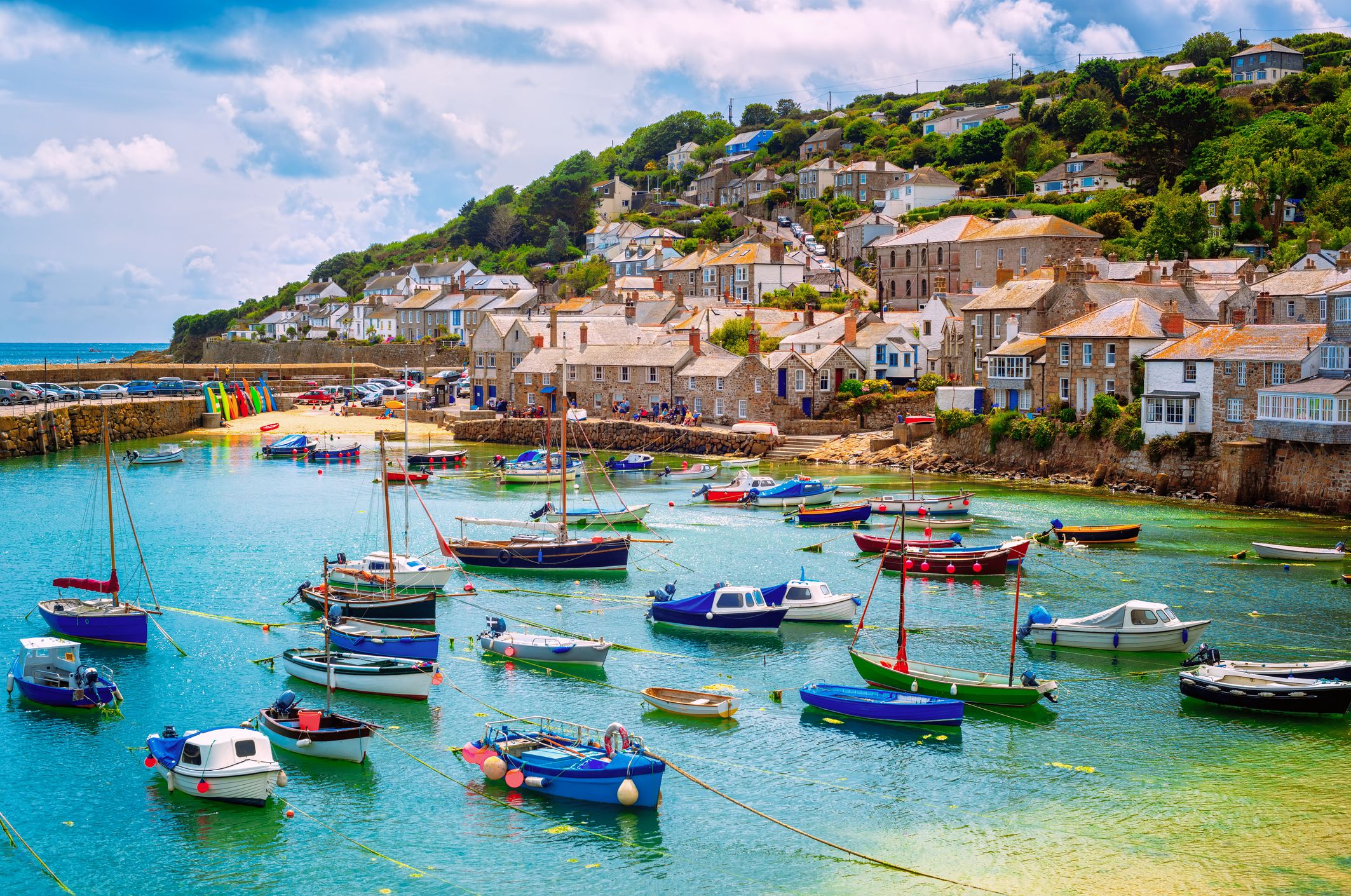
Cornwall is ideal for a short escape or a longer, more relaxed holiday. With its dramatic coastline, charming villages, and world-class attractions, there’s something for everyone. Whether you’re planning a weekend getaway or a week-long adventure, here’s a suggested itinerary to make the most of your time.
Explore the northern coast, starting in Newquay. Spend the morning at Fistral Beach, surfing or just relaxing on the sand. In the afternoon, head to Padstow to wander round the harbour, enjoy some local seafood, and take a stroll along the Camel Trail.
Head west to St Ives and spend the day exploring the picturesque town. Visit the Tate St Ives gallery and the Barbara Hepworth Museum and Sculpture Garden, walk along Porthmeor Beach, and explore the narrow streets filled with boutiques and cafés.
Start the day with a trip to St Michael’s Mount, exploring its historic streets and visiting the castle. In the afternoon, head to Land’s End and the nearby Minack Theatre – try and get tickets for a show for an extra special experience before heading back home.
Why we love it: This 3-day itinerary is perfect for families, couples or solo travellers looking to explore Cornwall’s highlights and enjoy a mix of adventure and relaxation.
Start your Cornish adventure in Newquay. Explore the town then try surfing at Fistral Beach or take a scenic stroll along Towan Beach. In the afternoon, head to Padstow to see the picturesque harbour and tuck into some delicious fish and chips overlooking the sea. In the afternoon, stop by for coffee and a wander at Port Isaac before heading to Tintagel Castle for a walk.
Spend the day exploring St Ives, visiting Porthmeor Beach and taking a stroll through the charming streets lined with art galleries and boutiques. Visit Tate St Ives and the Barbara Hepworth Museum for some culture. In the afternoon, enjoy a coastal walk along the South West Coast Path.
Head over to St Michael’s Mount first thing to visit it’s castle and explore the charming streets. In the afternoon, visit Land’s End, the most westerly point of Cornwall, taking in panoramic coastal views followed by a trip to the Minack Theatre.
Discover some of the coastline’s most beautiful beaches with a trip to Kynance Cove or Porthcurno Beach and enjoy a swim in the calm waters. Afterwards, explore the Lizard Peninsula, including Lizard Point, the southernmost point of mainland Britain.
Head to the Eden Project near St Austell, one of Cornwall’s most famous attractions. Explore the massive biomes housing tropical and Mediterranean plants, and learn about sustainability and ecology. After, take a short drive to St Austell town centre for lunch and a wander around local shops or historic streets. If you’ve got time, also visit the Lost Gardens of Heligan.
Why we love it: This itinerary balances Cornwall’s famous landmarks with hidden gems, offering a mix of natural beauty, history and culture. It’s ideal for families, couples, or solo travellers looking to explore Cornwall without feeling rushed.
The main ferry route linked to Cornwall is from Penzance to the Isles of Scilly. This service is operated by Isles of Scilly Travel, with crossings to St Mary’s taking around 2 hours 45 minutes. It’s a seasonal route which usually runs between spring and autumn.
Practical tips when travelling to Cornwall include:
The nicest town in Cornwall all depends on what you’re looking for! Some of the most beautiful towns include St Ives, with its beautiful beaches and bustling streets lined with boutiques and art galleries, and Padstow, with its historic harbour and thriving culinary scene. Port Isaac is also a beautiful place, with a dramatic coastal setting and historic streets, as is Fowey, with its picturesque walking trails and idyllic riverside setting.
More routes than anyone else.

Compare fares, times & routes in one place.
Change plans easily with flexi tickets.

Book e-tickets & manage trips in-app.
Live ship tracking & real-time updates.

Top-rated customer support when you need it.