Things to do in London

Things to do in London
Located in the United Kingdom, London is the capital of England and one of the world’s most iconic cities. Steeped in history, it’s home to landmarks like the Tower of London and Buckingham Palace, which attract visitors from across the globe. But beyond its historic sights, London is also known for its diverse culture, world-class museums, and legendary theatre scene.
Whether it’s your first visit or your fifth, there’s always something new to explore. Planning a trip to the capital? Read on to discover the best things to do in London.
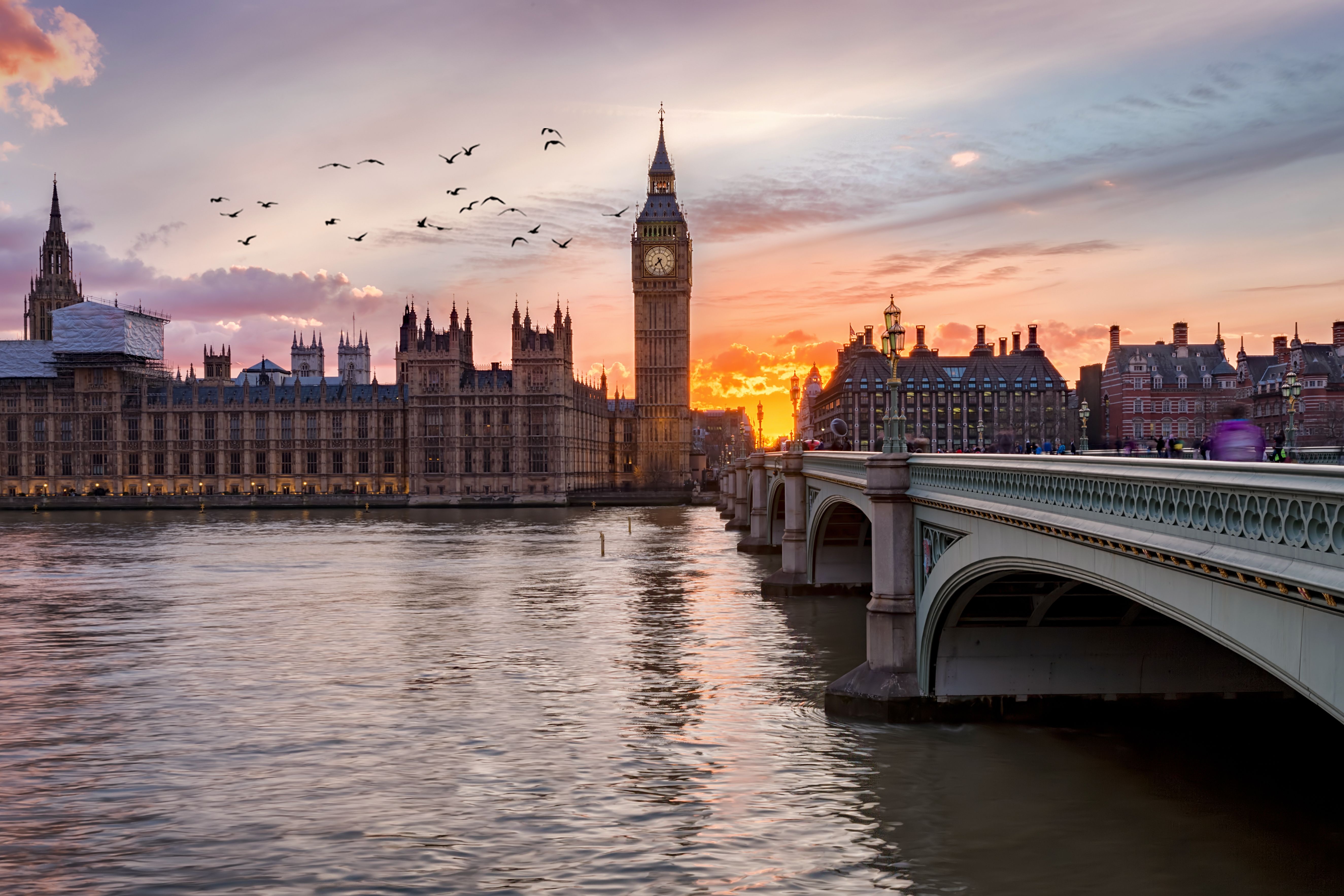
Thanks to its extensive transport network, London is one of the most well-connected cities in the world. It’s easy to reach the city via car, train, bus, coach from the rest of the UK and beyond.
Thanks to its well-connected motorway network, it’s easy to drive to London from across the UK. Major routes include the M1 from the north, the M4 from the west, the M3 from the south-west, and the M11 from the east. Travel times are roughly 2 and a half hours from Birmingham, around 4 hours from Manchester, and approximately 7 hours from Edinburgh.
Bear in mind that central London can be tricky to navigate with heavy traffic and Congestion Charge zones, so it’s always a good idea to plan your route in advance. Many visitors find it easier - and often cheaper - to park outside the city centre and to use public transport to get around.
Trains are one of the easiest and fastest ways to reach London from the rest of the country. The city is served by several main train stations, including London Euston, London King’s Cross, London St Pancras, London Waterloo, and London Paddington. Operators include Avanti West Coast, LNER, Great Western Railway, and South Western Railway, with direct services from cities such as Birmingham, Manchester, Leeds, Edinburgh, Bristol, and Cardiff.
Journey times vary depending on the route:
High-speed and regular services make trains a great option for day trips or longer stays. Most trains allow advance seat reservations and first-class options, and many offer Wi-Fi, comfortable seating, and onboard cafes.
International travellers can reach London via the Eurostar, which runs high-speed trains from Paris, Brussels, and Amsterdam directly to St Pancras International. Journey times are approximately 2 hours 15 minutes from Paris, 2 hours from Brussels, and 4 hours from Amsterdam, making London easily accessible from mainland Europe.
Travelling to London by coach is a budget-friendly option, often cheaper than trains or driving. Operators such as National Express, Megabus, and FlixBus run regular services to the capital from cities including Birmingham, Manchester, Leeds, and Bristol.
Most coaches arrive at London Victoria Coach Station, which is conveniently located in central London with an underground station for easy onward travel. Although coach journeys can take longer than trains due to traffic and driver changes on longer routes, they are comfortable - most coaches offer Wi-Fi, onboard toilets, and reclining seats.
Despite its size, London’s great transport network makes it easy to explore both iconic landmarks and hidden gems. Whether you fancy strolling through parks, cycling along famous streets, or sightseeing by bus or Tube, there’s a convenient way to explore London for every type of traveller.
Walking is one of the best ways to explore London, especially in central areas like Covent Garden, Southbank, and Westminster. Many of the city’s top sights such as the Tower of London, Buckingham Palace, and Westminster Abbey are within easy walking distance of each other. Exploring on foot means you can avoid traffic, soak up the city’s stunning architecture, and discover hidden gems along the way.
Areas like Shoreditch and Camden are especially great to explore on foot, with street art, markets, and local eateries that are easy to miss when travelling by bus or car.
Cycling is another popular way to see the city. The Santander Cycles scheme, often called “Boris Bikes”, lets you rent bikes across London and return them to any docking station in the city. They’re ideal for short trips, with prices starting from £3 for 30 minutes.
Driving in London is only really recommended if you’re planning to explore areas outside the city centre, such as Windsor or Oxford, or heading into the surrounding countryside. Central London is extremely busy, and many areas fall within the Congestion Charge zone, so it’s important to check routes and fees in advance. Parking can also be expensive and limited, so if you do drive, it’s often easier to park on the outskirts and use public transport to get into the centre.
Taxis, however, are an iconic part of London life. Traditional black cabs can be found across the city – just hail them down on the street. Uber is also a popular way to get around. Whichever option you choose though, make sure you allow extra time for journeys, as traffic can be heavy, especially during peak hours.
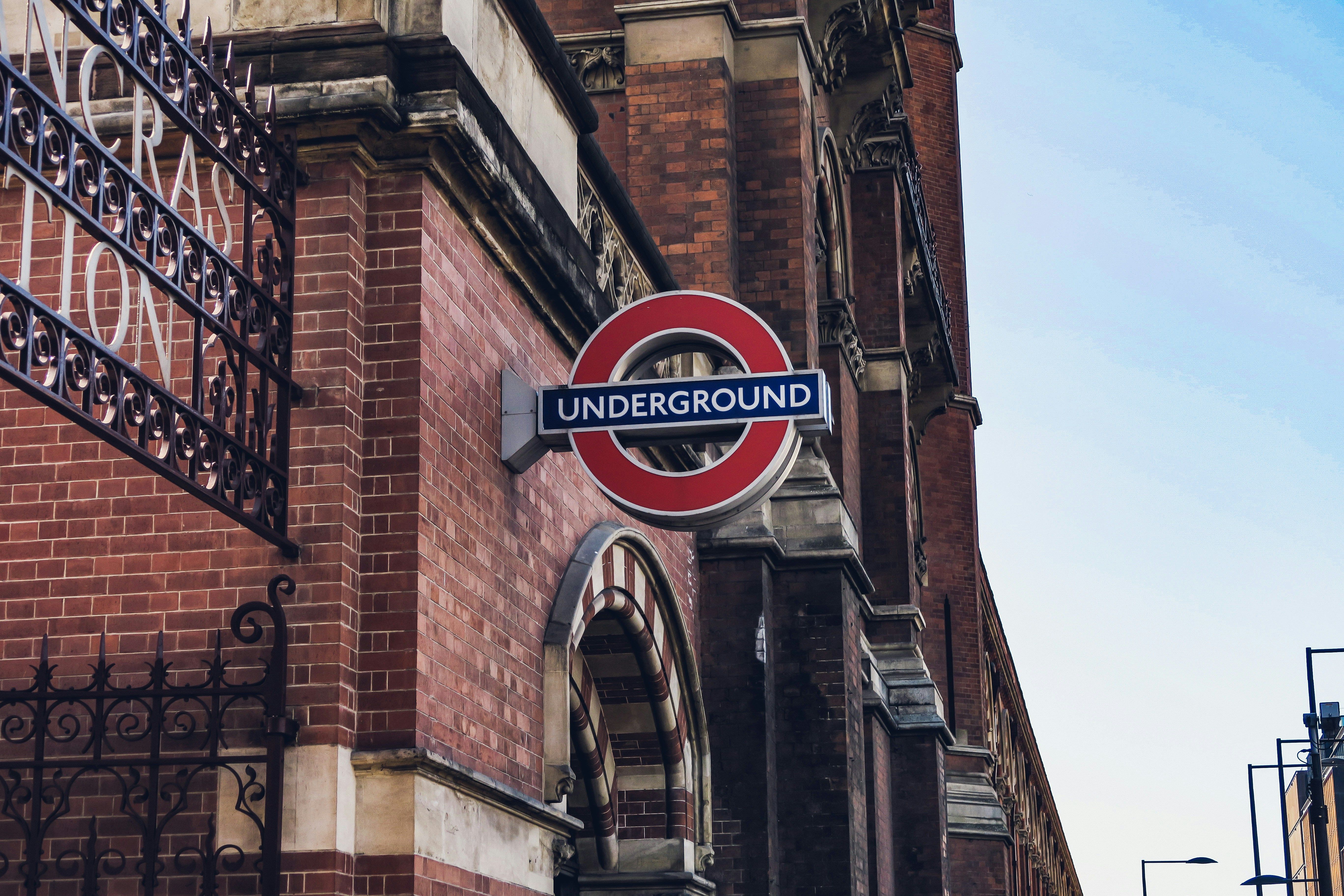
With the London Underground, Overground, National Rail, buses, and the Elizabeth Line, London has one of the most extensive and efficient public transport systems in the world, making it easy to explore the city.
The London Underground, also known as the Tube, is one of the fastest ways to get around the city. It covers both central and greater London, with trains running every few minutes. Stations are well signposted, and maps are easy to follow, making navigation straightforward. As one of the most popular ways to travel, the Tube can get busy, especially during peak commuting times between 06:30–09:30 and 16:00–19:00.
The easiest way to pay is by using a contactless card or mobile device - just tap in and out at the yellow readers. You can also use an Oyster card, a reusable travel card that can be topped up at station machines. Just make sure you use the same card or device throughout your journey.
London’s iconic red buses operate across the city, including areas not served by the Underground. They are often cheaper than the Tube and are a more scenic way to travel. All buses are cashless, so you will need to pay either using a contactless card or an Oyster card, with a single journey costing £1.75, with a daily cap of £5.25. Bear in mind that journeys can take longer due to traffic, especially in central London.
The London Overground is also a popular way to get around the city, especially the outer neighbourhoods. It connects areas such as Richmond, Stratford, and Clapham Junction, as well as parts of north and east London.
National Rail also operates services within London to destinations such as Greenwich or Gatwick Airport. Both systems use the same payment method as the Tube, with contactless and Oyster cards accepted within London zones, using a tap in and tap out system. Trains are often faster and less crowded than the Tube and are great for longer distances.
The Elizabeth line is one of London’s newest rail routes, connecting key parts of the city. It runs from Reading and Heathrow in the west to Shenfield and Abbey Wood in the east, passing through central London.
Trains are modern, spacious, and often faster than many Underground routes, making it a convenient option for getting across the city. Fares are integrated with the wider network, meaning you can pay the same way you do on the Tube and Overground.
London is an amazing destination all year round, with each season offering something different. The best time to visit depends on what you want from your trip - whether that’s the outdoor events of summer or the magical festive atmosphere of winter.
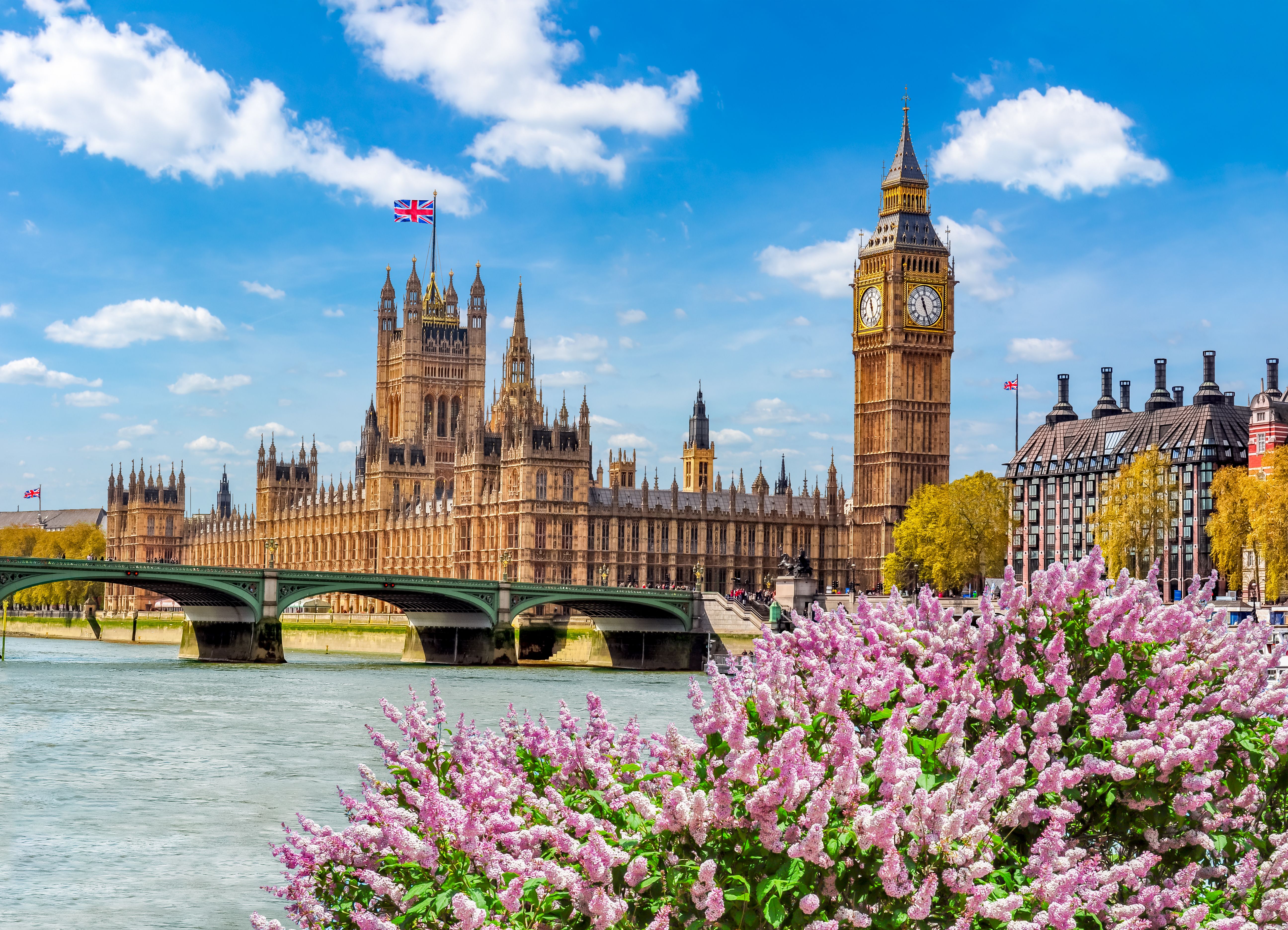
With the weather warming up, parks coming into bloom and a vibrant atmosphere without the summer crowds, Spring is a lovely time to visit London. Daytime temperatures usually range from around 10-13°C in March creeping up to 15-18°C by May. Despite the mild temperatures, weather in London can be unpredictable in spring with the occasional shower so it’s best to bring layers and a light waterproof.
Longer daylight hours and milder conditions make spring ideal for exploring London’s green spaces. Parks such as Hyde Park, Regent’s Park, Kew Gardens, and Holland Park look extra beautiful as they begin to fill with daffodils, tulips, and cherry blossoms - perfect for scenic walks or relaxed picnics.
Although London is never completely quiet, spring is generally less crowded than summer, making it a good time to visit major attractions such as the British Museum and the London Eye.
Perfect for: exploring London’s parks in bloom and visiting the Chelsea Flower Show, an annual garden show held in Chelsea each May with stunning floral displays.
Summer is when London really comes to life, with outdoor events, open-air dining, and a lively atmosphere across the city. Temperatures are at their warmest, ranging from around 20-25°C, although heatwaves can make it hotter. Light clothing, sunglasses, and SPF are recommended, along with a light layer for cooler evenings.
During this season, locals and visitors flock to the city’s parks like St James’s Park, Regent’s Park, and Richmond Park, along with the city’s many beer gardens and roof terraces, to soak up the sunshine. It’s also the perfect time to enjoy London’s riverside setting, whether that’s walking along the South Bank or taking a boat trip on the Thames.
Summer also brings a packed calendar of events, from outdoor cinema screenings to festivals such as British Summer Time Hyde Park, Notting Hill Carnival, and food events like Taste of London.
Perfect for: experiencing the city’s vibrant events calendar including Wimbledon, the oldest tennis tournament in the world, where enjoying strawberries and cream is all part of the tradition.
With summer crowds disappearing, autumn is a great time to visit London if you prefer a more relaxed. The city feels calmer and the landscapes are especially beautiful, with trees and parks turning all shades of golds and reds. Temperatures start to cool, to around 18°C in September to 10-13°C by November and rainfall is more common so we’d recommend bringing warm layers and waterproofs, especially if you’re visiting later on in the season.
Autumn is an ideal time to explore London’s green spaces, with colourful leaves creating beautiful settings for walks. Places like Hampstead Heath, with views from Parliament Hill, and Epping Forest are particularly beautiful in autumn. The cooler temperatures also make it more comfortable to sightsee in the city on foot or by bike.
As the cultural season picks up, theatres, galleries, and museums come alive with exhibitions and performances, making it a great time to enjoy indoor attractions alongside crisp outdoor walks.
Perfect for: enjoying cosy walks through the autumnal landscapes of Epping Forest and visiting attractions like the British Museum and the Tower of London without the crowds.
Winter is the coldest season in London, with temperatures usually between 4-8°C, but it’s also the most magical, with exciting winter events and Christmas festivities taking place across the city. Snow is rare but it can be frosty, so make sure to bring warm layers and a thick coat. Layering is key as the Tube and indoor attractions are often heated.
The colder weather makes it a great time for exploring London’s indoor attractions such as the National History Museum, a world-class museum with its extensive collections and interactive exhibits, and the Tate Modern, a renowned gallery which houses modern and contemporary art from around the world.
Winter in London is also extremely festive with Christmas lights and decorations - stroll along Regent Street and Oxford Street to see the Christmas displays, enjoy ice skating at Somerset House, or visit markets such as Hyde Park Winter Wonderland.
Perfect for: soaking up London’s festive atmosphere, including seasonal events like Christmas at Kew, where illuminated gardens and light trails create a magical experience for the whole family.
From centuries-old landmarks to a vibrant cultural scene, London caters to every kind of traveller. Whether you want to delve into the city’s rich history or experience its packed calendar of events, there’s no shortage of things to see and do in the capital.
The Tower of London is a historic fortress and UNESCO World Heritage Site. Located on the north bank of the River Thames, it’s one of the city’s most famous landmarks. You can explore the medieval castle, see the Crown Jewels, and visit the Bloody Tower, where prisoners were kept.
Located in Westminster, Buckingham Palace is the official residence of the British monarch. Located in Westminster, it’s a great place to get a glimpse of royal life – watch the Changing of the Guard ceremony, explore the Royal Mews, and in summer you can even tour the lavish State Rooms.
Nestled on the banks of the River Thames in Westminster, Big Ben and the Palace of Westminster are among the city’s most iconic landmarks. As well as admiring them from the South Bank, you can take a guided tour of Big Ben, climbing the 334-step spiral staircase to the belfry, or explore the Houses of Parliament to learn more about the UK’s political history.
One of the most famous bridges in the world, Tower Bridge dates back to the 19th century and is instantly recognisable by its iconic twin towers. You can walk across the glass-floored walkways for impressive views of London’s skyline or explore the Victorian engine rooms to see the original machinery used to lift the bridge when ships pass through. You can also simply stroll across the bridge for free and take in the views along the Thames.
Located on the South Bank of the River Thames, the London Eye is a giant observation wheel offering panoramic views across the city. It’s a great way to see London from a different perspective, with many of the city’s most famous landmarks visible from above. For the best experience, we’d recommend visiting at sunset when the golden light reflects across the skyline.
With its riverside setting and abundance of green spaces, there are plenty of opportunities to enjoy outdoor activities in London.
The city is home to many beautiful parks, including Hyde Park, where you can take a pedalo out on the Serpentine, Regent’s Park with its open-air theatre, and Richmond Park, where you can spot deer roaming freely. For stunning views of the skyline, head to Greenwich Park in the southeast or Hampstead Heath in the north. These spots are perfect for picnics, scenic walks, and a break from the hustle and bustle of the city’s streets.
The River Thames is another hub for outdoor activities. Take a leisurely stroll along the South Bank, passing landmarks such as the London Eye and Tower Bridge, or enjoy a river cruise for a different perspective of the city, which is especially lovely on sunny days.
Cycling is also popular, with many visitors using the Santander Cycles scheme. Routes like the Thames Path, leading to places such as Windsor, offer scenic rides along the river. London also boasts a variety of outdoor markets. Borough Market in Southwark is known for its diverse food offerings, while Portobello Road Market in Notting Hill is famous for antiques and vintage finds.
With its rich history and culture, it’s no surprise that London boasts some of the world’s most famous museums, galleries, and historic sights. The British Museum is a must-visit, housing an extensive collection of artefacts from around the world, including the Rosetta Stone and Egyptian mummies.
Families will especially enjoy the Natural History Museum, with its wildlife displays and interactive exhibits, or the Science Museum with over 325,000 scientific artifacts. Whilst the Victoria and Albert Museum (V&A), the world’s leading museum of art, design, and performance, is ideal for those interested in fashion.
Art lovers can’t miss the Tate Modern, which features incredible modern and contemporary works by artists such as Picasso, Warhol, and Hockney, or the National Gallery, home to one of the finest collections of European paintings, including masterpieces by Van Gogh and Monet. London’s historic sights are equally captivating.
Popular attractions include the Tower of London, home to the Crown Jewels, Westminster Abbey, the historic site of royal coronations, weddings, and burials, and St Paul’s Cathedral, with its iconic dome and centuries of history. Even better, many of the city’s galleries, museums, and landmarks are free to visit too, making London a great destination for those on a budget.
If you fancy exploring beyond the capital, there are plenty of exciting day trips you can take from London to nearby towns and cities.
Windsor: Windsor, a charming town in Berkshire, is one of the most popular day trips from London. It’s located around 25 miles west of the capital and takes about 1 hour by car depending on traffic. You can visit the famous Windsor Castle, one of the King’s official residences, take a scenic stroll to Windsor Great Park and explore the charming streets filled with shops and cafes.
Oxford: About 60 miles from London, Oxford is home to Britain’s oldest university. You can drive there in around 1 hour 30 minutes, or take a direct train from London Paddington in under an hour. The city is famous for its historic architecture, beautiful botanic gardens, and world-class museums. Fans of Harry Potter can also spot filming locations around the city.
Cambridge: Located roughly 55 miles north of London, Cambridge is another classic day trip. By car, the journey takes about 1 hour 30 minutes, or just 1 hour by direct train from London King’s Cross. Highlights include punting along the River Cam, strolling the picturesque Cambridge Backs, and exploring the city’s historic university colleges and stunning architecture.
Brighton: For a seaside escape, Brighton is a top choice. Around 55 miles from London, it’s reachable in about 1 hour by direct train from London Victoria or London Bridge, or 1 hour 30 minutes by car. Visit the iconic Brighton Pier, wander through The Lanes’ independent shops, and soak up the town’s lively atmosphere.
Packed with family-friendly attractions, London is an amazing destination for children, teenagers and even grandparents. You’ll find that many of London’s attractions are easily accessible either via walking or public transport, making it easy to get around.
The Natural History Museum and Science Museum are a must if you’re travelling with younger children, with interactive exhibits and fascinating displays that are both educational and fun. SEA LIFE London Aquarium is also a great place to keep kids entertained with an underwater tunnel where you can spot sharks and turtles.
Older children and teens will love the Warner Bros. Studio Tour London, where they can explore film sets, see original props, and step into the magical world of Harry Potter.
London’s parks also provide plenty of outdoor fun. You can take a pedalo on The Serpentine in Hyde Park, have a picnic in Regent’s Park, or let little ones burn off energy in playgrounds scattered across the city. For a fun take on sightseeing, you can also hop on London Eye or take a cruise along the River Thames – great for the whole family.
A trip to London doesn’t have to be expensive. Here our some of our top tips to save money on your visit to the capital:
London may be famous for its iconic landmarks, but it’s also full of hidden gems waiting to be discovered.
Little Venice, a picturesque canal area near Paddington, is perfect for a peaceful stroll. Lined with colourful houseboats and waterside cafes, it offers a quieter, more relaxed side of the city, ideal for escaping the hustle and bustle of the city.
Another place to escape the bustle is Kyoto Garden in Holland Park. This beautifully landscaped Japanese garden features a tiered waterfall, koi ponds, and colourful plants, creating a calm and atmospheric setting.
Leadenhall Market, a stunning Victorian covered market in the City of London, is also a lesser-known spot in the city. Dating back to the 14th century, it’s home to boutique shops, restaurants, and bars.
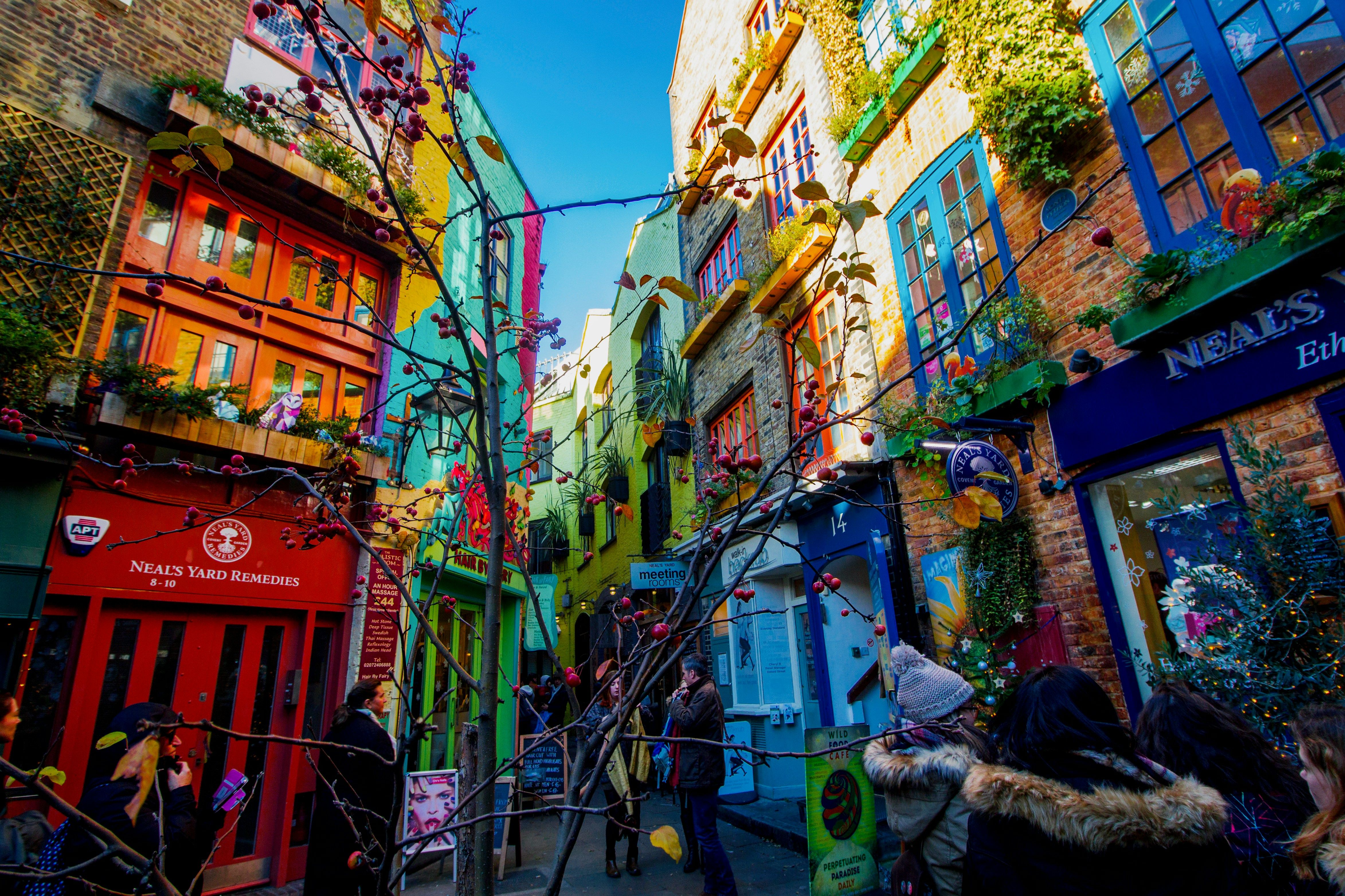
Tucked away in Covent Garden, Neal’s Yard is a colourful hidden courtyard filled with independent cafés and bright shop fronts. It’s a small but vibrant spot that many people walk past without even noticing.
London’s food scene reflects its multicultural atmosphere, with flavours from all over the world served in its many cafes, pubs, restaurants, and markets. However, there are also plenty of classic local dishes worth trying.
One of the most iconic is fish and chips, crispy battered cod or haddock served with thick-cut chips. A full English breakfast is another staple, typically made up of eggs, bacon, sausages, baked beans, mushrooms, tomatoes, and toast, which you can enjoy in cafes and brunch spots across the city.
Traditional pubs are the best place to try hearty British favourites such as a Sunday roast, featuring roasted meat, potatoes, seasonal vegetables, Yorkshire puddings, and gravy. Another classic is pie and mash, a minced beef pie served with mashed potatoes and parsley liquor, a dish closely associated with East London.
For something more indulgent, afternoon tea is a must-try London experience. This quintessentially British tradition includes finger sandwiches, freshly baked scones with clotted cream and jam, and a selection of cakes, all served with tea, often in elegant surroundings.
Another local favourite is the salt beef sandwich, typically served with mustard and pickles. It’s especially popular around Brick Lane and is closely linked to London’s Jewish culinary heritage. For a more global food experience, head to markets such as Borough Market or Camden Market, where you’ll find everything from street food to gourmet dishes from around the world.
London offers a wide variety of accommodation options to suit every budget and travel style. For those seeking convenience and comfort, the city has plenty of hotels - from luxury five-star properties in Mayfair and Soho to stylish boutique hotels in Shoreditch, as well as budget-friendly chains across the city.
Many hotels are ideally located for sightseeing, often within walking distance of major landmarks, making them perfect for short stays or first-time visitors.
For a more personal touch, London is also home to many guesthouses and bed and breakfasts, often found in neighbourhoods like Kensington and Notting Hill. These tend to be cheaper than hotels. Budget travellers can also find hostels, offering both dorms and private rooms. Many are located near central areas and are perfect for solo travellers looking to meet others.
If you’re planning a longer stay, London also has self-catering apartments, complete with kitchens and spacious living areas, ideal for families or anyone wanting the flexibility to be able to cook at home rather than eat out.
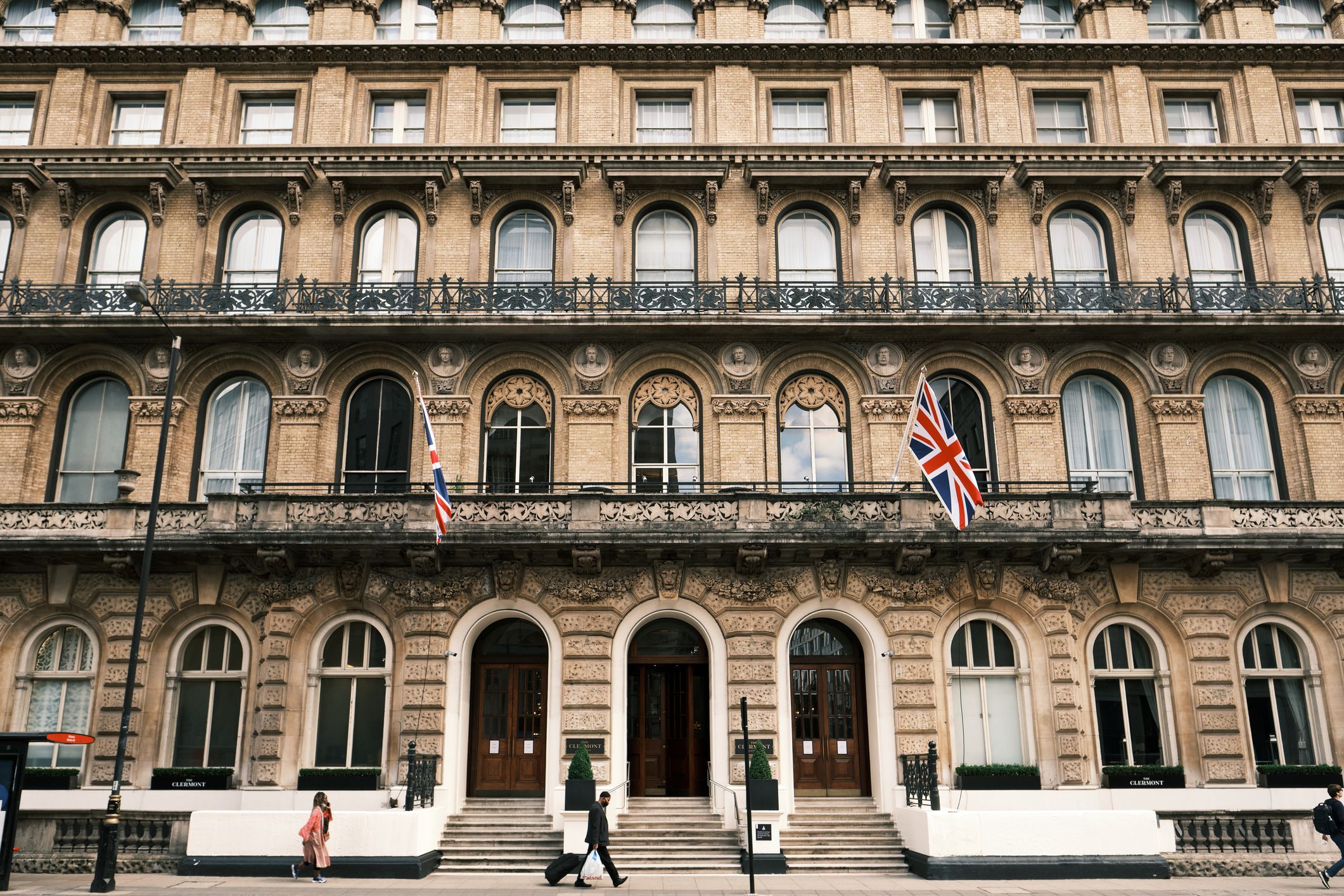
From iconic landmarks to buzzing markets and beautiful parks, London is a destination bursting with things to see and do. Whether you’re staying for the weekend or a week, we’d recommend planning your itinerary in advance to make sure you don’t miss anything.
Start your trip by visiting some of the city’s most iconic sights by taking a walk through Westminster. Admire Big Ben and the Palace of Westminster, then continue along the river to the South Bank. In the afternoon, take a ride on the London Eye for panoramic views of the city. Cross the Millennium Bridge to visit St Paul’s Cathedral, before heading to Shoreditch for dinner and a lively evening atmosphere.
In the morning, visit some of London’s top museums and galleries such as the British Museum and the National Gallery. Enjoy lunch in Soho and some shopping in Oxford Street before heading to Buckingham Palace. Watch the Changing of the Guard and then take a relaxing stroll to Hyde Park. In the evening, watch a show in London’s West End.
Start your final day with a trip to the Tower of London and Tower Bridge. Afterwards, head to Borough Market for lunch, where you’ll find a wide variety of street food. In the afternoon, visit the Tate Modern to see the contemporary art. Spend your final evening in Covent Garden, enjoying street performances, shopping, and dinner in one of the many restaurants.
Why we love it: With a mix of history and culture, this 3-day itinerary is perfect for first-time visitors who want to see all the major highlights in a short trip.
Start your London trip in Westminster, admiring Big Ben, the Houses of Parliament, and Westminster Abbey. From here, walk through St James’s Park to Buckingham Palace and watch the Changing of the Guard. Afterwards, enjoy a picnic in Hyde Park or opt for afternoon tea at The Ritz. In the afternoon, head to the South Bank for a scenic riverside stroll, finishing the day with a sunset ride on the London Eye.
Spend the morning exploring the British Museum, followed by a visit to the National Gallery in Trafalgar Square. Head to Soho for lunch, then enjoy shopping along Oxford Street. In the afternoon, wander through Covent Garden, known for its lively atmosphere, street performers, and boutique shops, before enjoying dinner in one of the restaurants.
Begin your day at the Tower of London. Afterwards, have lunch at Borough Market, then walk across Tower Bridge. Spend the afternoon exploring East London, including Old Spitalfields Market and Brick Lane, known for its street art and food scene. In the evening, enjoy a show in London’s famous West End theatre district.
Head to Notting Hill in the morning – if you can, time your visit with Portobello Road Market for some antique shopping. Stop by the famous Notting Hill Bookshop and enjoy brunch in a local cafe. Afterwards, take a stroll through Holland Park before exploring nearby Kensington. Here you’ll find the Natural History Museum, Science Museum, and Victoria and Albert Museum.
Spend your final morning relaxing in Regent’s Park before heading to Camden Market for vintage shopping and street food. In the afternoon, make your way to Hampstead for lunch in one of its cosy cafés, followed by a walk on Hampstead Heath. Head up to Parliament Hill for beautiful views across the city before returning to central London for a final meal.
Why we love it: This 5-day itinerary is perfect for travellers who want to experience more than just London’s highlights. It allows you to explore the city at a leisurely pace without feeling rushed.
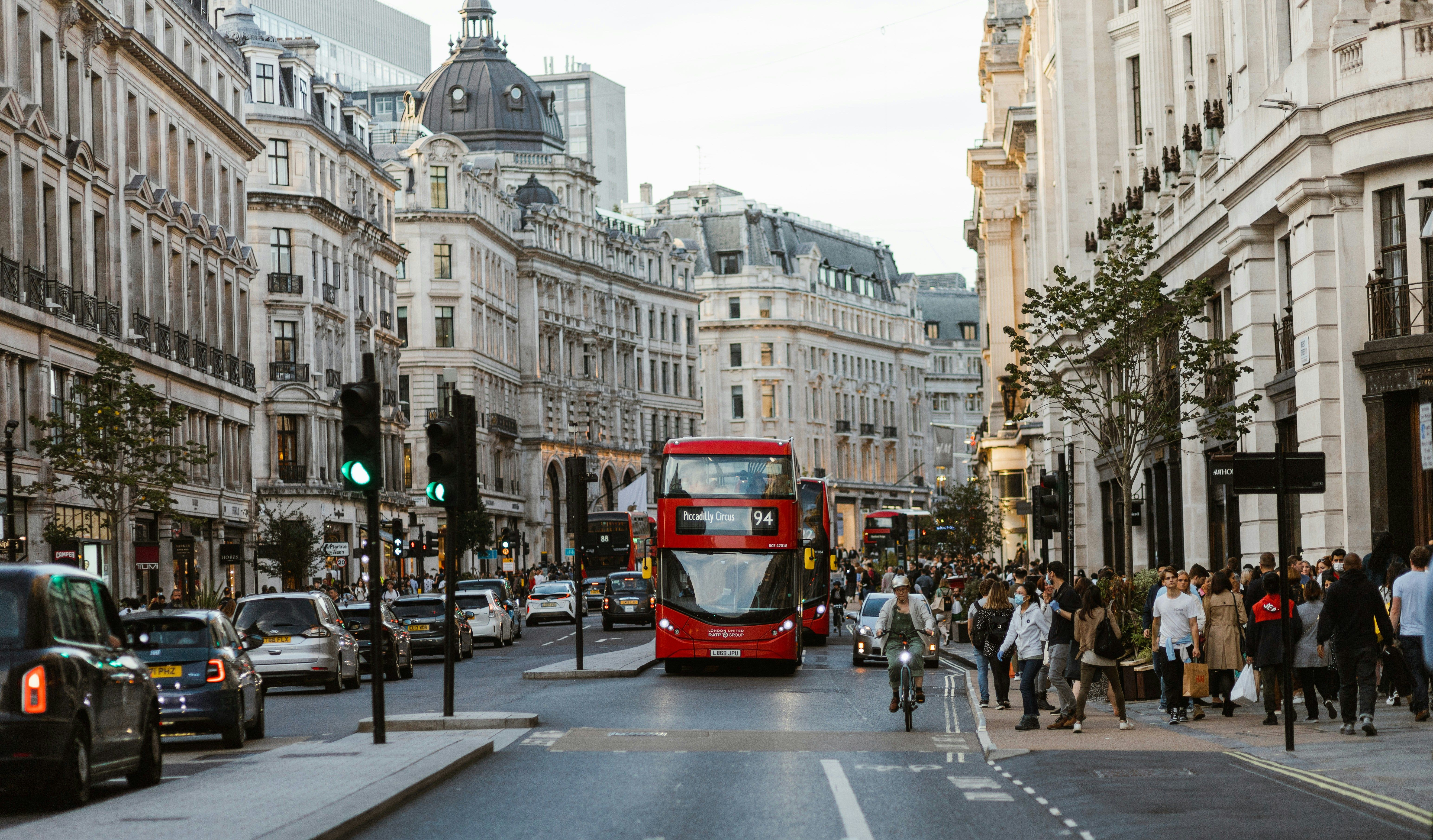
London itself is not a ferry port, so you cannot take a direct ferry into the city. However, there are several ferry ports within easy reach of London, making it easy to combine a ferry journey with onward travel to the capital.
Popular nearby ports include Dover, Portsmouth, and Newhaven, all of which have regular connections to France and other parts of Europe. From these ports, you can reach London by train or car in around 1–2 hours.
Alternatively, London is very well connected to mainland Europe via the Eurostar, which arrives at St Pancras International. High-speed trains run from cities including Paris, Brussels, Amsterdam, and Lille, with journey times as quick as just over 2 hours from Paris.
London is full of free attractions, making it easy to explore the city on a budget. Many of the city’s top museums and galleries are completely free to enter, including the British Museum, National Gallery, Natural History Museum, and Tate Modern. They’re perfect for a cultural day out, especially when it’s raining.
You can also experience some of London’s most iconic sights without spending a penny. Watch the Changing of the Guard at Buckingham Palace or take a stroll along the South Bank, where you can enjoy views of landmarks like the London Eye and Tower Bridge.
London’s green spaces are also free. Parks such as Hyde Park, Regent’s Park, St James’s Park, and Greenwich Park are perfect for picnics and scenic walks.
More routes than anyone else.

Compare fares, times & routes in one place.
Change plans easily with flexi tickets.

Book e-tickets & manage trips in-app.
Live ship tracking & real-time updates.

Top-rated customer support when you need it.