Things to do Paris
Things to do Paris
Paris is the capital of France and one of the great cities of the world, a city that has shaped art, literature, fashion, cuisine, and political thought for centuries, and that continues to do so with a self-assurance that no other city quite matches. It sits on the River Seine in the Île-de-France region, located roughly 450km from London as the crow flies, and it contains within its 105 square kilometres more significant museums, monuments, parks, markets, restaurants, and arrondissements of dense, beautiful urban fabric than most countries can claim across their entire territory.
For UK visitors, Paris is most practically reached by ferry to one of the Channel ports of Calais, Dieppe, Caen, or Le Havre, followed by a straightforward drive or train connection, or directly by Eurostar from London St Pancras. Whether you are visiting for the first time or returning for the fifth, this guide covers everything you need.
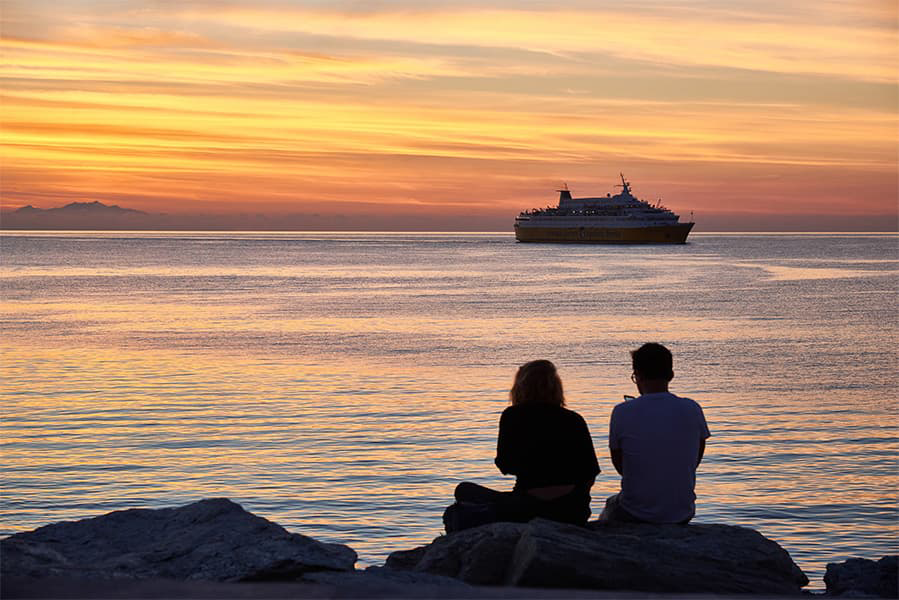
For visitors arriving from the UK, Paris is reachable via several ferry routes to the northern French coast, all of which are followed by a road or rail connection to the capital. The closest port to Paris is Calais (290km from the city), served by the Dover to Calais ferry operated by P&O Ferries, DFDS Seaways and Irish Ferries — the shortest and most frequent crossing on the Channel.
The Newhaven to Dieppe ferry offers a scenic alternative, putting you just 200km from Paris via a picturesque drive through Rouen. For travellers wanting a more leisurely crossing with on-board cabin facilities, Brittany Ferries operates services from Portsmouth to both Caen and Le Havre, both of which are around 2 hours from Paris by road or rail.
Taking a ferry with your car is the most flexible way to reach Paris from the UK, combining the freedom to drive at your own pace with the option to stop at Norman or Picard towns en route. From Calais (via the Dover to Calais ferry), the A26 and A1 motorways connect directly to Paris in around 3 hours. From Dieppe (via the Newhaven to Dieppe ferry), the N27 south to Rouen and then the A13 into Paris takes around 2 hours 30 minutes through the Seine valley.
From Caen (via the Portsmouth to Caen ferry), the A13 runs north-east directly to Paris in around 2 hours 15 minutes. From Le Havre (via the Portsmouth to Le Havre ferry), the A13 reaches Paris in around 2 hours.
Driving into Paris itself requires confidence in city traffic and an understanding of the Périphérique ring road. A sat-nav is strongly recommended, and parking in central Paris is expensive and limited. Most visitors find it more practical to park at one of the peripheral car parks at the edge of the city (Porte de la Villette, Porte d'Orléans) and continue into the centre by metro.
For foot passengers, the ferry and train combination is a perfectly viable and often very enjoyable route. From Calais, regular trains to Paris Gare du Nord take around 1 hour and 40 minutes on the TGV. From Dieppe, regional trains connect via Rouen to Paris Saint-Lazare in around 2 hours 15 minutes, with the train station a short walk or bus ride from the Dieppe ferry port.
From Caen, the train to Paris Saint-Lazare takes around 2 hours. From Le Havre, the train to Paris Saint-Lazare takes around 2 hours and 10 minutes. An overnight Brittany Ferries sailing is a particularly comfortable option, combining the ferry crossing with a good night's sleep and leaving a full day to explore Paris on arrival.
The Eurostar from London St Pancras to Paris Gare du Nord remains the fastest and most straightforward option for those travelling without a car, covering the journey in around 2 hours and 20 minutes on the faster services. Advance fares start from around £39 each way, booked well ahead, while flexible tickets are considerably more expensive.
The Eurostar runs up to 15 services daily in each direction and connects city centre to city centre without the port transfers required by the ferry routes. For travellers who plan to explore Normandy or the Channel coast as part of a broader trip, however, combining a ferry with a car or connecting trains gives significantly more freedom and often better value overall.
Paris has one of the finest urban transport networks in the world and is highly walkable in the central arrondissements. The city is divided into 20 arrondissements arranged in a clockwise spiral from the Île de la Cité at the centre.
Most of the major attractions are concentrated in the 1st through 8th arrondissements on the Right and Left Banks of the Seine, all within comfortable walking distance of each other on a clear day.
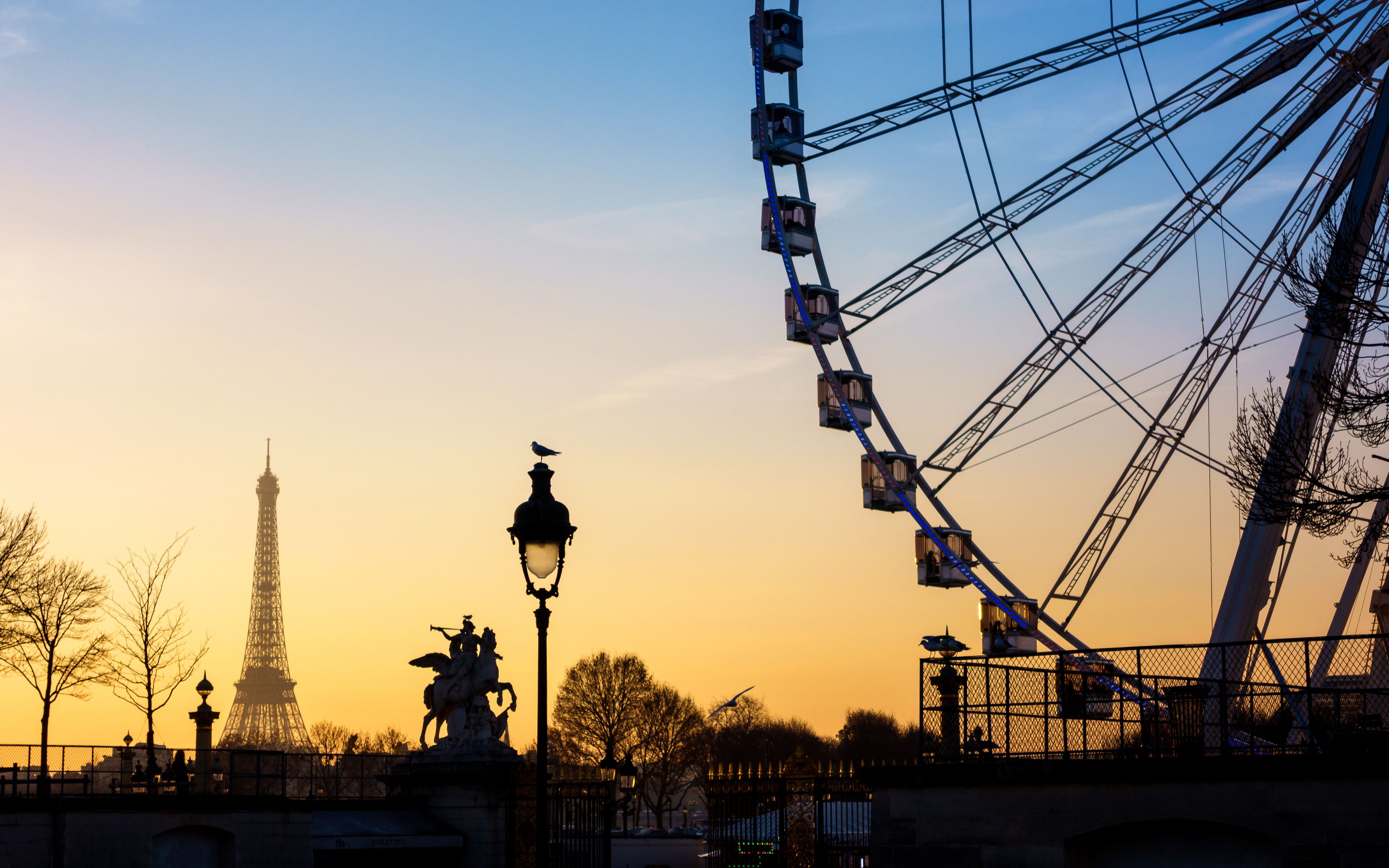
Walking is the most rewarding way to experience central Paris, and the distances are more manageable than the map suggests. The walk from Notre-Dame on the Île de la Cité to the Eiffel Tower along the Left Bank takes around 50 minutes at a comfortable pace and passes through some of the finest urban streetscapes in Europe: the bouquiniste booksellers on the quays, the Musée d'Orsay, the Tuileries garden, and the Pont de l'Alma.
From the Louvre to Montmartre is around 35 minutes on foot via the Grands Boulevards. The Marais on the 3rd and 4th arrondissements and Saint-Germain-des-Prés in the 6th arrondissement are best explored at a walking pace that allows for window shopping, café stops, and the discovery of side streets not marked on any map. Comfortable, flat-soled shoes are essential — the cobbled streets of Montmartre and the Marais can be tiring in anything but sensible footwear.
The Paris Métro operates 16 lines covering the entire city and runs from approximately 5:30am to 1:15am from Monday to Thursday (until 2:15am on Fridays and Saturdays). A single ticket covers one journey on the metro, bus, and tram within zones 1 and 2, which covers all of the central arrondissements. The most economical option for visitors is the Navigo Easy card, a rechargeable contactless card available from metro station ticket machines, which can be loaded with carnets of 10 tickets at a significant discount over single fares.
A day pass (Billet Île-de-France Journée) is available for unlimited travel across zones 1 to 5 and covers the RER trains to Versailles, CDG airport, and Disneyland Paris. The most useful metro lines for visitors are Line 1 (east–west along the Right Bank, connecting the Louvre, Champs-Élysées, and the Eiffel Tower area), Line 4 (north–south, connecting Montmartre with Saint-Germain and Montparnasse), and the RER B and C (connecting the mainline stations with the suburbs).
Paris's public bike-share system, Vélib' Métropole, operates around 20,000 standard and electric bikes across 1,400 stations throughout the city and inner suburbs. A short-use ticket valid for 45 minutes is available from the Vélib' app or station terminals, making it a practical and enjoyable option for short cross-city journeys. The flat terrain along the Seine and in the central arrondissements is well-suited to cycling, and several traffic-free cycling routes follow the river banks on both sides.
There is genuinely no bad time to visit Paris, and each season has its own character and rhythm.
The tourist high season runs from June through September, while the most atmospheric and arguably most Parisian times to visit are spring (April to June, before the summer peak) and autumn (September to November, when the city returns to its everyday pace after August).
August is a peculiar month: many Parisians leave the city entirely on holiday, some neighbourhood restaurants and shops close, and the city fills with tourists.
Daytime temperatures in March typically range from 8–14°C, rising to 16–21°C by May. Paris in spring is the Paris of popular imagination: chestnut trees in blossom along the Grands Boulevards, café terraces re-opening after winter, the Luxembourg and Tuileries gardens coming into colour.
The queues at major attractions are shorter than in summer, and accommodation prices have not yet reached their peak. The Paris Marathon, held in April, and the French Open tennis at Roland Garros, which begins in late May, are the major spring events.
Perfect for: visiting the Louvre and Eiffel Tower with shorter queues, walking the Seine quays and gardens in blossom, and getting the best hotel rates before the summer peak.
Temperatures reach 24–28°C on warm July days, though the city is built of dense stone that retains heat and can feel oppressive during heatwaves, which are becoming more frequent. The Fête de la Musique on 21st June turns the entire city into a free music festival, with performances on every street corner.
Bastille Day on 14th July brings the world's most spectacular military parade down the Champs-Élysées, followed by fireworks at the Eiffel Tower. Paris Plages, running from mid-July through mid-August, transforms the Right Bank quays into temporary beaches with sand, deckchairs, and outdoor activities.
Perfect for: Bastille Day and Paris Plages, long evenings on café terraces, the Versailles gardens in full summer display, and the city's festivals and outdoor events.
September and October are many regular Paris visitors' preferred months. The summer tourists have thinned out, the Parisians have returned from their August holidays, the city is operating at full pace, and the combination of autumnal light and turning leaves in the parks creates some of the most beautiful conditions of the year.
The Paris Autumn festival (Festival d'Automne) runs from September through December, bringing contemporary theatre, dance, and music to venues across the city. October temperatures drop to around 12–18°C, so we suggest packing a mid-weight jacket.
Perfect for: the Musée d'Orsay and smaller museums without summer crowds, the Marais at its most atmospheric, the Festival d'Automne, and the best restaurant availability of the year.
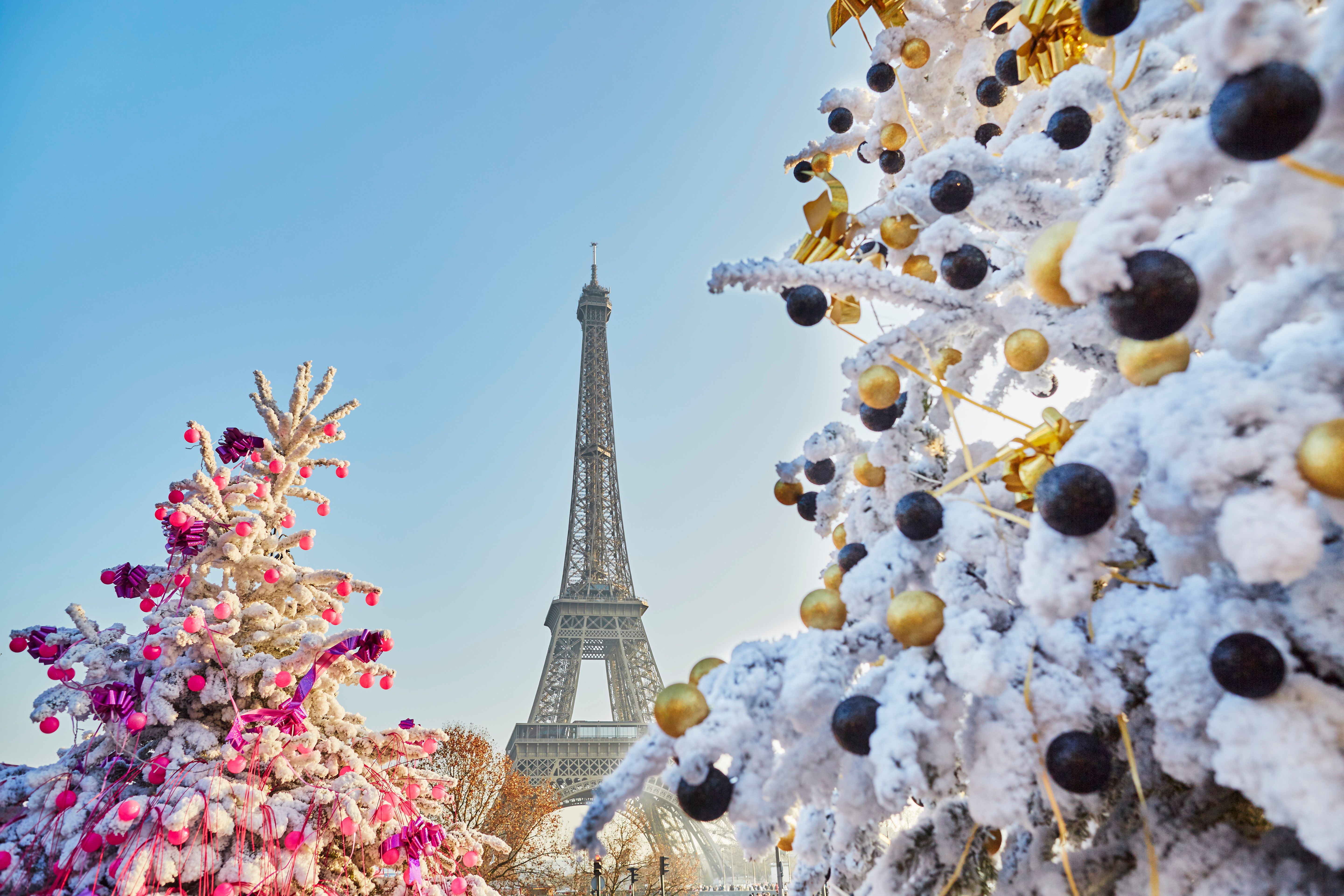
Winter temperatures typically range from 3–8°C, with occasional light snow that transforms the city into something extraordinary for a day or two each year. December is dominated by the Christmas markets along the Champs-Élysées and in the Tuileries garden, and the city is decorated and illuminated throughout the month.
January and February are the quietest and most affordable months. Hotel rates drop significantly, the major museums can be visited without queuing, and you encounter the city at its most genuinely local. The fashion weeks in late January (menswear) and late February (Haute Couture) bring a different kind of energy to the city for those interested in that world.
Perfect for: the major museums without queues, the Christmas markets and December illuminations, the lowest accommodation prices of the year, and experiencing Paris at its most everyday and authentic.
Paris contains more world-class attractions than can be covered in a single visit — most regular visitors return year after year and still find new things to discover.
A first visit should prioritise the monuments and museums on the Île de la Cité and along the Seine, while leaving time for its most famous neighbourhoods like the Marais, Montmartre, Saint-Germain and the Canal Saint-Martin.
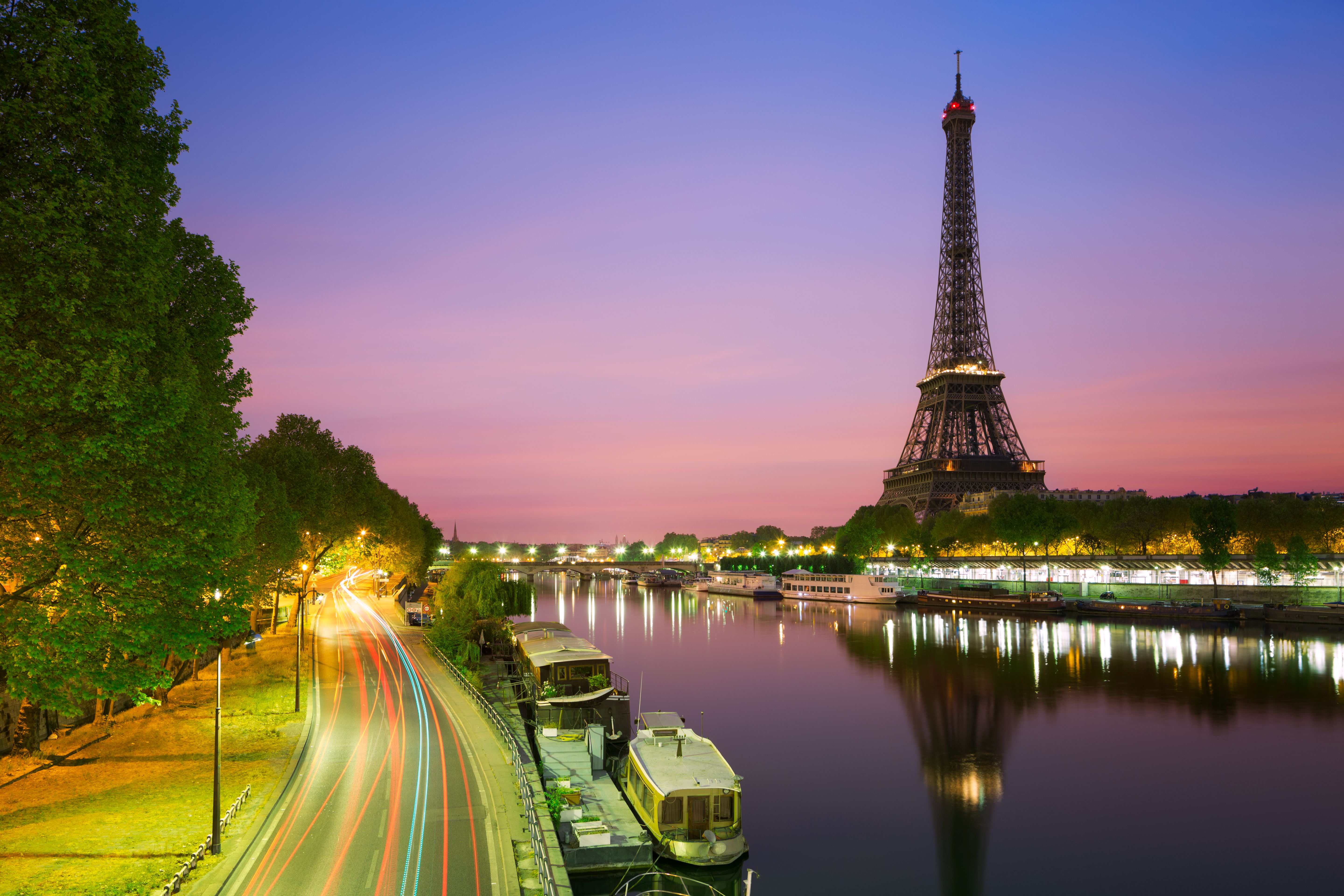
Gustave Eiffel's iron lattice tower, built for the 1889 World Fair and originally intended as a temporary structure, has become the most recognisable landmark in the world. At 330 metres, it remained the tallest manmade structure on earth for 41 years. The tower has three public levels: the first floor at 57 metres, which is accessible by steps or lift, with a glass floor section and exhibition on the tower's history, the second floor at 115 metres, the best viewing level for photography, with the closest approach to the Champ de Mars below, and the summit at 276 metres, with views across the Île-de-France on clear days.
Queue times for the lift to the summit can exceed 2 hours during the summer, so booking timed-entry tickets online at least 60 days in advance is essential in July and August. The tower is also illuminated after dark and sparkles for 5 minutes on the hour every hour from dusk to 1am, visible from the Trocadéro, the Champ de Mars, and from much of central Paris and is entirely free to watch.
The Louvre is the largest art museum in the world and one of the most visited buildings in the world, with around 9 million people passing through the glass pyramid each year. Its collection spans 35,000 exhibited works, ranging from ancient Mesopotamian and Egyptian artefacts to 19th-century European painting and sculpture. The undisputed highlights are the Mona Lisa by Leonardo da Vinci, the Venus de Milo, and Winged Victory of Samothrace, but the museum's collection of French painting is equally extraordinary and far less crowded.
The Louvre is open every day except Tuesday. Timed-entry tickets must be booked in advance via the official website. Allow at minimum half a day; a full day is insufficient to see everything. The best strategy for a first visit is to choose three or four rooms or galleries in advance rather than attempting a comprehensive tour.
Notre-Dame de Paris, the Gothic cathedral on the Île de la Cité, began in 1163 and was completed around 1345. It was reopened to the public in December 2024, following five years of restoration after the devastating fire of April 2019 that destroyed the spire and much of the roof.
The restoration has returned the cathedral to its full splendour, with the interior cleaned and illuminated to a standard not seen for generations. The 69-metre nave, the spectacular rose windows, and the view from the towers across the Île de la Cité and the Seine are all once again accessible to visitors. Timed-entry tickets are required and should be booked well in advance via the official Notre-Dame website. Entry to the cathedral itself is free, though the towers require a separate ticket.
Housed in the spectacular Beaux-Arts former railway station of Orsay on the Left Bank, the Musée d'Orsay holds the largest collection of Impressionist and Post-Impressionist art in the world. Monet, Renoir, Degas, Pissarro, Cézanne, Van Gogh, Gauguin, Seurat, and Toulouse-Lautrec are all represented with major works — the Van Gogh room alone is one of the most remarkable single rooms in any museum in the world.
Unlike the Louvre, the Orsay is a manageable size: most visitors can see the highlights in 2 to 3 hours without rushing. The rooftop café, positioned within the original station clock face, offers one of the finest views across the Seine to the Tuileries and the Louvre. The museum is open every day except Monday, and must be booked in advance during the high season.
Built by Louis IX between 1242 and 1248 to house his collection of Christian relics, including what was believed to be the Crown of Thorns, Sainte-Chapelle is the most perfectly preserved Gothic chapel in France and one of the most astonishing interiors in Paris. The upper chapel is entirely enclosed by 15 floor-to-ceiling windows of 13th-century stained glass, covering 600 square metres of biblical narrative in deep reds, blues, and golds.
Located on the Île de la Cité within the Palais de Justice complex, a 5-minute walk from Notre-Dame. We recommend booking your tickets in advance. Entry costs around €13 and is free for EU residents under 26. Classical music concerts are held here regularly in the evenings throughout the year.
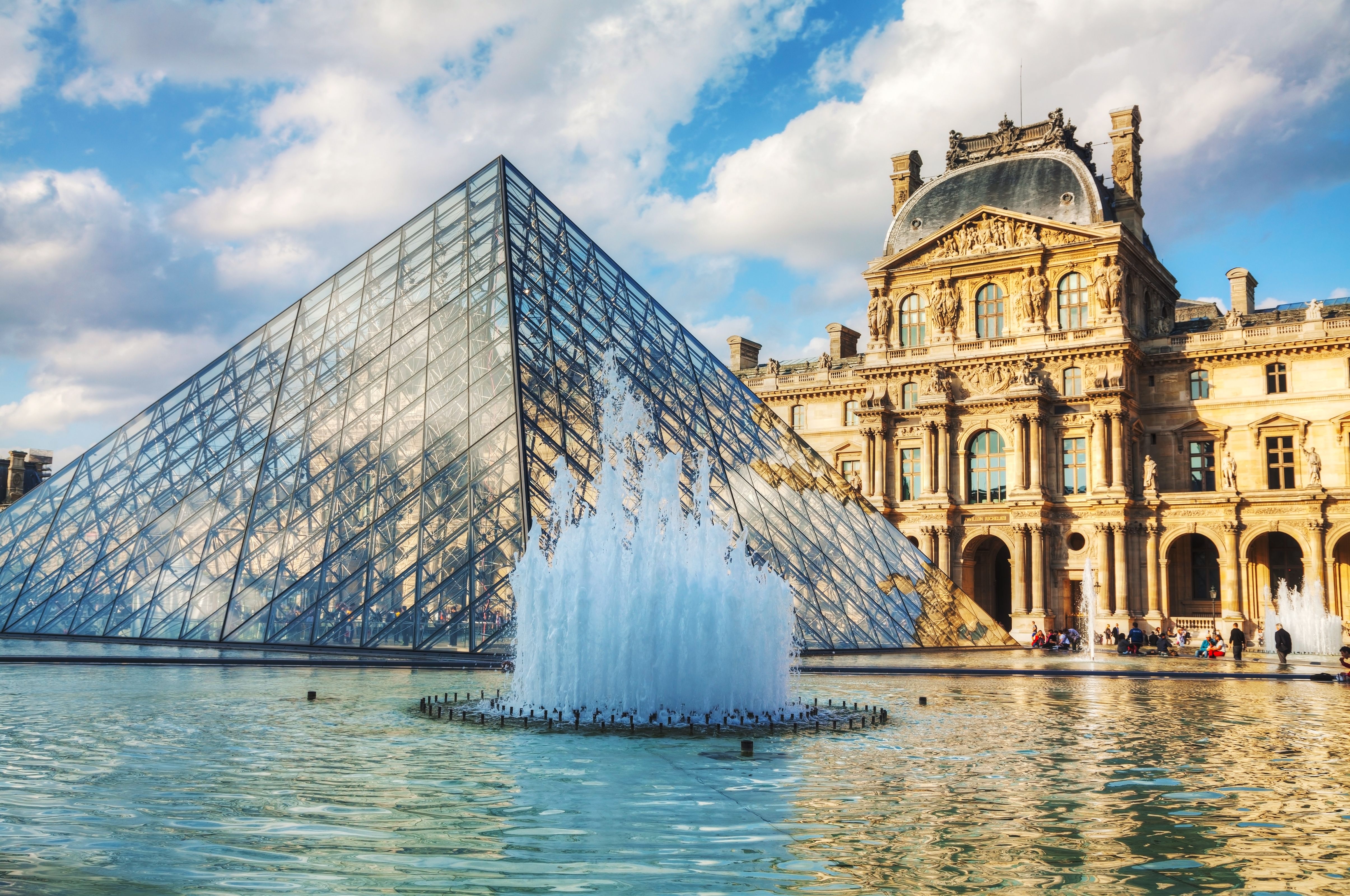
The city's parks and riverside provide extensive outdoor space within easy reach of the monuments. The Tuileries garden, running between the Louvre and the Place de la Concorde, is the classic Parisian formal garden, with gravel paths, sculpted lawns, and statues.
The Jardin du Luxembourg in the 6th arrondissement, surrounding the Palais du Luxembourg (now the French Senate), is the most beloved park on the Left Bank and is consistently ranked among the most attractive urban green spaces in Europe, with its octagonal pond, orchard, apiary, and tennis courts used by residents of all ages. The Bois de Boulogne to the west and the Bois de Vincennes to the east offer cycling, boating, and walking at a scale unavailable within the central arrondissements.
A Seine river cruise, departing from the Pont d'Iéna near the Eiffel Tower, is one of the best introductory experiences Paris offers, covering the main monuments from the water for over 1 hour at a cost of around €17. The view of Notre-Dame from the river, the Conciergerie and the spires of the Sainte-Chapelle, and the Musée d'Orsay seen from the centre of the stream are all substantially better from the water than from the bank.
Paris Plages, running from mid-July to mid-August, transforms the Right Bank quays into a kilometre of temporary beach, with sand, deckchairs, outdoor showers, and organised activities. For longer walks, the converted Canal Saint-Martin in the 10th arrondissement offers 4.5km of tree-lined towpath between iron footbridges and lock gates, with cafés and independent shops along the banks.
Beyond the Louvre, d'Orsay, and Sainte-Chapelle, Paris has a density of museum provision unequalled anywhere. The Centre Pompidou in the 4th arrondissement holds Europe's largest collection of modern and contemporary art, including major works by Matisse, Picasso, Duchamp, Kandinsky, and Warhol, in a building whose architectural structure is itself one of the most discussed of the 20th century.
The Musée Rodin in the 7th arrondissement, set in a beautiful 18th-century hôtel particulier with a sculpture garden, contains the most complete collection of Rodin's work anywhere, including The Thinker, The Gates of Hell, and The Kiss. Alternatively, the Musée Picasso in the 3rd arrondissement in the Marais holds the largest public collection of Picasso's work in the world, donated to the French state instead of inheritance tax.
The Palais Royal gardens on the 1st arrondissement, with their collonaded arcades and boutiques, are one of the most civilised public spaces in the city and remain largely overlooked by tourists. The Père Lachaise cemetery (20th arrondissement) contains the graves of Chopin, Proust, Balzac, Molière, Oscar Wilde, Jim Morrison, Édith Piaf, and Gertrude Stein, among many others, and is one of the most atmospheric places in the city.
Paris is one of the best cities in the world for bad weather. The Louvre alone provides a full day of dry exploration regardless of conditions outside. The covered passages of the 2nd arrondissement — Galerie Vivienne, Galerie Véro-Dodat, Passage des Panoramas — are 19th-century glass-roofed shopping arcades ideal for an atmospheric rainy afternoon, with antiquarian bookshops, vintage dealers, and old-fashioned cafés under their iron-and-glass roofing.
For families, the Cité des Sciences et de l'Industrie at La Villette is one of Europe's finest science museums, with interactive exhibits across multiple floors and a dedicated children's section. Le Grand Rex on the Grands Boulevards is Paris's most architecturally spectacular cinema, with Art Deco interiors and the largest screen in France.
Palace of Versailles (25km south-west): The palace built by Louis XIV from 1661 onwards is the largest royal residence in Europe, with 700 rooms and gardens stretching 800 metres from the central facade. The Hall of Mirrors, the royal apartments, the Grand Trianon, and the garden fountains are all worth the half-day visit. Take the RER C from Paris to Versailles-Château-Rive Gauche and arrive in approximately 40 minutes. We strongly suggest booking timed-entry tickets online in advance and arriving at opening time to avoid the security queue.
Giverny (80km north-west): Claude Monet lived and painted in the village of Giverny from 1883 until he died in 1926, and his house and garden — including the water lily pond and Japanese bridge that appear in the most famous series of paintings in the Impressionist canon — are open to visitors between April to October. Take the train from Paris Saint-Lazare to Vernon for 1 hour and 15 minutes, followed by a shuttle bus or bicycle hire for the final 5km. Please note that the garden is at its most spectacular in May and June.
Chartres (90km south-west): The Gothic cathedral of Chartres possesses the most complete original medieval stained-glass programme of any Gothic church in the world, with 176 windows, covering 2,600 square metres, almost entirely intact from the 12th and 13th centuries. It is arguably the finest achievement of Gothic architecture in France. The train from Paris Montparnasse takes around 1 hour.
Reims (145km north-east): The cathedral city in Champagne where the kings of France were crowned for nine centuries, with one of the finest Gothic facades in Europe and extraordinary 20th-century stained glass by Marc Chagall in the axial chapel. The champagne houses of Reims offer cellar tours and tastings in the chalk caves beneath the city. The TGV from Paris Est takes around 45 minutes.
The Marais in the 3rd and 4th arrondissements is Paris's most historic neighbourhood, a dense grid of 17th-century hôtels particuliers, now housing museums, galleries, boutiques, and restaurants, with the Place des Vosges at its centre. It is also the heart of the Jewish quarter on and around Rue des Rosiers, and the city's LGBTQ+ social centre. The Marais is at its best on Sunday mornings when the streets are still relatively quiet.
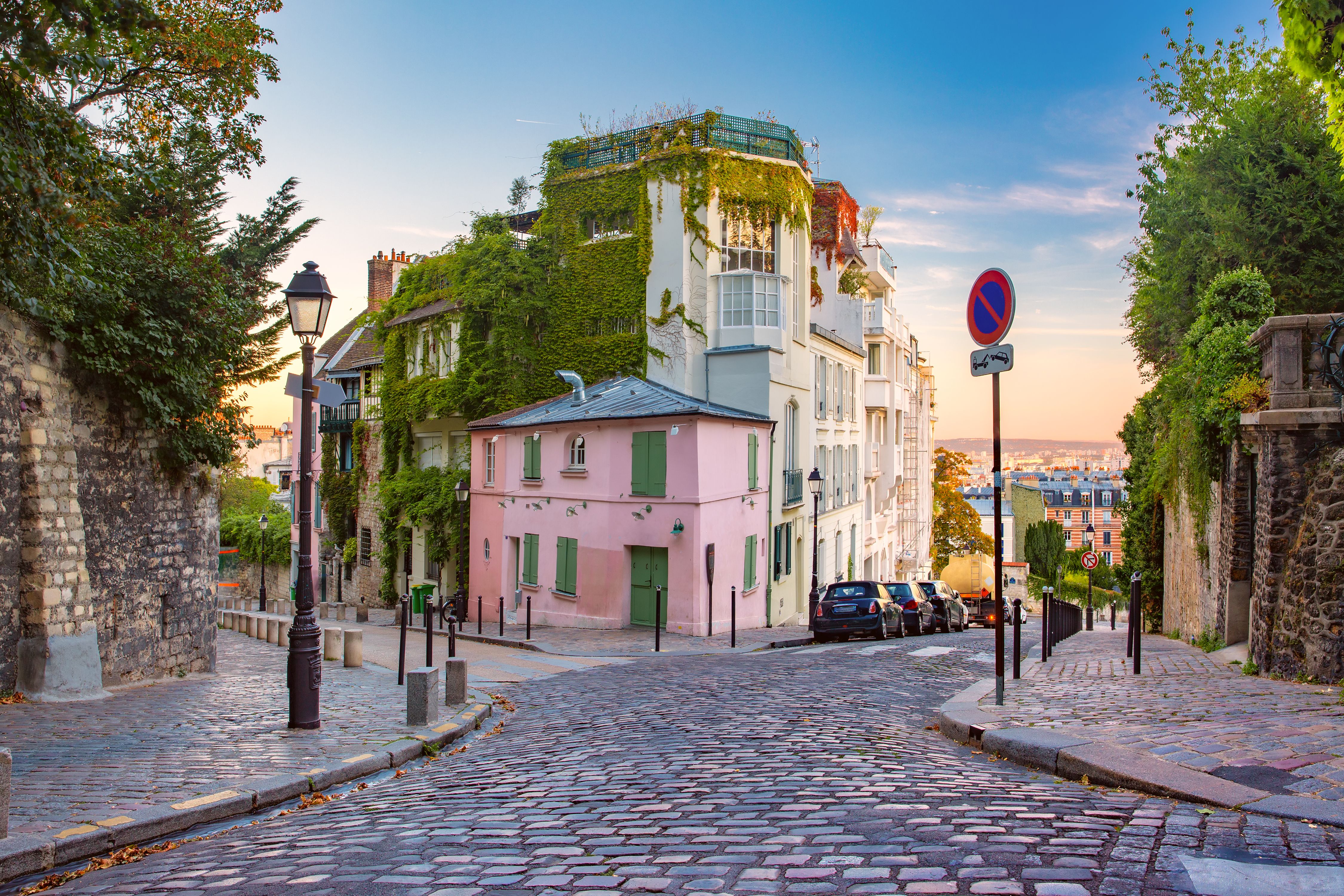
Montmartre, in the 18th arrondissement, is built on the only significant hill within the city limits, a 130-metre butte whose winding lanes, vineyards, windmills, and the white-domed Sacré-Cœur basilica at its summit give it a character unlike anywhere else in Paris. Please note that the tourist crowds around Place du Tertre are usually sizeable; the reward for walking five minutes away into the residential streets of the northern slope is a neighbourhood that retains something of the bohemian artists' village it was in the early 20th century.
The Canal Saint-Martin in the 10th arrondissement is the most lively neighbourhood in Paris, lined with independent coffee shops, bookshops, vintage dealers, and natural wine bars on both sides of the canal. It is at its best on Sunday mornings when the towpath is closed to traffic and fills with a leisurely mix of cyclists, dog-walkers, and brunch-goers.
Paris is an excellent family destination with attractions designed for a wide range of ages. The Cité des Sciences et de l'Industrie at La Villette is the best family science museum in France, with interactive exhibits, a planetarium, and a dedicated children's museum for under-12s. Disneyland Paris, 32km east of the city and accessible via the RER A, is the most visited theme park in Europe.
The natural history museum's Grande Galerie de l'Évolution in the Jardin des Plantes houses a dramatic parade of life-sized taxidermy animals walking the length of the central nave. Alternatively, the Musée de la Magie on the 4th arrondissement is a small and atmospheric magic museum in a 16th-century cellar, with live conjuring shows at weekends.
Several of Paris's best experiences are free or very low-cost. Notre-Dame Cathedral, Musée Carnavalet, the Musée Cognacq-Jay, and the Petit Palais are all free to enter and are among the finest attractions in the city. All national museums in France are free for EU residents under 26 and for all visitors on the first Sunday of each month, though major museums are excluded in peak season.
The Eiffel Tower light display, the Luxembourg and Tuileries gardens, and the Père Lachaise cemetery are all free experiences. When it comes to food, a crêpe from a street vendor near Notre-Dame costs around €3 to 4, while a baguette sandwich from a boulangerie costs around €4 to 5. For cheap public transport, a carnet of 10 metro tickets bought in advance represents significant savings over single tickets and is the most cost-effective way to use public transport.
The Promenade Plantée in the 12th arrondissement is a 4.5km elevated walkway built on a disused 19th-century railway viaduct, running from the Bastille opera house to the Bois de Vincennes through a continuous garden of roses, bamboo, and climbing plants — the original inspiration for New York's High Line, and far less visited.
The Musée de la Chasse et de la Nature in the 3rd arrondissement is free to enter and is one of the strangest and most absorbing small museums in Paris: hunting art and wildlife specimens arranged in the rooms of a 17th-century Marais mansion with a decidedly surrealist curatorial sensibility. The Cour du Commerce Saint-André in the 6th arrondissement is an 18th-century pedestrian passage running between Saint-Germain-des-Prés and the Odéon, with cobblestones and a section of the Philippe Auguste city wall still visible at one end.
Paris is one of the great food cities of the world, and its cuisine is defined less by a single regional identity than by an extraordinary density of quality across every category and price point. The foundational Parisian food experiences are the breakfast croissant from the local boulangerie, the steak frites or entrecôte at a classic zinc-topped bistro, the soupe à l'oignon gratinée at a late-night brasserie, and the glass of house Burgundy at a counter in Les Halles.
Onion soup, duck confit, beef bourguignon, and croque monsieur are the pillars of the Parisian bistro tradition. Steak tartare is served at almost every traditional brasserie and is an essential experience for the adventurous visitor.
The city's bakery culture runs extremely deep: the classic Parisian baguette tradition received UNESCO Intangible Cultural Heritage status in 2022, and the annual Grand Prix de la Baguette de Paris crowns the best baguette in the city each year, with the winner supplying the Élysée Palace for the following year.
The best neighbourhood bakeries — Poilâne in Saint-Germain, Du Pain et des Idées near the Canal Saint-Martin, and Utopie in the 11th — are worth travelling across the city for. For wine, the cave à manger has become the defining casual dining format of contemporary Paris. Those found around the Bastille, in the 11th, and on the Rue de Bretagne in the 3rd represent the city at its most convivially Parisian.
Paris has accommodation to suit every budget and travel preference. The 1st, 4th, 6th, 7th, and 8th arrondissements put you within walking distance of the major monuments and contain the widest choice of luxury and boutique hotels, though they are also the most expensive.
The 10th, 11th, and 2nd arrondissements offer a wide range of well-located mid-range options with excellent metro connections and proximity to the city's most interesting neighbourhood life. Budget travellers are best served by the hostels and two-star hotels of the 10th, 11th, and 13th arrondissements, where prices are substantially lower than in the central tourist zones while metro connections remain excellent.
Self-catering apartments are the best value option for stays of four nights or more, particularly for families or groups, and give access to the neighbourhood markets and boulangeries that define everyday Parisian life. You can book your accommodation via our accommodation page or directly with properties for the best rates. In July, August, and during Fashion Week, accommodation throughout Paris books out very quickly and prices peak, so please reserve at least two to three months in advance.
Paris rewards both planning and spontaneity. The city is dense enough that a wrong turn almost always leads to something interesting. For UK visitors, the most practical route combining value and flexibility is to take a ferry to Calais, Dieppe, Le Havre, or Caen and drive or train into the city.
Those travelling without a car will find the Eurostar the simplest option. Allow a minimum of three days for a first visit, though five to seven days is more comfortable for covering most of the major monuments.
Duration: 2–3 days
Arrive in Paris and check in. Spend the afternoon on the Île de la Cité: Notre-Dame cathedral, then walk five minutes to Sainte-Chapelle for the stained glass. Cross the Pont Saint-Louis to the Île Saint-Louis for a Berthillon ice cream on the quay. Walk west along the Left Bank quay past the bouquinistes to the Musée d'Orsay for a late-afternoon visit to the Impressionist rooms. Have dinner in the 7th or 6th arrondissement, like a traditional bistro with steak frites and a carafe of house Burgundy.
Arrive at the Louvre at 9am and allow 3 hours for the highlights: the Mona Lisa, Venus de Milo, Winged Victory, and a selection of the French paintings. Enjoy lunch on the terrace of the Palais Royal gardens. Spend the afternoon in the Marais: the Place des Vosges, a walk along Rue des Francs-Bourgeois, and a visit to the Musée Picasso or Musée Carnavalet. Finish the day at the Eiffel Tower, with a timed entry for the second-floor level at dusk, then watch the sparkling display from the Champ de Mars at 10pm with a bottle of wine.
In the morning, walk up the Butte, visit the Sacré-Cœur, explore the lanes of the northern slope, and have brunch at a café on Rue Lepic. Afternoon at the Centre Pompidou or the Musée de Cluny before heading to the Gare du Nord or a Channel port for the return home via the Calais to Dover ferry or Dieppe to Newhaven ferry.
Why we love it: This itinerary covers essential Paris while leaving enough time to take in the city properly rather than simply ticking off monuments. Taking the ferry via Dover to Calais or Newhaven to Dieppe with a car gives you the freedom to stop in Normandy on the way and to return at your own pace.
Duration: ~5 days
Arrive via the Portsmouth to Caen overnight ferry and drive 2 hours and 15 minutes to Paris. Check in and spend the afternoon walking the Seine quays from Notre-Dame to the Eiffel Tower. Evening dinner in the Marais.
Spend a full morning at the Louvre, arriving at 9am. Afternoon: Sainte-Chapelle and Notre-Dame on the Île de la Cité. Evening: Eiffel Tower at dusk with pre-booked timed entry, followed by the sparkling light display from the Champ de Mars.
Arrive at the Musée d'Orsay for 9:30am and explore the Impressionist collection. Afternoon: walk through Saint-Germain-des-Prés, visit the Luxembourg Gardens, and explore the Latin Quarter around the Sorbonne and the Musée de Cluny. Evening: dinner at a cave à manger in the 11th arrondissement.
Take a day trip to Versailles via the RER C from Invalides. Arrive early for the Hall of Mirrors and royal apartments, then spend the afternoon in the gardens and the Grand Trianon. Return to Paris for dinner.
Morning in Montmartre — Sacré-Cœur, the vineyard, and the lanes of the northern slope. Afternoon at the Centre Pompidou or the Promenade Plantée elevated walkway. Drive back to your chosen ferry port — Caen for the Caen to Portsmouth ferry, Dieppe for the Dieppe to Newhaven ferry, or Calais for the Calais to Dover ferry.
Why we love it: Five days is the minimum comfortable length for a first Paris visit, with enough time to cover the major monuments and museums without rushing. The flexibility of arriving by ferry with a car means you can factor in a night or two in Normandy on either end of the trip, building a broader French itinerary around the capital.
There is no direct ferry to Paris, but several UK ferry routes provide excellent access to the city. The Dover to Calais ferry, operated by P&O Ferries and DFDS Seaways, is the shortest and most frequent crossing and puts you around 3 hours from Paris by car or 1 hour and 40 minutes by TGV from Calais.
The Newhaven to Dieppe ferry offers a scenic route, with Paris around 2 hours and 30 minutes away by road. The Portsmouth to Caen ferry and the Portsmouth to Le Havre ferry, both operated by Brittany Ferries, offer comfortable overnight crossings with on-board cabins, arriving around 2 hours from Paris. You can compare all routes by using our Deal Finder.
A car is not necessary in Paris and is actively inconvenient for sightseeing in the city centre as parking is expensive, traffic can be slow, and the metro and walking cover all the major attractions more efficiently. A car is useful for the drive from the ferry port to Paris and for day trips to Giverny, Chartres, and Reims.
The most practical arrangement for many visitors is to take the Portsmouth to Caen ferry with a car, spend a night or two in Normandy, drive to Paris, explore the city by metro for two to three days, and then drive back to a Channel port in their own time.
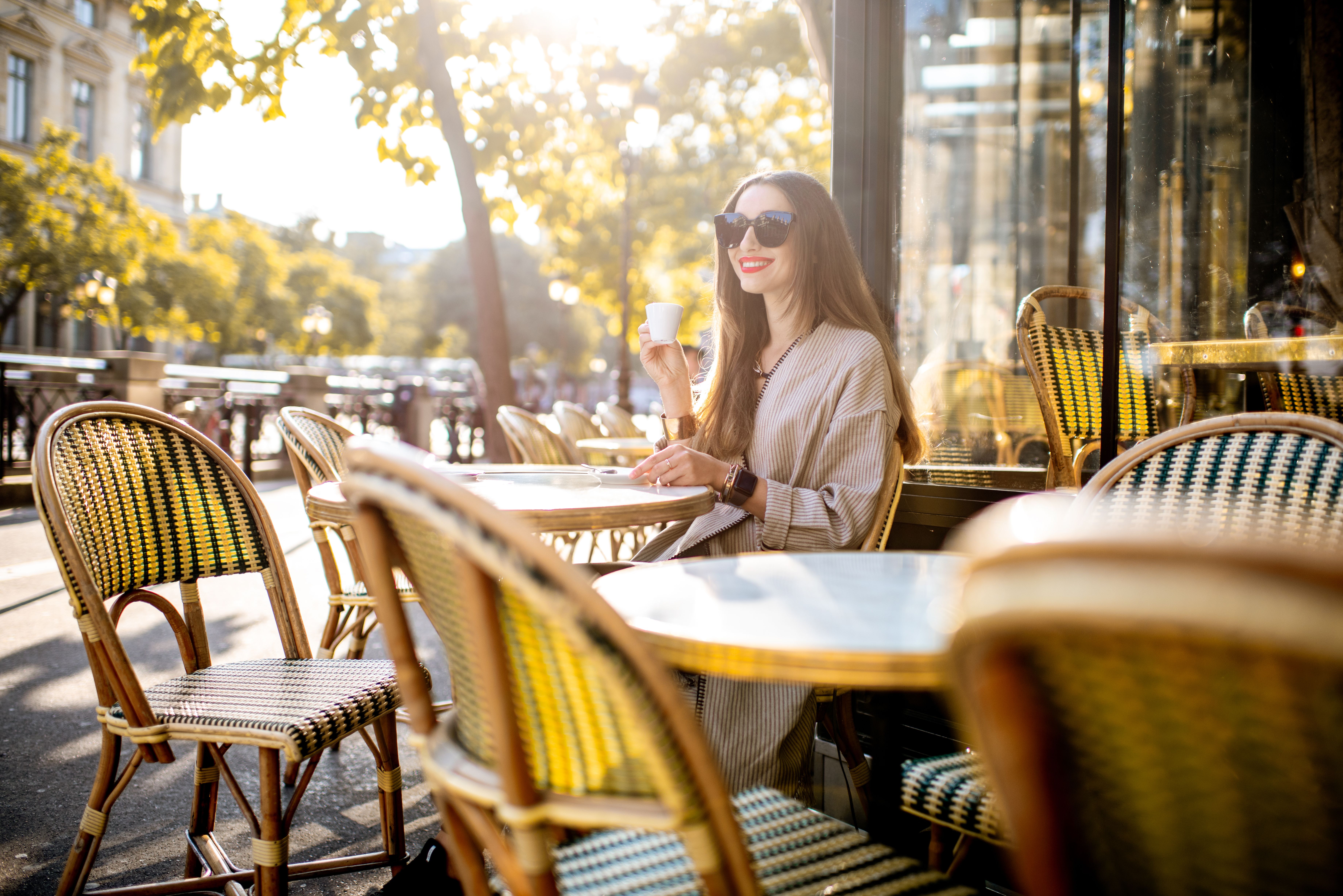
The Paris metro is the fastest way to cross the city. We recommend buying a Navigo Easy card loaded with a carnet of 10 tickets, as it’s the best value transport option. The city operates on a slower café pace than London. Ordering and receiving a coffee at a Parisian café counter is not intended to be a rapid transaction, and rushing it misses the point entirely. Euros are the currency throughout France, and card payments are accepted almost everywhere in Paris, though some market stalls and very small neighbourhood shops remain cash only.
More routes than anyone else.

Compare fares, times & routes in one place.
Change plans easily with flexi tickets.

Book e-tickets & manage trips in-app.
Live ship tracking & real-time updates.

Top-rated customer support when you need it.