Things to Do in England
Things to Do in England
Part of the United Kingdom, England is a diverse and exciting destination known for its iconic sights, timeless traditions and beautiful landscapes. Whether visiting royal landmarks, dancing at famous festivals, hiking through the countryside, or relaxing on the coast, England offers something for every kind of traveller.
Read on to discover more about England and how to make the most of your visit.
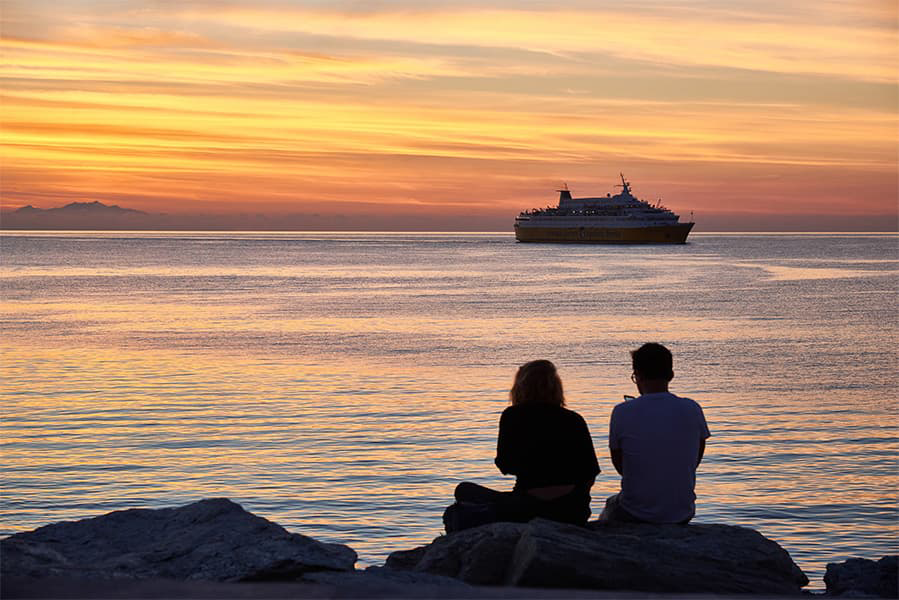
Tip: Make your trip to England even better by hopping on a ferry and exploring nearby destinations such as the Isle of Wight, Ireland, the Channel Islands or even France – your opportunities are endless!
For its relatively small size, England has so much to offer - from centuries-worth of history to a vibrant cultural calendar and breathtaking natural beauty. It’s a place where past meets present, with age-old pubs and historical landmarks just a stone’s throw from modern galleries and stylish restaurants. Its lively cities are full of exciting attractions.
In the south, London tends to steal the spotlight, with iconic attractions like Buckingham Palace and Big Ben. But beyond the capital, cities such as York with its medieval charm, Bath, famed for its Roman ruins, and Manchester, known for its industrial heritage and thriving music scene, each offer their own distinct character.
England isn’t all about big cities, though. Along the southern coastline, destinations such as Cornwall, Dorset and Devon entice visitors with their golden sands, shallow waters and charming seaside towns. Inland, the scenery is just as picturesque - from the honey-coloured cottages of the Cotswolds in south-central England to the rugged landscapes of the Peak District in the Midlands, and the lush greenery of the Lake District and Yorkshire Dales in the north.
England is a great destination all year round, with each season offering something different. From spring’s blooming landscapes to summer’s lively festivals, autumn’s golden light and winter’s festive traditions, there’s always something to enjoy.
Spring is a great time to visit England. With days getting longer and the weather warming up, there’s a sense of excitement and optimism in the air. Temperatures usually range between around 10°C degrees in March to 18°C degrees in May, making it a great time for exploring national parks like the Lake District or Peak District. The weather in spring can be very changeable, especially in the north, where showers are more frequent, so don’t forget your waterproofs and layers.
England’s landscapes in spring are beautiful, with colourful flowers such as bluebells and daffodils blooming across lush rolling hills, making regions like the Yorkshire Dales and the Cotswolds extra picturesque.
In the cities, outdoor life is just beginning again, especially in London, which usually sees warmer temperatures than northern cities. People are starting to enjoy the parks and sip coffee on outdoor terraces. With the summer crowds yet to arrive and with milder weather, spring is the perfect time to explore London’s attractions too.
Personal recommendation: visit the Chelsea Flower Show with its beautiful displays of colourful flowers.
Summer is when England comes alive. With long daylight hours and warm temperatures - usually between 18°C and 25°C - it’s the perfect season for outdoor adventures. The south east tends to be the warmest and driest region, whilst the north is cooler with more of a chance of a shower or two.
Don’t forget to pack your SPF and a light layer for cooler evenings. Thanks to the weather, summer is ideal for exploring England’s beautiful coastline, especially the beaches along the south west coast. Places like Cornwall and Devon are particularly popular, with sandy beaches and refreshing sea breezes.
Cities all over the country, from London to York, Manchester and Newcastle, are at their most lively. Restaurants and bars spill out onto the streets, outdoor food markets are packed with people, and festival season is underway. Whether it’s music festivals like Glastonbury or sporting events like Wimbledon, there’s always something going on in London in summer.
Personal recommendation: enjoy strawberries and cream at a Wimbledon match for a true English summer experience.
With the summer crowds disappearing, Autumn is a quieter time to visit England. Prices are often cheaper too, making it a great season for a budget-friendly break. Temperatures gradually cool from September to November, generally ranging between 10°C and 18°C. The weather can change quickly, so we’d recommend layers and a waterproof jacket, especially in the north.
The countryside is at its most picturesque in autumn as landscapes transform from lush greens to rich golds and reds. The milder temperatures and stunning scenery make it a great time for relaxing walks in the Cotswolds or hikes in the Peak District. Coastal regions, although windier, are more peaceful at this time of year, too.
In the cities, autumn brings a cosy atmosphere with shorter days and darker nights. Cafés and pubs serve hearty, warming dishes, whilst harvest festivals offer a glimpse of local life and seasonal traditions.
Personal recommendation: hike to Mam Tor in the Peak District at sunset for stunning panoramic views.
Winter in England is all about dramatic landscapes and fun festivities. Many destinations are quieter, making it a great time to visit popular sights without the summer crowds. Christmas is big all over the country with festive markets, twinkling lights, ice rinks, and carol services bringing a magical atmosphere to cities and towns.
The chance of snow makes it even more magical - it’s more likely in northern and upland areas, although with average daytime England’s landscapes are especially striking in winter, with snow-capped peaks in the Lake District, frosty hills in the Cotswolds and moody skies along the coast - it’s great for cosy, crisp winter walks with historic pubs offering refuge with roaring fires and hearty roast dinners. As for the cities, they’re also lively in winter.
Most host festive events, along with theatre performances and Christmas concerts.
Personal recommendation: Visit Stonehenge during the winter solstice for a truly unique experience.
London is home to countless must-see attractions. From the Tower of London to Buckingham Palace, Big Ben and the Houses of Parliament, you can’t visit England without making a trip to the vibrant capital city. Beyond the iconic landmarks, you’ll also find world-class museums, vibrant markets, and diverse neighbourhoods bursting with culture.
Outside of London in Berkshire, you’ll find Windsor Castle, the oldest and largest occupied castle in the world. Founded by William the Conqueror in the 11th century, it’s now an important royal residence. You can explore the state apartments and St George’s Chapel (Gothic architecture). Gives you a glimpse into royal life/the monarchy. Admire the grandeur of the State Apartments with their works of art. Beautiful setting, too.
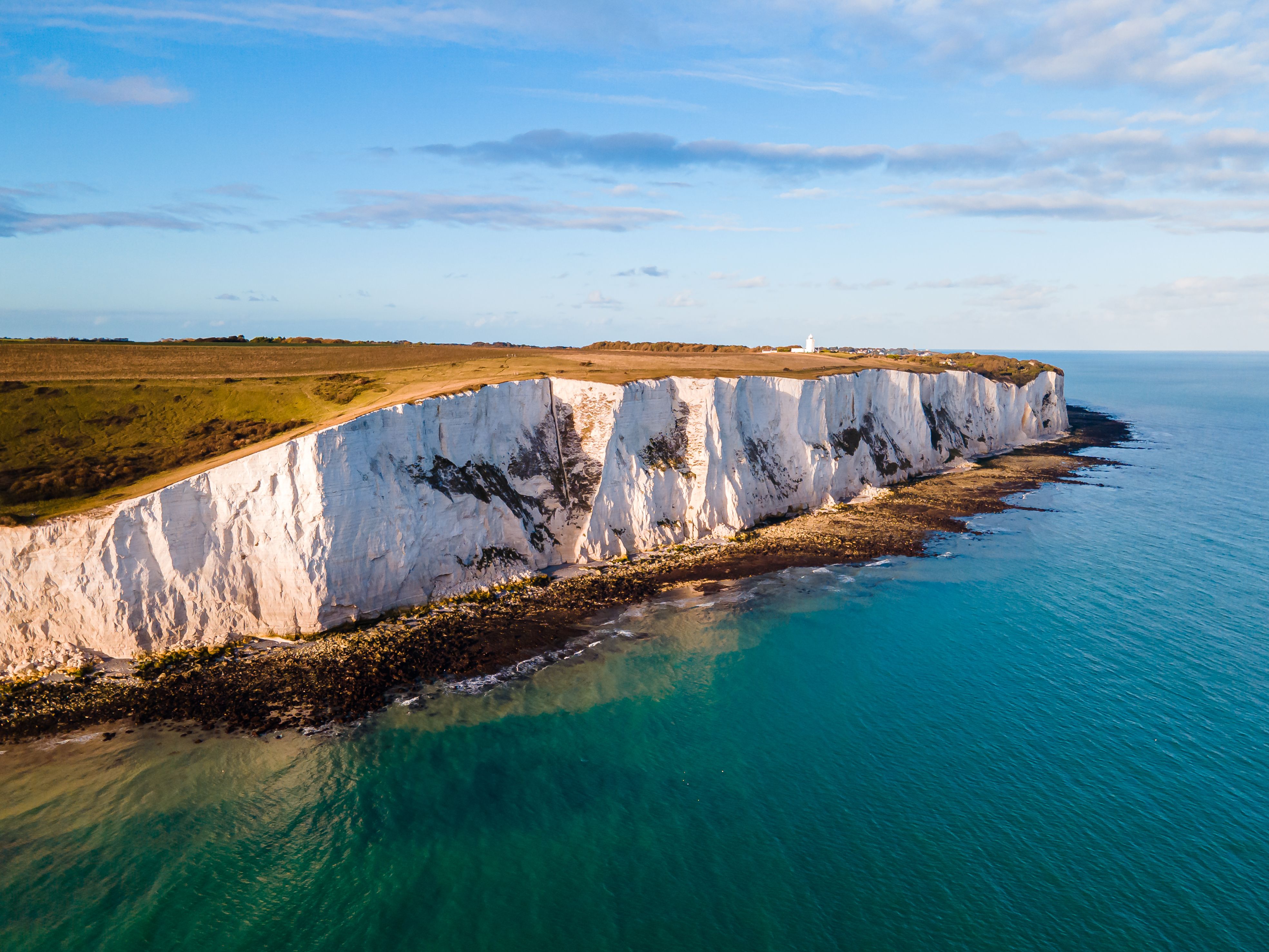
The Cliffs of Dover are one of England’s most famous natural landmarks. These dramatic chalk cliffs have scenic walking trails and offer breathtaking views, perfect for outdoor enthusiasts.
Whether you’re exploring the green spaces of London - from Hyde Park and Hampstead Heath to Richmond Park - admiring panoramic views from Primrose Hill, or cycling along the River Thames, the capital offers plenty of ways to enjoy the outdoors. The rest of the region is also great for outdoor activities - walk along the iconic White Cliffs of Dover, cycle through the ancient woodland of the New Forest, enjoy a classic seaside day in Brighton, or hike the dramatic Seven Sisters Cliffs.
The region isn’t short of historical sights. In fact, London is home to the most historical sights in England. You can step back in time at the Tower of London, Westminster Abbey, the Houses of Parliament and St Paul’s Cathedral – and that’s just to name a few. In the South East, you’ll also find a range of historical sights, from Windsor Castle to Leeds Castle and Canterbury Cathedral.
There’s always something going on in London and the South East. Summer sporting events include Wimbledon, Royal Ascot and the Henley Royal Regatta. Notting Hill Carnival in August is also popular, whilst Hyde Park’s Winter Wonderland and the New Year’s Eve Fireworks attract visitors far and wide in December. Throughout the year, you’ll also find music events like Wireless Festival, colourful parades and food festivals.
There are so many hidden gems in London and the South East. Whitstable is perfect if you’re looking for a classic beach break with colourful beach huts, charming streets and delicious oysters! In London, Little Venice is the perfect place to escape the buzz of the city with its pretty canal and cafes, and restaurants dotted along the water’s edge. For a bit of history, head to Bodiam Castle in East Sussex, a 14th-century moated castle that’s seriously impressive.
Located in Wiltshire, Stonehenge is one of England’s most famous landmarks. The prehistoric stone circle is made up of huge standing stones and has a sense of mystery that leaves visitors fascinated. Visit during the summer or winter solstice as the sun rises or sets in alignment with the stones for an extra magical experience.
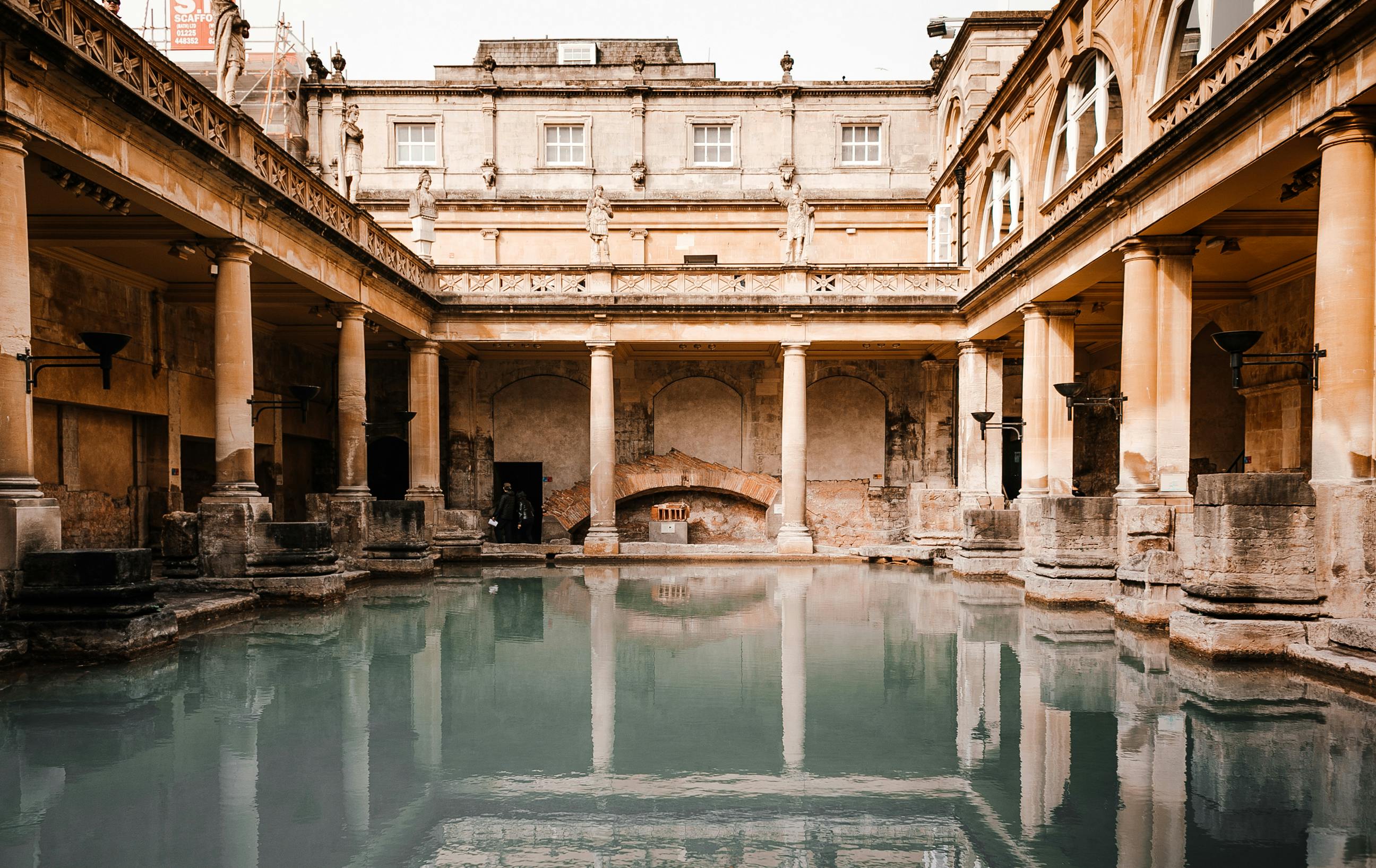
Head to the city of Bath to see some of the best-preserved Roman ruins in the UK. The Roman Baths were once an ancient bathing complex built around natural hot springs. The hot springs in Bath are the only natural thermal springs in Britain – explore the ruins and delve into the region’s Roman roots.
Along with Stonehenge, Wiltshire is also home to the beautiful Salisbury Cathedral. Here you can admire the Gothic architecture and see the tallest church spire in the UK. On a good day, we’d also recommend climbing the tower for beautiful views.
With its dramatic coastline and sweeping countryside, the South West of England is one of the best regions for outdoor adventures. Go fossil hunting along the iconic Jurassic Coast, catch waves in Newquay, or try kayaking along the beautiful River Dart. Beyond its picturesque coves, the South West is home to national parks and rolling countryside. Walk the South West Coast Path, hike across Dartmoor, or cycle the scenic Camel Trail.
The region has a rich history, with sights like Stonehenge and the Roman Baths attracting visitors from all over the world. Other historic sights include Tintagel Castle in Cornwall, a medieval fortress with a beautiful coastal setting and Wells Cathedral, a beautiful Gothic-style cathedral.
There is a range of festivals in South West England, most notably Glastonbury Festival – one of the most famous music festivals in the world, which takes place in Somerset in June. Other events include the Bristol International Balloon Fiesta, Europe’s largest annual hot air balloon event and the Sidmouth International Jazz and Blues Festival in Devon.
History lovers also can’t miss a trip to Avebury Stone Circle in Wiltshire, a prehistoric stone circle. Despite being lesser-known than Stonehenge, it’s actually larger and a lot less crowded! Clovelly in North Devon is also a beautiful place to visit. The charming fishing village features cobblestone streets that take you back in time and beautiful whitewashed cottages.
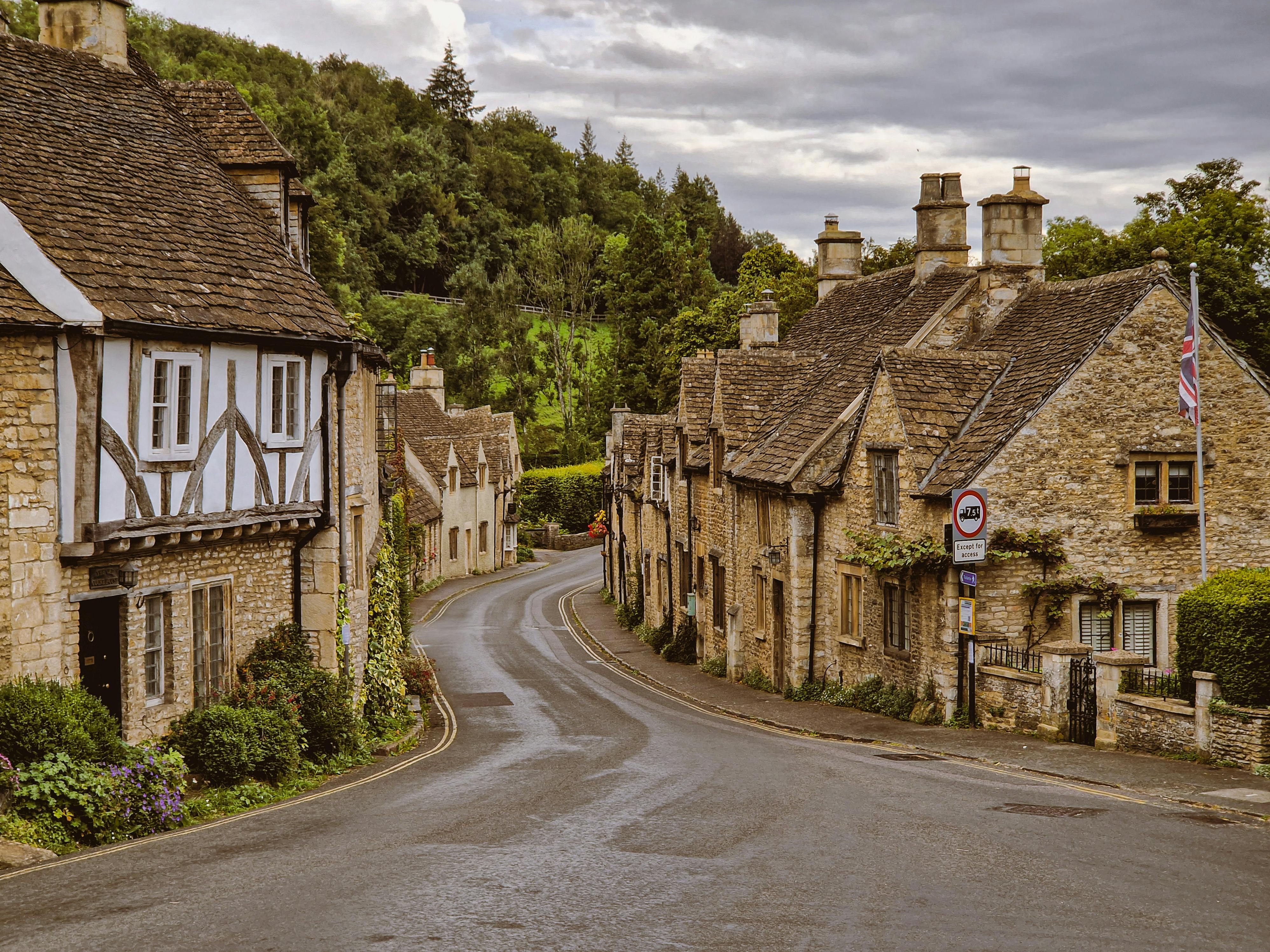
For a quintessential English countryside experience, you can’t miss a trip to the Cotswolds, where picture-perfect villages sit amidst lush green hills. There are plenty to explore, but our favourites include Castle Combe and Bourton-on-the-Water.
Shakespeare’s birthplace can’t be missed, especially for literary lovers and history enthusiasts. In the charming market town, you can explore his home along with Anne Hathaway’s Cottage, where his wife grew up and watch a play at the Royal Shakespeare Theatre. It’s also a beautiful town with traditional pubs and the River Avon providing the perfect place for a sunny stroll.
This medieval castle was built by William the Conqueror in 1068. Its picturesque location on the River Avon, within 64 acres of grounds, makes it great for a scenic stroll too.
The Midlands is perfect for a countryside adventure, from rolling hills to dramatic peaks and wooded forests. The Cotswolds are perfect for walking, cycling and horse riding. The 102-mile Cotswold Way offers beautiful picnic spots and panoramic countryside views. Sherwood Forest in Nottinghamshire is also a great place to visit with its links to Robin Hood. Adventure seekers should head to the Peak District, where you can hike up Mam Tor, go rock climbing, or cycle the scenic Monsal Trail.
Just like the rest of England, the Midlands is home to a variety of historic sights. Along with Shakespeare’s birthplace in Stratford-upon-Avon, you can also explore the medieval Warwick Castle, built by William the Conqueror, admire the Gothic architecture of Lincoln Cathedral or visit Kenilworth Castle, England’s largest castle ruins.
The Midlands hosts a lively calendar of events throughout the year. Motorsport fans flock to the British Grand Prix at Silverstone. There are also many annual food festivals across the region, along with Christmas markets in cities like Birmingham.
Off-the-beaten track, you’ve got sights like Haddon Hall, a medieval manor house with Tudor and Elizabethan interiors, along with scenic spots like Cannock Chase, an Area of Outstanding Natural Beauty and the Shropshire Hills with its rolling countryside, both of which offer a quieter alternative to the Peak District.
England’s largest national park is a UNESCO World Heritage Site. It’s known for its beautiful lakes and dramatic mountain scenery that make it perfect for walkers and nature lovers. Have you already visited the Lake District? Here are 2 alternatives for seasoned travellers:
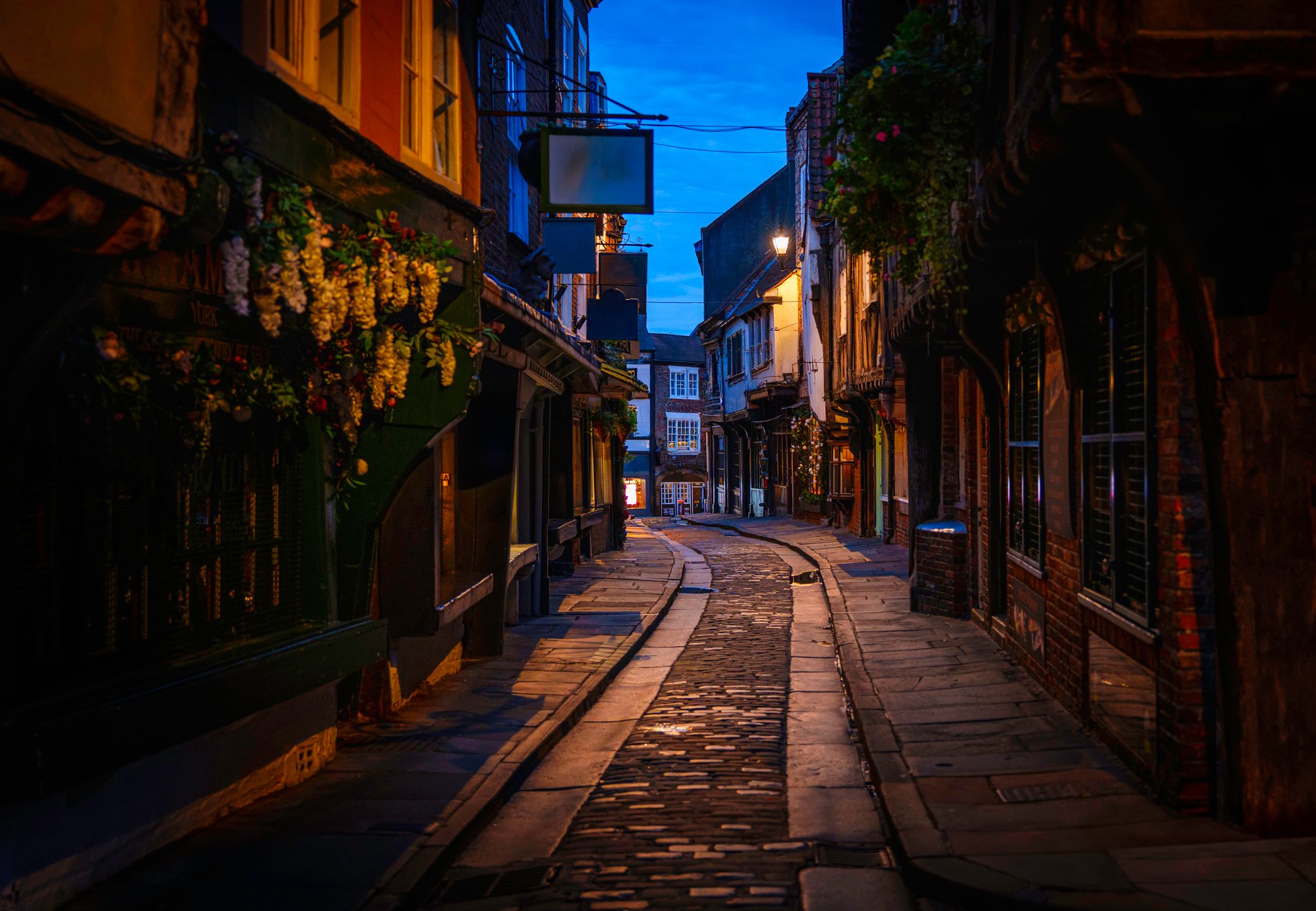
Located in the north of England, this charming city is bursting with history and character. You can wander its medieval streets, such as The Shambles, where quaint shops and cafes sit side by side.
A lively city with a rich culture, Manchester is one of England’s most popular cities. It’s known for its legendary music scene and iconic football clubs. It’s also great for shopping, dining and nightlife, with a packed calendar of events throughout the year.
The North of England boasts dramatic landscapes that make it perfect for outdoor activities, whether that’s hiking in the Lake District or exploring the rugged beauty of the North York Moors. You can also enjoy coastal adventures along the Northumberland Coast.
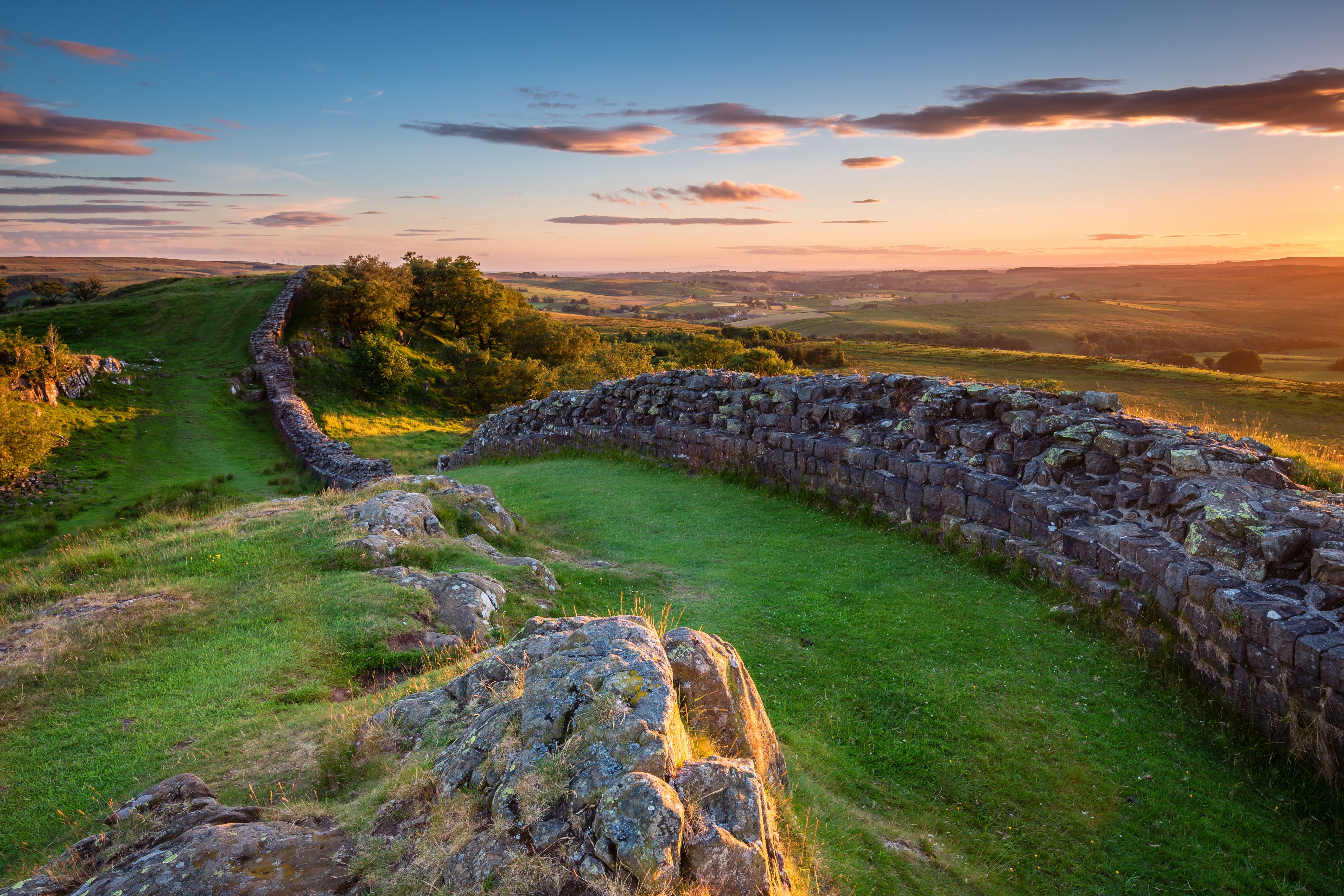
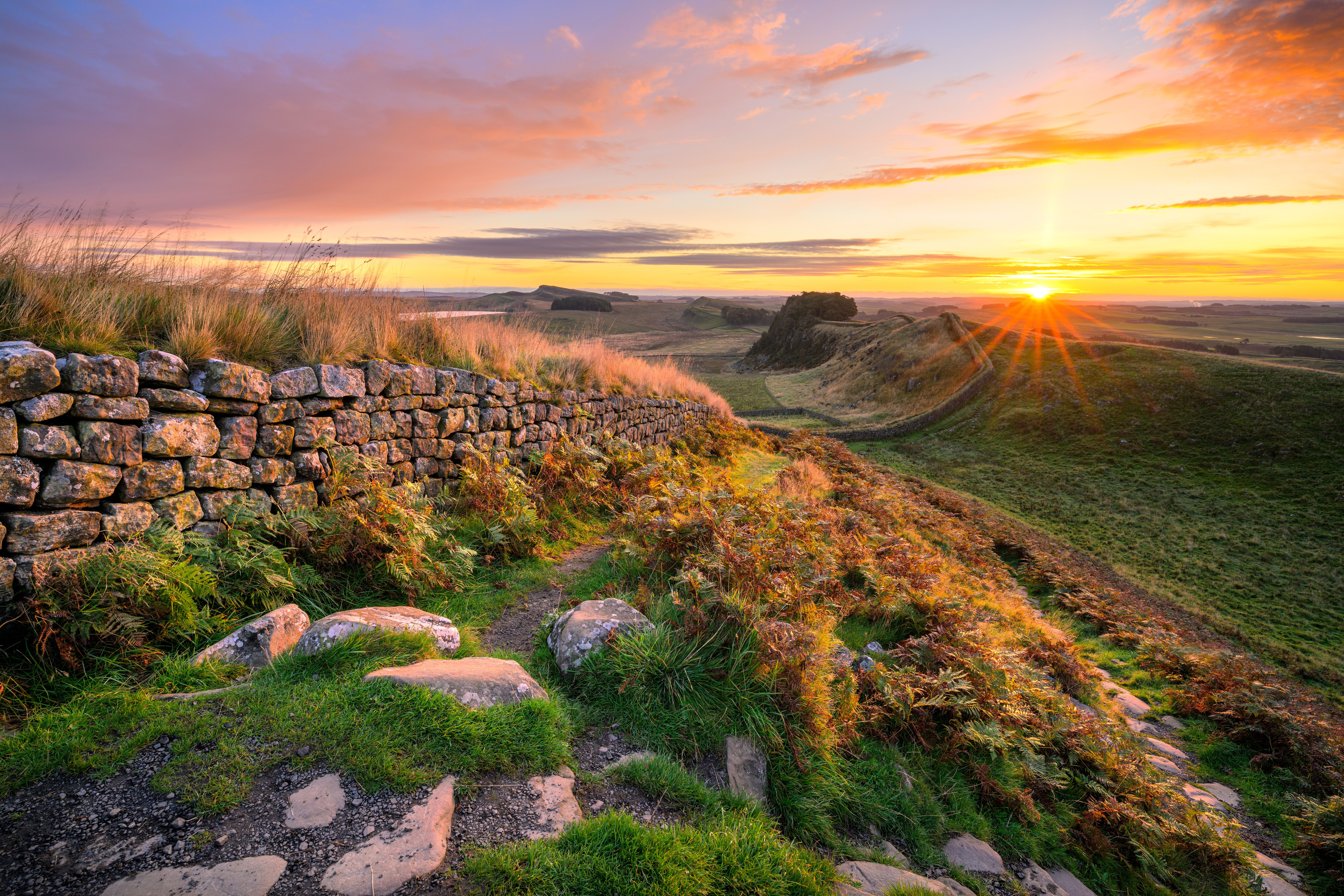
The north has a rich history, which you can experience at its many sights, from the magnificent Durham Cathedral to the ruins of Whitby Abbey. Hadrian’s Wall also gives a glimpse into Roman times, whilst York’s centre is perfect for a medieval adventure.
The North hosts a lively calendar of events. Leeds Festival and Parklife Festival attract music lovers from all over the country, whilst the famous Whitby Goth Weekend brings a unique event to the coast. In winter, Christmas markets such as those in Manchester are also popular.
Beyond its famous cities and national parks, the North is full of hidden treasures. Explore the limestone landscapes of the Yorkshire Dales, uncover the dramatic ruins of Rievaulx Abbey or wander the winding lanes of the fishing village of Staithes.
England has a thriving food scene, which you can experience up and down the country.
Mixing international flavours with British classics, London’s food scene is one of the most diverse in the world. Borough Market is a great place to experience the capital’s culinary offering, but the city is also home to countless restaurants serving dishes from all over the world. The South East is also known for its sparkling wine, especially in Sussex and Kent.
Fresh seafood such as crab and mussels is particularly common along the south west coast, especially in Cornwall and Devon. You’ll also find local delicacies such as the Cornish pasty. No visit to the region is complete without a traditional cream tea experience too - just choose a cafe and get ready to indulge! The region is also known for cider production, particularly in Somerset.
In the Midlands, you can expect comforting and traditional British dishes. Just like in other regions, local delicacies are popular, such as the famous Melton Mowbray pork pie from Leicestershire. Birmingham is known for its vibrant curry scene, with the “Balti Triangle” offering some of the UK’s best South Asian cuisine. Real ales and historic pubs are also a highlight across the region.
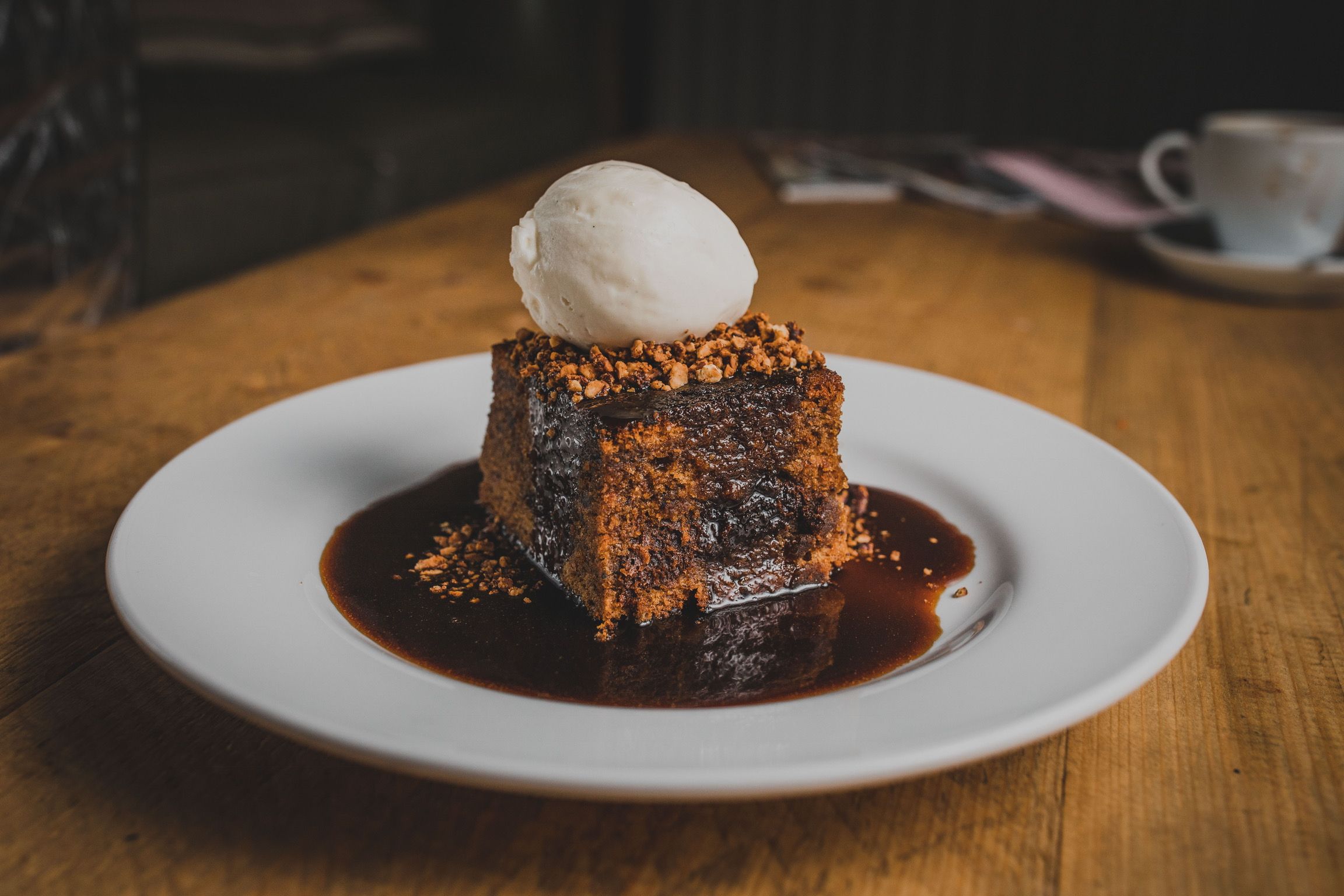
The North is known for hearty portions and warm hospitality. Popular dishes include a classic Sunday roast with Yorkshire puddings, a Lancashire hotpot, a slow-cooked lamb and potato dish and sticky toffee pudding, which was said to have originated in the Lake District. In cities like Leeds and Manchester, you’ll find a diverse range of eateries offering dishes from all over the world.
England is super easy to get around thanks to great road connections and a reliable public transport system. Ferry ports along the south coast also provide convenient access from mainland Europe and Ireland.
Driving in England gives you the flexibility to explore cities, the countryside, and coastal regions at your own pace. You’ll find that major cities are connected by motorways, and smaller roads serve towns and villages. Just make sure you drive on the left-hand side of the road. Congestion charges also apply in central London, and some city centres have low-emission zones.
England’s public transport network is reliable. Trains connect major cities and regions across the country, providing a quick and easy way to travel. All cities and most towns, and villages have local buses connecting different neighbourhoods - this is often the cheapest way to travel. London has the best transport system. Not only are there buses and trains, but also the Tube, which connects popular destinations in the city and beyond in no time at all. Other cities, such as Manchester, also have a metro system.
Walking is often the easiest way to explore cities and historic towns. You’ll find that most cities are easy to explore on foot, such as London, Bath and York. Walking is also a great way to explore the countryside and the coast, allowing you to really experience England’s beautiful landscapes.
Ferry travel offers a scenic and practical way to reach England and the surrounding area. The country’s major ports are located in the south of England, such as Dover and Portsmouth. Ferries from England take you to the Isle of Wight, the Channel Islands, Ireland and France.
In London, the https://www.directferries.co.uk/france.htm, buses and overground trains make getting around easy. Most major attractions are within easy reach by public transport. Across the South East, regular trains connect London to destinations such as Brighton, Canterbury and Oxford. Driving is a good way to explore coastal areas, national parks and smaller towns, whilst ferry ports like Dover provide onward connections to Europe and nearby islands.
The South West is easily accessible by train, with railway stations in places such as Bath, Bristol and Exeter. However, to fully explore Cornwall, Devon and Dorset, a car is often the best option. It means you can explore at your own pace, stopping off to soak up the beautiful views as and when you fancy.
Birmingham is a major transport hub, with fast train links to many destinations including London, Manchester, Stratford-upon-Avon and Nottingham. If you want to visit the Cotswolds or the Peak District, then we’d recommend renting a car to see all of the region’s hidden gems.
Major northern cities such as Manchester, Liverpool and York are well connected by rail. If you’re exploring the Lake District, Yorkshire Dales or more remote coastal areas, then a car is your best bet.
Like every destination, England has its own personality and customs to keep in mind when planning your visit.
To travel to England, you’ll need a valid passport. Depending on your nationality, you may also need a visa or to apply for an Electronic Travel Authorisation (ETA) before arrival. Always check the latest UK government guidance before booking to ensure you meet entry requirements. You can also check out our blog post on new rules for travelling to Europe from the UK for more information.
An ETA is required for travellers from selected countries who do not need a visa for short stays in the UK. It acts as advance permission to travel and must be approved before departure. Requirements are being introduced in phases, so eligibility depends on your nationality and travel date. You usually have to complete your application online before you travel.
The best way to explore England depends on your itinerary. Trains are a quick and convenient way to travel between major cities like London, Manchester and York, whilst hiring a car offers more flexibility for rural areas such as the Cotswolds or Lake District.
England has something for everyone. Explore historic landmarks like the Tower of London, hike in the Peak District, watch a show in London’s West End, tour historic castles, or eat your way around cities like Manchester and Birmingham.
England is very family-friendly. Children will love exploring interactive museums like the Natural History Museum and the Science Museum in London. The beaches in England are also great for kids, from the sandy coves in Cornwall to Northumberland’s beautiful bays.
More routes than anyone else.

Compare fares, times & routes in one place.
Change plans easily with flexi tickets.

Book e-tickets & manage trips in-app.
Live ship tracking & real-time updates.

Top-rated customer support when you need it.