Things to do in Devon
Things to do in Devon
Located in the southwest of England, Devon is a diverse county known for its stunning coastline, rolling countryside, vibrant cities, and historic market towns.
Iconic attractions such as Dartmoor National Park and the Jurassic Coast make it a dream for outdoor enthusiasts, whilst its rich history and culture add to its appeal. Whether you’re looking for sightseeing, adventure or relaxation, Devon offers something for every type of traveller. Planning a trip to Devon?
Read on to discover the best things to do whilst you’re there.
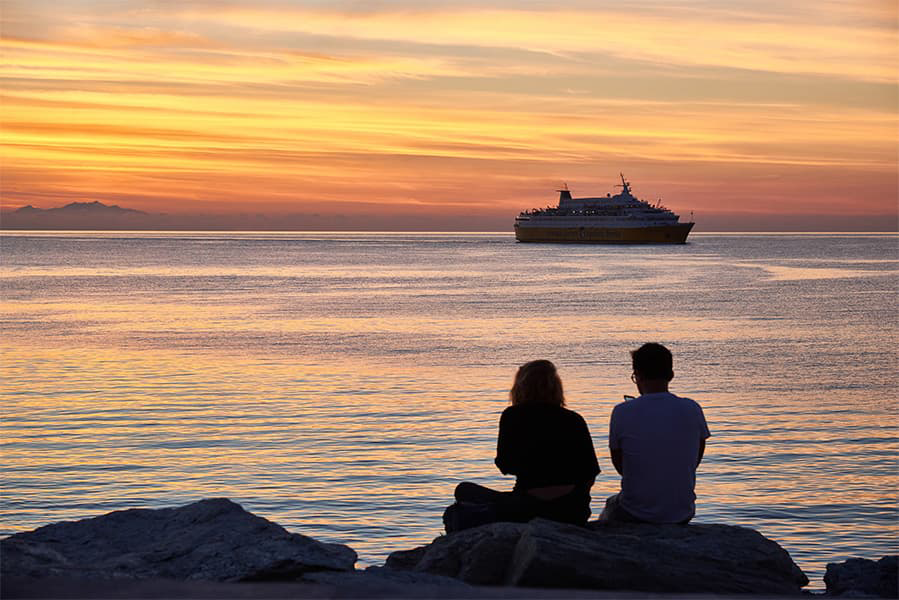
With great road and public transport connections, Devon is easily accessible from across the UK. The M5 provides the main route into the county, whilst cities such as Exeter are well connected by rail to London and other major cities. Thanks to its ferry port, Plymouth also serves as a key gateway to the region, connecting England with both France and Spain and making Devon the perfect starting point for a UK or European adventure!
Driving is one of best ways to reach Devon as it allows you to travel at your own pace and gives you the freedom to explore fully when you’re there and access hidden gems and off-the-beaten path attractions.
The main route into Devon is via the M5 to Exeter where you can then continue on the A38 and A30 towards other parts of Devon. Journey times will vary depending on your starting point. From London to Exeter, it usually takes about 3 hours 30 minutes, from Birmingham around 2 hours 30 minutes, and from Bristol in about 1 hour 30 minutes.
Bear in mind that traffic can be busier during weekends, school holidays, and in the summer months, so make sure you allow extra time for your journey. If you’re travelling in rural areas, you should also prepare for narrow country lanes.
Great Western Railway and CrossCountry operate regular trains to Devon from many destinations across the UK. Direct services from London Paddington, operated by Great Western Railway, reach Exeter in around 2 hours and Plymouth in approximately 3 hours.
For travellers from the Midlands and northern England, CrossCountry offers direct services from cities such as Birmingham and Leeds to Exeter and Plymouth, with journeys taking between 3.5 and 5.5 hours, depending on your starting point and destination. The final stretch of the journey is especially scenic, so try to grab a window seat to enjoy views of the stunning South Devon coastline.
We’d also recommend booking your tickets in advance and travelling at off-peak times for the best prices.
For those travelling on a budget, coaches are a convenient and cost-effective way to reach Devon. Operators like National Express run regular services from London Victoria, Birmingham and Bristol to destinations including Exeter, Plymouth, and Torquay. Journey times vary depending on your starting point, usually taking between 5 and 8 hours.
Although coaches are slower than trains, they’re often a lot cheaper so they’re a great choice if you’re on a budget. Plus, you don’t need to worry about parking.
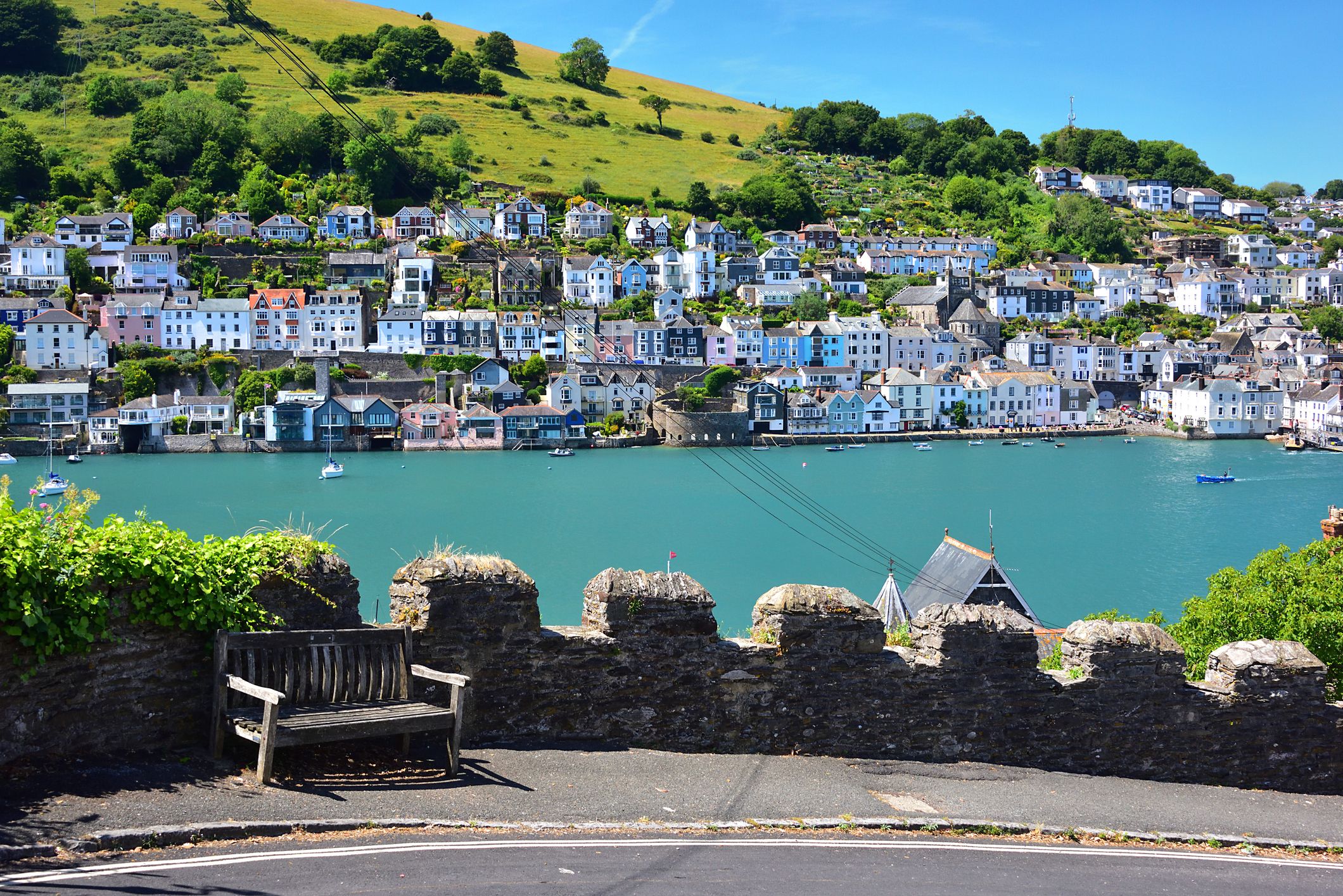
Whether you’re exploring Devon’s countryside, coastline, cities, or towns, getting around is simple, whether on foot, by car, or using public transport. Cities like Exeter and Plymouth are compact and easy to navigate on foot, with most attractions within walking distance. If you want to venture further afield to places like Dartmoor National Park or the Jurassic Coast, a car or Devon’s reliable public transport network will make getting there much easier.
Exploring Devon on foot is one of the best ways to really get a feel for the county, whether that’s wandering through historic streets or along the beautiful coastline. In cities like Exeter and Plymouth, most shops and attractions are within walking distance of each other. Plus, walking allows you to discover hidden gems and stop at lovely coffee shops along the way.
Beyond the cities, Devon’s countryside and coastline are ideal for walkers, with scenic trails that are great for both relaxing strolls and more strenuous hikes. Popular routes include the South West Coast Path, with routes like Lynton to Heddon's Mouth popular with visitors. Dartmoor National Park also offers great walking routes such as Haytor Rocks.
Cycling is also a great way to get around Devon, with bikes available to rent in various towns. Popular cycling routes include the Tarka Trail in North Devon and the Exe Estuary Trail in South Devon.
If you want to explore beyond the main towns and tourist attractions, having a car is your best option. It allows you to visit remote villages like Hartland, discover the landscapes of Dartmoor National Park, and reach hidden beaches such as Lannacombe.
Devon is well connected by road, with the M5 linking to Exeter and the A38 and A30 providing access to the south and west. If you are driving around Devon, then bear in mind that country lines are often narrow and winding so make sure you drive carefully and be mindful of pedestrians and cyclists. Traffic can also get very busy, especially in the summer months and at weekends, so make sure you allow extra time for your journey.
Parking is available at most major attractions and in city and town centres like Salcombe and Dartmouth. However, it can sometimes be hard to find a spot during the peak summer months or at weekends, so we’d recommend getting there early to secure a spot.
Local taxis are also available in bigger towns and cities, whilst Uber operates in a few destinations like Exeter and Torquay. They’re great for short trips if you don’t have a car.
Devon’s public transport system also makes it easy to explore the county if you don’t have a car. Trains connect destinations like Exeter, Plymouth and Torquay, with train stations located within walking distance of main attractions.
Local buses operated by Stagecoach South West and Country Bus also connect towns like Torquay, Paignton, Brixham and Sidmouth to the rest of the county. Travelling by bus is often one of the cheapest ways to explore the region. It’s also one of the most scenic ways too, so make sure you grab a window seat! Make sure to check timetables in advance, especially if you’re travelling out of peak season or to remote areas.
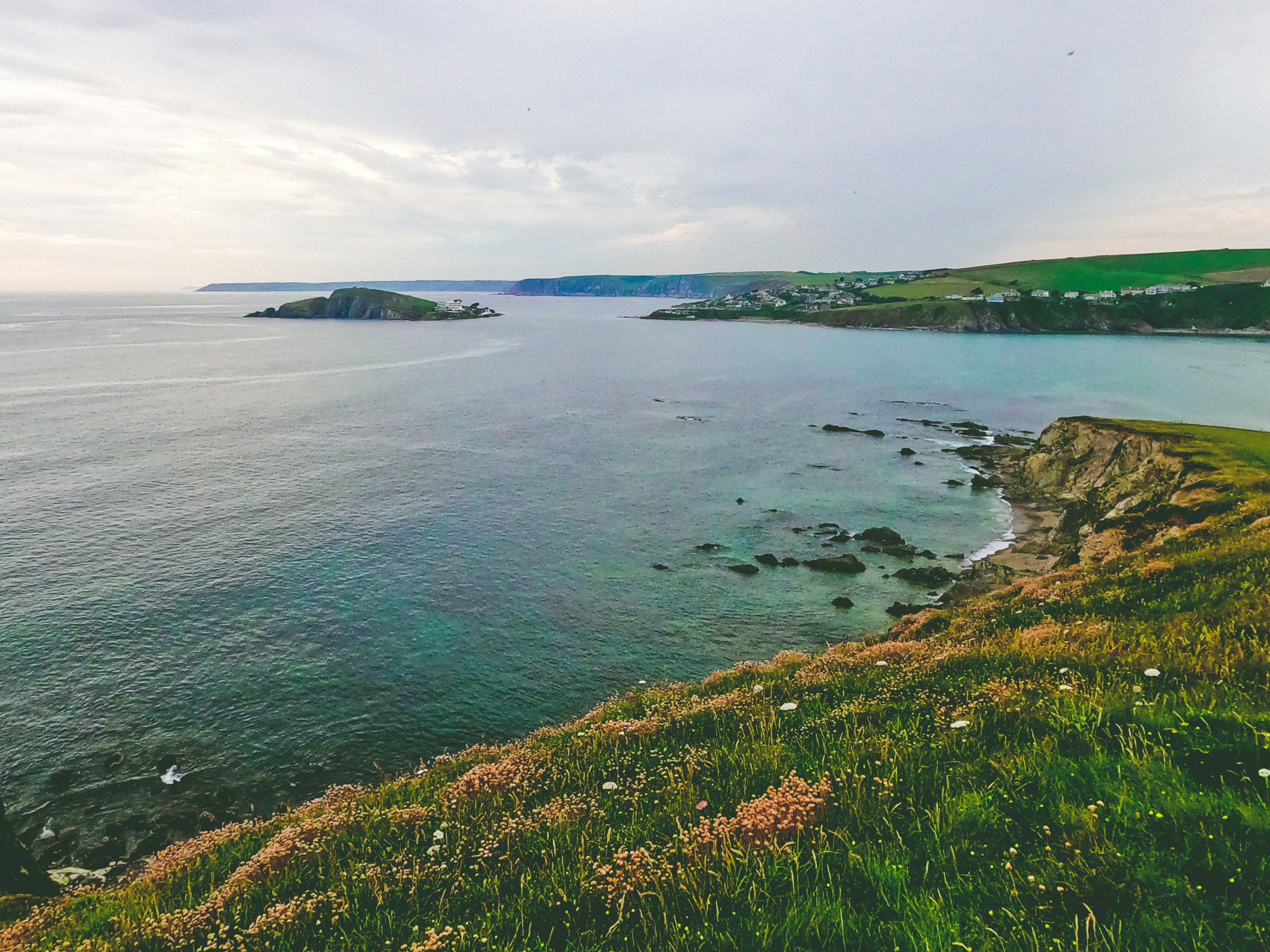
Devon makes a great year-round destination, but each season brings something different. Whether you’re looking for a sunny beach break or a cosy festive getaway, keep reading to find out which season would suit you best.
With longer daylight hours and landscapes starting to bloom, spring is one of the best times to visit Devon. Temperatures usually range from around 10°C in March to about 16°C in May, although early mornings and evenings can feel cooler so we’d recommend packing layers. Although rainfall is lower than in winter, showers are still common so a waterproof jacket is also a must.
Devon’s countryside really comes to life in spring, with colourful flowers covering areas like Dartmoor National Park and along the South West Coast Path. The stunning landscapes and mild temperatures make it a great season for outdoor adventures, from hiking the Valley of Rocks or cycling the Exe Estuary Trail.
Spring is also a great time for sightseeing in cities like Plymouth and Exeter before the summer crowds arrive. Attractions like the National Marine Aquarium in Plymouth and Exeter Cathedral are often quieter at this time of year.
Perfect for: visiting Dunsford Nature Reserve as it’s taken over by beautiful wild daffodils, followed by bluebells and purple orchids later in spring.
With long daylight hours and warm temperatures ranging from around 18°C to 24°C, summer is the most popular time to visit Devon. Sunny days mean SPF is essential and although rainfall is low, it’s still possible so we’d recommend an umbrella to be on the safe side.
Devon’s coastline is at its busiest in summer, with beaches along both the north and south coast packed with locals and visitors alike. The weather makes it a great time for sun-seekers whilst warmer sea conditions make summer the ideal season for watersports, whether that’s surfing at Woolacombe, paddleboarding in Salcombe or kayaking in Dartmouth.
Summer is also when Devon’s cities, towns and villages are at their most vibrant, with outdoor markets and festivals such as the Beautiful Days Festival at Escot Park, Sidmouth Folk Festival and the Dartmouth Royal Regatta. Wherever you are, there’s always something going on in summer in Devon.
Perfect for: beach hopping along the Jurassic Coast. Highlights include Durdle Door and Lulworth Cove. Just make sure you get down early to avoid the crowds!
With the summer crowds disappearing, autumn is a great time to visit Devon if you’re seeking a quieter and more relaxing atmosphere. Temperatures start at around 18°C in September and drop to about 11°C in November, with evenings usually a lot cooler so layers are a must. Rainfall also increases compared to summer, so don’t forget to pack a waterproof jacket too.
Taking on shades of reds, yellows and golds, Devon’s autumnal landscapes are particularly beautiful, especially in areas like Dartmoor National Park – Bellever Forest is a must-visit at this time of year with its beautiful woodland trails. Just like in spring, the milder temperatures make autumn good for more strenuous outdoor activities like cycling the Tarka Trail or hiking sections of the South West Coast Path, whilst the quieter atmosphere also makes it an ideal time for exploring Devon’s popular attractions like Kents Cavern, Greenway House or Exeter Cathedral without the crowds.
Perfect for: visiting the Dartmouth Food Festival which takes place in late October. It’s the perfect place to sample the delicious local produce.
A quieter atmosphere, dramatic scenery and a festive charm make winter a lovely time to visit Devon. Temperatures are at their lowest, usually between 5°C and 9°C, but the winds along the coast can make it feel cooler. Rainfall is also higher during winter so make sure you bring thick warm layers and waterproofs.
Devon’s landscapes are particularly striking in winter, with powerful waves crashing along the coastline - especially at places like Wembury and Berry Head National Nature Reserve. Inland, Dartmoor National Park offers a different kind of beauty, with frosty moorland and snow-capped tors, whilst cosy pubs provide a welcome place to warm up after a winter’s walk.
Winter is also ideal for exploring Devon’s towns and cities at a more relaxed pace. Destinations such as Exeter, Plymouth, and Torquay are quieter, making it easier to enjoy their attractions, including the National Marine Aquarium in Plymouth and Exeter’s Royal Albert Memorial Museum.
In late November and throughout December, many towns host Christmas markets and seasonal events, adding to the festive atmosphere.
Perfect for: sampling festive food, drinking mulled wine and buying handmade gifts at the Exeter Christmas Market with its beautiful cathedral backdrop.
With its countryside, coastline and bustling cities and towns, Devon offers a wide range of activities for every type of traveller. Whether you’re looking to explore the county’s natural beauty or rich history, here’s some of Devon’s top attractions:
Located in the heart of Devon, Dartmoor National Park is known for its beautiful, rugged landscapes. You can hike along picturesque trails, spot ponies in the wild, visit archaeological sites and wander through charming towns.
In the centre of Exeter, you’ll find the county’s most famous landmarks. This historic cathedral is one of the finest examples of Gothic architecture in England, featuring impressive vaulted ceilings and detailed stonework.
Stretching along Devon’s southern coastline, the Jurassic Coast is a UNESCO World Heritage Site famous for its dramatic cliffs, rock formations, and fossils, with highlights including Durdle Door and Lulworth Cove.
This 3-mile island lies about 12 miles off the North Devon coast and makes the perfect day trip. You can hike through its unspoiled landscapes, go diving or spot seals on the shore.
Located on the north Devon coast, this car-free fishing village is a must-visit with its cobbed streets and picturesque harbour.
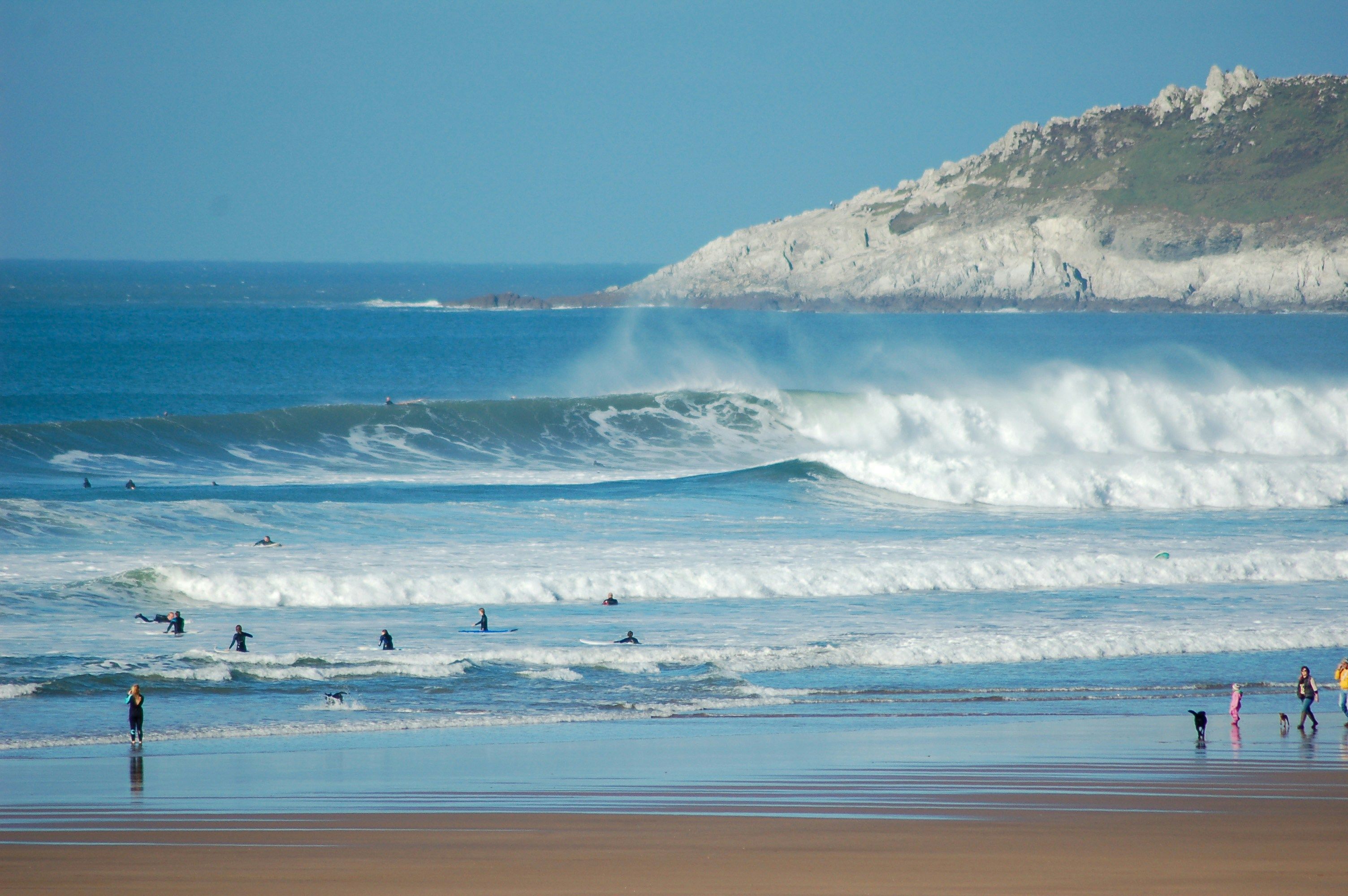
Devon is a dream for outdoor enthusiasts. Facing the Atlantic, the north coastline is renowned for its surfing scene, with beaches like Croyde Bay, Woolacombe and Saunton Sands popular with those wanting to catch a wave. If you’ve not tried surfing before, there are also lots of surf schools offering lessons for newbies.
Kayaking and paddleboarding are also popular outdoor activities in Devon, with secluded places such as the River Dart and Salcombe offering some of the best spots to glide through the calm waters. The county also boasts some stunning beaches for swimming or just relaxing by the water. Some of our favourites include Blackpool Sands and South Milton Sands.
Hiking is also a popular outdoor activity in Devon, with the South West Coast Path being the most famous trail with routes such as Hope Cove to Salcombe and Torcross to East Portlemouth offering beautiful scenery along the way. Dartmoor National Park is also a hub for outdoor adventures with its open moorland – hike through the rugged landscapes and spot ponies in the wild.
If you’re more of a cyclist than a hiker, there are also countless cycling trails such as Tarka Trail, a traffic-free path that runs between Braunton and Meeth and Exe Trail that leads from Exmouth to Dawlish.
Along with its natural beauty, Devon is a destination steeped in history and culture. You can delve into the county’s past at landmarks like Exeter Cathedral, with its famous vaulting and stunning Gothic design and and Castle Drogo, an early 20th-century fortress often described as the last castle built in England.
In Plymouth, the historic The Barbican offers a glimpse into the county’s maritime past, where cobbled streets lead to the iconic Mayflower Steps memorial. For a culture fix, you can’t miss a trip to the award-winning Royal Albert Memorial Museum in Exeter, with its fascinating displays and exciting exhibits.
Located in Plymouth, The Box is also a must-visit, with exhibitions on the city’s maritime history. Art enthusiasts should also visit The Burton at Bideford Art Gallery and Museum, known for its rotating displays and local ceramics.
Devon is well positioned for exploring other destinations in England, especially those in the south of the country.
Cornwall: Cornwall is within easy reach of Devon, with towns such as Newquay, famous for its amazing surfing scene, and Padstow, a charming harbour town with a delicious culinary scene, located around 1 to 2 hours away by car depending on where you’re coming from. You can get direct trains from Plymouth to Par in St Austell in less than 1 hour and then continue your journey to Newquay or Padstow.
Bristol: Bristol also makes a great day trip from Devon, with direct trains available from Exeter in around 1 hour, or Plymouth in about 2 hours. Alternatively, you can drive in around 1 and a half to 2 and a half hours depending on traffic. Here, you can admire Banky’s famous artwork, browse the historic St Nicholas Market and visit the iconic Clifton Suspension Bridge.
Bath: The UNESCO World Heritage City of Bath is another great choice for a day trip, with its thermal spas, Georgian architecture and famous sights like Bath Abbey. Trains from Plymouth and Exeter require a change in Westbury, and take around 1 hour 30 minutes to 2 hours 30 minutes, or you can drive in around 2 hours. Famous for its Roman Baths, Georgian architecture at Royal Crescent, Bath Abbey and its gothic architecture.
With so many exciting attractions, Devon is an amazing destination for families. Paignton Zoo is home to over 2000 animals, from gorillas to pandas and crocodiles, along with fun play areas for the little ones. Animal lovers also can’t miss a trip to Pennywell Farm where you can see miniature pigs and handfeed the animals, or The Donkey Sanctuary where you can meet rescued donkeys.
Other popular family-friendly attractions in Devon include the National Marine Aquarium, the largest aquarium in the UK, and Crealy Theme Park & Resort, with over 60 rides and attractions. Kents Cavern, a guided cave tour in Torquay, is also a fascinating activity for older children and adults.
Travelling on a budget? Here are some of our top tips:
Along with Devon’s well-known landmarks, there are also plenty of hidden treasures. Heddon’s Mouth, a lovely riverside walk which takes you along the cliffs through ancient woodland is a lovely place to soak up the stunning scenery and enjoy a peaceful stroll.
Speke’s Mill Mouth Waterfall, a 60-foot waterfall that leads down to a rugged remote beach, is another area that feels untouched – it’s great for hikers and nature lovers. Meanwhile, villages like Beer and Branscombe in East Devon are a great place to escape the bustle and tend to be overlooked in favour of destinations like Salcombe.
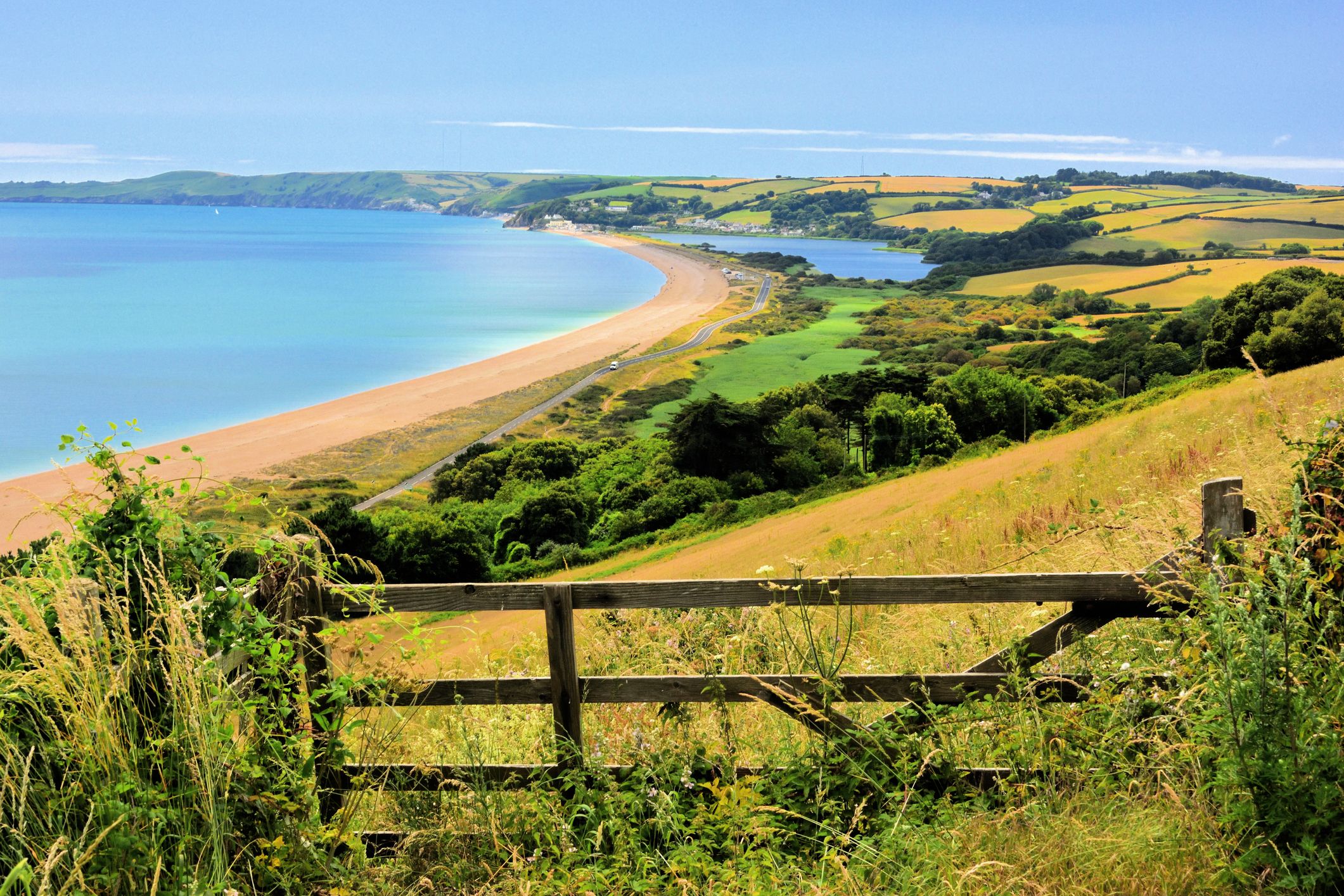
Some of the most popular dishes in Devon include Devon cream tea, consisting of scones, clotted cream, jam and a pot of tea, often served in tearooms and cafes across the county.
Thanks to its coastal location, seafood is also a big focus on menus in Devon, especially fresh crab and lobster. It’s best enjoyed in restaurants in harbour towns like Salcombe, Dartmouth and Brixham, overlooking the sea. Just like many of Britain’s coastal areas, fish and chips, battered cod or haddock with thick-cut chips, is also a must-try dish.
As a big cider-producing region and with breweries across the county, many of Devon’s pubs serve local ciders and ales, whilst Plymouth, home to one of England’s oldest gin distilleries, is known for its amazing gin.
Along with Devon’s cafes, restaurants and pubs, there are also food festivals such as the Exeter Festival of South West Food & Drink and Dartmouth Food Festival, where you can sample local produce.
There are accommodation options to suit every budget and style in Devon. If you fancy splashing the cash, then you can take your pick from fancy seafront hotels and boutique country estates. Or for a more personal touch, there are plenty of local bed and breakfasts and cosy guesthouses that come with a cheaper price tag.
If you’re staying for longer, then Devon’s self-catering apartments and cottages are a great option as they offer space for families and provide kitchen facilities so you can cook.
For a more outdoorsy stay, there are also many holiday parks, caravan sites, glamping pobs and campsites scattered across the county, that are great if you’re on a budget or just fancy a unique experience.
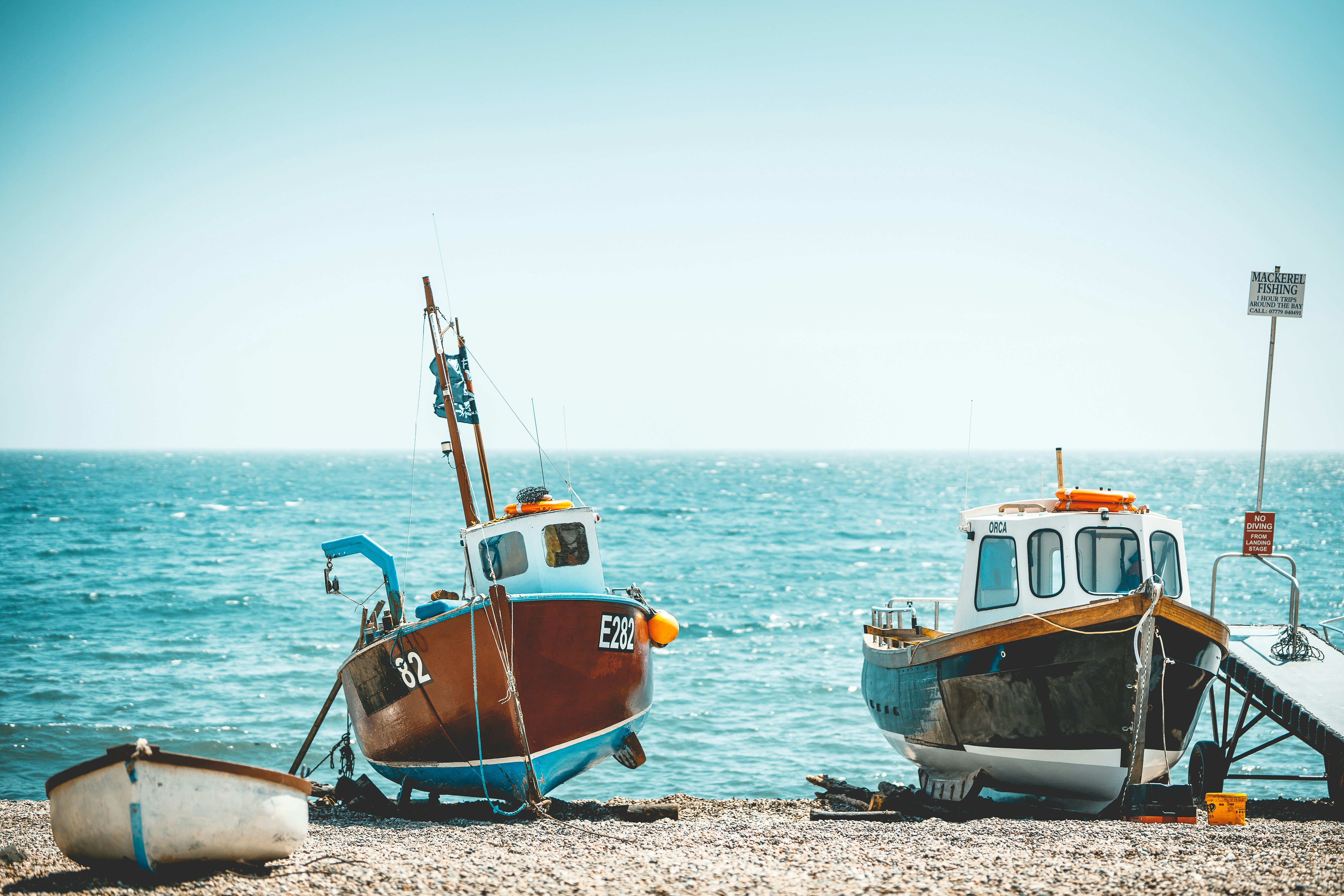
With its vibrant cities, picturesque towns, rolling countryside and diverse coastline, there’s so much to see and do in Devon. Whether you’re planning a short weekend break or a longer getaway, here are some ideas for your itinerary:
Spend your first day exploring the historic city of Exeter. Visit Exeter Cathedral, wander through its medieval streets, browse the Royal Albert Memorial Museum and head down to the Exeter Quayside to explore its many cafes, shops and restaurants.
Explore the south Devon coastline with a trip to Dartmouth. See Dartmouth Castle, relax at Blackpool Sands and take a ferry across the River Dart to soak up the beautiful views. After, head to Salcombe to wander through its picture-perfect streets and swim or take a stroll along South Sands beach.
Finally, head to Dartmoor National Park. Walk through Wistman’s Wood, enjoy a Devon cream tea in a café in Widecombe-in-the-Moor and hike to Haytor for panoramic views.
Why we love it: It’s perfect for couples or families wanting a taste of Devon. 3 days allow you to combine the city, coast and countryside, giving you a glimpse of the county’s history, culture and beauty.
Start your adventure by exploring the historic city of Exeter. Visit Exeter Cathedral, browse the Royal Albert Memorial Museum and wander through Cathedral Close, stopping at shops and cafes along the way.
Today it’s time to head to the Jurassic Coast for swimming, sunbathing or just soaking up the stunning views. Visit incredible beaches like Durdle Door and Lulworth Cove and explore the picturesque fishing village of Beer.
Head to Dartmoor National Park for a countryside adventure. Take a scenic stroll, hike its tors, visit archaeological sites, and discover hidden villages. Don’t forget to stop by a traditional pub for a hearty roast dinner or a café for a Devon cream tea.
Today it’s time to explore north Devon, stopping by at beaches like Woolacombe, Saunton Sands and Croyde Bay for a spot of surfing. You can also enjoy a hike at the Valley of the Rocks, and visit the charming seaside town of Ilfracombe.
On your last day, head to south devon. Take a trip to Dartmouth and visit Dartmouth Castle and kayak along the River Dart. After, head to Salcombe. Relax on the town’s golden beaches, paddleboard in the calm waters or explore Salcombe’s independent shops and galleries.
Why we love it: It’s ideal for travellers who want to experience more of Devon at a relaxed pace. 5 days gives you the time to fully immerse yourself in the county’s culture, history, and natural beauty, combining scenic coastline with peaceful countryside adventures, without feeling rushed.
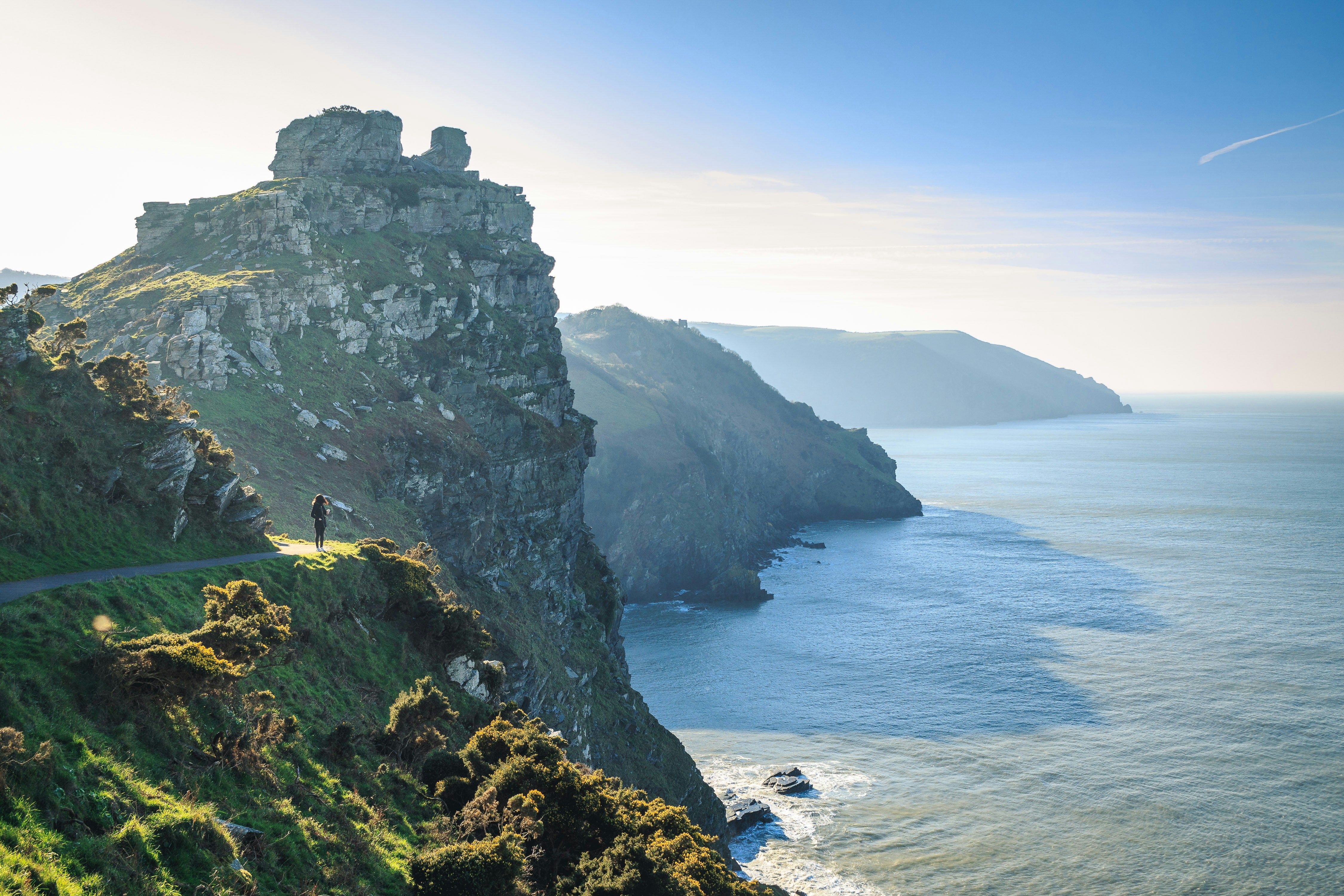
Yes, you can get a ferry to Devon. Plymouth is the main ferry port in Devon, connecting the south coast of England with France and Spain. Brittany Ferries operate regular services from Roscoff to Plymouth in around 6 hours 40 minutes, from St-Malo to Plymouth in around 10 hours 36 minutes, and from Santander to Plymouth in around 20 hours 15 minutes.
Devon is packed with nice places - it all depends on what you’re looking for! Some of the most charming destinations include Clovelly, a car-free village with whitewashed cottages and cobblestone streets, and Salcombe, a beautiful coastal town with sandy beaches, stunning views and a centre filled with boutique shops and amazing restaurants. Dartmoor National Park is also often considered one of the nicest places in Devon with its dramatic rugged scenery and picturesque walking trails.
More routes than anyone else.

Compare fares, times & routes in one place.
Change plans easily with flexi tickets.

Book e-tickets & manage trips in-app.
Live ship tracking & real-time updates.

Top-rated customer support when you need it.