France Things to do
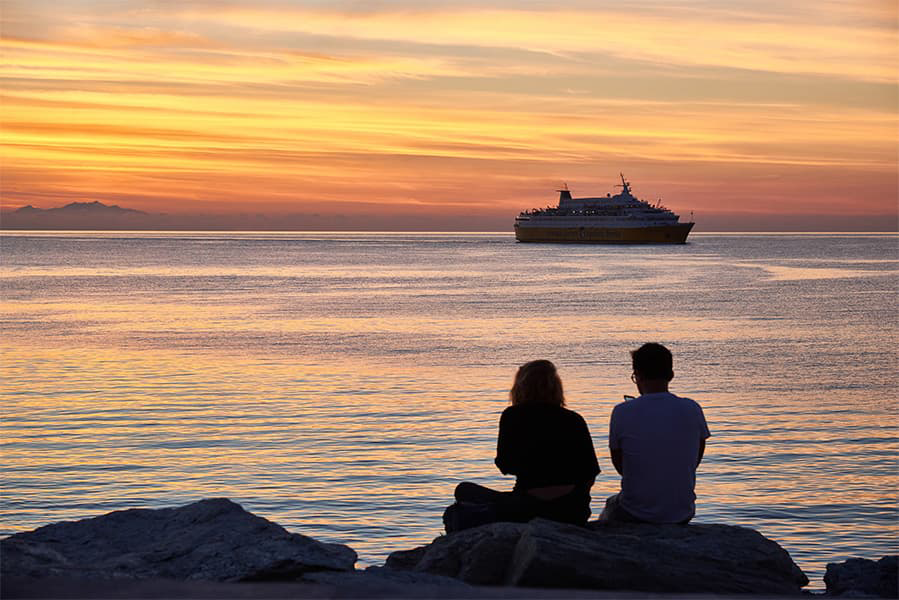
France Things to do
France is one of the world's most visited destinations — and for very good reason. From the romantic streets of Paris to the sun-drenched coastlines of Provence, the dramatic cliffs of Normandy to the vineyard-draped hills of Bordeaux, France offers a staggering variety of landscapes, cultures, and experiences all within a single country.
Whether you're a first-time visitor chasing iconic landmarks or a seasoned traveller seeking out hidden villages and Michelin-star restaurants, France rewards every type of explorer. Read on to discover why a ferry trip to France could be your best holiday decision yet.
Ferry Tip: Did you know you can reach France directly by ferry from the UK?
Direct Ferries offers easy crossings to Calais, Cherbourg, Caen, Dieppe, Le Havre, Roscoff, and more — putting all of France within reach without stepping on a plane. Compare ferries to France and start planning your trip today.
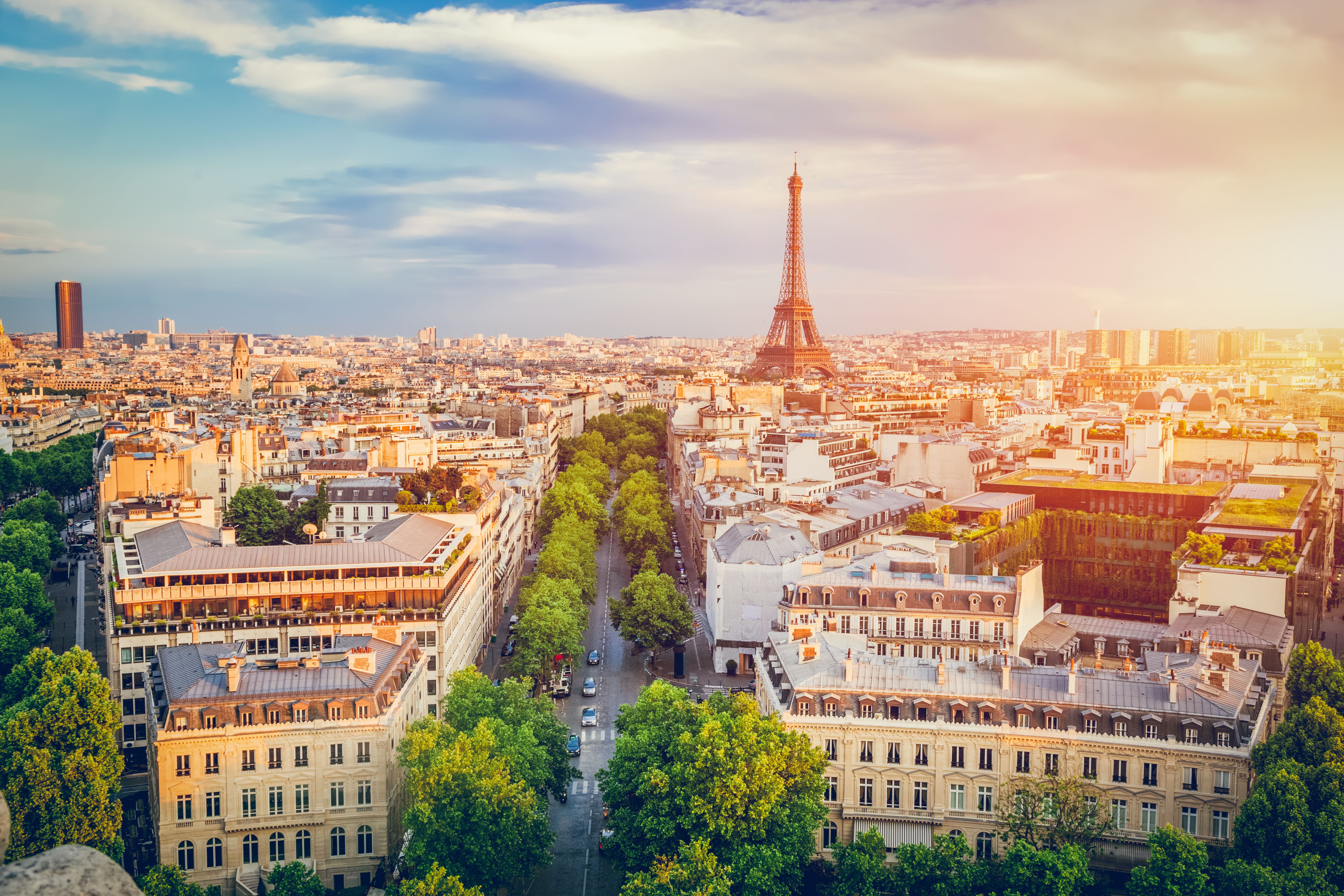
France is a country of extraordinary contrasts. Spanning over 550,000 square kilometres, it is the largest country in Western Europe and borders eight nations, giving it a cultural richness that few countries can match.
Mainland France, often called l’Hexagone for its six-sided shape, stretches from the English Channel and the Atlantic in the north and west, to the Mediterranean in the south, and to the Alps and Pyrenees in the east and south. Add to this its overseas territories, and France is truly a world unto itself.
This guide focuses on regions most beloved by travellers arriving by ferry from the UK, from Normandy’s historic beaches to the glamour of the French Riviera.
France is a year-round destination, but the best time to visit depends entirely on where you're going and what you want to do.
The country's diverse geography creates a fascinating range of climates: northern France is temperate and can be rainy, while the south enjoys a Mediterranean climate with long, hot summers. Here's what to expect season by season.
Spring is arguably the finest time to visit France. Crowds are lighter than in summer, prices are more manageable, and the countryside bursts into colour. In northern regions such as Normandy and Brittany, daytime temperatures typically range from 10–16°C in March, rising to 15–20°C by May. Normandy's apple orchards blossom spectacularly in April, making it a wonderful time to combine history with scenic beauty.
The Loire Valley sees its famous gardens and château grounds come to life, with spring temperatures averaging 14–20°C. Paris in spring is everything the clichés promise: café terraces fill up, the chestnut trees along the boulevards bloom, and daytime highs usually sit between 12–20°C.
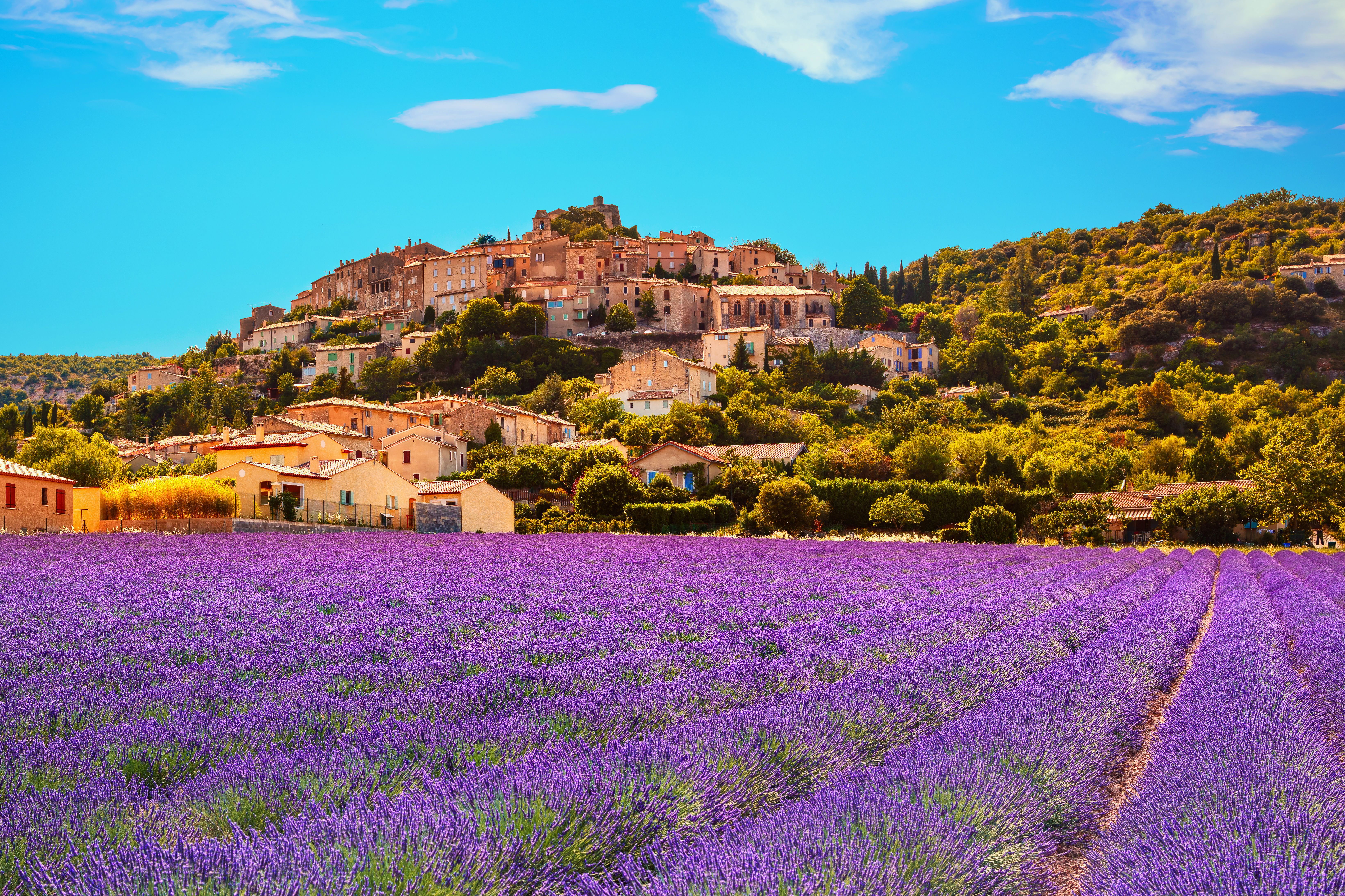
In Provence, lavender has not yet bloomed (that comes in July), but wildflowers carpet the Luberon hills, and temperatures are pleasantly warm at around 15–22°C without the summer heat. The Alps remain skiable early in spring at higher altitudes, while lower valleys experience mild hiking conditions of 10–18°C.
Ferry crossings in spring are highly recommended, as the seas are generally calmer than in winter and departures are still frequent.
Summer is peak season in France. The south, particularly the French Riviera, Provence, and the Dordogne, is filled with visitors from across Europe. Mediterranean regions regularly see daytime temperatures of 28–35°C, with heatwaves occasionally pushing temperatures higher. Prices spike and queues lengthen, but the rewards are real: guaranteed sunshine, longer days, outdoor festivals, and a buzzing atmosphere.
July is peak lavender season in Provence, where daytime temperatures range from 30–34°C inland and slightly cooler along the coast. Paris in summer averages 23–27°C, though hot spells can exceed 30°C.
Normandy and Brittany remain cooler and more temperate at around 20–24°C, making them popular summer destinations for ferry travellers seeking beaches and seafood without the extreme heat.
Autumn is the connoisseur's season. Grape harvests bring life to Bordeaux, Burgundy, and Alsace. Early autumn temperatures in wine regions average 20–25°C in September, cooling to 12–18°C by October. The south remains warm well into autumn, often enjoying daytime highs of 18–24°C. Paris is beautiful in autumn gold, with temperatures typically ranging from 11–18°C, and tourist numbers drop significantly after the school holidays end.
Normandy's cider and calvados season comes into full swing as temperatures cool to around 10–16°C. The Alps offer dramatic scenery before the ski season begins, with valley temperatures of 8–15°C and cooler conditions at higher altitudes.
For travellers arriving by ferry to Caen, Cherbourg, or Dieppe, autumn delivers cooler weather, excellent local produce, and relaxed driving conditions.
Winter in France is not to be underestimated. The Alps become one of Europe's best ski destinations, particularly in resorts such as Chamonix, Val d'Isère, and Méribel, where daytime temperatures typically range from -5°C to 5°C depending on altitude. Snow conditions are generally reliable between December and February. Paris in winter averages 3–8°C and is magical in December with Christmas markets and illuminated boulevards.
The south, especially the Côte d'Azur, remains mild and largely crowd-free, with winter daytime temperatures usually between 10–15°C. Christmas markets in Alsace, particularly in Strasbourg, are world-renowned, though temperatures there can drop to 0–5°C.
Northern France can be cold and grey, often ranging from 2–7°C, but ferry ports such as Calais and Cherbourg offer atmospheric, quieter off-season travel.
Utah, Omaha, Gold, Juno, and Sword Beaches form one of the most important historic landscapes in the world. The American Cemetery at Colleville-sur-Mer, with its 9,387 white marble crosses aligned in perfect rows above the beach, is one of the most affecting places in Europe. The Mémorial de Caen is the essential starting point for context, while its exhibition covering the causes and aftermath of the Second World War is comprehensive without being overwhelming.
Plan a minimum of two full days: one for the American sector (Utah, Omaha, the cemetery, and the Pointe du Hoc) and one for the British and Canadian beaches (Gold, Juno, Sword, and the Pegasus Bridge).
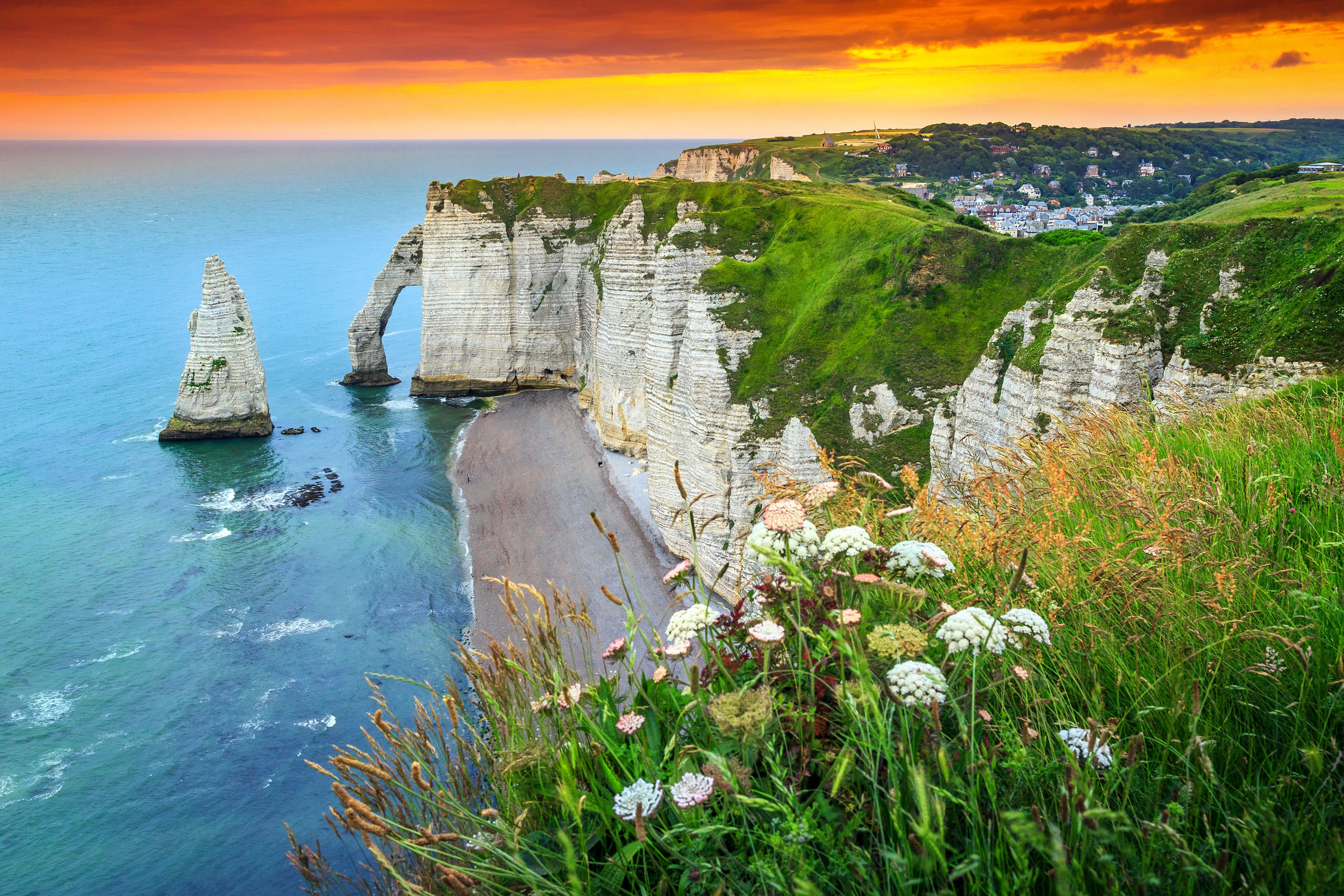
If you’ve already visited the D-Day beaches, here are two alternatives for seasoned travellers: Mont-Saint-Michel, the tidal abbey rising dramatically from the bay, or the Étretat cliffs, where chalk arches and needle formations line the Alabaster Coast.
Rising 80 metres from a tidal bay shared between Normandy and Brittany, Mont-Saint-Michel is one of those rare landmarks that exceeds expectation in person. The Benedictine abbey at its summit has been a place of pilgrimage since the 8th century, and the medieval village that spirals down the rock beneath it is remarkably well preserved.
Arrive early morning (before 9 AM) or in the evening after the day-trippers leave, and the island recovers something of its medieval atmosphere. Guided walks across the sands with a qualified guide, departing from several points around the bay, are among the most memorable experiences in all of Normandy.
Rouen is the kind of city that rewards those who linger rather than rush. The capital of Upper Normandy, it was one of medieval Europe's great cities, and despite severe wartime damage, its historic core remains remarkably intact. The Gothic cathedral is one of France's finest. In fact, Monet liked it so much that he painted it more than 30 times at different times of day.
The streets of the Vieux-Marché quarter, particularly the Rue du Gros-Horloge, with its 14th-century astronomical clock, are perfect for an evening stroll. Joan of Arc was tried in the Archbishop's Palace here and burned at the stake in the Place du Vieux-Marché in 1431, while the striking modern church built on that spot is a moving memorial and a fascinating piece of 20th-century architecture.
The Côte d'Albâtre, the Alabaster Coast, between Étretat and Dieppe, is one of the finest coastal walking destinations in northern France, with 90km of chalk cliffs, hidden beaches, and clifftop pasture linked by a well-marked trail. The Étretat–Fécamp section (around 18km, approximately 5 hours) is the most spectacular, taking in the Falaise d'Aval arch and needle before dropping into the village of Yport.
Beyond the D-Day sites, Caen Castle, built by William the Conqueror after 1060, is one of the largest medieval castles in Europe and houses two excellent regional museums within its walls. The ruins of Jumièges Abbey, rising from woodland on a bend of the Seine, are among the most romantically atmospheric in France.
The D-Day Anniversary commemorations on and around 6th June each year are unlike anything else in the French events calendar. A sequence of official ceremonies are held at the beaches and cemeteries, veterans' gatherings, re-enactment events, and moments of collective remembrance.
In September, Deauville's American Film Festival, one of the most prestigious in Europe, brings Hollywood stars to the Norman coast for a week of screenings, premieres, and events in the town's Belle Époque casino and seafront hotels.
Suisse Normande offers kayaking and hiking through wooded valleys, while Lyons-la-Forêt is one of France’s most beautiful villages, surrounded by an ancient beech forest.
There is nowhere else in the world quite like the Pink Granite Coast. Stretching for around 10km between Perros-Guirec and Trébeurden on the northern tip of Brittany's Côtes-d'Armor, this shoreline of rose-coloured boulders tumbles directly into water that, on a clear day, turns an improbable shade of turquoise.
The rocks themselves are between 300 and 500 million years old, owing their distinctive colour to the high concentration of pink feldspar in the granite.
The Sentier des Douaniers footpath winds for 7km between Perros-Guirec and Ploumanac'h along the base of the boulders, passing tiny coves, a lighthouse, and the ruins of an oratory with views across to the Sept-Îles archipelago, one of France's most important seabird sanctuaries.
Saint-Malo is one of those rare cities that wears its history on its sleeve without feeling like a museum piece. Founded on a rocky island connected to the mainland by a narrow causeway, the city spent several centuries as a base for the corsairs, who made it one of the wealthiest ports in France.
Walk the full circuit of the ramparts (about 2km, free, accessible from several points) for views across the Rance estuary, the offshore islands, and the beaches of the Grande Plage and the Plage du Bon Secours — the latter has a remarkable tidal sea pool carved into the rocks that fills at high tide and is perfectly safe for swimming.
The Gulf of Morbihan (the name means "little sea" in Breton) is one of France's best-kept secrets, an almost entirely enclosed inland sea, roughly 20km across, dotted with around 40 islands and islets and ringed by low-lying shores of marsh and oyster beds.
The town of Vannes at the northern end of the gulf is beautifully preserved, its medieval ramparts, lavoir (washhouse), and half-timbered streets around the cathedral are among the finest in Brittany, and make the ideal base for exploring the region.
Brittany's 2,700km of coastline, the longest of any French region, makes it one of the finest outdoor destinations in the country. The Atlantic-facing beaches of Finistère, particularly around Crozon, La Torche, and Audierne, generate consistent and powerful swell that makes them some of France's best surf spots, while La Torche is widely considered the best surf beach in Brittany.
The GR34 long-distance footpath, which traces the entire Breton coastline for over 2,000km, is one of France's great walking routes. Even a two or three-day section between Roscoff and Morlaix, or around the Crozon Peninsula, offers walking of extraordinary quality.
The walled city of Concarneau, with its medieval fortifications rising directly from the harbour water, is one of the most visually striking historic sites in Brittany and houses an excellent fishing museum within the ramparts. The cathedral city of Quimper, Brittany's cultural and artistic capital, has a beautiful Gothic cathedral with twin spires and an outstanding collection of Breton faïence pottery in the Musée Départemental Breton.
The Festival Interceltique de Lorient, held every August for ten days, is the largest Celtic gathering in the world, drawing over 750,000 visitors and participants from every Celtic nation. Alternatively, the Route du Rock festival in Saint-Malo takes place every August in the fort of Saint-Père, and is one of France's most respected independent music festivals, set within a historic monument.
The Crozon Peninsula, jutting westward from Finistère into the Atlantic, is one of France's most beautiful and least-visited areas, a landscape of 100-metre cliffs, deserted coves, heathland covered in gorse and heather, and fishing villages that see a fraction of the tourist traffic that reaches better-known parts of Brittany.
The Cap de la Chèvre at its southern tip and the Pointe de Pen-Hir on its northern coast offer clifftop walking of genuine grandeur, with views extending on clear days to the Île de Sein and beyond.
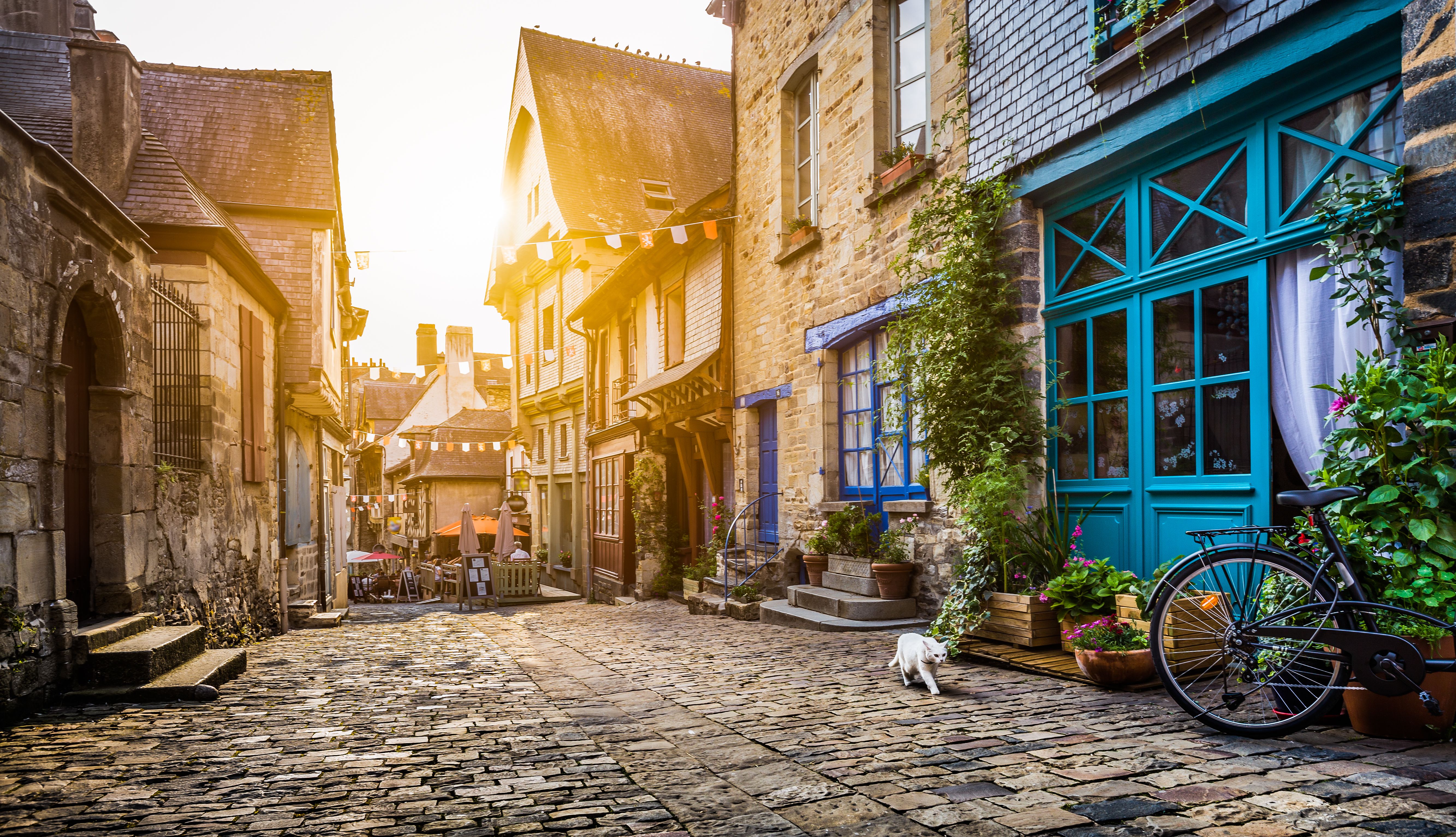
The Louvre is the largest art museum in the world, with around 35,000 works on display, and a collection that spans 9,000 years of human civilisation from ancient Mesopotamia to 19th-century French painting. It is also home to some of the most celebrated pieces in Western art, including the Mona Lisa and The Winged Victory of Samothrace.
Make sure that you book timed entry tickets online at least a week in advance (earlier if possible). Arriving at opening time on a Wednesday or Friday evening, when the museum stays open until 21:45, dramatically reduces the crowds.
Gustave Eiffel's iron lattice tower was built in 1889 as a temporary structure for the World's Fair, and has since become not merely the symbol of Paris but one of the most recognisable structures on earth, visited by around seven million people every year.
On the first floor (57 metres), a glass floor section allows you to look straight down through the ironwork to the ground below, while the second floor (115 metres) has the best combination of height and visual clarity, with the city laid out in every direction.
Book summit tickets online months in advance for summer visits, as the queues for on-the-day tickets can be several hours long. The best view of the tower itself, rather than from it, is from the Trocadéro esplanade on the opposite bank of the Seine. At night, on the hour from dusk until 1 AM, 20,000 light bulbs illuminate the entire structure in a five-minute sparkling display.
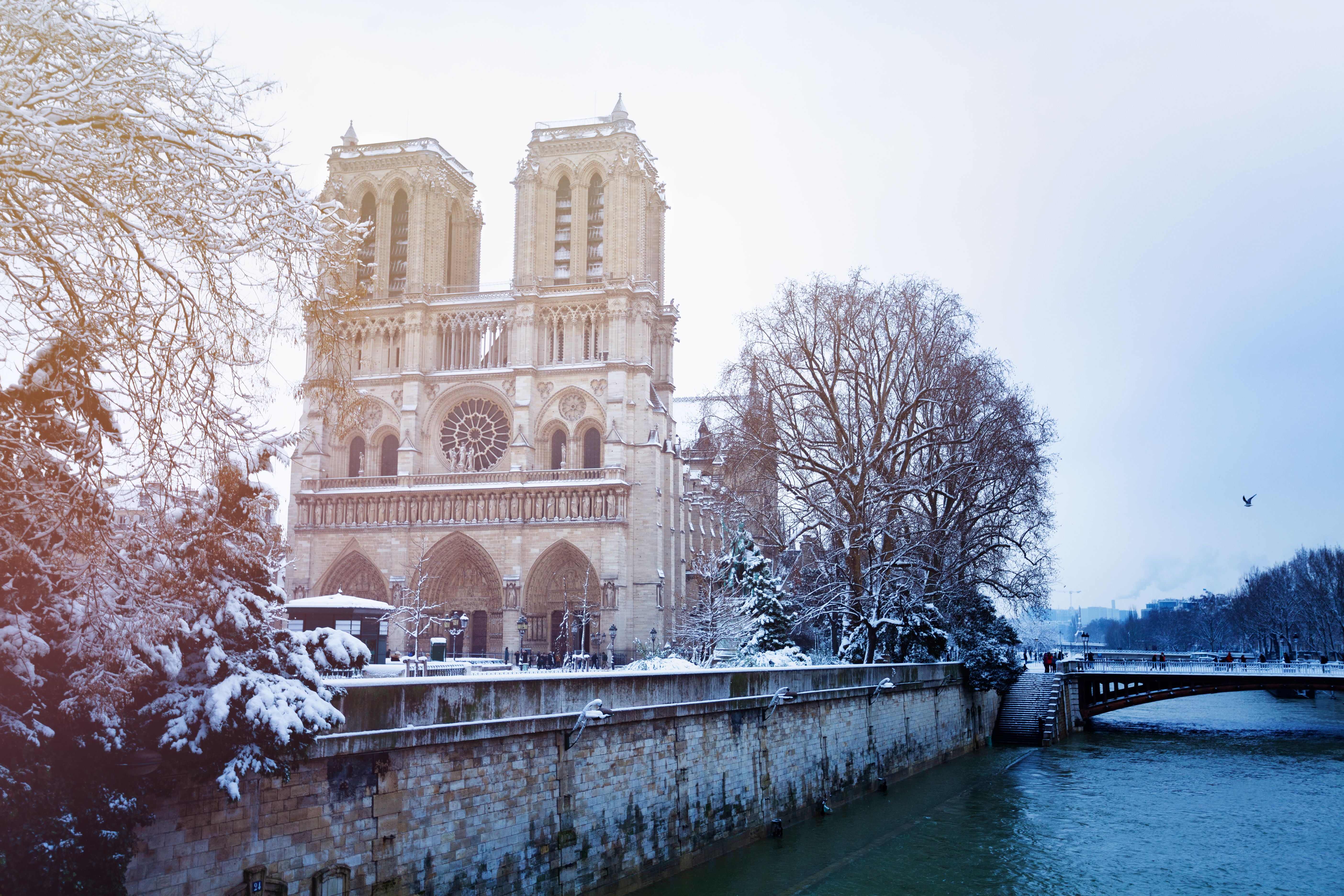
Notre-Dame is a masterpiece of High Gothic architecture, begun in 1163 and completed over two centuries, and it repays close attention: the three rose windows, the carved portal tympana above the west doors, and the famous flying buttresses (best seen from the Square Jean XXIII behind the cathedral, where they fan out from the choir in a web of stone arches) are all extraordinary. Queues to enter can be very long, so arrive early or visit on a weekday morning.
Paris has considerably more green space than its density suggests. The Bois de Boulogne to the west and the Bois de Vincennes to the east are vast forested parks, each roughly the size of the entire city centre, with lakes, cycling paths, boating ponds, and, in the case of Vincennes, a magnificent medieval castle and a zoo.
Alternatively, the Canal Saint-Martin, running for 4.5km through the 10th and 11th arrondissements, is one of the most enjoyable walking and cycling routes in Paris, where you will pass some of the best independent cafés, bookshops, and restaurants in Paris.
The Musée d'Orsay, housed in a spectacular converted Beaux-Arts railway station on the Left Bank, contains the world's greatest collection of Impressionist and Post-Impressionist painting: Monet's series paintings, Renoir, Degas, Cézanne, Van Gogh, Seurat, and many others. We suggest arriving when it opens or in the final two hours before closing to avoid the worst of the crowds.
The Conciergerie on the Île de la Cité preserves the cell where Marie Antoinette was held in the final weeks before her execution in 1793, along with an exhibition on the Revolutionary Tribunal that condemned thousands to the guillotine.
Bastille Day on 14th July is France's national day and Paris's greatest annual spectacle. The military parade down the Champs-Élysées, the longest in Europe, begins at 10am and features troops from France's armed forces and allied nations, preceded by a fly-past of the Patrouille de France aerobatic display over the Arc de Triomphe.
The Roland-Garros French Open tennis tournament, held at the Stade Roland-Garros in late May and early June, is one of the four Grand Slam events and the only one played on clay. Tickets for the early rounds are relatively accessible if booked in advance through the official ballot.
The Château de Vaux-le-Vicomte, 55km south of Paris near Melun, is one of the most perfectly realised Baroque ensembles in France. Unlike Versailles, you can visit it without queuing or crowds. On summer Saturday evenings, the château runs candlelight visits with 2,000 candles illuminating the interior, one of the most atmospheric experiences in the Île-de-France.
The medieval royal city of Senlis, 45km north of Paris near Chantilly, is a marvel that doesn’t get the attention it deserves. A Gothic cathedral begun in 1153, and a network of medieval streets so intact that film crews use it regularly, yet it attracts almost no international visitors.
Spend a morning here before an afternoon at the nearby Château de Chantilly, whose art collection (the Musée Condé) is the finest outside the Louvre.
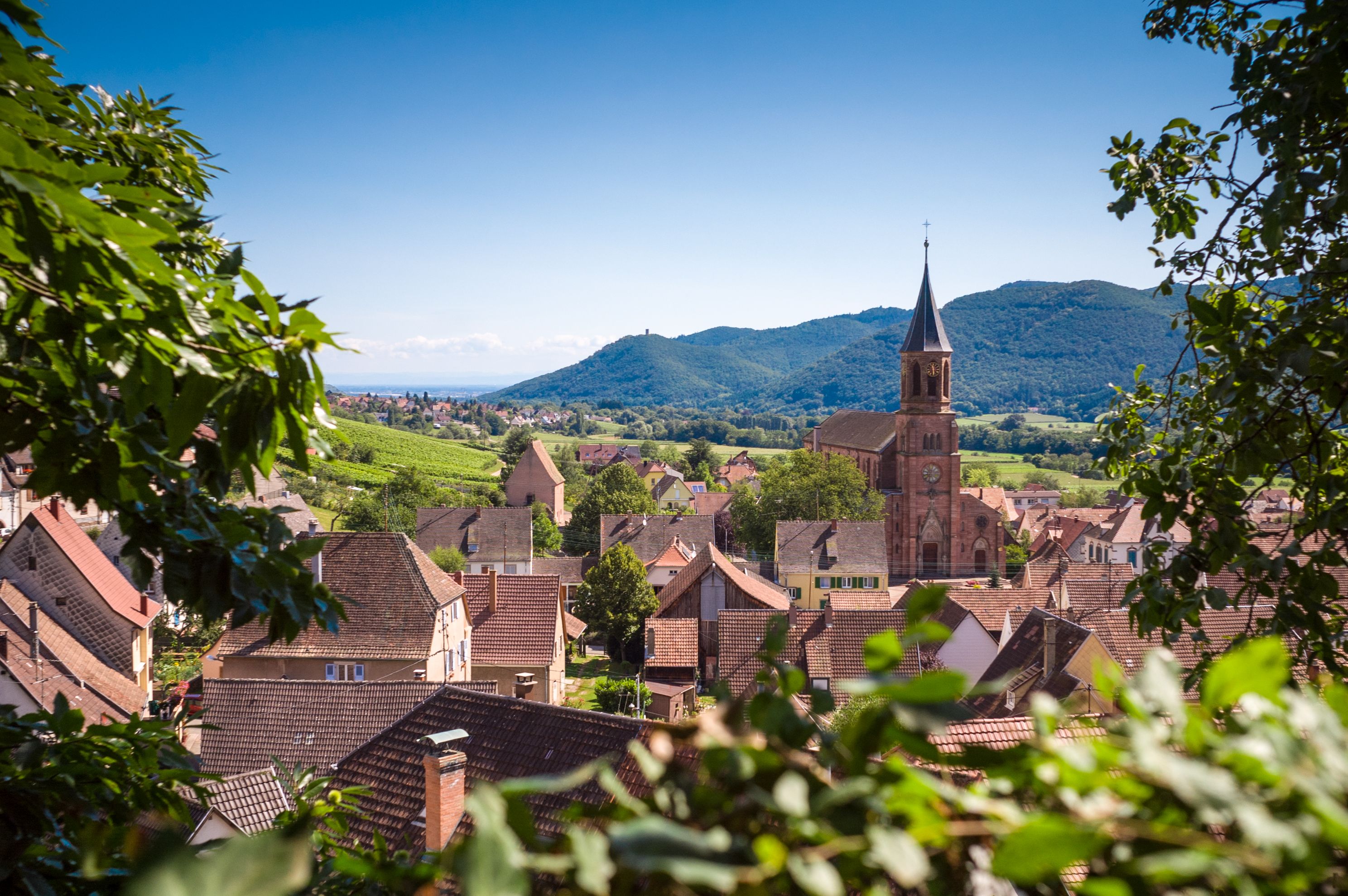
French cuisine is, by universal consensus, among the greatest in the world, a tradition so deep-rooted and influential that it was inscribed on UNESCO's Intangible Cultural Heritage list in 2010. Eating in France is not merely sustenance; it is a cultural ritual and a source of fierce regional pride.
Normandy is a dairy country. The region produces Camembert, Livarot, Pont-l'Évêque, and Neufchâtel cheeses, and its butter and cream appear in countless dishes. Moules marinières, mussels cooked in cream and cider, are a Norman classic.
The apple orchards of the Pays d'Auge produce the region’s two signature drinks: dry cidre normand and calvados apple brandy. In the far north, around Boulogne and Calais, the cuisine takes on a distinctly Flemish character, with dishes such as carbonnade, waterzooi, and Flemish rabbit stew appearing alongside excellent fresh-caught North Sea fish and chips — the frites here are genuinely exceptional.
Brittany’s gastronomic identity rests on three pillars: seafood, crêpes, and butter. Cancale oysters, harvested from the bay of Mont-Saint-Michel, are among the finest in the world and are often eaten straight from the market with a squeeze of lemon and a glass of Muscadet.
Buckwheat galettes, savoury crêpes traditionally filled with ham, egg, and cheese, form the backbone of everyday Breton meals, followed by sweet crêpes drenched in butter and sugar. Breton butter itself, made from cultured cream and sea salt from Guérande, is used with remarkable generosity and is widely considered the finest butter in the world.
Paris is the gastronomic capital of a gastronomic nation and is home to more Michelin-starred restaurants than any other city on earth. Yet the city’s food culture is just as compelling at street level: the croissant eaten on the go, the jambon-beurre baguette from the local boulangerie, and the simple perfection of steak-frites at a zinc-topped bistro.
For visitors, Paris’s covered markets, notably the Marché des Enfants Rouges and the Marché d’Aligre, offer an essential insight into everyday French food culture. Classic Parisian dishes include French onion soup, sole meunière, beef bourguignon, and crème brûlée.
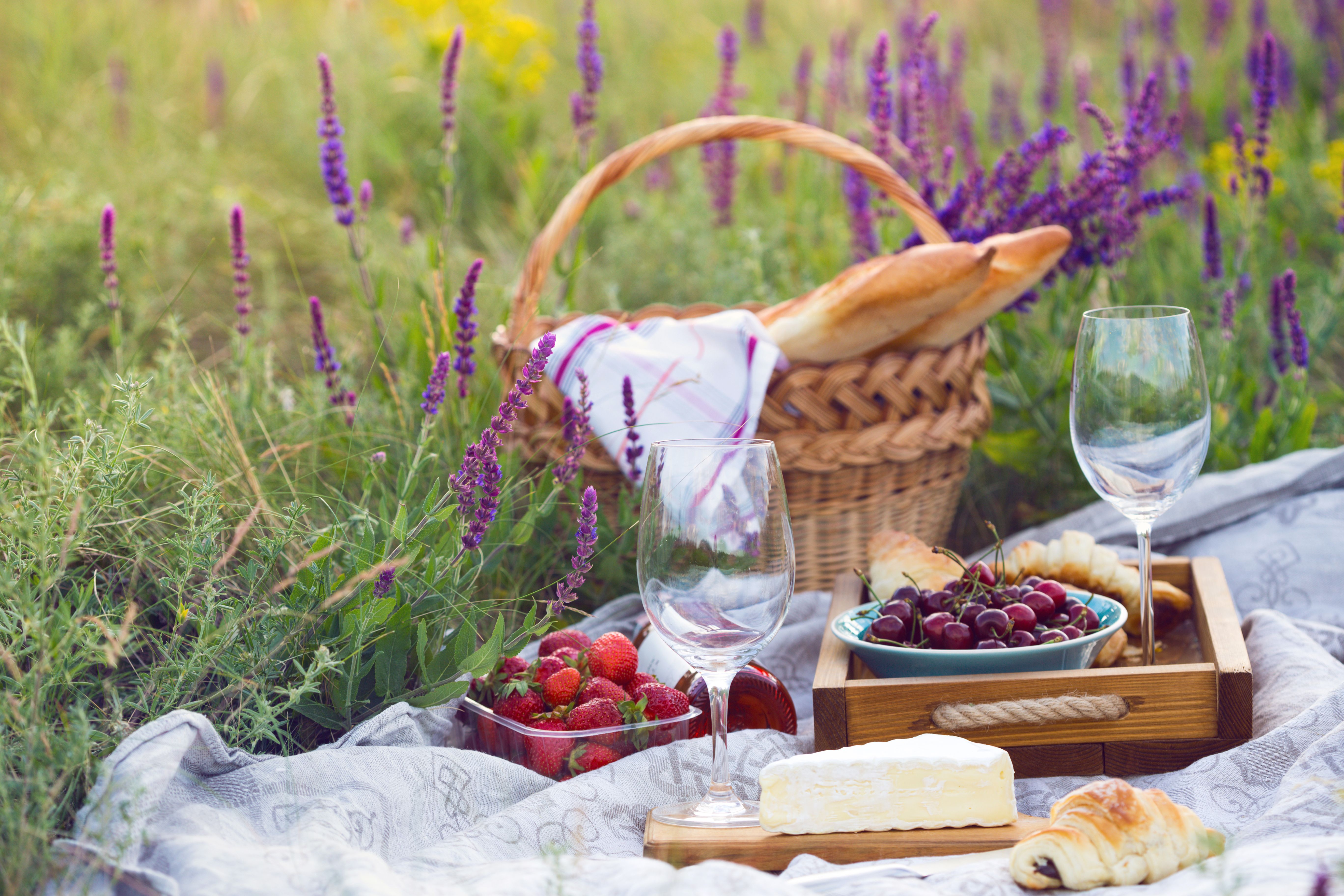
France has one of the world’s finest transport networks, a high-speed train system that connects all major cities, an excellent motorway network, and efficient regional public transport. However, for visiting rural areas, particularly Normandy, Brittany, the Loire Valley, the Dordogne, and Provence, a car remains by far the most practical option.
For those arriving by ferry, the freedom of a car is one of the great advantages of this mode of travel.
Driving in France is generally quite easy. The motorway (autoroute) network is extensive and well-maintained but toll-based. You should budget approximately €30–50 for a full crossing from Calais to Bordeaux. The speed limit on autoroutes is 130 km/h (110 km/h in rain). Remember that French drivers use the right-hand lane as a driving lane and the left for overtaking.
A breathalyser (éthylotest), reflective vests, and a warning triangle are legally required in the car. The priorité à droite rule (giving way to vehicles joining from the right) applies on unmarked roads, including some roundabouts in older towns, so take care. Fuel is generally cheaper at supermarket (grande surface) filling stations than at motorway services.
The SNCF (Société Nationale des Chemins de Fer) rail network is one of the world’s best. The TGV (Train à Grande Vitesse) high-speed network connects Paris to Bordeaux in just over 2 hours, Paris to Lyon in under 2 hours, Paris to Marseille in about 3 hours, and Paris to Strasbourg in under 2 hours. Intercités trains connect regional centres at lower speeds.
The OUIGO low-cost TGV service offers very cheap high-speed travel if booked in advance.
The France-wide rail passes (like the Eurail France Pass) can be economical for multi-city itineraries. Within cities, excellent metro, tram, and bus networks cover most needs. Paris’s Métro is one of the world’s most comprehensive urban rail networks.
France has an extraordinary network of long-distance walking routes, the Grande Randonnée (GR) paths, which traverse the entire country, including coastal routes like GR34 around Brittany’s coastline, mountain paths like GR5 from the Netherlands to Nice via the Alps, and cultural routes such as the GR65 (the Camino de Santiago pilgrimage from Le Puy-en-Velay to the Spanish border).
Most towns and villages in France are walkable, and the culture of the promenade means that pedestrian-friendly town centres are the norm rather than the exception.
Ferry travel remains one of the best ways to begin a holiday to France, especially if you want to arrive with a car and drive straight into the regions you plan to visit. Direct Ferries lets you compare and book crossings on all major UK to France ferry routes:
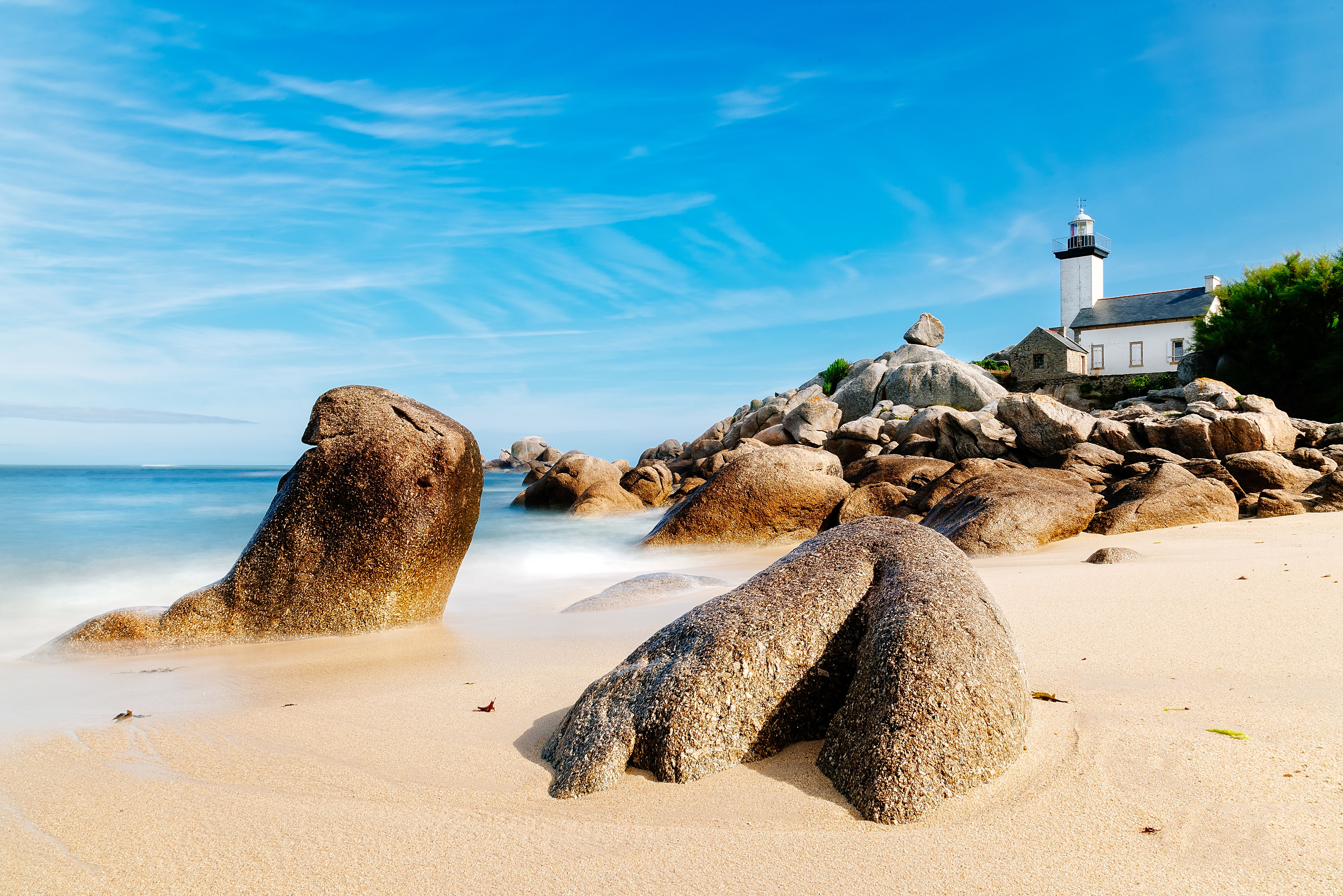
France is a welcoming and well-organised country for visitors, but there are some cultural norms, practical considerations, and quirks of French life that are worth knowing before you travel.
Greetings matter in France. Always say 'Bonjour' (or 'Bonsoir' in the evening) when entering a shop, café, or restaurant, and 'Au revoir' when leaving. Failing to greet people is considered rude, not merely indifferent. In Paris, especially, making even a small effort with French is warmly received. 'Excusez-moi, parlez-vous anglais?' goes a long way.
Driving in France requires a Crit'Air vignette sticker for certain urban zones (Paris, Lyon, Grenoble, and others operate low-emission zones where older vehicles may be restricted or banned). Purchase this online before travel at the official French government website. UK driving licences are valid in France (post-Brexit, an International Driving Permit is not required, but a translation may be requested). A GB sticker or number plate is required on UK-registered vehicles. Drive on the right and give way to the right unless road markings indicate otherwise.
The drinking age in France is 18, though ID checks are relatively rare compared to the UK. Public drinking is generally tolerated. Smoking is banned in all indoor public spaces, but is common in outdoor café and restaurant terraces.
Emergency numbers in France: 15 (SAMU medical emergencies), 17 (Police), 18 (Fire), 112 (European general emergency number, works in France).
Yes, several ferry operators run regular crossings from UK ports to France, offering routes that suit different starting points and destinations. These include Dover to Calais, Portsmouth to Caen, Portsmouth to Cherbourg, Plymouth to Roscoff, Newhaven to Dieppe, and Portsmouth to Le Havre.
Crossings range from 90 minutes (Dover to Calais) to around 6 hours (Portsmouth to Caen), and overnight sailings are also available on some routes. Taking your car means you have complete freedom to explore France at your own pace once you arrive.
British citizens do not currently need a visa for short stays in France (up to 90 days within any 180-day period). However, the EU's ETIAS (European Travel Information and Authorisation System) — a pre-travel authorisation similar to the US ESTA — is expected to come into effect for UK nationals visiting Schengen Area countries, including France.
Check the latest requirements at the UK government's travel advice pages before booking. A valid passport is required; an ID card is not sufficient for British citizens post-Brexit.
No, a valid UK driving licence is sufficient to drive in France. However, you will need a Crit'Air vignette sticker to drive in certain low-emission zones (including central Paris), and your vehicle must display a GB identifier (sticker or number plate). You are legally required to carry a reflective vest, a warning triangle, and a breathalyser in your vehicle.
France is an outstanding family destination. The Loire Valley's châteaux, Brittany's beaches and prehistoric megaliths, Normandy's D-Day history (for older children), the Dordogne's cave art, the Alps (both skiing and summer activities), Disneyland Paris, and the Camargue's flamingos and wild horses all appeal brilliantly to children of different ages.
French campsites are excellent and numerous, and the freedom of arriving by ferry with your own car gives families the flexibility that makes travel with children so much more enjoyable.
The easiest way is to use our Deal Finder to compare prices across all operators and routes in real time. Booking in advance (particularly for summer sailings), being flexible about departure times, and considering overnight crossings can all significantly reduce costs. Early morning and late-night sailings are typically cheaper than peak daytime crossings.
Ready to explore France? Compare ferries to France and find the crossing that suits you best.
More routes than anyone else.

Compare fares, times & routes in one place.
Change plans easily with flexi tickets.

Book e-tickets & manage trips in-app.
Live ship tracking & real-time updates.

Top-rated customer support when you need it.