Things to do in The Isle of Wight

Things to do in The Isle of Wight
Located just off England’s south coast, the Isle of Wight is renowned for its diverse landscapes, vibrant festivals and heaps of exciting attractions - from adventure parks to royal retreats and historical landmarks. Read on to find out more about the island, including the best time to visit and the top things to do whilst you’re there.
Tip: Make the journey part of the adventure by arriving by ferry. Just a short sail from the mainland, you can hop on a ferry to the Isle of Wight from Southampton, Portsmouth, Lymington and Southsea.
With its 57-mile-long coastline to its ancient woodlands and rolling green hills, the Isle of Wight is a dream for adventure-seekers and nature-lovers alike. Combined with its rich history and lively culture, this island escape offers something for everyone.
In East Wight, classic seaside resorts like Ryde and Shanklin offer sandy coves and nostalgic charm with amusement arcades and Victorian promenades. To the west, dramatic landscapes steal the spotlight, most notably The Needles, where iconic chalk stacks rise from the waters. Meanwhile, North Wight, home to the vibrant sailing town of Cowes with its annual regatta, is steeped in maritime heritage. Then there’s the central hub of Newport which sits at the heart of the island with independent shops, restaurants and must-see attractions like Carisbrooke Castle just a short distance away.
The time you visit the Isle of Wight can make all the difference to your experience. Despite being known as one of the sunniest destinations in the UK, the Isle of Wight offers something different each season.
With a peaceful atmosphere and quieter attractions, springtime on the Isle of Wight is the perfect season to explore the island before the summer crowds arrive. The weather is starting to warm up, with daytime temperatures ranging from 10 – 15°C, ideal for outdoor adventures - whether that be embarking on the 70-mile Isle of Wight Coastal Path or soaking up the views from the Ventnor Downs.
The south and central areas are more sheltered, with milder conditions, whilst the east and north can be breezier, and the west windier and cooler. Spring showers are also common so don’t forget to pack waterproofs, light layers, and comfy walking shoes. Another reason to visit in spring is the island’s turning landscapes – from the lush green hills around the Carisbrooke Castle Circular Walk to the sprouting bluebells at Borthwood Copse and the wildflowers at Newtown National Nature Reserve.
Personal recommendation: Visit Ventnor Botanic Gardens in spring to see the flowers in full bloom. Thanks to its unique microclimate, it’s also a great spot to enjoy a bit of extra warmth even if the spring temperatures are still cool.
Summer in the Isle of Wight means glorious sunshine, warm temperatures between 18-22°C and long daylight hours. Rainfall is lower than in other seasons too, making it the ideal season for outdoor activities, whether that be swimming, paddleboarding or cycling. The south, east and central areas tend to be the warmest – great for beach days and in-land adventures, whilst West Wight is windier, perfect for surfing, and North Wight enjoys cooler breezes that make great sailing conditions. It’s arguably the best season to enjoy the island’s 57-mile coastline. Classic resorts such as Shanklin and Sandown on the east attract families with their golden sands and amusement arcades. If you’re more about the countryside than the coast, summer is also a perfect time to explore the island’s lush inland landscapes, including forests such as Brighstone and Parkhurst where you can take a stroll or enjoy a shaded picnic. The downs are also at their greenest during the summer months, perfect for scenic walks. Summer on the Isle of Wight is also lively, with a full calendar of events. From Newport’s world-famous Isle of Wight Festival to Cowes Week and the unique Garlic Festival, there’s always something going on. Personal recommendation: on a clear summer evening, head to The Needles to watch the Isle of Wight’s spectacular sunsets.
Similar to spring, autumn on the Isle of Wight is quieter, with the summer tourist crowds fading, making it a great time to explore popular sites such as Carisbrooke Castle without the crowds. It’s also a great time to visit for a budget-friendly break, with accommodation and ferry prices generally cheaper than in the peak summer months. Temperatures in autumn drop, ranging from around 11-18°C, with September typically seeing the highest temperatures. Early autumn often brings mild sea temperatures too, especially along the sheltered south coast, making swimming still enjoyable. East Wight’s beaches, including Shanklin and Sandown, are also pleasant in early autumn, whereas West Wight near Freshwater can be windier and prone to stormy weather. If you’re wanting to enjoy outdoor activities, we’d recommend sticking to the south, east, and central areas. Due to the cooler temperatures, hiking and cycling are great in autumn, especially on trails such as the Tennyson Trail and the Red Squirrel Trail. The island’s landscapes also come alive in autumn with colourful leaves and golden light, making it a perfect time for photographers and nature enthusiasts alike. Personal recommendation: rent a bike and cycle through the Red Squirrel Trail, spotting the red squirrels and admiring the picture-perfect views
Although milder than much of the UK, winter is the coldest season on the Isle of Wight. Daytime temperatures range from 8-10°C, and nights are even cooler, making thick layers a must. This makes winter an ideal time for cosy couples’ getaways, with romantic frosty strolls followed by traditional pub dinners beside blazing fires. Winter also brings a fun festive atmosphere to the Isle of Wight, with Christmas celebrations taking place all over the islands. Popular events include the Northwood House Christmas Fair and the Wight Brainy Bunch Christmas Market. Attractions like Arreton Barns and the Isle of Wight Donkey Sanctuary also host festive events including Santa’s grottos – making winter the perfect time to visit for families too. Winter is also a great time to experience the island’s dramatic landscapes. Popular landmarks like The Needles are especially extraordinary during this time, with waves crashing against the cliffs. The usual bustling beaches of Shanklin and towns like Newport are also at their quietest, ideal if you’re seeking a peaceful escape. Personal recommendation: Visit the Garlic Farm and see the I Love Wight Pop Up Christmas Shop where you can buy unique homemade gifts for those back home.
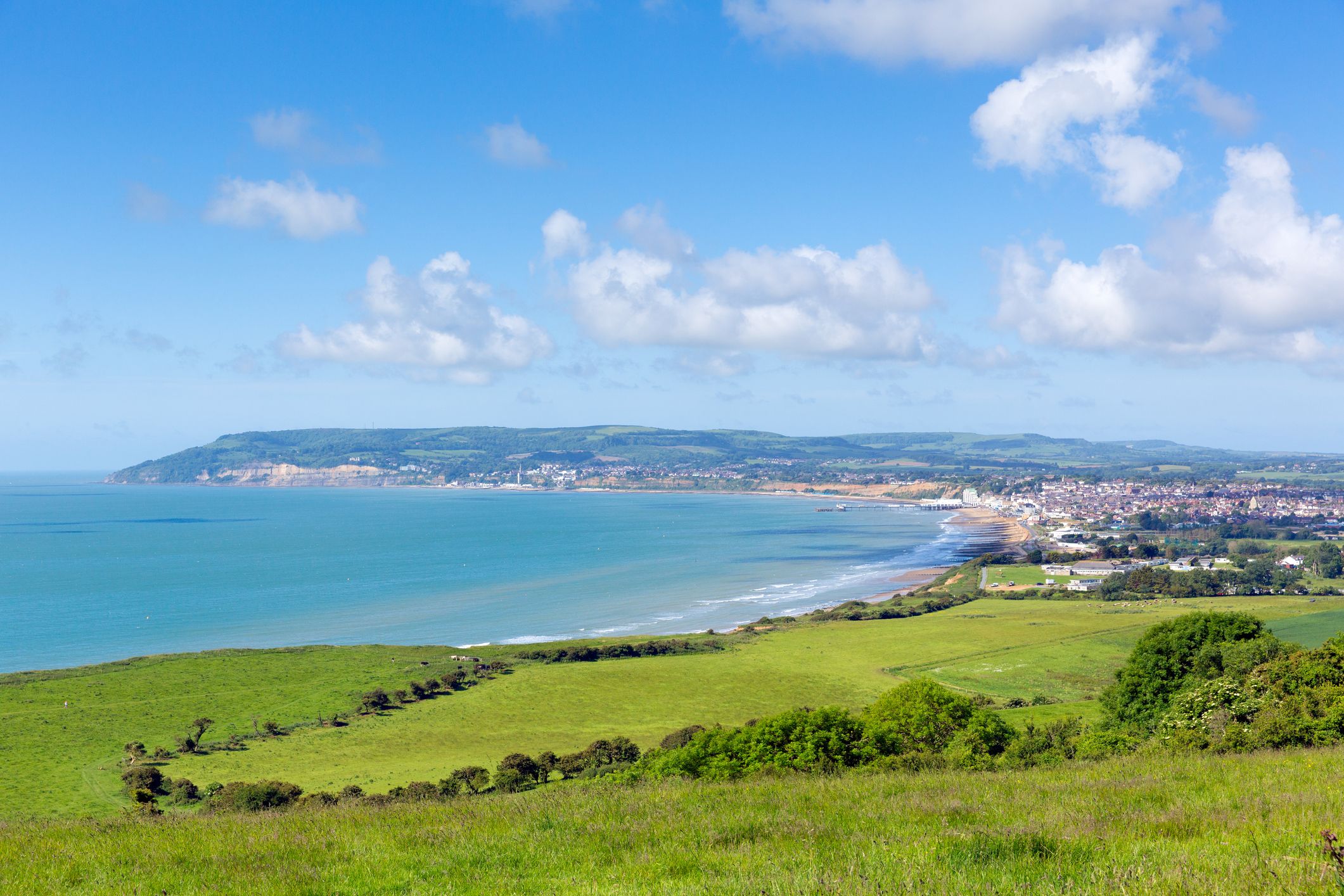
If you're wanting to experience the island's natural beauty, you can’t miss a trip to Shanklin Chine. The Isle of Wight’s oldest attraction is a steep-sided gorge surrounded by waterfalls with narrow pathways winding through the lush greenery. In the peak season, the gorge is also illuminated, creating a magical atmosphere. You’ve already visited Shanklin Chine? Here are 2 alternatives for seasoned travellers: Ryde Beach is also a popular place to visit in East Wight. Soft golden sands, shallow waters and a wide range of amenities make it perfect for families, especially in the summer months. The beach is home to the second-longest pier in the UK, which is also a major transport hub, serving ferries from Portsmouth. Another popular and slightly different attraction is Dinosaur Isle in Sandown. The family-friendly museum features life-sized models of the Isle of Wight’s famous five dinosaurs.
East Wight is popular with outdoor adventurers. Coastal walks include the Sandown to Shanklin cliff path and Bembridge to Culver Down where you can enjoy beautiful views across Sandown Bay. East Wight is also a popular spot for cyclists with the Red Squirrel Trail connecting Ryde, Sandown and Shanklin. In summer, watersports such as paddleboarding are also popular at Sandown Bay.
You can get your history fix at sights including Brading Roman Villa, where you can see the remains of a well-preserved Roman villa, along with Bembridge Windmill, the last surviving windmill on the island which dates back to the 18th century. The Isle of Wight Steam Railway also touches on the island’s rich railway heritage – hop on board and let the vintage carriages take you back in time.
Cultural events on East Wight include Ryde Carnival, which is said to be the oldest carnival in the UK which features a colourful procession, and Sandown Carnival, a volunteer-run family event with parades and live music.
Borthwood Copse is a beautiful place for a scenic stroll and to see red squirrels – visit in spring to see the Bluebells or in autumn to see the vibrant ever-changing landscape. Seagrove Bay is also great for those who prefer a quieter spot to the busier Ryde.
The Needles are the Isle of Wight’s most iconic natural landmark. These dramatic white chalk stacks rise from the sea at the western tip of the island, alongside the historic Needles Lighthouse. From Alum Bay, you can take the chairlift down to the beach, famous for its multi-coloured sand cliffs. The surrounding headlands also offer spectacular coastal views. You’ve already visited The Needles? Here are 2 alternatives for seasoned travellers: Head to Freshwater Bay, a picturesque cove framed by chalk cliffs and popular for scenic walks and sea views. Yarmouth is also a must-visit, home to the historic Yarmouth Castle. The charming harbour town also offers boutique shops and waterside restaurants, making it a great choice for a fun day out.
West Wight is ideal for walkers and outdoor enthusiasts. The Tennyson Trail is one of the island’s most popular walks, offering stunning views of the coast and countryside. Tennyson Down is also popular for hiking. If you fancy surfing, Compton Bay is one of the island’s best places to ride the waves.
History lovers can explore Yarmouth Castle, a coastal defence built by Henry VIII, which offers beautiful views across the Solent. Dimbola Museum & Galleries in Freshwater is also a must for photographers with year-round exhibits. The traditional thatched cottages in Brighstone village also give you a glimpse of the island’s past.
Yarmouth Old Gaffers Festival celebrates the town’s maritime heritage with food stalls and live music. You’ll also find many community-led events across the region, especially in the summer months.
Avoid the crowds of the main Needles viewpoint and head to Headon Warren with its scenic walking trails and stunning panoramas. Brighstone Forest is also a great place for a peaceful woodland walk and is especially good for hikers and mountain bikers.
Queen Victoria’s seaside residence, Osborne House, is one of the Isle of Wight’s top attractions. You can explore the lavish rooms and take a stroll through the picturesque gardens to get a glimpse into royal life. You’ve already visited Osborne House? Here are 2 alternatives for seasoned travellers: Don’t miss Cowes, the island’s sailing capital, where you can wander along the waterfront, browse independent shops and tuck into delicious seafood in one of the restaurants. Quarr Abbey near Fishbourne is also a popular attraction. The Catholic Benedictine monastery is set in beautiful gardens and has a tea and farm shop.
Outdoor activities in North Wight are mainly centered around the coast, with coastal walks like Cowes to Gurnard offering scenic sea views. Sailing and watersports are especially popular in North Wight, with Cowes being famous for its annual regatta.
Osborne House and Quarr Abbey are the region’s main historic sights, but you can also visit St Mildred’s Church in Whippingham, a church which was also associated with Queen Victoria.
Cowes Week, which takes place every August, is one of the longest-running regattas in the world with competitions, a vibrant atmosphere, and family-friendly entertainment. The Round the Island Race, an annual yacht race, also begins and ends in Cowes. But it’s not all about sailing here, Cowes Fringe takes place in May, celebrating all things music, theatre and comedy.
For a peaceful evening, head to Egypt Point in Cowes and watch the sunset across the Solent. Gurnard Marsh, with its birdwatching opportunities, is also a great place to escape the crowds.
Carisbrooke Castle is one of the Isle of Wight’s most important historic landmarks. The medieval fortress was where King Charles I was imprisoned. You can see donkeys, enjoy panoramic views, and explore the museum. You’ve already visited Carisbrooke Castle? Here are 2 alternatives for seasoned travellers: Head to Godshill, a picturesque village known for its thatched cottages and traditional tearooms. Arreton Barns, the island’s largest arts and crafts centre, is also a great place to visit with its artisan workshops and local produce.
With its lush rolling hills, Central Wight is the perfect place for countryside walks. The Red Squirrel Trail runs through this area, offering a picturesque route for cyclists. Parkhurst Forest is also a popular place for outdoor enthusiasts with woodland walking trails.
Along with Carisbrooke Castle, you can also explore Newport Roman Villa, where you can see the remains of a Roman bathhouse. Appuldurcombe House, an English Heritage site featuring ruins of a Georgian mansion, is also a must for history lovers.
The world-famous Isle of Wight Festival takes place at Seaclose Park near Newport. It’s one of the island’s biggest annual events attracting visitors from all over. The Isle of Wight Garlic Festival is also a highlight in the Isle of Wight’s cultural calendar which celebrates local produce.
Firestone Copse is great for a quieter countryside walk. Visit in spring and you can also see the beautiful bluebells. The Mottistone Longstone, a megalithic monument, is also a good place to escape the crowds and enjoy a peaceful stroll, as are the Chillerton and Gatcombe Downs.
The Isle of Wight has a thriving culinary scene, reflected in its diverse range of eateries, from beachside cafes to traditional tea shops, fine dining restaurants and farmers’ markets. The island’s food is centered around fresh, local produce, with a strong emphasis on seasonal farm-to-table ingredients. Local meats, artisan cheeses and classic cream teas are also popular. Many restaurants highlight home-grown vegetables, with menus changing with the seasons. Due to the island’s mild climate and fertile soil, garlic is also a specialty on the Isle of Wight, so much so that it even has its own festival. For drinks, there’s a big focus on independent breweries and locally produced wines.
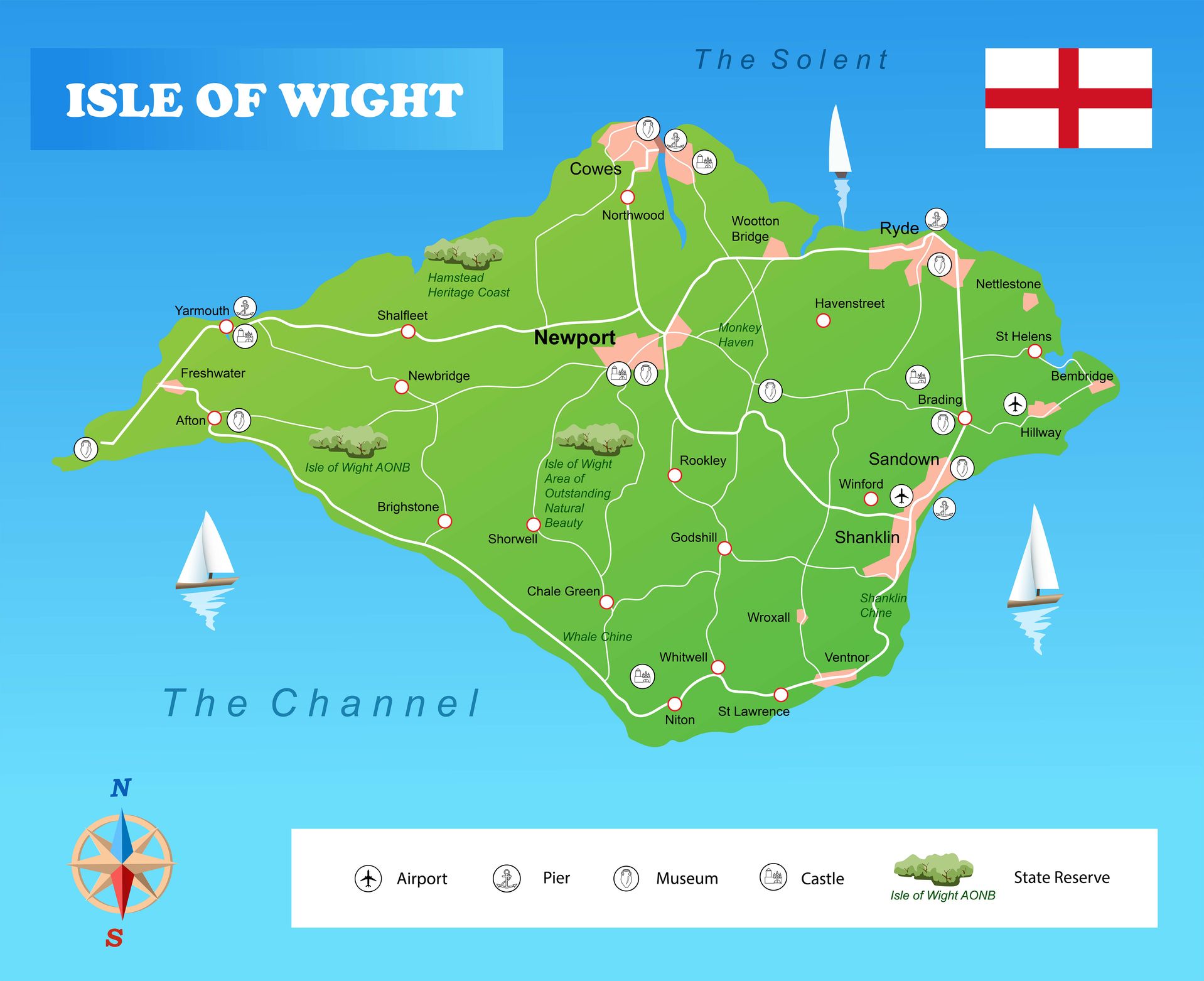
Getting around the Isle of Wight is easy, whether that’s by car, walking or public transport.
Travelling by car is the most flexible and convenient way to explore the Isle of Wight. Due to the island’s small size, travel times are short, so you don’t need to worry about being sat in the car all day long. Having a car also means you can access harder-to-reach areas and places that aren’t served by public transport such as rural villages or secluded beaches.
However, if you don’t fancy driving, the Isle of Wight’s public transport system is very efficient. Buses connect main destinations on the island including top tourist attractions like the Needles, along with towns such as Ryde, Newport, Cowes and Yarmouth. Travelling by bus is also one of the cheapest ways to explore the Isle of Wight. The Island Line Railway also operates in East Wight between Ryde and Shanklin, making it convenient for those arriving by ferry from Ryde.
If you’re staying within one region, walking is a great way to explore the island. There are so many coastal paths and countryside trails offering stunning views, allowing you to really soak up the Isle of Wight’s natural beauty. Just don’t forget to bring comfy walking shoes!
The Isle of Wight is very cycle-friendly with numerous cycling routes dotted across the island, including the Red Squirrel Trail. The island can be quite hilly, so we’d recommend an electric bike for ease.
As an island, ferry travel has to be included in your plans. Routes operate from Portsmouth to Ryde, Southampton to Cowes, Lymington to Yarmouth and Portsmouth to Fishbourne. We’d recommend booking in advance, especially during peak travel periods.
East Wight is the easiest region to explore without a car. The Island Line train connects Ryde, Brading, Sandown and Shanklin, and there’s also bus links to Bembridge and surrounding villages. The towns themselves are compact and walkable.
West Wight is more rural and spread out, so we’d recommend bringing or renting a car to explore it fully. Travelling by car also means you can easily visit popular attractions at your own pace, such as The Needles, Compton Bay and Headon Warren, rather than relying on buses.
North Wight, particularly Cowes and East Cowes, is compact and easy to explore on foot with coastal walks connecting towns and villages. You can also get a ferry directly to Cowes from Southampton and so if you’re staying local, there’s no need to rent a car here.
Like the west, Central Wight is more rural, so we’d recommend renting a car for more flexibility. Unless you’re just staying in Newport, then you don’t need a car as the town is a major transport hub with connections to many other destinations on the island. However, if you wish to explore beyond the town and visit remote villages and enjoy inland activities, a car gives you the freedom to do so.
The Isle of Wight has its own personality, something which adds to its charm. Life moves at a slower pace here – things are more relaxed and there’s less of a rush compared to many mainland destinations. People are friendly – it's common courtesy to let people past you on winding rural roads and to give a friendly wave of thanks, or for locals to just speak to you and ask you how you are. There’s also a strong sense of community across the island, with villages hosting local events and festivals and many people knowing each other. Embracing the slower pace of life and the island’s friendly atmosphere is part of what makes a visit to the Isle of Wight so special.
More routes than anyone else.

Compare fares, times & routes in one place.
Change plans easily with flexi tickets.

Book e-tickets & manage trips in-app.
Live ship tracking & real-time updates.

Top-rated customer support when you need it.