Travelling with a car to France
Travelling with a car to France
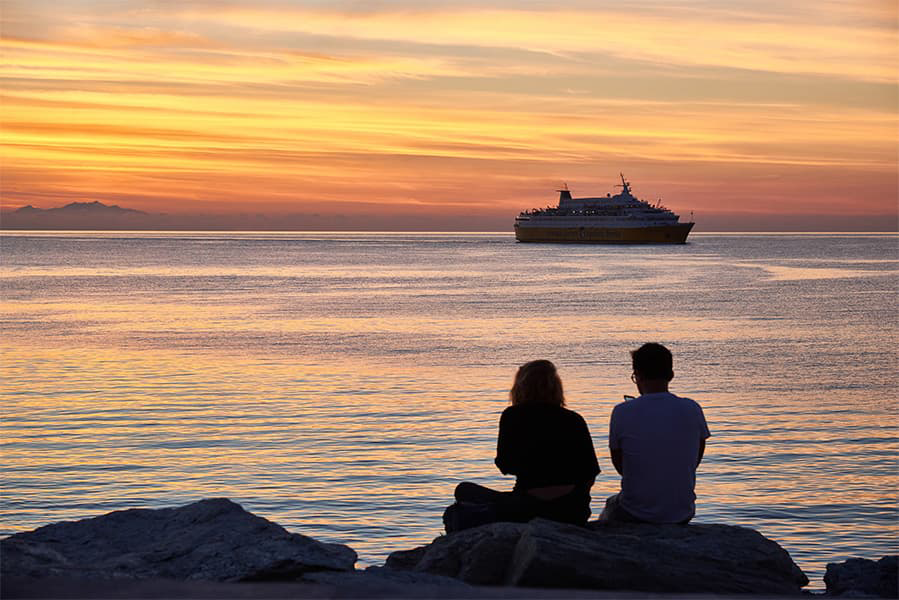
France is one of the great road trip destinations in Europe. Taking your own vehicle on the ferry to France is by far the most practical way to explore, whether you are making a short hop across the Channel in your car for a European road trip, loading the motorhome for a month-long tour of the south-west, or crossing on a motorbike for a touring holiday along the Route Napoleon.
The ferry routes from the UK to France are provided by several ferry operators, with multiple daily crossings ranging from 90 minutes to overnight. All of which accommodate cars, caravans, motorhomes, campervans, and motorbikes.
For more information also visit our page on travelling with a car on the ferry and our guide to ferry travel with a motorhome or caravan. Continue reading to find out everything you need to know to get your vehicle from the UK to France by ferry.
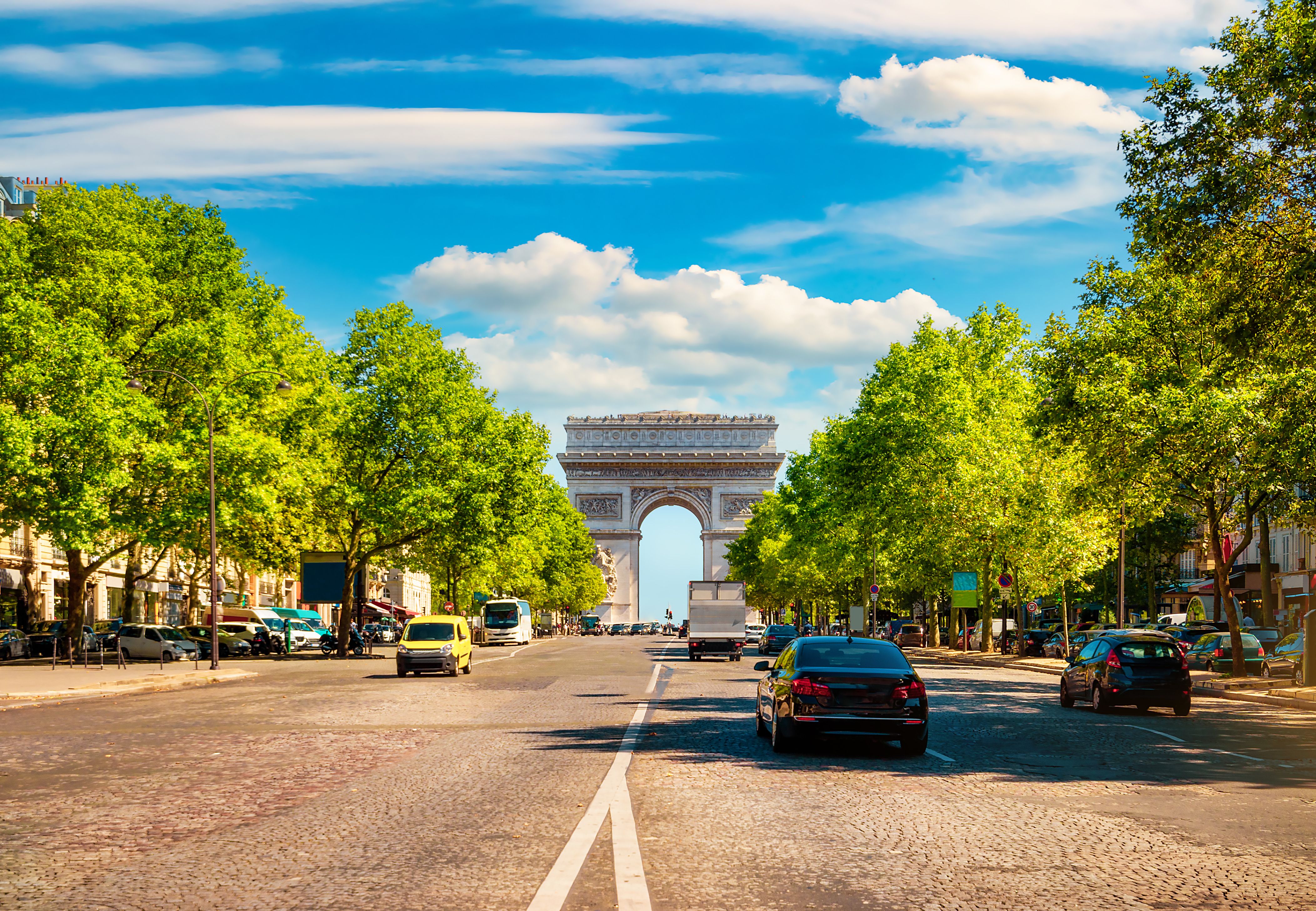
Driving in France is one of the most memorable experiences available to UK visitors. The roads are well-maintained, the motorway network is extensive, and the country is large enough that even the most popular routes leave plenty of room for exploration. However, France has its own rules and requirements that differ from the UK, and being properly prepared before you board the ferry will spare you significant stress when you arrive.
The most noticeable difference for UK drivers is that France drives on the right. This is second nature within a few hours of driving, but the moments most likely to catch you out are when leaving a quiet car park, emerging from a petrol station, or setting off from a rest area after a break. Take particular care at these moments, especially in the first few days of the trip.
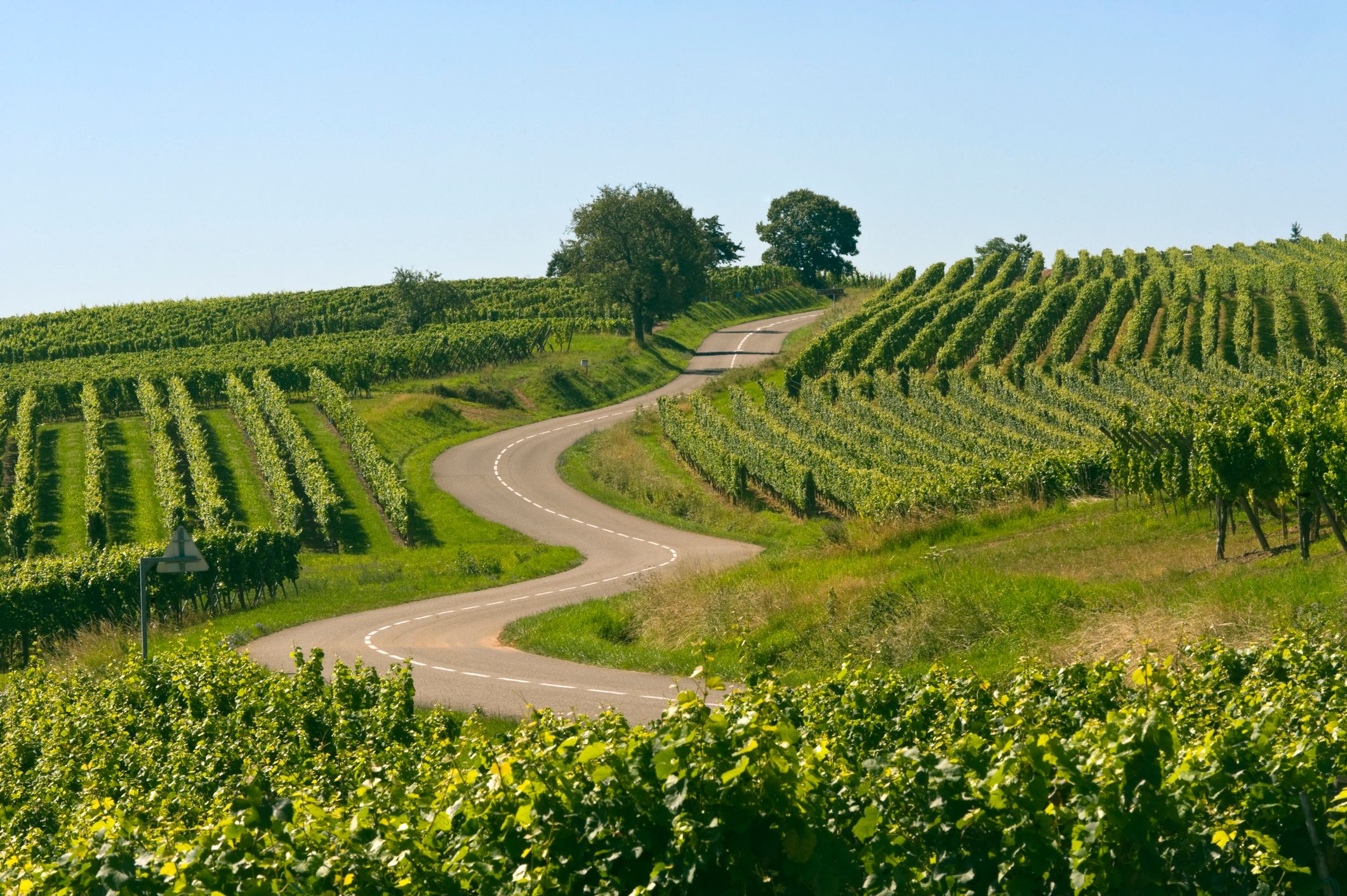
There are currently 12 direct ferry routes from England to France, giving UK drivers an excellent choice of ports, crossing times, and arrival destinations depending on their starting point and their destination in France. Whether you are driving a car, a motorbike, a motorhome, or towing a caravan, the ferry to France is the most practical way to take your vehicle across the Channel — and unlike the Eurotunnel, LPG-powered vehicles can travel on the ferry.
The main routes to France connect to ports across the north and south of the country: Calais and Dieppe on the north coast, Le Havre and Cherbourg in Normandy, and Saint-Malo and Roscoff in Brittany.
Cars travel at the standard vehicle fare, whereas motorhomes, campervans, and vehicles with caravans or trailers are priced by length and height, with prices varying significantly between operators and routes. Motorbikes travel at a reduced rate on most routes and are loaded and secured separately from cars on the vehicle deck.
The main routes and operators are:
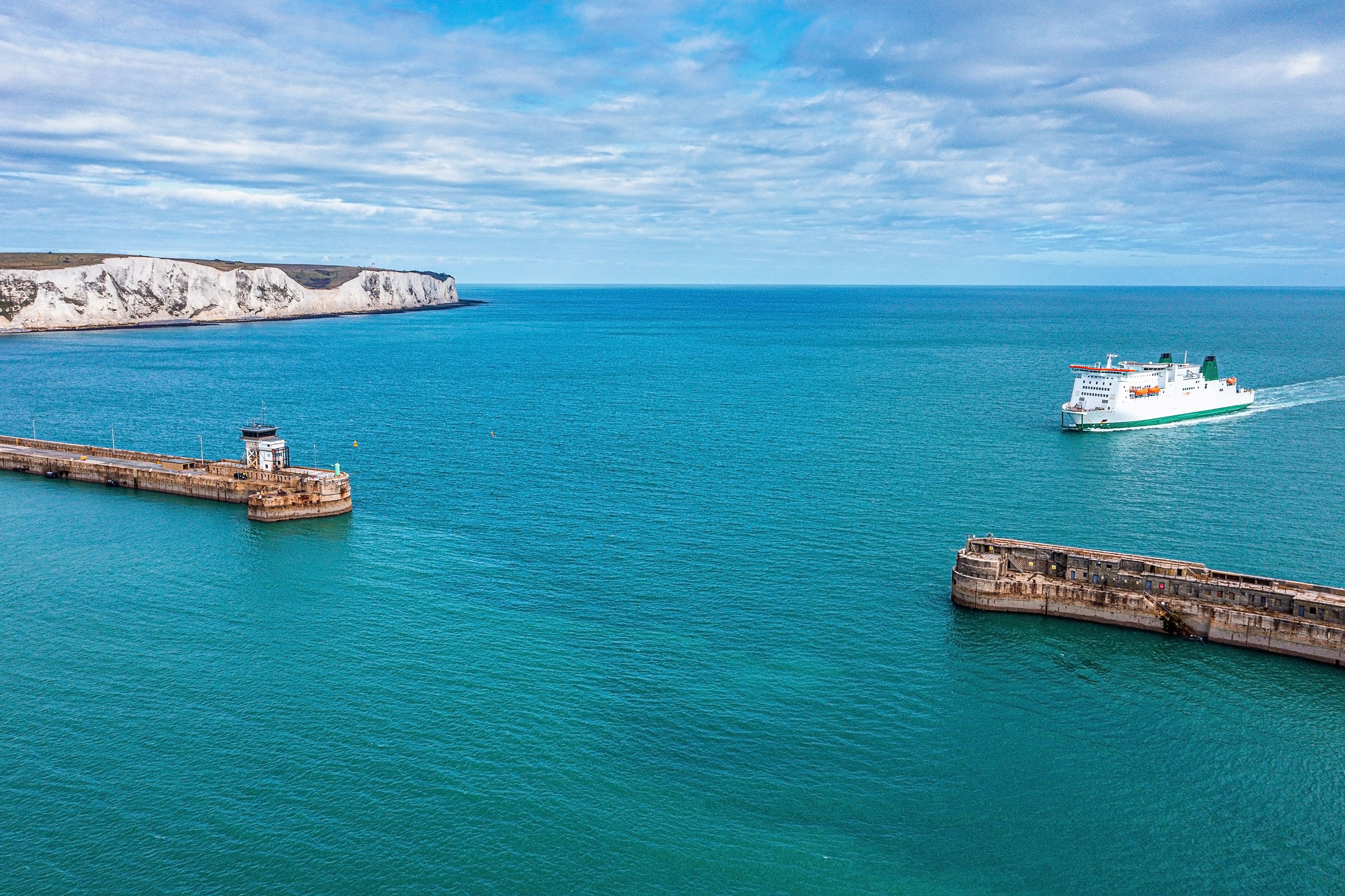
Dover is the busiest vehicle ferry port in the UK, handling over 10,000 vehicles each day during peak summer periods. The Dover to Calais ferry is provided by P&O Ferries, Irish Ferries and DFDS, offering up to 207 weekly sailings with a crossing time of 90 minutes.
At Dover Eastern Docks, vehicles queue in lanes by booking reference and are directed to the correct operator terminal. Checks are carried out by UK Border Force before you board so please have your passport and vehicle documents ready to present. The check-in desks for all three operators close approximately 30 to 45 minutes before departure, though P&O requires check-in at least 45 minutes before departure. It’s best practice to arrive at the port at least 90 minutes before your sailing, especially in summer when queues can be long.
Cars are driven directly onto the vehicle deck and parked by crew marshals. On the shorter crossings, you leave your car and head upstairs to the passenger decks for the duration. Motorbikes are loaded separately and tightened down with straps provided by the crew on a designated motorbike area of the vehicle deck, though riders are urged to bring their own additional straps as backup.
Motorhomes and caravans are loaded into dedicated lanes and height-checked on entry to the port. The vehicle deck on the ferry from Dover to Calais accommodates vehicles up to approximately 4.5 metres in height, though exact clearances vary by vessel. Caravans must be disconnected from the tow vehicle and parked separately on the car deck.
Newhaven, located 10km southeast of Brighton on the East Sussex coast, is the departure port for the Newhaven to Dieppe ferry operated by DFDS, with a sailing time of approximately 4 hours. Newhaven is a much quieter port than Dover and is an excellent alternative for those who live in Sussex, Surrey, or South London who want a less congested departure experience.
The check-in process at Newhaven Port is very easy: vehicles check in at the terminal building, where DFDS staff process bookings and collect documentation, including passport details. Please be aware that check-in closes 30 minutes prior to departure, so we recommend arriving there at least an hour before to avoid complications.
Motorhomes and caravans are allowed on this route, and the Newhaven to Dieppe ferry is a popular choice for those with motorhome travelling to Normandy, as the arrival at Dieppe places them immediately in the heart of the region. Motorbikes are also accommodated and loaded on a dedicated section of the vehicle deck.
The western Channel ports of Portsmouth, Poole, and Plymouth are the departure points for Brittany Ferries' longer crossings to Normandy and Brittany, with sailing times ranging from 3 hours and 30 minutes to 15 hours.
These routes are a great choice for motorhome and caravan users, as the longer crossings allow you to rest or sleep during the crossing rather than losing a day's driving time. Additionally, the arrival ports of Caen, Saint-Malo, Cherbourg, Le Havre, Roscoff place you directly into Normandy and Brittany, with the motorway network south available immediately.
At Portsmouth Continental Ferry Port, Brittany Ferries operates the Portsmouth to Caen ferry, Portsmouth to Saint-Malo ferry, Portsmouth to Le Havre ferry, and the Portsmouth to Cherbourg ferry.
Check-in at Portsmouth opens 3 hours before departure and closes 45 minutes before departure for most sailings. Vehicles are directed by departure route into designated lanes in the port and UK Border Force checks take place before boarding. Motorhomes and larger vehicles might be directed to dedicated oversized vehicle lanes.
At Poole Harbour, Brittany Ferries operates the Poole to Cherbourg ferry. The check-in process at Poole is very similar to Portsmouth, though the port is smaller and generally less congested. Poole is accessible from London and the Midlands via the A31 and M3/A31.
At Millbay Port in Plymouth, Brittany Ferries operates the Plymouth to Roscoff ferry on the Pont-Aven ship. Plymouth is the most convenient port for travellers from the South West, Wales, and the Midlands heading to Brittany and the Atlantic coast of France. Motorhomes and caravans are regularly accommodated on this route and are especially popular with those touring the Atlantic coast.
Once on the ferry, your vehicle is parked on the car deck for the entirety of the crossing, and on most routes, you must leave your vehicle and spend the crossing in the passenger areas above. The only exception is on very short crossings, where operators may allow passengers to remain in their vehicles. You cannot sleep in your motorhome or caravan on the car deck during overnight crossings. Instead, you must book a cabin or reclining seat in the passenger area for the duration.
Before leaving your vehicle, please ensure that you close all windows, secure any loose items, turn off the gas supply if travelling with a caravan or motorhome with a gas installation, and take all valuables with you. Car decks are not monitored for passenger access during the crossing.
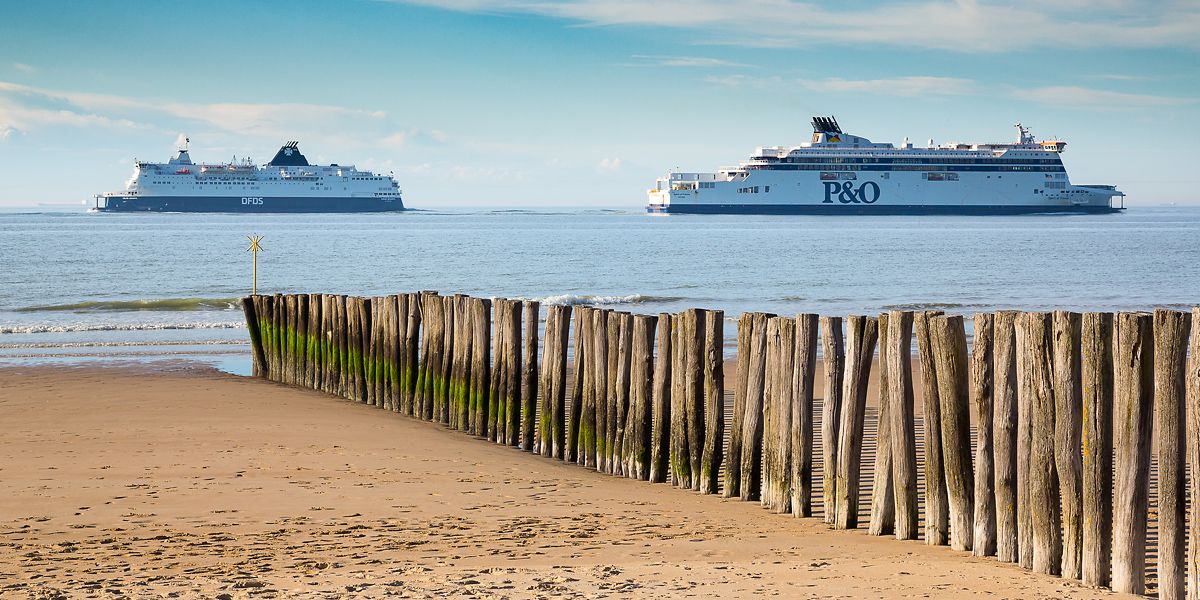
On the Dover to Calais ferry with P&O Ferries and DFDS, the 90-minute crossing is short enough that most drivers simply leave their car and spend the time on the passenger decks eating, shopping, or enjoying the views.
Please note that cars are tightly packed so it’s best not to leave anything you will need during the crossing in an inaccessible position in the vehicle. Motorbikes are chained and strapped on a separate area of the vehicle deck. Riders must collect their gear before ascending to the passenger areas and return to the bike deck approximately 20 minutes before arrival to prepare for disembarkation.
On P&O's Pride of Kent and Spirit of Britain ships, the car deck has a maximum height of approximately 4.5 metres, accommodating most motorhomes and campervans.
On the longer crossings operated from Portsmouth by Brittany Ferries, vehicles spend more time on the car deck and on overnight sailings you will need to book cabin accommodation. On the Portsmouth to Caen ferry aboard the Normandie or Mont St Michel, the daytime crossing gives you enough time to enjoy a restaurant meal, visit the duty-free shop and have a rest before arrival.
On the overnight ferry from Portsmouth to St Malo aboard the Bretagne, you must book a cabin. Motorhome and caravan passengers should note that you cannot access the vehicle deck during the crossing and cannot use the gas or facilities of your motorhome overnight. Passengers taking motorbikes on overnight Brittany Ferries sailings must book at least a reclining seat, and their motorcycle gear must be taken to the cabin or locker area.
On the Newhaven to Dieppe ferry with DFDS, vehicles stay on the car deck throughout the crossing. There are no cabins available on this route, though passengers do have access to the lounge, bar, and restaurant areas on the upper decks.
The crossing is typically a daytime sailing, making it one of the most pleasant short ferry crossings to France, short enough that no sleeping arrangements are required. Motorbikes are loaded first and secured separately, though drivers are urged to collect their bikes approximately 20 minutes before arrival at Dieppe. The DFDS vessel on this route accommodates standard cars, motorhomes, and caravans in the normal vehicle deck configuration.
Upon arrival in France, you will be directed from the passenger areas back down to the vehicle deck by crew announcements approximately 20 to 30 minutes prior to docking. Please return to your vehicle promptly, have your passport and vehicle documents at hand for French border control on exit from the ferry terminal, and follow the crew marshals' directions when disembarking.
Disembarkation is done by deck level and lane order. Please do not attempt to start driving until the crew marshal signals you to do so. French Customs and Border Police sometimes conduct vehicle checks in the disembarkation lanes, so keep all documents, passports, and vehicle registration papers within reach.
The Calais ferry port is one of the busiest ports in Europe. After alighting the ferry, vehicles proceed through French border control in designated lanes. Passport checks and customs inspections usually take place here.
From Calais port, the A16 autoroute heads south-west towards Boulogne or links directly to the A26 heading south towards Reims and Paris. The A16 also connects eastwards towards Dunkirk and the Belgian border. Petrol stations are available on the motorway immediately after leaving the port area. Calais town centre is approximately 5km from the ferry port and has supermarkets that are popular with UK drivers stocking up on French food and wine before the return crossing.
The Dieppe ferry port is located in the heart of the town itself, approximately 200km north-west of Paris on the Normandy coast. The disembarkation process at Dieppe is much the same as Calais, but isn’t as busy.
The Dieppe town centre is accessible within minutes of departing the port. The D915 heading south and the A29 autoroute gives drivers quick access into Normandy, towards Rouen, and onward to Paris. For those travelling with motorhomes, Dieppe town has an aire de camping-car located adjacent to the port area, making it an excellent first stop. The nearest petrol station is available at supermarkets in the town, approximately 2km from the port.
Passengers arriving at the Normandy and Brittany ports of Caen (Ouistreham), St Malo, Le Havre, Cherbourg, and Roscoff can expect the same general procedure as Calais and Dieppe.
At Caen ferry port, the D514 connects to Caen city centre and the A13 motorway towards Paris and the rest of Normandy, as well as providing immediate access to the D-Day beaches to the west. Le Havre connects to the A13 and A29 motorways giving easy access to Paris, Rouen, and northern Normandy. Cherbourg provides direct access to the N13 heading south towards Caen and Bayeux. Roscoff in Brittany is connected by the N12 and D788 eastwards towards Brest and Morlaix, and the N12 ultimately connects to the A84 motorway for those heading south through Brittany or east towards Paris. For all these ports, fuel stations are available within a few kilometres of the terminal, and motorhome aires are signposted from the port exits at Roscoff and Saint-Malo in particular.
You must have your photocard driving licence, your vehicle's V5C registration document, and proof of motor insurance to drive in France. You should also carry your passport for border crossings. A green card is no longer required for EU travel, yet we recommend bringing a printed insurance certificate to confirm your European cover.
If the vehicle you are driving is a hire car, for example, carry a letter of authorisation from the owner. For right-hand-drive vehicles, you will need headlamp beam deflectors to adjust your headlight beam for driving on the right, and you must display a UK identifier sticker or have a UK-marked number plate.
The best route depends on where you are departing from in the UK and your destination in France. For the shortest and most frequent crossing, the Dover to Calais ferry with P&O Ferries, Irish Ferries and DFDS is the most convenient.
If you are travelling to Normandy or Brittany, the Portsmouth to Caen ferry or Portsmouth to Saint-Malo ferry with Brittany Ferries drops you directly into the region and saves a long drive south from Calais.
For those living in the South West, the Plymouth to Roscoff ferry is the best choice for exploring Brittany and the Atlantic coast.
Yes, all the main ferry routes to France accept motorhomes and caravans. Vehicle fares for motorhomes and caravans are determined by the length and height of the vehicle, including any roof-mounted equipment, which must be declared when booking your tickets to avoid surcharges at the port.
Motorhomes and caravans are loaded into dedicated vehicle lanes on the car deck. You cannot remain in the motorhome or use its facilities under any circumstances during the crossing. Alternatively, you must join the other passengers in the ship's accommodation areas. On overnight crossings, you must book a cabin. The LPG restriction that applies to the Eurotunnel does not apply to ferries, making the ferry the preferred option for motorhome users with LPG systems.
Yes, all ferries from UK to France accept motorcycles onboard, and prices for a motorbike and rider are generally cheaper than for a car. Motorbikes are loaded separately from cars on the vehicle deck and are chained and secured in position by the crew. We also suggest that you bring additional securing straps as insurance against movement in heavy seas.
The Dover to Calais ferry is the most popular route for touring motorcyclist, while the Portsmouth to Caen ferry and Plymouth to Roscoff ferry is popular with touring riders heading for Normandy and the Atlantic coast.
You need a Crit'Air vignette if you plan to drive in any French city or urban area with more than 150,000 inhabitants. This includes cities like Paris, Lyon, Marseille, Bordeaux, Toulouse, Strasbourg, Nantes, Lille, Caen, Le Havre, Rouen, Reims, and many others.
The Crit'Air vignette is a colour-coded emissions sticker that costs €4.91 and is ordered online from the official French government wesbite. Allow up to 14 days for the sticker to arrive and order well before your travel date. If your sticker has not arrived, carry the order confirmation as proof of your purchase. Vehicles that predate the Crit'Air scheme (such as cars that were built before 1997 and motorbikes built before 2000) cannot obtain a sticker and may be restricted from entering certain urban areas entirely during weekday hours.
Most French motorways are toll roads. Tolls vary depending on how far you have driven and the type of vehicle you are driving, with motorhomes and caravans paying more than standard cars. You can pay at the toll booths using cash, Visa or Mastercard credit/debit cards or via an electronic toll tag.
It’s quite common for toll stations to use free-flow technology, where there is no barrier. Instead, cameras read your license plate, and you must pay online within 72 hours. If you frequently visit France by car, a Télépéage tag is the most convenient option, allowing you to pass through the automated lanes without stopping and charging your account in GBP.
More routes than anyone else.

Compare fares, times & routes in one place.
Change plans easily with flexi tickets.

Book e-tickets & manage trips in-app.
Live ship tracking & real-time updates.

Top-rated customer support when you need it.