Madeira Travel Guide
Things to do
Things to do

If you're looking for a getaway with stunning scenery, a laid-back atmosphere and plenty to see and do, Madeira is hard to beat. On one hand, you've got city life, with farmers' markets, seafood restaurants, local boutiques and waterfront bars. On the other, there are volcanic peaks, ancient forests, cascading waterfalls and coastal cliffs that set the scene for all sorts of adventures. Whether you fancy hiking through mountainous landscapes or just soaking up the sun with a glass of local wine in hand, Madeira offers the best of both worlds.
So, if you're thinking of an island escape, we've rounded up everything you need to know, from the best time to visit to the top things to do while you're there.
Madeira is a Portuguese island in the Atlantic Ocean. It's located around 600 miles from mainland Portugal and 300 miles from the coast of Morocco. It's the largest island in the Madeira archipelago, which also includes Porto Santo and several smaller islands. Funchal, Madeira's capital, sits on the island's south coast and is the main hub for visitors exploring the island.
One of the great things about Madeira is that you can visit at any time of the year. The island has a mild subtropical climate, with temperatures never dipping too low. However, the weather can vary quite a bit across the island, especially in the mountains where the temperatures tend to be much cooler.
The best time to visit Madeira really comes down to what you want from your trip. Spring is great for exploring the gardens or hiking the levada trails, whilst summer is perfect for soaking up the sunshine and enjoying a livelier atmosphere. Autumn's ideal if you still want warm weather but a more relaxed escape, and winter brings lush landscapes and plenty of festive fun.
| When to visit | Typical daytime temperatures | Good for | Why visit | Things to consider |
| Spring (March-May) | 17-22 degrees | Levada walks, gardens and the Flower Festival. | Lush scenery, blooming flowers, comfortable temperatures for exploring | Cooler sea temperatures, mountain weather can be unpredictable |
| Summer (June-August) | 22-28 degrees | Swimming, natural pools, snorkelling, boat trips, whale watching | Long sunny days, warmest sea temperatures, lively atmosphere | Busier, higher accommodation prices |
| Autumn (September-November) | 19-24 degrees | Hiking, photography | Warm weather and sea temperatures, more relaxed atmosphere, beautiful landscapes | Shorter days, more chance of rain |
| Winter (December-February) | 15-20 degrees | Sightseeing, festive celebrations, levada walks | Lush green landscapes, festive atmosphere, mild coastal weather | More rainfall, shorter days and cooler conditions in the mountains |
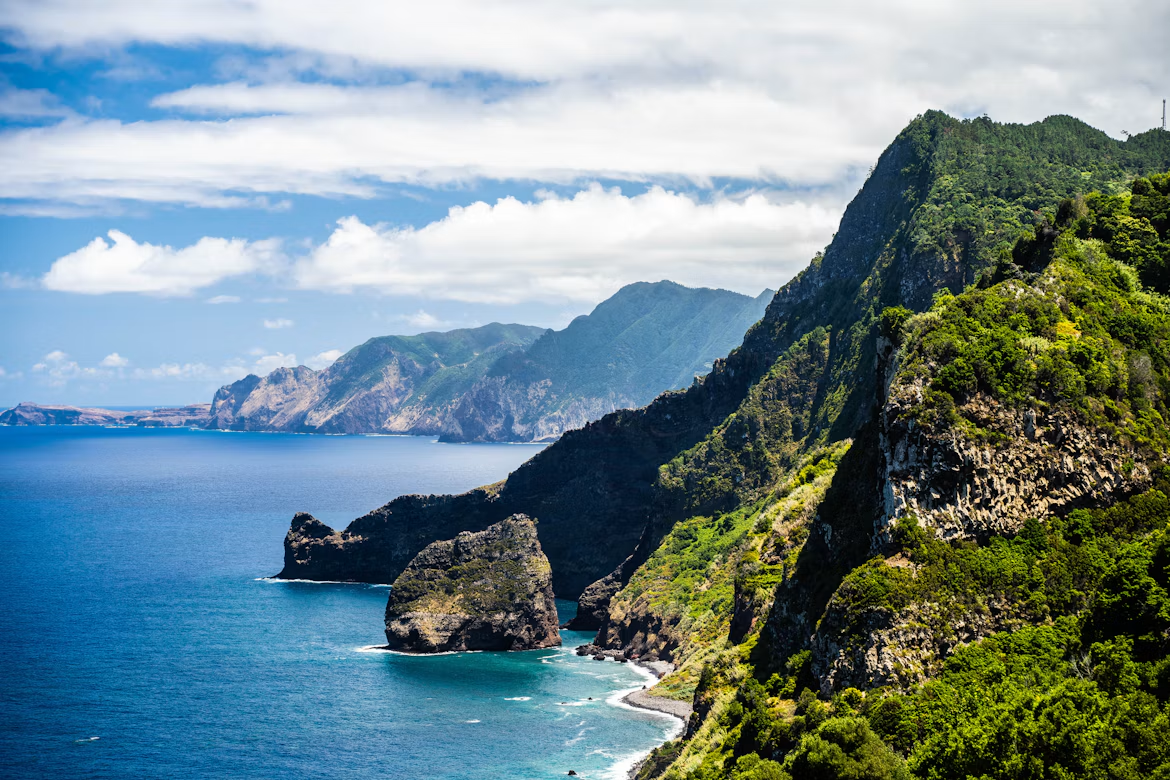
From whale watching and mountain hikes to sampling the local wine, there are so many things to do in Madeira. Here are some of our favourite:
Funchal is Madeira's laid-back capital and a great base for exploring the island. The terracotta-roofed city sprawls across the hills like a natural amphitheatre, with the glistening Atlantic on one side and lush green mountains on the other. It's a pretty place, especially in the Old Town, where narrow cobbled streets wind past historic buildings, colourful painted doors and lively bars and restaurants. For some of the best views over the city, make sure you hop on the Funchal Cable Car from the Old Town up to Monte.
Madeira is the perfect destination for a hiking holiday. It's known for its many levadas, historic irrigation channels which wind through the island's lush valleys and ancient forests, offering scenic walking routes. Levada das 25 Fontes is one of the most popular levada's with its forested trail that leads to a beautiful lagoon with springs and waterfalls.
For some of Madeira's most breathtaking views, head to one of the island's highest peaks, Pico do Areeiro. It's especially magical at sunrise as the golden light appears above the rugged mountains and the misty clouds gather below. Make sure you check the weather conditions before setting off, and bring warm clothes as it can get a bit chilly on a morning.
Porto Moniz, on Madeira's northwest coast, is a great spot to experience the island's volcanic landscape. Here, you can swim in seawater pools formed by volcanic rock or slip into a sunlounger whilst looking out over the Atlantic Ocean. It's also a great place for families, with facilities including a children's pool and a playground.
This glass-floored viewing platform isn't for the faint-hearted. Perched on a sea cliff around 580 metres above sea level, it offers amazing views of the coastline and farmland below. If you're afraid of heights, you might want to give the glass floor a miss! Whilst you're here, you can also ride the Rancho Cable Car which takes you down the cliffs to the coast.
Thanks to its deep offshore waters, Madeira is a great place to spot dolphins and whales in the wild. Boat trips run throughout the year, although April to October can be a particularly good time to spot them. Most excursions depart from Funchal, where you can hop aboard a boat and look out for everything from bottlenose dolphins to pilot and sperm whales.
Monte Palace isn't just your average garden. This topical paradise spans around 70,000 square metres and is home to a huge collection of plants from around the world, alongside wildlife such as swans, flamingos, and peacocks. Wander along the paths lined with exotic plants and ponds filled with fish, spot the Buddhist sculptures and stone lanterns and browse the famous collection of Portuguese azulejos (ceramic tiles) from the 15th-20th century. Its location, on a hilltop in Monte, also makes it a great spot to enjoy beautiful views over Funchal.
Another great place to experience Madeira's natural beauty is with a visit to Fanal Forest. This ancient laurel forest is perfect for a scenic stroll or a sunny picnic. With its atmospheric mountain mist that drifts between the centuries-old trees, it's also one of Madeira's best places for photography.
Madeira is a dream for foodies and wine lovers. The island is famous for its fortified Madeira wine, which comes in a range of styles, from dry to sweet. Head to one of Funchal's wine lodges for a tasting, or browse the local shops to find a bottle to take home. Poncha is also a must-try, a traditional drink made with sugarcane rum, honey and lemon. The food is equally as tempting, with plenty of local specialities to try.
Here are a few dishes to order whilst you're on the island:
Although Madeira is a relatively small island, it's worth thinking about how you'll get around before you visit. Hiring a car is generally the easiest way to explore, especially if you want to venture beyond Funchal and visit some of the island's more remote spots. If you'd rather not drive, though, you can get around using public transport or by organised tours.
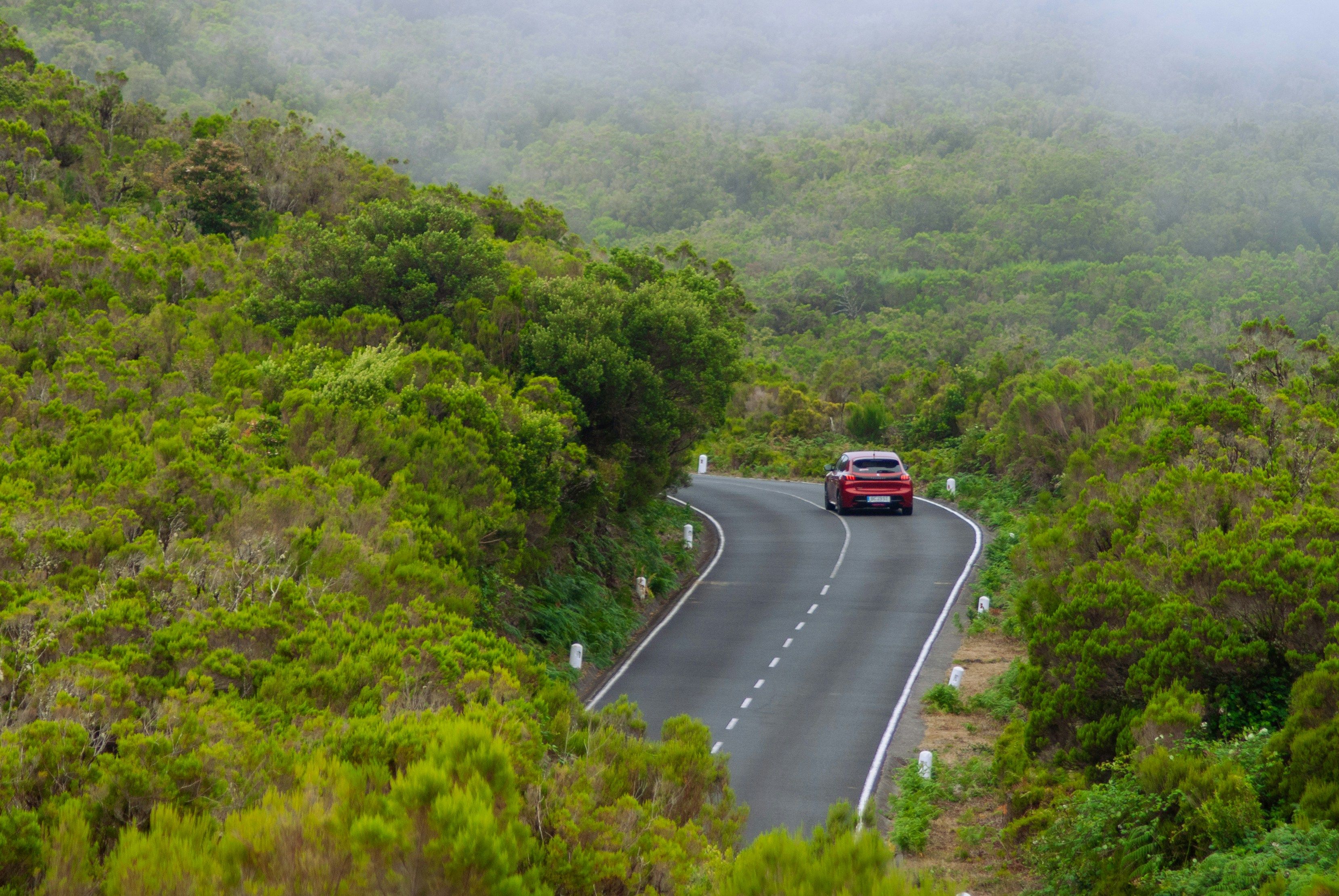
If you're planning to explore the whole island, hiring a car is your best bet. Many of Madeira's attractions, including waterfalls, viewpoints and villages, can be difficult to reach by public transport. Having a car gives you the freedom to explore at your own pace, stop off whenever you fancy, and visit more remote destinations. Just be careful when driving in rural areas as some roads are steep and narrow.
Best for: exploring the whole island at your own pace and visiting places off the beaten track.
Madeira has a public bus network, with services connecting Funchal to other towns and villages across the island. The SIGA network serves many routes, making buses a budget-friendly way to get around without having to drive. However, services can be less frequent in the evenings and at weekends, especially outside Funchal, and some of the island's more remote attractions aren't easily accessible by bus.
Due to Madeira's mountainous terrain, bus journeys can involve steep, winding roads and sharp bends. If you're prone to travel sickness, make sure you bring medication and choose a seat at the front of the bus or by a window.
Best for: Travelling on a budget, getting around Funchal and visiting larger towns along the main bus routes.
If you'd rather leave the planning to someone else, an organised tour is a convenient way to explore some of the main spots on the island and visit multiple destinations in just one day. Guided minibus excursions are popular, often focusing on different areas of the island, such as the east or west coast. They usually depart from Funchal and offer hotel pick-ups and drop-offs.
Best for: Travellers who don't want to drive, solo travellers and anyone wanting to see Madeira's highlights without having to do the organisation themselves
Taxis are available in Madeira, along with ride-hailing apps like Uber and Bolt. They're particularly handy for airport transfers, short journeys, or reaching destinations that aren't accessible by bus. Longer journeys can soon add up so make sure you check the price before heading anywhere.
Best for: Airport transfers, short journeys and reaching attractions that are difficult to access by public transport.
Walking is one of the best ways to explore central Funchal. You can wander through the picturesque Old Town, browse the markets and stop at cafes or restaurants along the way. Madeira is also known for its levada walks and hiking trails, which are a great way to experience the island's natural beauty. However, you'll often need a car or to use public transport to reach these trails.
Best for: Exploring central Funchal and experiencing Madeira's natural beauty.
The best place to stay all depends on what kind of holiday you want, whether that's a sightseeing break, a hiking adventure or a relaxing coastal escape.
If it's your first time visiting Madeira, we recommend staying in Funchal. It's the best base for exploring the island, especially if you don't have a car, as many organised excursions depart from the capital. You'll also find the widest choice of accommodation, alongside plenty of shops, restaurants and bars to enjoy between day trips.
However, there are plenty of other areas to consider, from Calheta's sandy coastline to Santana's lush mountain scenery.
Area | Best for | Why stay here |
| Funchal | First time visitors, sightseeing, car-free stays | The island's main hub with a wide choice of hotels, shops, restaurants and bars. Many excursions depart from here making it a good choice if you don't have a car |
| Calheta | Families, beach holidays, relaxation | Great for a relaxing holiday, with sheltered golden sandy beaches |
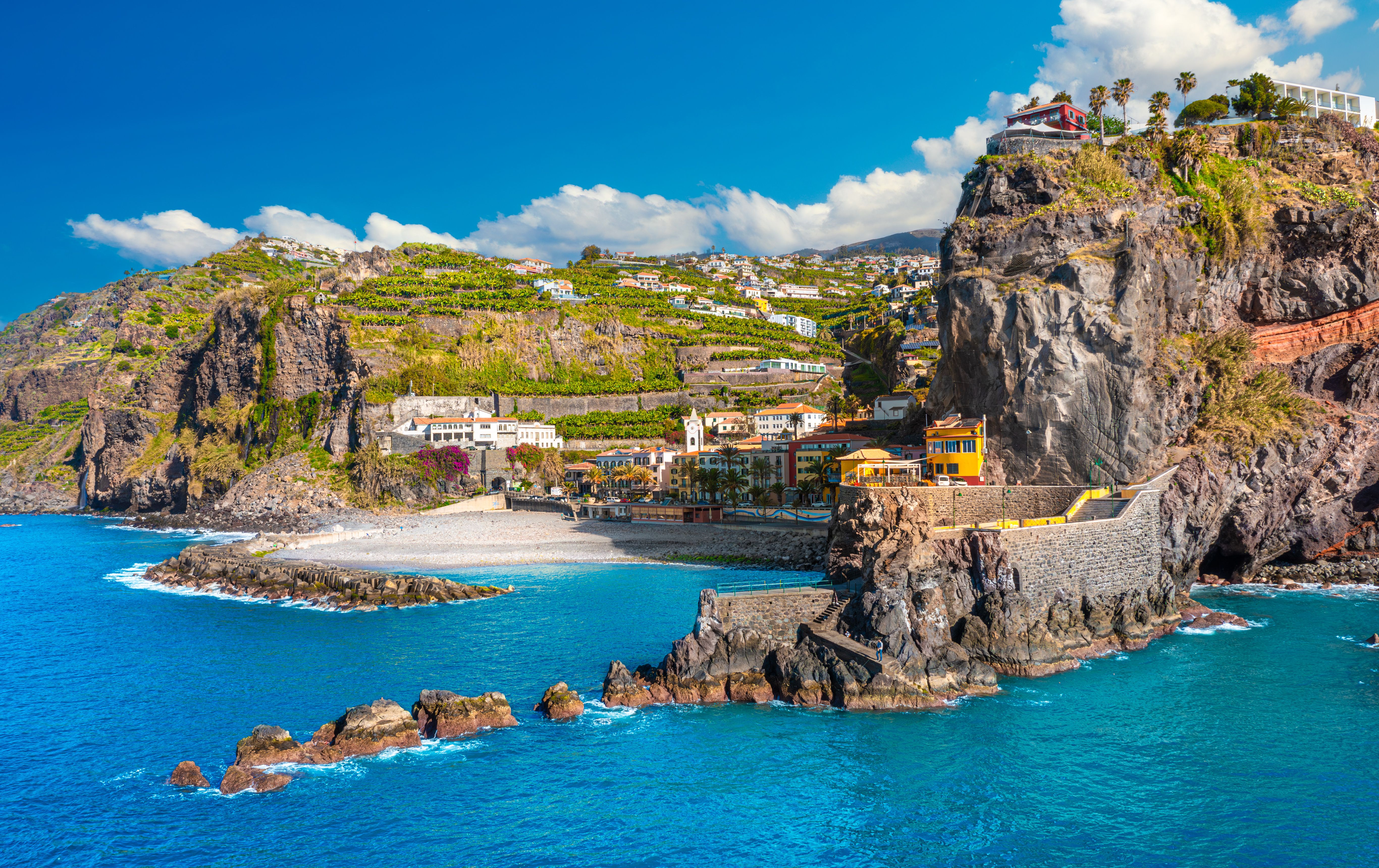
| Ponta do Sol | Romantic getaways, quieter stays | Charming coastal village with a laid-back atmosphere and beautiful sunsets |
| Porto Moniz | Nature lovers, road trips, hiking | Known for its natural volcanic swimming pools and dramatic scenery |
| Santana | Hikers, mountain scenery, peaceful rural getaways | A peaceful place on the island's interior, surrounded by green mountains, thatched houses and walking routes |
| Machico | Eastern Madeira, beach stays, short trips | Relaxed coastal town with a sandy beach and easy airport access |
The best way to get to Madeira from the UK is to fly. Direct flights are available from major cities across the UK, such as London Gatwick, Manchester and Bristol. Madeira airport (also known as Cristiano Ronaldo International Airport) is located in Santa Cruz and is around a 25-minute drive from the capital of Funchal.
If you're not collecting a hire car from the airport, the Aerobus is generally the best way to reach Funchal. The bus stops outside the Arrivals and takes you to the centre of the city before carrying on to Formosa.
Fun fact: Madeira's location between volcanic mountains and the Atlantic Ocean, combined with strong winds, makes landing on the island a memorable experience. The airport is also famous for its unique runway extension, which stretches out over the sea and is supported by 180 concrete columns.
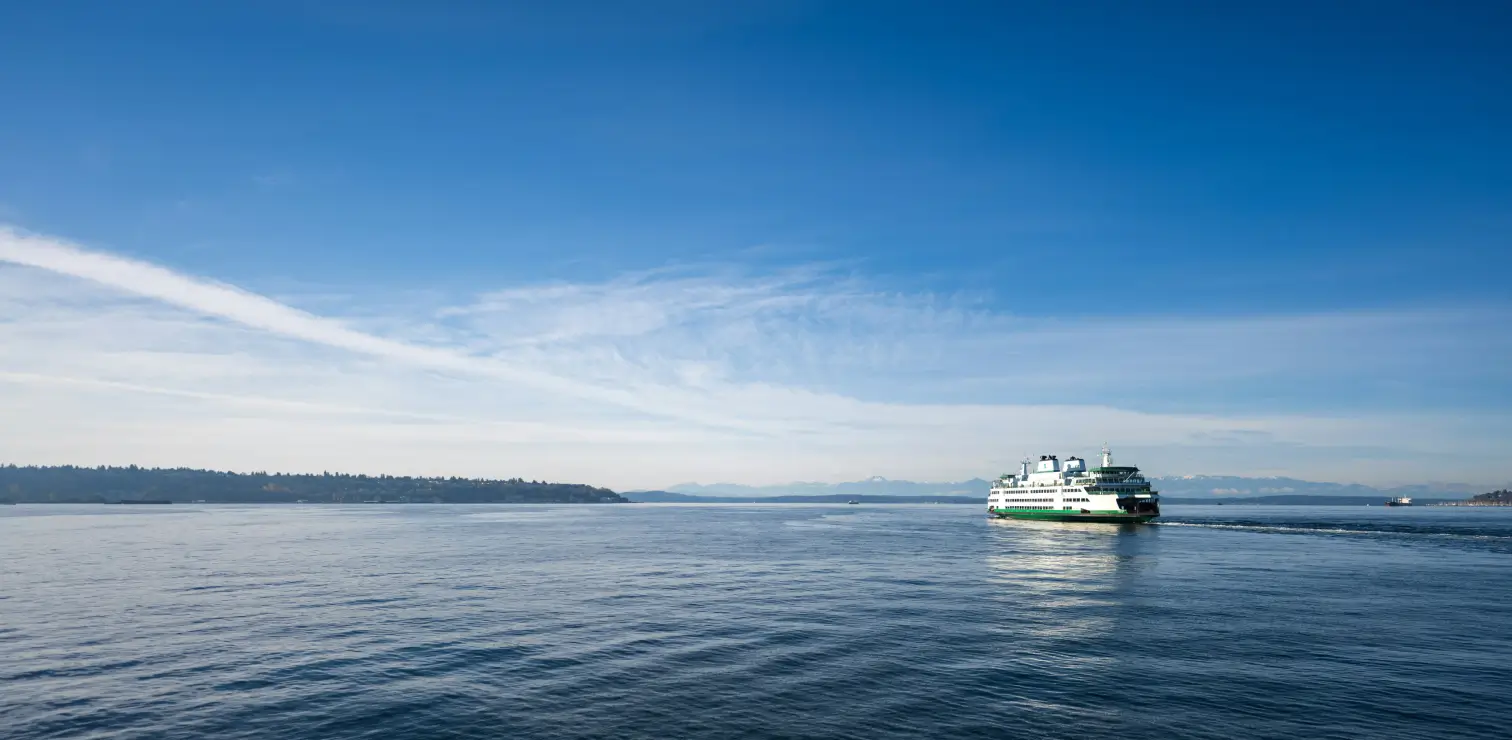
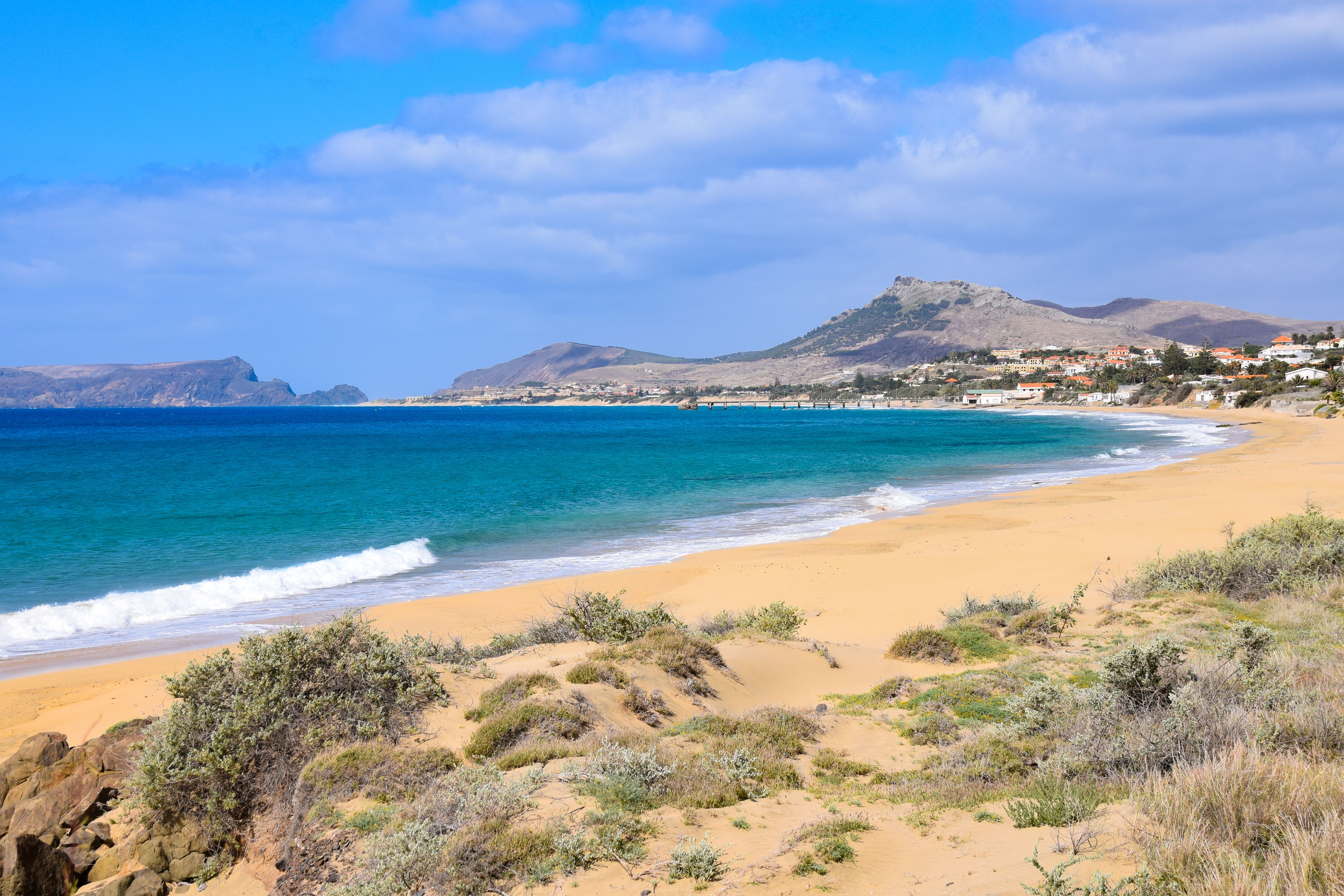
Fancy extending your trip? Hop on a ferry from Madeira to Porto Santo, another island in the Madeira archipelago that offers a completely different experience. Think endless stretches of golden sands, clear turquoise waters and an even slower pace of life. Days here are all about relaxing along the coast, soaking up beautiful views and enjoying a chance of scenery.
Ferries to Porto Santo depart from Funchal and the crossing takes around two hours and 30 minutes. We recommend spending at least a couple of nights in Porto Santo to make the most of your time here. Just remember to check the ferry timetable in advance, as sailings can vary depending on the season.
Whether you're planning a springtime hiking holiday or chasing some autumn sunshine, Madeira is a great destination all year round. For more travel inspiration, take a look at our blog or follow us on Instagram.