Travelling with car to England
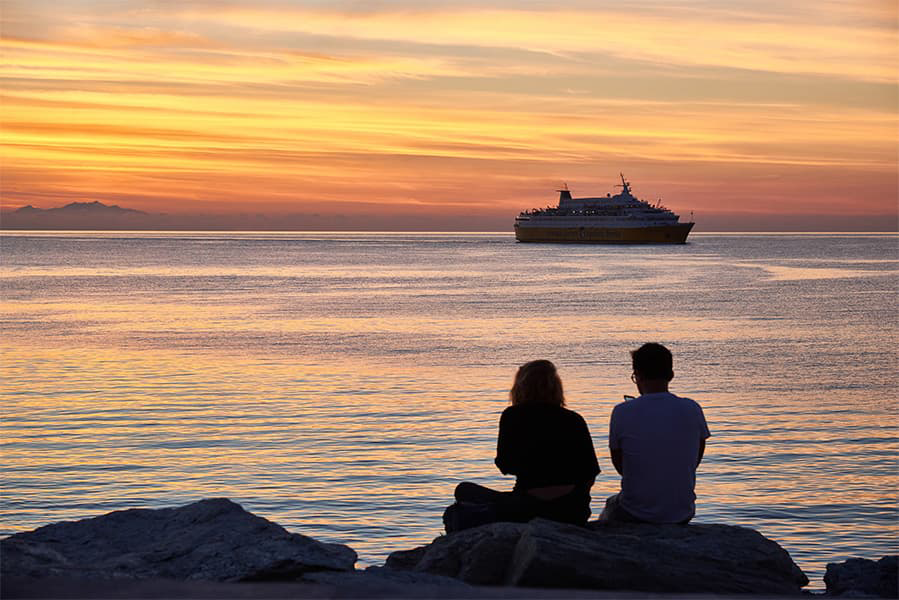
Travelling with car to England
Planning a trip to England? Travelling by car is one of the best ways to explore the country, giving you the freedom and flexibility to discover everything from the dramatic Jurassic Coast and the lush landscapes of the Yorkshire Dales to the Cotswolds’ honey-coloured villages and historic cities like Bath and York.
Getting to England with your vehicle is easy too, thanks to a wide range of ferry routes from Europe to the UK that allow you to bring your car, campervan or motorbike onboard. Ready for a road trip? Keep reading to find out everything you need to know about travelling to England with your vehicle.
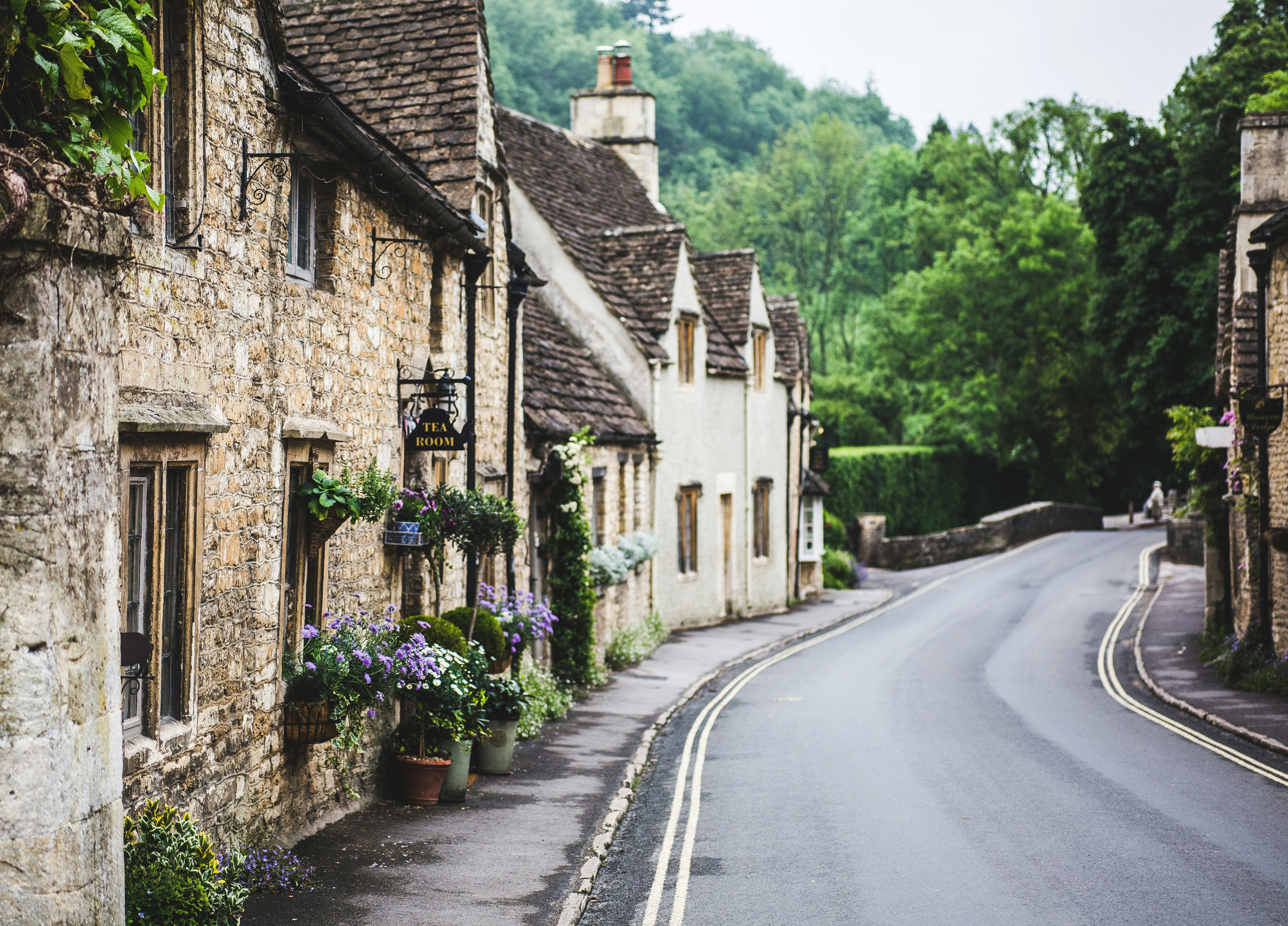
Before you start planning your road trip to England, there are a few important things to bear in mind. The rules below apply if you don’t usually live in England and are bringing a vehicle into the country for less than 6 months.
If your vehicle has a foreign number plate, you won’t need to register or tax it in the UK as long as:
If you plan to stay longer than 6 months, you must register and tax your vehicle in the UK. Different rules may apply if you’re a student or working temporarily, so it’s best to check official guidance before travelling.
If you’re visiting England, you usually won’t need to pay VAT or customs duty on your vehicle if:
When you arrive, you may need to declare temporary importation by completing form C110 and proceeding through the ‘nothing to declare’ channel at customs.
Q number plates are only required in specific situations, such as when a vehicle’s age or identity cannot be verified. Most visitors will not need Q plates, as long as their vehicle is properly registered in their home country and displays valid number plates.
If your vehicle isn’t registered or doesn’t meet UK identification requirements, you may need to contact the Driver and Vehicle Licensing Agency (DVLA) for guidance before travelling.
If you’re stopped by the police whilst driving in England, you may be asked to show that you’re legally allowed to use your vehicle in the UK. This could include:
Make sure to keep these documents handy for a smooth and stress-free journey.
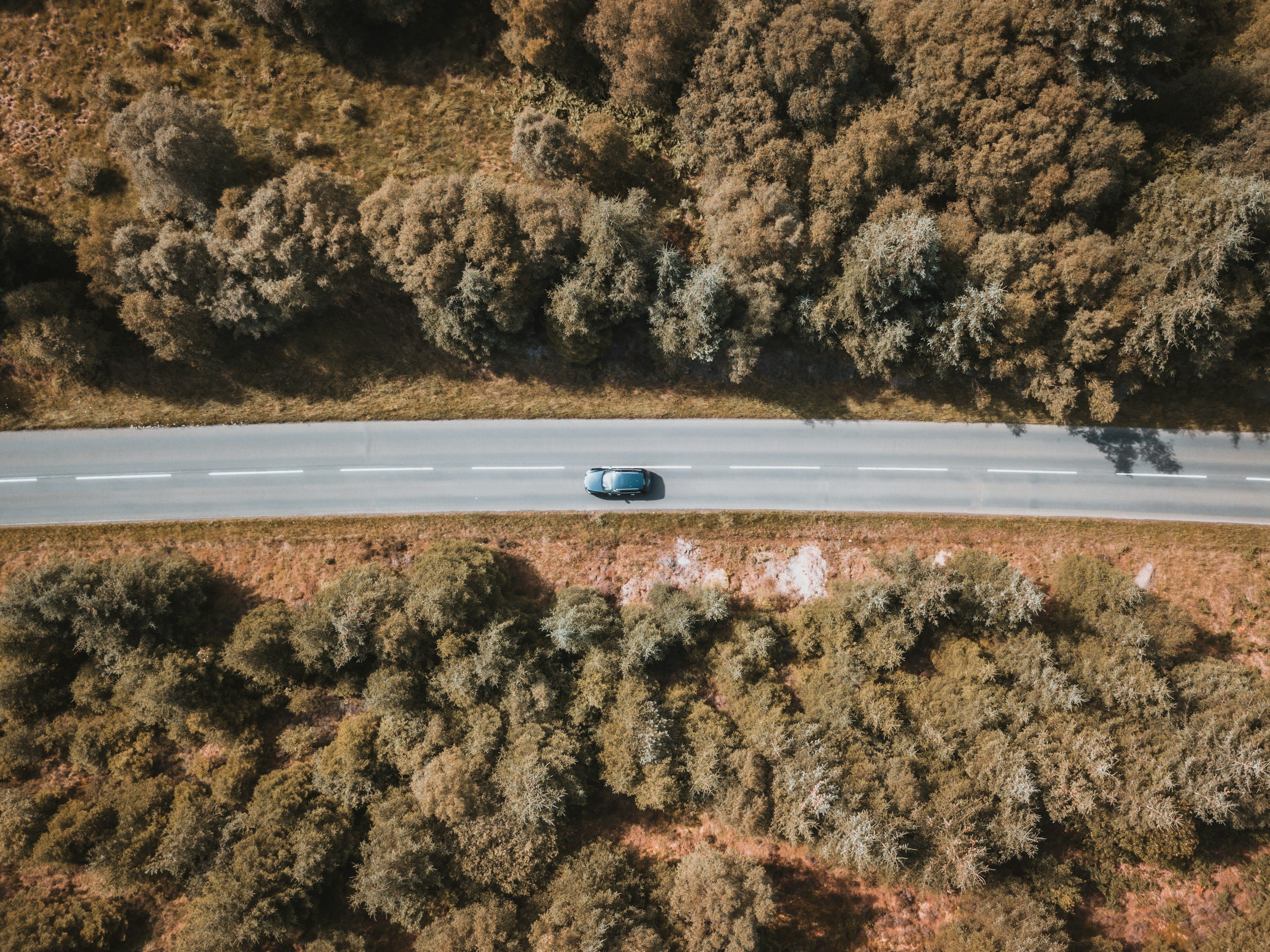
Once you’ve arrived in England, you must then follow UK road regulations. Here are a few things to remember:
Drive on the left-hand side of the road: One of the biggest differences from driving in Europe to the UK, is that you must drive on the left-hand side of the road in England. At roundabouts, drivers must also give way to traffic coming from the right.
Speed limits are in miles per hour (mph): England uses miles rather than kilometres. Typical speed limits are:
However, you should always follow road signs, as limits may vary.
Charges may apply near London: the majority of roads in England are free to use but there are a few exceptions if you’re travelling near London – make sure you check for Congestion Charge or Ultra Low Emission Zone (ULEZ) requirements.
Vehicle identification: if your vehicle is registered outside of England then you must display a country identifier – usually either a UK sticker or a number plate with a country code.
Insurance: make sure that your car is insured and that your policy covers driving in England. We’d also recommend getting breakdown cover too.
Driving license and documents: make sure to have a valid driving license, proof of insurance and vehicle registration documents with you at all times.
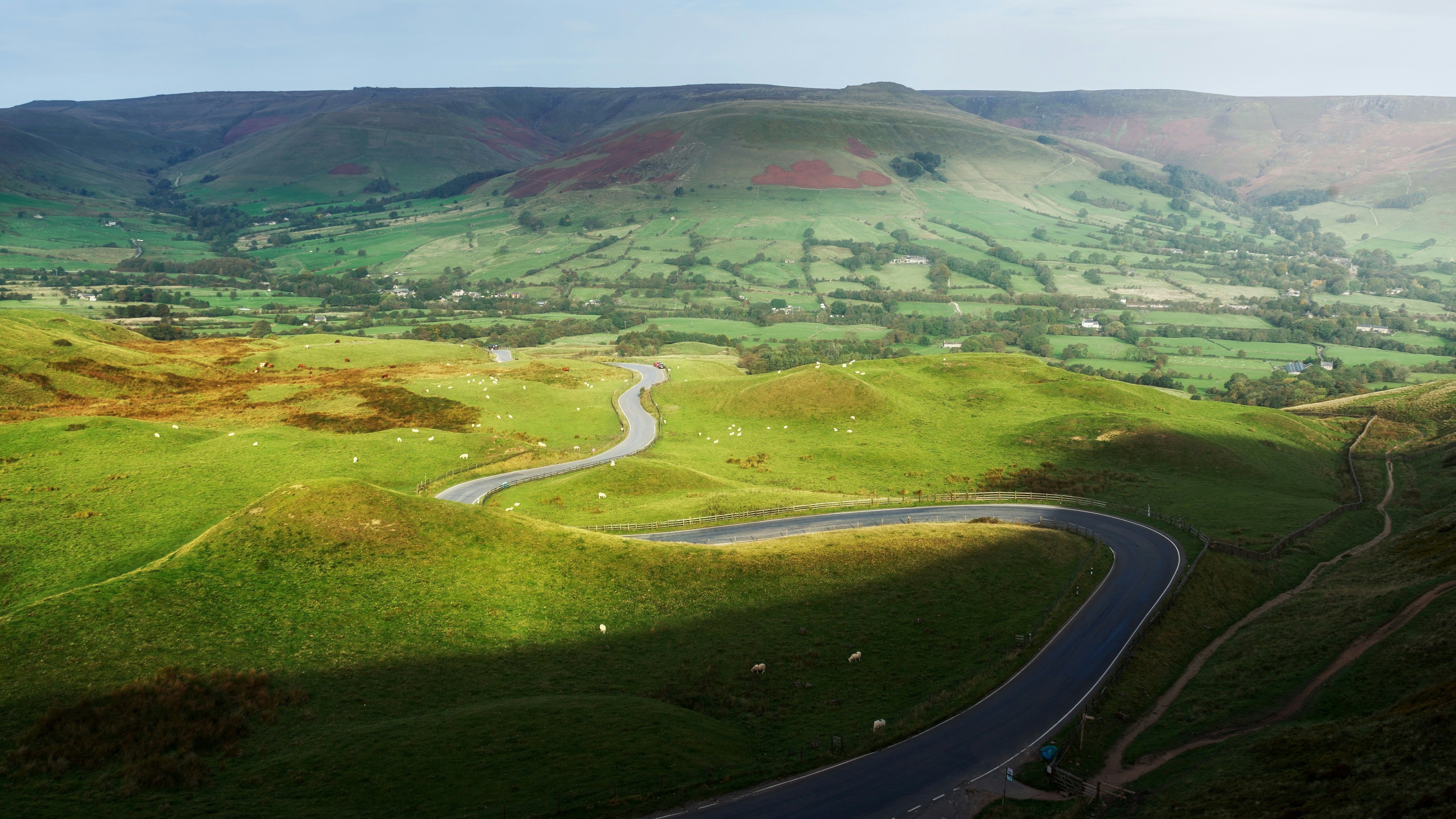
Travelling by ferry to England with your car is easy, with a wide range of routes connecting mainland Europe to the UK. Whether you plan on exploring the South East, South West, Midlands or the North, there are a range of ports that make it easy to reach your destination.
Popular ports like Dover and Portsmouth are a great choice if you plan on exploring the south east and London, whilst Plymouth is ideally situated for a south coast adventure. If you’re heading towards the midlands or the Cotswolds, Harwich is a convenient option, whilst the northern regions are easily accessible via ports such as Hull and Newcastle.
Whether you’re travelling to England with your car, campervan or motorcycle, ferries can accommodate a range of vehicles. Bear in mind that requirements may vary depending on the type and size of your vehicle so make sure you check with your ferry operator before you travel. Once you’ve arrived in England, all ports are well-connected by road so you can start your adventure straight away!
Boarding a ferry to England with your vehicle is simple. In most cases, you’ll check in, be assigned a lane, and wait to be called forward. When it’s time to board, you’ll be guided onto the ship and directed where to park on the car deck.
Here’s what to expect at some of the main departure ports:
As one of the busiest ferry ports in Europe, boarding at Calais is fast-paced but very efficient.
As the port is quieter than Calais, the boarding process at Dunkirk is often quicker.
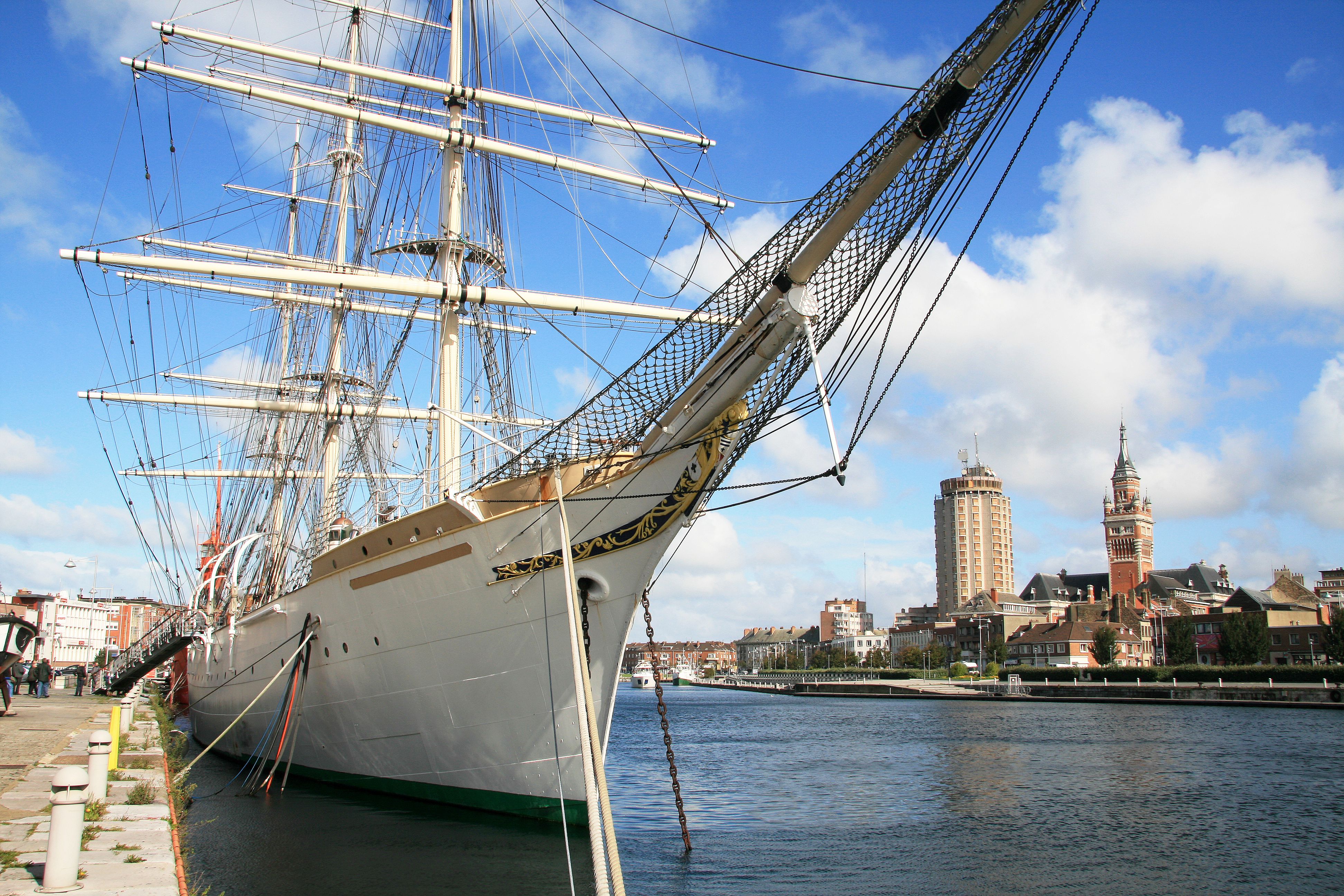
With longer and overnight crossings, boarding at Rotterdam is more structured and carried out in stages.
Boarding at Hook of Holland is usually smooth and well-organised, with clear signage throughout.
At Cherbourg, boarding is well-managed and generally more relaxed outside of peak season.
Boarding at Caen is an easy and straightforward experience.
At St Malo, boarding is usually carried out in stages, particularly on longer crossings.

Once you’re on board, you can relax! After parking your vehicle in your allocated space on the car deck, you’ll need to apply the handbrake and leave the car in gear. In most cases, you won’t be able to access your vehicle during the crossing, so make sure to take everything you need with you. You can then head up to the passenger decks where, depending on your route, you’ll find comfortable lounges, cabins, restaurants and shops.
The onboard experience can vary depending on the length of the crossing and the operator, so here’s what to expect on some of the most popular routes to England:
The Calais to Dover route is one of the quickest and most popular options for those travelling with a car. It’s ideal for those looking for a fast crossing from France, especially if you’re planning to explore the south of England or visit London.
Crossings take around 1 hour 30 minutes, with frequent sailings operated by P&O Ferries, DFDS and Irish Ferries. While facilities vary slightly between operators, most ships offer comfortable seating, cafés and small shops. If you’re travelling with a pet, they will usually need to stay in your vehicle. On P&O Ferries, however, you can book access to a Pet Lounge, allowing you to stay with your dog during the journey.
The Rotterdam to Hull route is a longer, often overnight crossing lasting around 11 hours 30 minutes. It’s a great option if you’re heading to northern England, with easy access to areas like the Yorkshire Dales, the Lake District, and cities such as Leeds and York.
You won’t have access to your vehicle during the crossing, so bring everything you need before heading upstairs. Onboard, you can enjoy private cabins, restaurants, lounges, shops and entertainment. Pets cannot remain in vehicles on this route, so you’ll need to book either an onboard kennel or a pet-friendly cabin in advance.
The Hook of Holland to Harwich route is another longer crossing, typically taking around 9 hours 30 minutes, with services operated by Stena Line. It’s a convenient option for reaching the South East, as well as the Midlands.
As with most routes, you won’t be able to access your vehicle during the journey. If travelling with a pet, you’ll need to book a pet-friendly cabin or onboard kennel. Onboard facilities include cabins, cafés, restaurants and comfortable lounges, making it a relaxed and enjoyable crossing.
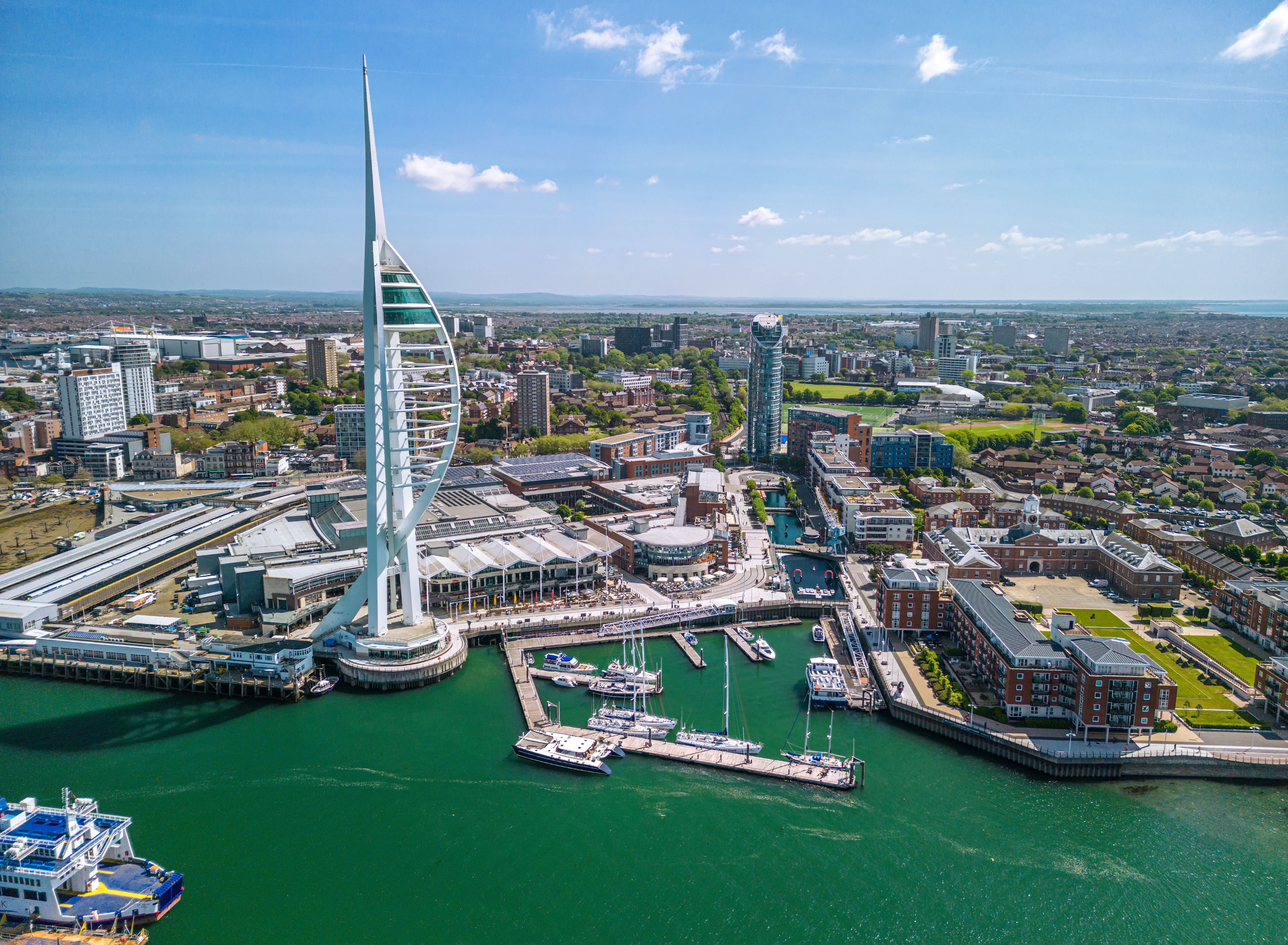
Disembarking the ferry with your vehicle in England is usually quick and well organised. As you approach, listen for announcements directing you back to the car deck. Once in your vehicle, wait for crew instructions before driving off the ship. You may then pass through UK Border Force and customs checks before continuing your journey.
Here’s what to expect at your arrival at some of England’s most popular ports:
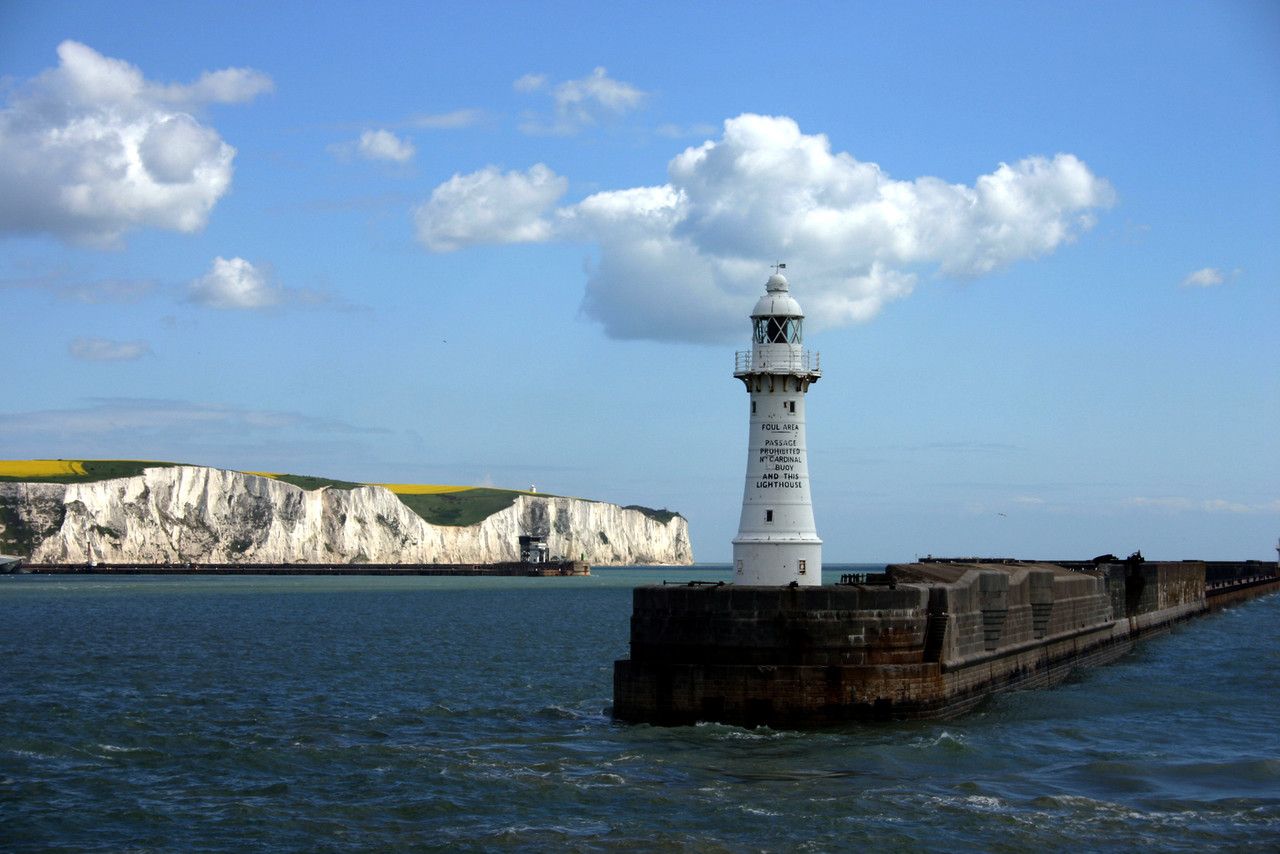
Dover is the busiest ferry port in England, so the process is fast-paced. As UK border checks are usually completed before departure in France, arrival is often straightforward and you can typically drive straight off the ferry. However, traffic can be heavy, especially during peak periods, and the port operates a strict flow system, meaning you won’t be able to stop inside the terminal.
Once you’ve exited, you’ll have direct access to major routes such as the M20, making onward travel quick and convenient.
Most arrivals at Hull are from overnight sailings, so the process is usually more relaxed than Dover. When instructed, return to the car deck and prepare to disembark. Vehicles are usually released in stages, so there may be a short wait. After leaving the ferry, continue through passport control and customs checks.
Although quieter than Dover, traffic can still build up during peak periods. Once you’ve left the port, you can join the A63, which connects to major routes across the North.
Harwich is generally quieter, so your arrival is often smooth and straightforward. Just return to your vehicle when you’re instructed and wait for instructions to drive off the ferry. Vehicles are often released in stages, but traffic moves fairly quick. You may also pass through border control checks, so keep your documents handy.
Once you’ve exited the port, follow signs onto the A120, which links to the A12 and M11 for easy access towards London and the Midlands.
Portsmouth port can also be extremely busy, especially in the summer months. However, the process is still efficient. Once you’ve been instructed to do so, return to your vehicle and wait until you are told to disembark. Follow crew directions as you drive off the ferry and through passport control and customs. Traffic is controlled but can be heavy in peak season so allow for extra time for your journey.
After leaving the port, follow signs onto the M275, which connects directly to the UK motorway network.
Plymouth is a smaller port, making it easier to navigate. When instructed, return to your vehicle and wait for the signal to disembark. Vehicles are also released in stages in Plymouth but it’s a fairly quick process. You may also have to pass through customs checks
Once you’ve exited the port, follow signs onto local roads such as the A374, which connect to the wider South West road network.
The 2-second rule is a guideline used in England in order to maintain a safe distance when driving. It basically means that you should stay at least two seconds behind the vehicle in front of you. However, in poor or wet conditions, you should increase this to four seconds of more. It’s a safety procedure to ensure you have enough time to react if the vehicle ahead of you suddenly brakes.
Unfortunately, there are no direct car ferries between Ireland and England. However, there are car ferries between Ireland and Wales. Once you reach Wales, England is just a short drive away. Ireland to Wales car ferries:
You can also get a car ferry between Northern Ireland and England:
In most cases, you cannot access your vehicle during the ferry crossing. The car deck is usually closed for safety reasons, so it’s important to take everything you need with you before heading to the passenger areas. On some longer routes, access may occasionally be permitted at specific times, but this depends on the ferry operator and is not guaranteed.
Yes, your vehicle may be checked when travelling to England. Checks can include security inspections before boarding, customs checks on arrival, and occasional random inspections. Most journeys are straightforward, but it’s important to follow instructions and ensure you’re complying with all regulations
Yes, electric vehicles are allowed on ferries to England. However, most ferry operators require you to declare that you’re travelling with an electric vehicle when booking. Charging is not usually available onboard, although some ports may offer charging facilities before or after your journey, so it’s worth checking in advance.
Yes, you can take a caravan on most ferry routes to England. You’ll need to book in advance and provide details such as the total length and height of your vehicle and caravan, so the operator can allocate enough space onboard. Once checked in, your caravan will be loaded onto the car deck and secured for the journey.
Like cars, you’re not usually allowed to stay in your motorhome during the crossing. It must be left on the car deck, which is closed to passengers for safety reasons. Make sure to take everything you need with you before heading to the passenger areas.
More routes than anyone else.

Compare fares, times & routes in one place.
Change plans easily with flexi tickets.

Book e-tickets & manage trips in-app.
Live ship tracking & real-time updates.

Top-rated customer support when you need it.