Things to do in Cowes
Things to do in Cowes
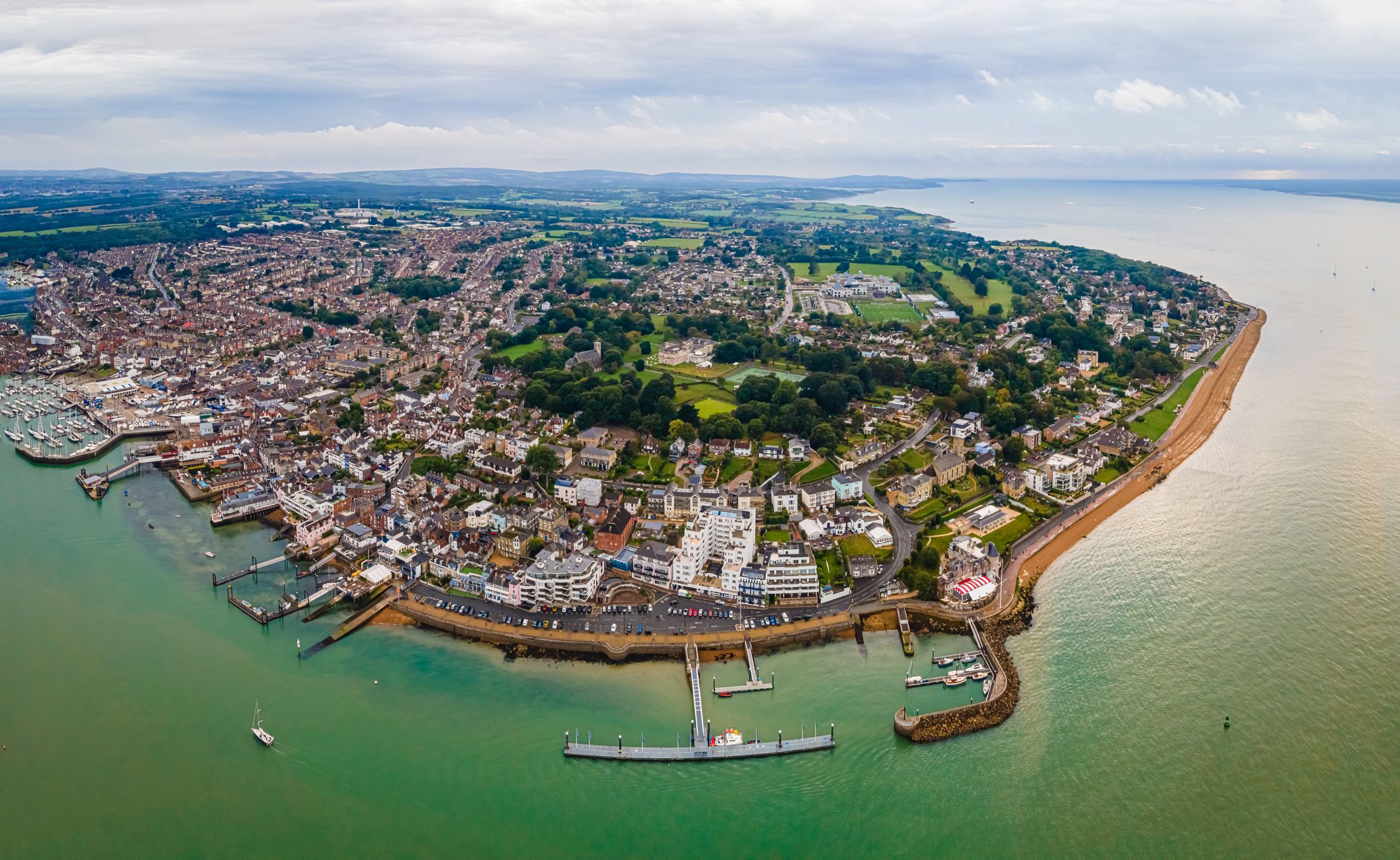
Located on the north coast of the Isle of Wight, Cowes is a vibrant town known for its rich sailing heritage, with a world-famous regatta and a waterfront filled with yachts. The centre is a lively place with independent shops, fascinating museums, and restaurants serving freshly caught seafood. Cowes also has strong links to the royal family, with Queen Victoria’s former seaside residence just a stone’s throw away. Read on to find out more about the sailing capital of the UK, including the top things to do whilst you’re there.
Cowes is easily reached by ferry from mainland England, with regular services operating from Southampton. Passenger ferries to Cowes take around 30 minutes, whilst vehicle services to nearby East Cowes take approximately 1 hour. The two towns are located just a short distance apart and are connected by the Cowes Floating Bridge, which carries cars and pedestrians across the River Medina throughout the day.
If you’re travelling from Southampton, you can take your car on the ferry to East Cowes. Once you’ve arrived, Cowes is just a short drive across the Cowes Floating Bridge. Cowes is also easily accessible by road from the rest of the Isle of Wight. If you’re coming from the direction of Newport, take the A3020 north to East Cowes, or if you’re coming from Ryde, take the A3054 west towards East Cowes. Once you’ve reached East Cowes, cross the Cowes Floating Bridge to the town.
Cowes is also accessible via public transport. Southern Vectis operates regular buses on the island, connecting Cowes with destinations including Newport, Ryde, Sandown and Shanklin.
Once you arrive at Cowes ferry port from Southampton, you’ll find the town easy to explore, with most attractions within walking distance. Cowes also has reliable bus services for longer trips or connections to nearby towns. If you arrive in East Cowes by car, you can simply drive off the ferry and start your adventure!
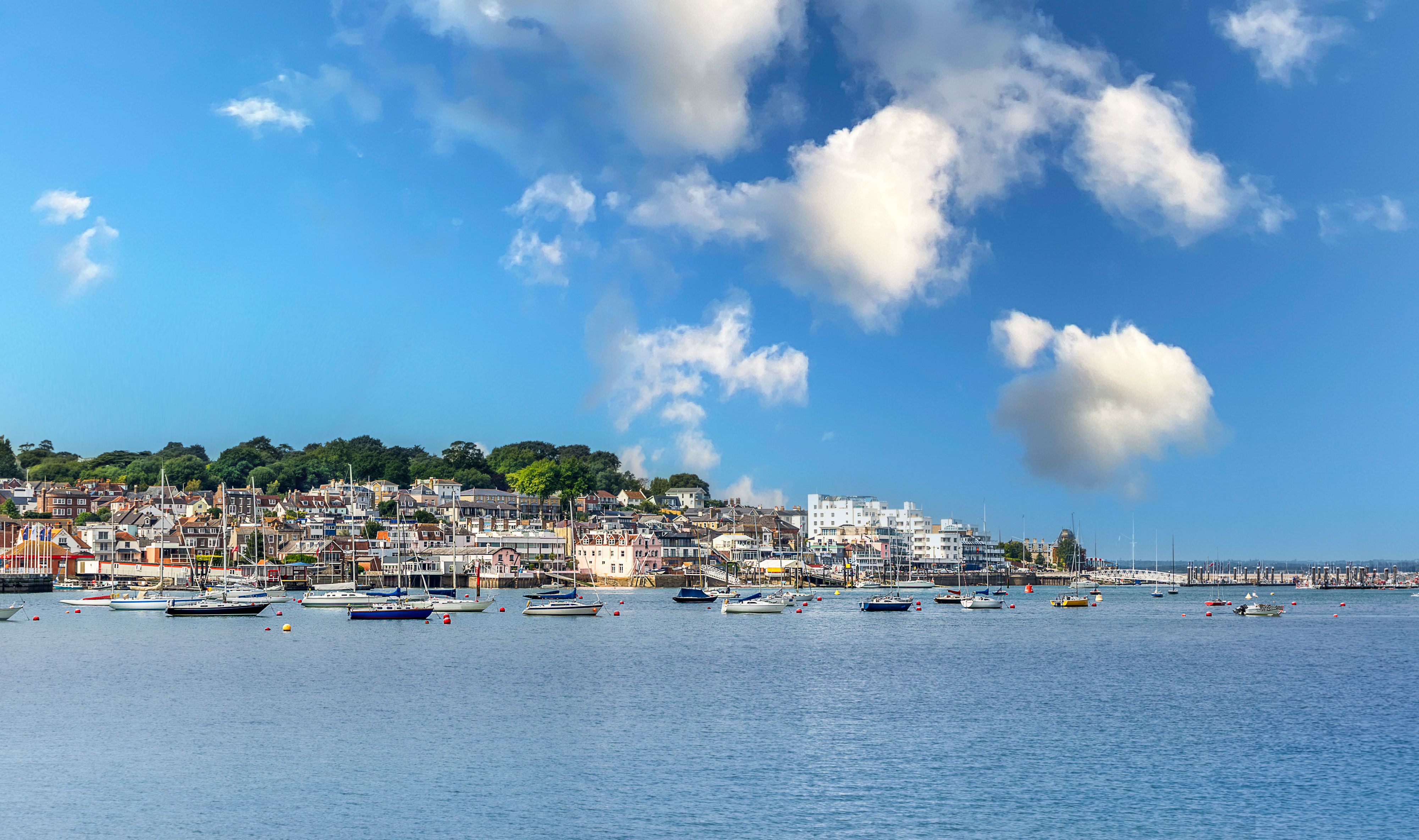
As Cowes is compact, you’ll find that walking is one of the best ways to explore the town and really experience its charm and beauty – take a stroll along the waterfront, stop for a drink in one of the cafes and admire the views across the Solent with yachts bobbing along the water. If you fancy venturing further, there are also many walking trails such as the westward path towards Gurnard Bay.
A car is a great way to explore beyond the centre. Bear in mind that the town has narrow streets and parking can be very busy, especially during the summer months or at weekends. Driving is the best choice if you want flexibility and to explore the island at your own pace, allowing you to reach areas that are harder to get to. Taxis are also available on the island, especially near the ferry terminal.
Buses are a popular way to explore other destinations on the island. Southern Vectis operates regular services between Cowes and surrounding towns such as Newport. From there, you can continue your journey to other places on the Isle of Wight such as Ryde, Sandown, and Shanklin. Getting a bus is also one of the cheapest ways to get around the island.
Cowes is a great destination to visit at any time of year. Whether you prefer exploring during the quieter shoulder seasons of spring and autumn, enjoying the cosy festive atmosphere in winter, or experiencing the lively sailing events and warmer weather of summer, each season offers something different.
Spring marks the start of the milder months in Cowes, with temperatures ranging from around 9-11°C in March to about 15-17°C by May. With winds coming across the Solent, the waterfront can feel slightly cooler than inland areas. These breezes also help kick off the sailing activity in the area. Occasional showers are common in spring, so make sure to pack layers and waterproof clothing. Longer daylight hours and moderate temperatures make spring ideal for coastal walks, whilst the quieter atmosphere makes it a convenient time to explore major landmarks across the Isle of Wight, including Osborne House and The Needles, before the peak summer visitors arrive. Perfect for: walking the coastal path from Cowes to Gurnard and watching early-season sailing activity on the Solent.
Summer is when Cowes is at its most vibrant, with tourists flocking to the town for peak sailing season and the buzzing atmosphere that surrounds it. Cowes Week, one of the largest sailing regattas in the world, takes place in August but even when it’s not on, the waterfront buzzes with activity with yachts bobbing in and out of the harbour. Summer is also the perfect time to soak up the sunshine in one of the waterside restaurants and watch the boats go by. Temperatures are at their warmest, ranging from around 19-22°C but are often higher so don’t forget your SPF. Sea breezes from the Solent can also make evenings feel cooler, so we’d recommend bringing layers. Although rainfall is lower than at other times of the year, showers can still occur, so waterproofs are a must too. The warmer weather and long daylight hours make summer the best time of year to enjoy nearby beaches like Gurnard or to explore the rest of the Isle of Wight’s coastline with day trips to beaches like Sandown and Shanklin. Perfect for: experiencing Cowes Week and watching yacht races from Cowes Parade or Egypt Point.
Autumn is a great time to visit Cowes if you want to avoid the peak summer crowds, enjoying milder temperatures and lower prices. Temperatures start to drop in autumn to around 18-20°C in September to 11-13°C in November and are even cooler on an evening, especially along the waterfront which can get very windy. Rain is also more common, so make sure you pack waterproofs and layers. Just like spring, autumn is a great time to visit the island’s main attractions like Carisbrooke Castle or take a day trip to places like Newport and Ryde and explore the shops and markets without the summer crowds. Perfect for: cycling the Red Squirrel Trail or hiking the Isle of Wight Coastal Path whilst enjoying autumn’s ever-changing landscapes.
Winter is when Cowes is at its coldest, with average daytime temperatures of around 7-9°C, with evenings a lot cooler. With winds across the Solent, the waterfront can feel especially cold, and rain is common in winter too, so make sure you pack thick layers and waterproofs. The cold temperatures make winter a great time for browsing Cowe’s independent shops and warming up in cosy cafes and traditional pubs. With moody skies and crashing waves, the dramatic scenery in winter offers great photography opportunities. It’s also ideal for quiet winter walks – just grab a hot chocolate and set off along the coast, soaking up the glorious views. There’s also a cosy festive atmosphere, with twinkling lights, Christmas trees, and markets all over the town. Perfect for: enjoying the town’s Christmas festivities such as Cowes Christmas Celebration Day and the Cowes Christmas Tree Festival.
There’s plenty to see and do in Cowes, from exciting sailing events to historical attractions and picture-perfect landscapes.
Cowes Week, one of the oldest sailing regattas in the world, takes place every August, attracting sailors from all over the globe. The town comes alive during this time with races, live music, markets and events.
Don’t miss a trip to Osborne House, Queen Victoria’s former summer residence located in East Cowes. You can explore the grand palace, the beautiful gardens and see the private beach.
Take a stroll along Cowes Esplanade for scenic views across the Solent. Watch the sailing boats pass by and tuck into some fish and chips along the coast.
Enjoy a wander through Cowes town centre with its sailing shops, independent boutiques, traditional pubs and delicious restaurants.
Located in Northwood, the Wight Military and Heritage Museum is a volunteer-run museum that gives you a glimpse into the area’s history. There’s interactive experiences and you can also see tanks and weapons too. [Image]
Sailing is the most popular activity in Cowes, with regattas held throughout the year. Even if you don’t want to join in, you can watch the races from the waterfront. The town is also a great base for some stunning coastal walks. Popular routes include the Isle of Wight Coastal Path and Medina Estuary Circular, or for something less strenous you can enjoy a walk along the Esplanade. Cycling is also a popular activity in Cowes, with many cycling routes leading you to other destinations on the island such as Newport.
Osborne House is one of the area’s most important historic sights. You can visit Queen Victoria’s former summer residence, admire the lavish interiors, explore the landscape gardens, and visit the private royal beach. There are also a variety of museums in Cowes such as the Cowes Maritime Museum and Wight Military and Heritage Museum that give you a glimpse into Cowes’ past, along with a number of independent art galleries, perfect for rainy days.
There are many day trips you can take from Cowes. Newport is a popular choice, located around 15 minutes away by car, where you can visit the medieval Carisbrooke Castle and browse the town’s many shops. Newport is also home to the famous Isle of Wight Festival. Another popular day trip from Cowes is to visit The Needles on the western coast of the island where you can witness the island’s most famous attraction with its iconic chalk stacks. Make sure you take the chairlift to Alum Bay for the most breathtaking views.
Cowes is a great destination for families, with plenty of exciting activities for both children and adults. In summer, Cowes Week brings a buzzing atmosphere to the town with parties and live entertainment – it’s perfect for all the family. The town’s location on the coast also offers plenty of opportunities for family-friendly adventures, from seaside strolls with an ice cream along Cowes Esplanade to building sandcastles on Gurnard Beach. There are also parks like Northwood Park where kids can run around, along with the beautiful gardens and private beach at Osborne House in East Cowes.
If you’re wanting to experience Cowes on a budget, then we’d recommend booking your ferry tickets in advance. Not only can ferries sell out but the sooner you book, the cheaper the price tends to be too. If you can then we’d also recommend travelling at off-peak times or outside of the summer months to save even more money on ferry fares. Students can also save 5% on ferry tickets – just verify your student status with our partner student beans. We’d also recommend booking your accommodation in advance to get it at the cheapest price. You can even opt for a self-catering apartment so you can save on eating out.
Northwood Park is one of Cowes’ hidden gems. The peaceful park is a great place to escape the hustle and bustle of the town. In the park, you’ll also find Northwood House, a Victorian mansion. Egypt Point is another hidden gem, with its 19th century lighthouse. Located just west of Cowes, it offers beautiful views across the Solent.

Due to the town’s coastal location, freshly caught seafood is common, especially crab and lobster. One of the best places to sample seafood is in one of the restaurants near the harbour, whether that’s a delicious crab sandwich for lunch or a seafood linguine for dinner. Fish and chips are another popular dish, with takeaways offering hearty portions which are best enjoyed overlooking the Solent. Other must-try delicacies on Cowes and the rest of the Isle of Wight include the island’s sweet home-grown tomatoes, garlic and cheeses.
There’s accommodation to suit every kind of traveller in Cowes. Whether you’re looking for a modern hotel, cosy bed and breakfast or a self-catering apartment, you’ll find something for every budget. We’d recommend choosing one with a sea view for an extra memorable stay.
Thanks to quick and regular ferries from the mainland, Cowes makes the perfect destination for a weekend getaway. With most of the town’s attractions located near each other, it’s easy to experience Cowes over a few days.
Day 1: Arrive in Cowes via ferry from Southampton. Check into your accommodation and then have a wander to the waterfront to see what Cowes is famous for – its sailing! Next, take a stroll through the town centre, stopping for a drink in a café and browsing the independent shops, before finishing the day in one of the waterfront restaurants eating dinner overlooking the Solent.
Day 2: Enjoy a relaxing morning along the coast – walk along Cowes Esplanade or a section of the Isle of Wight coastal path before tucking into fish and chips. In the afternoon, head to East Cowes to visit Osborne House, the former seaside residence of Queen Victoria. Explore the grand interior and the landscaped gardens and relax on the private beach.
Day 3: Spend your last day in Cowes exploring all the town’s remaining sights – wander through Northwood Park, explore Cowes Maritime Museum or walk to Gurnard Beach for some seaside fun. After, enjoy a hearty lunch in a traditional pub before catching your ferry back to the mainland. Why we love it: Frequent ferries from Southampton make it possible to reach the Isle of Wight in less than an hour, making it perfect for people wanting to spend less time travelling and more time exploring historic attractions and experiencing the island’s natural beauty. A few days in Cowes allows you to really get a feel for the town whilst also enjoying some of the island’s other highlights.
Day 1: Arrive in Cowes on a ferry from Southampton and check into your accommodation. Then, head to the waterfront where you can explore the vibrant Cowes Harbour, watching the yachts and sailing boats bob in and out. Spend the afternoon walking through the town centre’s shops and cafés before having dinner at a waterfront restaurant with views across the Solent.
Day 2: Head to Osborne House first thing to miss the crowds. Explore the royal residence with its beautiful gardens and private beach. Afterwards, continue your journey to Ryde, known for its long sandy beach and historic Ryde Pier, one of the longest piers in the United Kingdom. Walk along the Esplanade, stop at a café overlooking the beach, and enjoy views across the Solent before returning to Cowes in the evening.
Day 3: Take a day trip to Newport, the island’s main town, where you can explore shops, markets, and museums. From here, you can also visit Carisbrooke Castle, a medieval fortress where King Charles I was imprisoned. There are also some beautiful walking trails where you can experience a different side to the island in the countryside before returning to the coast for a traditional pub dinner.
Day 4: Start the day by ticking off the Isle of Wight’s most famous landmark – The Needles. Make sure to take a chairlift down to Alum Bay and soak up the incredible views. We’d recommend spending most of the day here, but there are plenty of other activities in the area too, such as hiking the Tennyson Trail or fossil hunting on Compton Bay.
Day 5: Spend your final day enjoying Cowes at a slower pace. Take a morning stroll along the Esplanade, relax in Northwood Park and sit in a café watching the boats bob by. If you’re visiting in the summer season, you’ll also be able to watch training races or witness the vibrant atmosphere of the sailing season. Enjoy a final lunch in a waterside restaurant before taking the ferry back to the mainland. Why we love it: A five-day trip really allows you to experience both Cowes and the rest of the Isle of Wight without rushing between attractions. It gives you enough time to tick off all the sights whilst still enjoying some relaxation in between. _________________________________________________________________________
Yes, you can get a ferry to Cowes from Southampton. Ferries from Southampton go to either West Cowes (the main town) or East Cowes. The Southampton to West Cowes ferry is the quickest, with a journey time of around half an hour, whilst the ferry from Southampton to East Cowes ferry takes about 1 hour. Both ferries are operated by Red Funnel with regular services throughout the day, giving you plenty of options when it comes to planning your trip to Cowes.
- Book in advance: Southampton to Cowes is a popular route so we’d recommend booking your ferry in advance, especially if you’re travelling in the peak summer season or around the time of the famous Cowes Week. The same goes for accommodation and restaurants so make sure you plan ahead. - Prepare for all weathers: Even when it’s warm in Cowes, the sea breeze can be strong, so we’d recommend always bringing layers and waterproofs just in case
Cowes and East Cowes are separated by the River Medina, and you can use the Floating Bridge to travel between them. Cowes is generally busier, known for its vibrant sailing atmosphere and upmarket feel with independent shops and waterside restaurants. East Cowes on the other hand, is quieter and is mainly known for its famous historic attraction, Osborne House.
More routes than anyone else.

Compare fares, times & routes in one place.
Change plans easily with flexi tickets.

Book e-tickets & manage trips in-app.
Live ship tracking & real-time updates.

Top-rated customer support when you need it.