Dublin - Holyhead
Ferry to Wales
Dublin - Holyhead
Ferry to Wales
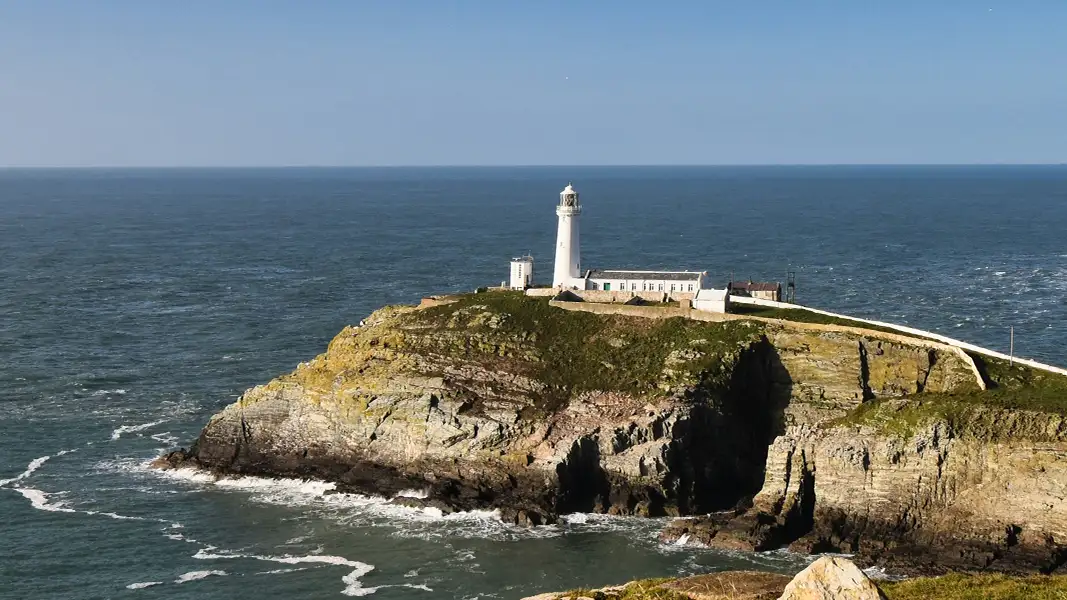
Ferries from Dublin to Holyhead are operated by 2 ferry companies; Irish Ferries & Stena Line. The journey usually takes around 3 hours 30 minutes. There are currently 53 weekly sailings on this ferry route. Prices start from as little as £30. Use our Deal Finder to compare prices and availability and book your ferry to Holyhead today.


Dublin Holyhead ferry prices tend to range between £30* and £486*. The average price for ferries from Dublin Holyhead is typically £300*. The cheapest Dublin Holyhead ferry prices start from £30*. The average foot passenger price is £77*. And the average price for a car is £338*.
Pricing will vary depending on the number of passengers, vehicle type, route and sailing times. Pricing is taken from searches over the last 30 days and is exclusive of service fees, last updated May 26.
We offer a quick and easy way to compare ferry tickets and prices, helping you find the journey that suits you best. Check out our Special Offers page for discounts on select routes and operators. Remember to book early to secure the best prices and availability!
Yes, Direct Ferries offers a wide range of discounts all year around. When searching for ferries, any senior discounts will be applied automatically if they are available. Just select your age range from the passenger options.
Students and graduates can get a 5% discount on ferry tickets. To take advantage of the discount, you need to register with our partner Student Beans to confirm your student or graduate status. You will then receive a discount code which can be entered during the payment process.
Resident discounts are available on a variety of Spanish and Italian ferry routes. Just click on the "Residents" option when this is displayed. The discount is automatically applied to the price. Bear in mind that proof of registration or an identity card with the correct address must be shown at check-in.
The Dublin to Holyhead ferry times may vary depending on the ferry operator and season you’re travelling in. Sailings are usually more frequent during the peak summer months, whilst schedules may be reduced during the off-season. We recommend searching for your preferred travel dates to view the most up-to-date ferry timetable.
The first Dublin Holyhead ferry usually departs from Dublin at around 01:15. The last ferry usually departs at 22:30.
Due to the crossing time, ferries between Dublin and Holyhead are more suited to weekend trips or longer stays so you can really make the most of your time in Holyhead - if you’re looking for inspiration or things to do while you’re there, check out our blog.
Yes, Irish Ferries & Stena Line allow cars on board ferries between Dublin and Holyhead. The average price for a car is £338. Check out our Deal Finder for the latest prices.
Here are our top tips for travelling with a car:
If you're travelling by car, standard speed limits in Wales are as follows:
Whether you can bring your campervan on the ferry from Dublin to Holyhead depends on various factors such as the ship and operator of your preferred crossing. To find out if you can take your campervan on board, just enter your details and we’ll compare operators on your selected route.
Visit our blog for more practical tips and travel inspiration when travelling with a car, campervan or caravan.
Yes, you can bring a bicycle on a ferry from Dublin to Holyhead with Irish Ferries & Stena Line. In general, most ferry companies allow bicycles on board, but it is always best to check the operator’s bicycle policy to avoid any bad surprises at the departure port.
Yes, foot passengers can travel with Irish Ferries & Stena Line ferries between Dublin and Holyhead. Prices for foot passengers start from £31.
Pets are allowed on ferries travelling from Dublin to Holyhead with Irish Ferries & Stena Line. The average price for travelling with a pet on board Dublin to Holyhead ferries is £267.
Pricing is taken from searches over the last 30 days and is exclusive of service fees, last updated May 26.
The documents you’ll need when travelling with your pet will depend on the country you’re travelling to and from. In general, you’ll need the following things when travelling with your pet on board a ferry:
For more information about taking your pet on a ferry, read our article about ferry travel with pets.
Where your pet stays on the ferry depends on the operator. Some ferries require pets to remain in your vehicle for the duration of the crossing, whilst others provide dedicated areas such as pet-friendly cabins, onboard kennels or lounges.
Make sure you check the rules before you travel, as some operators have restrictions on the type or number of pets you can bring. If your route offers cabins, kennels or lounges, we also recommend booking them in advance, as these can fill up quickly.
Our Deal Finder shows you all the different options, so you can decide which ferry crossing best suits you and your pet’s travel needs.
Stena Line:
Irish Ferries:
There are a few things to bear in mind when travelling with guide dogs and assistance dogs. We recommend notifying the ferry company or contacting our customer service team when you book to let them know that you’ll be travelling with a guide or assistance dog, as you may need to provide certification or make special arrangements in advance.
Guide and assistance dogs must meet the same requirements as other pets, so ensure you have valid travel documents showing proof of vaccinations, microchipping, and any required treatments such as tapeworm.
Depending on the ferry operator, guide and assistance dogs are usually allowed in public areas and can stay with you throughout the journey, making the crossing more comfortable for both you and your dog.
Bear in mind that even if pets are not allowed on board, different regulations may apply to passengers travelling with guide dogs and assistance dogs. You can check the specific rules on your preferred sailing with our customer service team. For general information on travelling with assistance dogs and guide dogs, visit our Special Assistance Help page.
The ferry from Dublin to Holyhead only takes 3 hours 30 minutes on average, so there are no overnight crossings on this route. The last ferry currently departs at 22:30.
You can get a direct ferry from Dublin to Holyhead. Although flights are available from Ireland to Wales, getting a ferry is one of the easiest and most convenient ways to travel between Dublin and Holyhead.
Depending on the operator you choose, ferries offer much more flexibility, allowing you to bring your vehicle and pet along too. Plus, you can often take more luggage than you usually can on a plane. Travelling by ferry is also a relaxing and scenic experience so you can arrive in Holyhead feeling refreshed and ready to explore!
How early you need to arrive at Dublin ferry port depends on the ferry company you are travelling with and how you are travelling, so it’s always best to check your booking confirmation in advance.
Although Dublin ferry port is very large, it’s easy to navigate thanks to clear signage and a well-organised check-in process for cars. There are two separate terminals - one for Irish Ferries and one for Stena Line - so make sure you head to the correct one. Due to the size of the port, arriving early is essential for a smooth and stress-free journey, especially during peak summer months and at weekends.
As a general guide, we recommend arriving 45–60 minutes before departure if you’re travelling as a foot passenger. If you’re bringing a car or campervan, aim to arrive at least 60–90 minutes in advance to allow time for check-in and vehicle procedures.
Yes, first class is available on ferries from Dublin to Holyhead, providing a more premium and comfortable experience.
Facilities vary depending on the operator and ship but often include priority boarding and access to exclusive lounges with spacious seating, power sockets and speedy Wi-Fi. On some routes, first class may also include complimentary meals, drinks, or snacks.
Yes, parking is available at Dublin port, so you don’t need to worry about leaving your car behind. Short and long-term parking options are available outside both the Stena Line and Irish Ferries terminals on a pay-and-display basis.
We recommend arriving early as port car parks can fill up quickly, especially during the busy summer months or at weekends.
If you’re looking for accommodation near the port of Dublin before your journey, be sure to check out our Accommodation page for the best deals and prices. You’ll find a wide range of options to suit different budgets and travel styles.
Staying close to the port can make your journey much more relaxing – just wake up and head straight to your ferry! We recommend booking as early as possible to secure the cheapest prices and availability, especially during peak travel periods when accommodation can fill up quickly.
Many ferry operators aim to accommodate passengers with reduced mobility, but facilities can vary by ship. For more information, we recommend checking directly with the ferry operator you are travelling with.
Ferries are often equipped with facilities such as step-free access, accessible cabins and toilets and dedicated seating areas. If you require assistance on board, then make sure you let the ferry operator know well in advance, so they make any special arrangements to ensure your journey is as comfortable as possible.
The facilities available on board the ferry to Holyhead depend on the operator and the vessel you’re travelling on, so it’s a good idea to check in advance what to expect. Longer crossings typically offer a wider range of facilities, including comfortable cabins, multiple dining options, pet-friendly amenities and onboard entertainment.
Accommodation and seating on ferries from Dublin to Holyhead vary depending on the ferry operator and the length of the journey. Prices can also differ based on the operator, sailing time, and season.
For full details on the types of accommodation and seating available on board, check the ship information section at the bottom of this page or visit our ship page.
Luggage allowances on ferries between Dublin and Holyhead can vary depending on the operator. Whilst many ferries don’t have strict limits, it’s always best to check in advance, as larger or additional items may incur an extra fee. If you’re travelling with a vehicle, you’ll usually be able to bring more luggage with you.
Ferries from Dublin to Holyhead arrive at Holyhead ferry port on the Isle of Anglesey in North Wales. Holyhead port is connected to Holyhead train station. Once you've arrived at the port, you can get trains to various destinations including London, Manchester and Birmingham. If you're travelling by car, the port is located at the end of the A55, providing direct road access for easy onward travel.
The time it takes to disembark the ferry from Dublin to Holyhead can vary depending on the ferry operator, the size of the ship, and the number of passengers and vehicles on board.
Foot passengers generally disembark the quickest, usually within 10 to 20 minutes, whilst passengers with vehicles often have to wait slightly longer, usually around 20 to 45 minutes. However, the exact times depend on the size of the ferry and how busy it is.
When travelling to Wales, there are a few things to bear in mind:
Travel requirements can vary depending on the route, so it's important to check what documents you'll need before sailing. In most cases, a valid passport is required when travelling from Dublin to Holyhead, along with any necessary visas or national ID cards. Requirements may differ based on your nationality and the destination country’s regulations. To avoid delays at check-in, you can find helpful information for your journey in our Check-in, Travel Documents & Tickets guide and in our blog post on tips and tricks for international travel.
Although it’s sometimes possible to buy tickets at the port on the day of travel, we recommend booking your sailing in advance. Ferry crossings can fill up quickly, especially during peak summer periods or on weekends.
Booking your ferry tickets to Holyhead ahead of time allows you to secure your preferred sailing and often save money, as prices tend to be lower the earlier you book. If you’re travelling with a vehicle, it’s especially important to reserve in advance to guarantee a space on board.
How early you need to arrive at the ferry port depends on the ferry company you’re travelling with, so it’s always best to check with your ferry operator in advance. The latest check-in time for your Dublin to Holyhead ferry booking will often be included in your booking confirmation email.
Check-in times can vary depending on whether you’re travelling as a foot passenger or with a vehicle, with those travelling with cars, campervans or caravans usually required to arrive earlier. Either way, we’d recommend allowing plenty of time for check-in especially during peak season.
To book your ferry tickets, simply enter your departure and arrival ports along with your preferred travel date to see all available options and prices. You’ll also be able to view alternative routes and times, so you can find the best deal to suit you.
Look out for early booking discounts or special ticket options such as upgrades or flexi-tickets that allow you to change or cancel your booking. To make your sailing as smooth as possible, make sure you enter all the required information correctly, such as the number of passengers and vehicle specifications.
Once you’ve finalised your booking, you’ll receive a confirmation email. It depends on the ferry operator you book with as to how your boarding pass is issued and collected.
Whilst some ferry operators issue the boarding pass as soon as your booking is confirmed, others may ask you to check in at the port. There’s also the option for online check-in, which can be done easily via the Direct Ferries app, if available.
The ticket desks are usually located near the ferry terminals. To avoid any delays at the port, we’d recommend allowing some extra time to collect your tickets and to check-in.
During check-in, you’ll need to show your email confirmation along with an official photo ID, such as a passport or identity card. If you booked your ticket with a resident discount, proof of residence may also be required. If you’re travelling with a pet, you may also be asked to provide documentation showing their vaccinations and insurance.
There could be various reasons why there are no departures from Dublin to Holyhead for the date you’ve requested. Possible reasons include:
If your preferred sailing isn’t available, then we’d recommend checking other dates or looking for overnight crossings as these can sometimes be quieter. We’d also recommend looking at alternative departure or arrival ports.
The best time to book ferries from Dublin to Holyhead is usually as early as possible. By booking in advance, you’ll not only get your tickets at the best available prices, but you’ll also get a better choice of departure times and cabin/seating options.
This is particularly important during peak season, when demand is high and popular routes can sell out quickly. Even in the off-season, booking ahead can help you save money.
We’d recommend making your booking at least a few weeks in advance to benefit from the best offers. Bear in mind that prices may vary depending on the season and availability.
Don’t forget to check our Special Offers page for the latest discounts and deals on crossings from Dublin to Holyhead.
More routes than anyone else.

Compare fares, times & routes in one place.
Change plans easily with flexi tickets.

Book e-tickets & manage trips in-app.
Live ship tracking & real-time updates.

Top-rated customer support when you need it.
| Dublin - Holyhead Ferry Route Prices | ||
|---|---|---|
| Foot Passenger | £77 | |
| Average Price with Car | £338 | |
| Average Price with Motorbike | £103 | |
| Average Campervan Price | £255 | |
| Average Cabin Price | £270 | |
| Dublin - Holyhead Ferry Route Summary | |
|---|---|
| Origin | Ireland |
| Destination | Wales |
| No. of Operators | 2 |
| Operators | Irish Ferries & Stena Line |
| Average Price | £300 |
| Average Pet Price | £267 |
| Average Daily Sailings | 8 |
| Average Weekly Sailings | 53 |
| Average Sailing Duration | 3 h 30 m |
| Fastest Sailing Duration | 2 h 15 m |
| First Ferry | 01:15 |
| Last Ferry | 22:30 |
| Distance | 94 Nautical Miles |
* Prices subject to change, pricing is taken from last 30 days, last updated 1 May 2026.
"Good trip "
"Nice journey"
"Return crossing to Dublin"
"postcode"
With so many exciting things to see and do, Ireland’s buzzing capital has become a tourist hotspot. The city is packed with attractions, from fascinating museums to historic landmarks and famous distilleries. Dublin is also known for its lively nightlife, with countless Irish pubs scattered across the city where you can experience live music and the legendary warm Irish hospitality.
Dublin is a busy and important port, with over 1.7 million passengers passing through each year. The port connects Ireland with Wales, France and the Isle of Man. There are 3 passenger terminals at Dublin ferry port. Irish Ferries operate from Terminal 1, with services between Dublin and Holyhead and Dublin and Cherbourg. Steam Packet also offers a seasonal service to and from Douglas in the Isle of Man, with services also operating out of Terminal 1. Stena Line operate from Terminal 2 with services to and from Holyhead whilst P&O Ferries operate from Terminal 3.
There is Pay-and-Display parking located outside of the terminals for both short and long-term stays. Parking costs €2 per hour and €9 for 24 hours.
Dublin port is modern with a range of amenities including toilets, passenger lounges, vending machines, baby changing facilities, free Wi-Fi, disability assistance, a café and parking options.
Irish Ferries / Steam Packet Company:
Terminal 1,
Terminal Road South,
Dublin 1.
P&O Ferries:
Terminal 5,
Alexandra Road Ext,
Dublin 1,
Eircode D01N6K5.
Stena Line:
Terminal 2,
Alexandra Rd,
Dublin 1,
D01 WD28
Ferries to Holyhead may serve as a gateway to the rest of Wales, but the port town is worth exploring - especially as it’s just a short stroll from the terminal. Expect medieval landmarks, captivating museums and a wide choice of shops, cafes and restaurants. Holyhead is also a dream for outdoor enthusiasts, with scenic walking routes, amazing birdwatching opportunities and incredible scenery right on its doorstep.
Holyhead port acts as a major gateway between the UK and Ireland, with around 2 million passengers passing through the port each year. There are 5 ferry terminals at Holyhead port. These terminals are located at the Inner Harbour, Outer Harbour and New Harbour. Terminal 1, located at the Inner Harbour, is the main passenger ferry terminal, with regular services operated by Stena Line and Irish Ferries.
Both short and long-term parking is available at Holyhead port. The short-term car park, which can be used for picking up and dropping off passengers, is located just outside the terminal building. You’re allowed to stay for up to 20 minutes. Within the short-term car park, there are also disabled parking spaces where you can stay longer than 20 minutes for a fee. There are also 2 long-term car parks located close to the terminal.
You’ll find a range of amenities at Holyhead port including toilets, a passenger lounge, ATMs, vending machines, free Wi-Fi, electric car chargers, parking and disability assistance. There is also a duty-free shop where you can enjoy exclusive deals.
Terminal One,
Holyhead,
Anglesey,
Gwynedd,
Wales,
LL65 1DQ