Milan-Cortina 2026: Complete Winter Games Travel Guide
Events & Festivals
Events & Festivals


The most eagerly anticipated sporting event is finally upon us. The Winter Olympics kicked off in Italy on the 6th February and will run until the 22nd February, taking place at various locations across Milan and Cortina. Our useful guide will discuss everything you need to know about the event, from key dates to every major venue (from Milan to the Dolomites), and important ticket and entry rules.
The Winter Games began on the 6th February and will run until the 22nd February 2026. The Opening Ceremony took place in Milan at the San Siro Stadium, whilst the Closing Ceremony will be held in the historic Arena di Verona, providing an unforgettable setting and adding a unique Italian twist to the finale.
Unlike a single host city, this year's Winter Games are built around multiple hubs. Think of it as a “route” across Northern Italy: a major urban base in Milan, mountain venues in the Dolomites and Italian Alps, plus Nordic and biathlon venues in scenic valleys. This setup means existing facilities can be reused, whilst also giving visitors the opportunity to combine world-class sports with classic Italian city breaks.
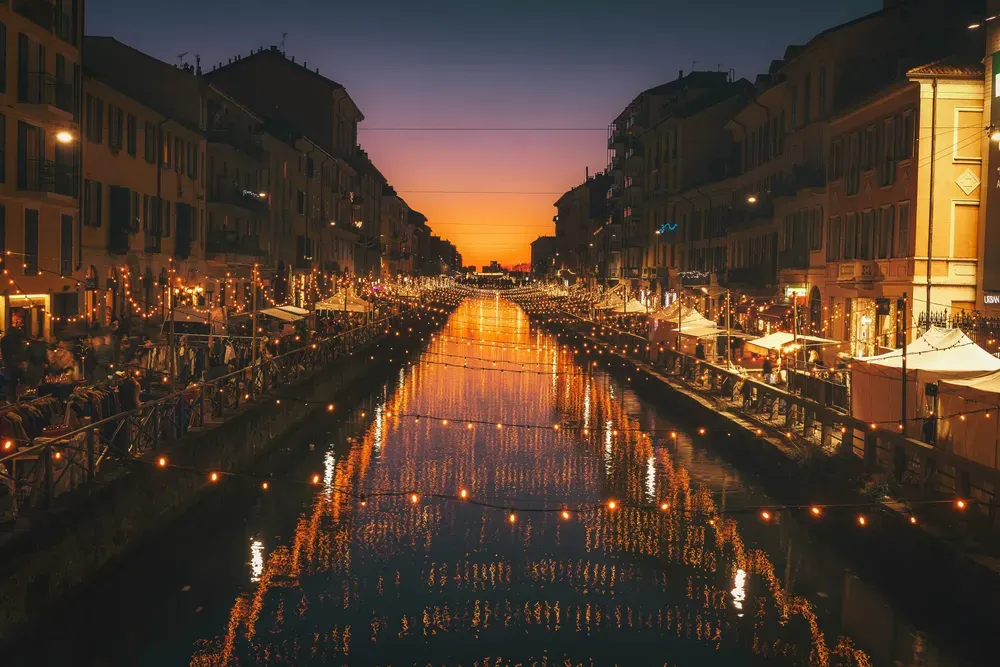
Milan, the capital of Lombardy, represents the urban heart of the Milano-Cortina 2026. With a metropolitan population of nearly 1.4 million, it's by far the largest host city and will act as the main logistical and transport hub of the Games. Milan combines world-class infrastructure with a huge range of accommodation, dining and cultural attractions, making it one of the most convenient bases for spectators.
Ice hockey (men’s and women’s), figure skating, short track, speed skating, and the Opening Ceremony on 6th February 2026.
Ice sports fans, travellers who want maximum comfort and flexibility, and visitors planning to attend multiple events across different dates. Milan is also ideal for combining Games competitions with sightseeing, shopping, and dining.
Cortina d’Ampezzo, often called the “Queen of the Dolomites,” is one of the most iconic mountain resorts in the world. Located in Veneto at an altitude of 1224 metres, this elegant alpine town has just over 6000 residents but it has a global reputation, having already hosted the 1956 Winter Olympics.
Women’s alpine skiing, curling, bobsleigh, skeleton, luge, and the Paralympic Closing Ceremony.
Fans of alpine skiing and sliding sports, and those who want to experience the Games in a historic, postcard-perfect mountain setting.
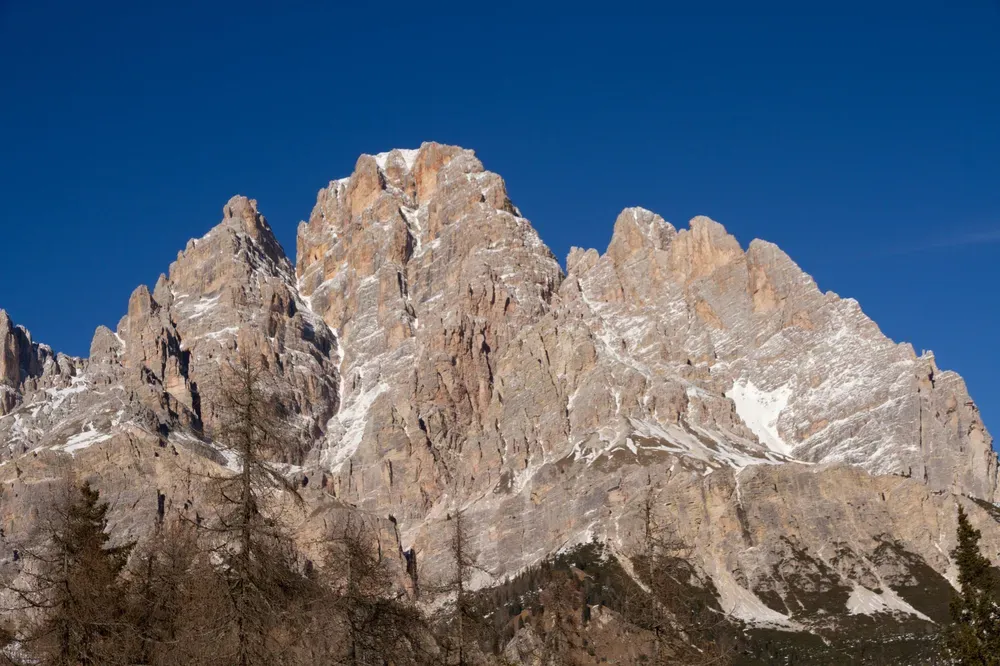
Bormio is a historic alpine town in Lombardy’s Valtellina region, set at 1,225 metres above sea level. With a population of around 4,000 people, it's famous for its thermal baths and the legendary Stelvio downhill slope, one of the most demanding courses in world skiing.
Men’s alpine skiing (downhill, super-G, slalom, giant slalom, combined) and ski mountaineering, which makes its Olympic debut at Milano Cortina 2026.
Alpine skiing purists, ski mountaineering fans, and travellers who would prefer a quieter base with the bonus of relaxing in thermal spas after competition days. To find out more about Bormio, check out our guide to the best Italian towns to visit in the winter.
Livigno is Italy’s highest municipality at around 1,800 meters above sea level. Located near the Swiss border and home to about 6,000 residents, it's known for its snow reliability, modern ski infrastructure, and lively atmosphere.
Freestyle skiing (moguls, aerials, team events) and snowboarding (slopestyle, halfpipe, big air, cross, parallel giant slalom).
Freestyle and snowboard fans, younger crowds, and travellers interested in Livigno’s duty-free shopping. Best suited for visitors focused mainly on these competitions.
Anterselva, known as Antholz in German, is a small alpine village in South Tyrol located at 1,642 meters. Despite its tiny population, it's world-famous for its biathlon stadium, which regularly hosts World Cup events.
All biathlon competitions. The Anterselva Biathlon Arena is considered one of the most iconic venues in the sport.
Dedicated biathlon fans, travellers seeking peace, nature, and an authentic South Tyrolean atmosphere.
Val di Fiemme is a scenic valley in Trentino with a long tradition in Nordic skiing. The main Olympic hubs are Tesero (cross-country skiing) and Predazzo (ski jumping), both of which have hosted multiple World Championships.
Cross-country skiing, ski jumping, and Nordic combined. During the Paralympics, the valley will also host para-biathlon and cross-country para-skiing.
Nordic sports enthusiasts, families, and travellers looking for a balance between alpine charm, good accessibility, and generally more affordable accommodation than Cortina.
Verona, one of Italy’s most beautiful and historic cities, will play a symbolic role in the 2026 Winter Games as the host of the Closing Ceremony. Located in the Veneto region, Verona is best known for its Roman heritage, elegant piazzas, and cultural landmarks, including the world-famous Arena di Verona. During the Games, the city offers a refined, culture-rich contrast to the mountain venues, making it an excellent addition to your itinerary.
The Closing Ceremony of the Milano Cortina 2026 Winter Games, held at the Arena di Verona, one of the world’s best-preserved Roman amphitheatres still in use today.
Travellers attending the Closing Ceremony, visitors who want to combine events with Italian history and culture, and those looking for a well-connected base that pairs easily with Milan, Venice, or the Dolomites.
To enter any Olympic venue, you must present your digital ticket, which can be shown directly from the official Milano Cortina 2026 app or as a printed copy. Tickets are scanned at entry points, so make sure your phone is charged if you're using a mobile ticket.
It’s strongly recommended to arrive well in advance of your event. Security checks can take time, particularly for high-profile competitions and evening sessions.
In Milan, venues are well served by the metro network and shuttle services. In mountain locations such as Cortina d’Ampezzo, Bormio, Livigno, Anterselva, and Val di Fiemme, clearly marked parking areas, access points, and dedicated staff will help guide spectators. Some venues may require short walks, including on uneven or icy paths, so warm clothing and suitable footwear are essential.
Yes, all spectators must present a valid photo ID (passport, national ID card, or driver’s license) together with their ticket. The name on the ticket must match the name on the ID.
If you have purchased tickets for multiple people, each attendee must show their own ID at entry. Special categories such as tickets for minors, hospitality packages, or group bookings may have additional requirements, so it’s best to check the official Milano Cortina 2026 website in advance.
Yes, as with all major international sporting events, strict security measures will be in place. Although rules can vary slightly by venue, commonly prohibited items include:
For the most accurate and up-to-date information, consult the official Milano Cortina 2026 website, where each venue publishes a detailed list of permitted and prohibited items.
Food and drink policies vary depending on the venue. In most cases, you're allowed to bring small amounts of food for personal consumption, such as snacks, sandwiches, fruit, or energy bars.
Alcoholic beverages are generally not permitted. Empty water bottles are usually allowed and can be refilled once inside the venue. All venues will also feature official food and beverage stands, including hot food and drinks, which are especially important at outdoor mountain events.
If you have specific dietary needs due to allergies, intolerances, or religious requirements, you may bring your own food. Inform security staff during the screening process. For outdoor competitions, bringing a thermos with a hot drink is typically permitted.
Some official training sessions are open to the public, often free of charge or available at a reduced ticket price. This is particularly common for alpine skiing, cross-country skiing, and Nordic events, where athletes test the courses in the days leading up to competition.
Availability varies by sport and venue, so check the official schedule or app for training access details during your visit.
In most cases, no. All-Event or session tickets generally allow you to remain inside the venue for all competitions scheduled within that session.
For example, at indoor events such as figure skating or short track in Milan, a single session ticket usually covers multiple programs or races held consecutively. For outdoor disciplines like alpine skiing or Nordic events, a day ticket typically grants access to all runs or heats scheduled that day.
Always review the details listed on your ticket and use the official Milano Cortina 2026 app for real-time updates, schedule changes, and session information.
The 2026 Winter Games will bring together around 2,900 athletes competing across 8 sports, 16 disciplines, and 116 medal events. One of the defining features of these Games is their multi-location format, with competitions spread across Northern Italy, from major cities to alpine resorts.
Because venues are distributed across different regions, careful planning is essential. Always check travel times between locations before booking tickets, and allow extra buffer time for security checks, winter weather, and crowd management, especially on high-demand competition days.
Below is a clear overview of all sports, venues, and host locations for Milano Cortina 2026.

Olympic competitions started on Wednesday 4th February and will run until Sunday 22nd February 2026. Due to weather conditions, logistics, and broadcast requirements, event dates and times may change at short notice.
For the most accurate and up-to-date information, we'd recommend checking the official Milano Cortina 2026 calendar via the official website or app before finalising your travel plans.
Milan is the main transport hub for the Winter Games and the easiest city to reach by train, with high-speed and regional rail services running frequently throughout the day.
Cities such as Venice, Ancona, Bari, and Genoa all offer reliable train connections to Milan, with typical journey times of 2 to 4 hours depending on your departure point. Trains arrive at central stations like Milano Centrale, making it simple to continue onward to the sporting venues or to nearby accommodation.
Reaching the mountain venues requires a little more planning, but the journey is all part of the experience. From cities such as Venice, Verona, or Milan, travellers usually take a train to regional hubs like Calalzo di Cadore or Belluno, followed by a bus transfer into Cortina d’Ampezzo.
Renting a car is another popular option, especially for visitors attending multiple events or staying outside resort centres. Be aware that winter driving conditions may apply in the Dolomites, so allow extra travel time and ensure your vehicle is equipped with appropriate winter tyres or snow chains.
Verona is one of Northern Italy’s best-connected cities by rail. Direct and frequent train services link Verona with Milan, Venice, and Bologna, often in less than two hours. This makes Verona an excellent base for travellers attending the Closing Ceremony or combining the Games with a classic Italian city break.
Travel tip: During this period, trains and buses are expected to be busier than usual. Booking rail tickets in advance and allowing extra time for connections will make your journey smoother and less stressful.
Ready for a thrilling adventure? Book your trip to Italy today and discover the excitement of the Winter Games.