Italy all year round: a guide for every season
Things to do
Things to do


With a variety of landscapes, traditions and experiences, Italy isn’t just a summer holiday destination - it's a place you can enjoy all year round. From the snow-capped Dolomites in winter to the glistening waters of Puglia in summer, every season brings something special.
And with over 130 million tourists arriving in the country each year, it's appeal is clear to see. One of the reasons why so many people head to Italy, is that there's always something new and exciting to discover, no matter what time of year you choose to visit.
Italy is a true reflection of the Mediterranean climate, with four distinct seasons that vary from one region to the next. Spanning 1200km from north to south, Italy covers a range of climate zones. As the Alps and Apennines are ready to kick off the winter season, the islands of southern Italy stay mild enough for outdoor excursions and visits to archaeological sites. Likewise, when the Sicilian summer exceeds 40 degrees, you can find some refuge in the north.
In short, the seasons are a very important factor to consider when planning a trip to Italy, but context is key. Whilst it's 20 degrees in Sicily, the Alps might be covered in snow. Similarly, you could venture into the sea at Easter in Sardinia whilst your loved ones in Milan are wrapped up in a warm coat.
But it's not just a question of geography - the culture of the country itself has been shaped by these differences. Local cuisine and recipes vary from region to region, due to the raw ingredients available and the climate. The calendar of cultural events is also diverse, packed full of food and wine festivals, carnivals, the Venice Film Festival, and the Greek open-air theatre season.
This guide isn't about limiting your imagination or ranking the best places to visit each season. Instead, it's about broadening your horizons - encouraging you to explore different places and discover that summer doesn't always mean sea and winter doesn't always mean mountains!
Autumn has become one of the most popular times to travel, partly because of prices and availability, and partly because a lot of people prefer the autumn temperatures - warm but not sweltering.
Romagna in autumn - a terrible idea or a great idea? Many people associate Romagna with beach holidays, perfect for families with children or groups of young people interested in nightlife. In reality though, Romagna makes a great alternative to Tuscany - quieter, cheaper and ideal for a road trip through scenic landscapes and enjoying good food and wine.
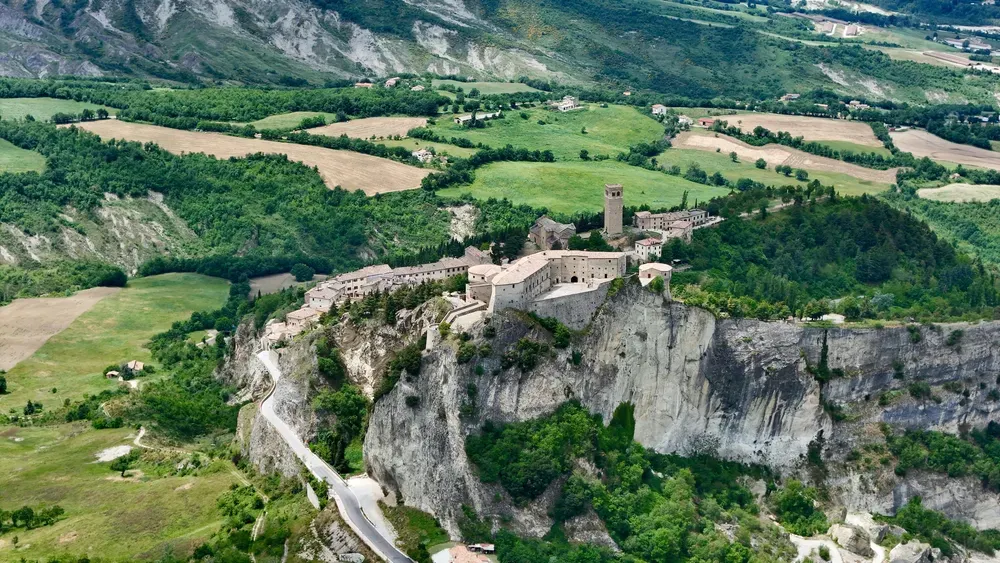
Leave Rimini and Riccione behind and head inland. You'll find picturesque villages such as Santarcangelo di Romagna, Verucchio, and San Leo, Bertinoro with its wine bars where you can rediscover Sangiovese, and trattorias with homemade pasta (from tagliatelle to tortelli), grilled meat, and much more. With pleasant temperatures, Autumn is perfect for long walks and lazy lunches in trattorias.
The famous “ottobrata” is a particular meteorological phenomenon that occurs in certain areas overlooking the Mediterranean. It refers to a period in October when the heat and sun return despite the fact that autumn has, theoretically, already begun. In Sicily, it has become a “cult” phenomenon amongst tourists. And one of the most popular destinations for an October getaway is undoubtedly Ortigia, where temperatures hover around 23-25 degrees.
Ortigia is part of Syracuse, but it's a small island connected to the main city only by a bridge, with a personality all of its own. It's both a historical gem and a dream location for those who love to be by the sea. On one side, you've got the Duomo with its white paved square, the historic buildings of the Giudecca district, and the Maniace Castle. And on the other, you've got over 5km of seafront, sheer cliffs with platforms set amongst the rocks, and small cafes where you can recharge your batteries with a delicious granita post-swim.
The end of the summer season is a great time to visit Ischia, one of the Campania islands. All the islands in the Gulf of Naples are beautiful, but Ischia is perfect for autumn thanks to its thermal baths. The thermal pools of the Poseidon Gardens in Forio and the Negombo Thermal Park are surrounded by Mediterranean gardens and with the water reaching temperatures of up to 40 degrees, it's the perfect spot for combatting the first cold spells of autumn. As well as the thermal baths, you can also visit the rest of the island (such as Borgo Sant'Angelo or Monte Epomeo if you love walking) and try Ischian dishes in a relaxed atmosphere. Even better, prices are very different from those in high season.
The island can only be reached by boat, but ferries to Ischia couldn't be more convenient. Whether you depart from the port of Naples, Pozzuoli, or other islands in the Gulf, local companies (Medmar, Alilauro, Caremar, Caremar Hydrofoil, and Alicost) will ensure that you're never left behind, even in low season.
Italian winter is synonymous with snowy mountains, skiing adventures and Christmas markets - but no matter where you go, the winter season offers something special.
Italy boasts countless ski slops thanks to the Alps, and one of the most popular destinations for skiers (and non-skiers) is undoubtedly Trentino-Alto Adige. You'll find everything from famous valleys such as Madonna di Campiglio, Val di Fassa, and Plan de Corones to lesser-known ones such as Val di Siusi and Val Gardena. Italian and international tourists can enjoy with hundreds of miles of perfectly groomed slopes, modern facilities, quality accommodation, and activities to suit both avid skiers and those who are just there for the experience.
In a mountain hut in Trentino or South Tyrolean, you'll immediately feel a deep love for the mountains, and the food, (canederli, speck, apple strudel, and much more) which warms the soul from the very first bite and turns even a simple lunch break into a memorable experience. And for friends or family members who aren't interested in the slopes, there's plenty of other activities you can enjoy - whether that's relaxing in a spa, enjoying a scenic walk or exploring Christmas markets such as the iconic one in Bressanone.
Turin is one of those Italian cities that doesn't have a real “peak” season, like Florence or Rome. Its tourist attractions extend throughout the year, with a packed calendar of events - from ATP tennis tournaments to music festivals. So why visit Turin in winter? For its festive atmosphere and its chocolate tradition!
Every year, from November to January, the famous “Luci d'Artista” (Artist Lights) fill the city, a series of designer lights inspired by the theme of Christmas but not your traditional decorations. Walking along Via Lagrange, you can read the story 'Luì and the art of going into the woods' by Luigi Mainolfi, recreated with 47 illuminated signs, a marvel for young and old visitors alike.
The magic of Christmas in Turin continues indoors, in one of the many historic cafes serving traditional hot chocolate drinks. Amongst these is Caffè Al Bicerin, where they serve the drink of the same name (bicerin) made with three layers - homemade chocolate, coffee, and fior di latte - and, according to legend, one of Cavour's favorites.
The city's strategic location, nestled between the mountains, also allows you to reach the ski slopes of the Via Lattea in no time at all, some even by train or bus. Sestriere and Bardonecchia are less than an hour away, perfect for a day trip.
Marche is perhaps Italy's most underrated region, not only in summer but also in winter. In particular, after the Christmas celebrations and New Year's Eve, you can stop off in Urbania, the “home of the Befana.” Located in the province of Pesaro and Urbino, it's famous for its National Festival of the Befana of Urbania (3rd - 6th January), with stockings hanging everywhere and, of course, the opportunity for younger tourists to meet the friendly old lady in person.
As well as this unique tradition, Urbania is a village worth visiting, as is the rest of the Marche region. Urbino (the city of Raphael) is a UNESCO World Heritage Site; Ascoli Piceno has a square considered one of the most beautiful in Italy, Piazza del Popolo, and an equally famous dish, olive ascolane. And let's not forget Recanati, the home of Giacomo Leopardi.
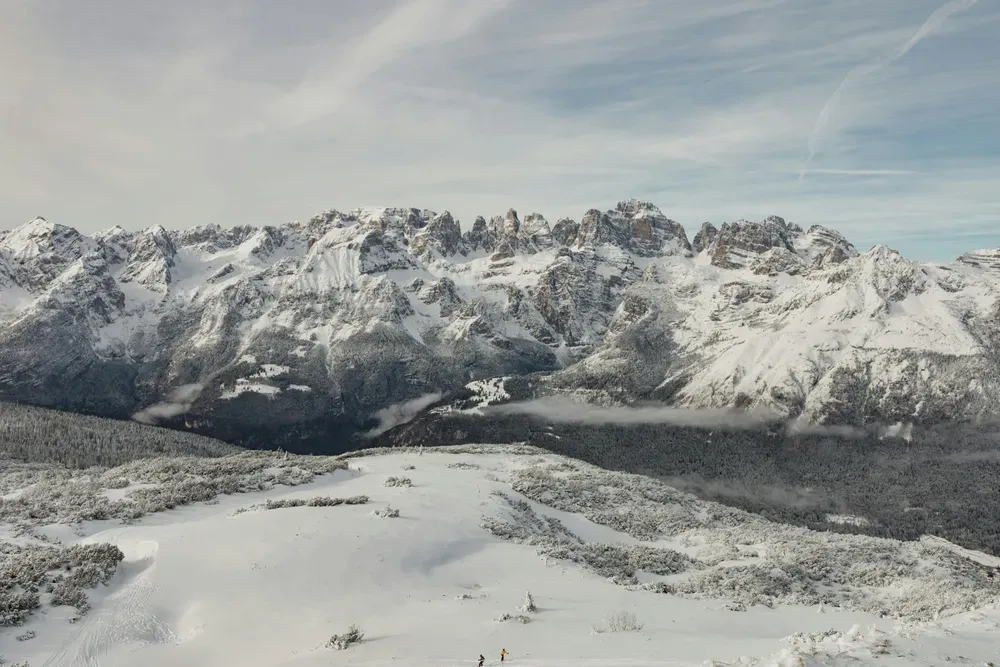
Spring is perhaps the most eclectic season - the scenery is beautiful, the climate is ideal for practically every activity (you can even ski until March in some parts of the Alps!) and, in general, it is difficult to go wrong when planning a holiday in Spring.
Tuscany in spring may be a cliché, but it works perfectly. The Chianti hills take on the most beautiful shades of green, the fields are covered with red poppies (Val d'Orcia, Valdichiana, Mugello, and Maremma are the best areas to admire the blooms), and the climate is perfect for enjoying the outdoors, without the scorching summer heat.
It's not yet too hot to visit Florence (which can be really stifling in summer), Siena, Pisa, and other iconic cities in the region. On particularly hot days, you can try taking your first swim of the season in Livorno or Marina di Pisa. If the air is still cool, head to the thermal baths of Casciana (Pisa) or Rapolano (Siena) for a traditional experience or to the incredible thermal baths of Saturnia (Grosseto), the most beautiful and famous natural springs in Italy, dating back 3000 years.
Tired of the mainland? It's the perfect time to explore the Argentario and take a ferry to the island of Giglio or nearby Giannutri. As it's an island with an invaluable natural heritage and access is strictly regulated, Giglio can only be reached by ferry from Porto Santo Stefano with the Toremar company (about 1 hour's journey). Meanwhile, if you want to visit Giannutri, you'll need to book an organised tour.
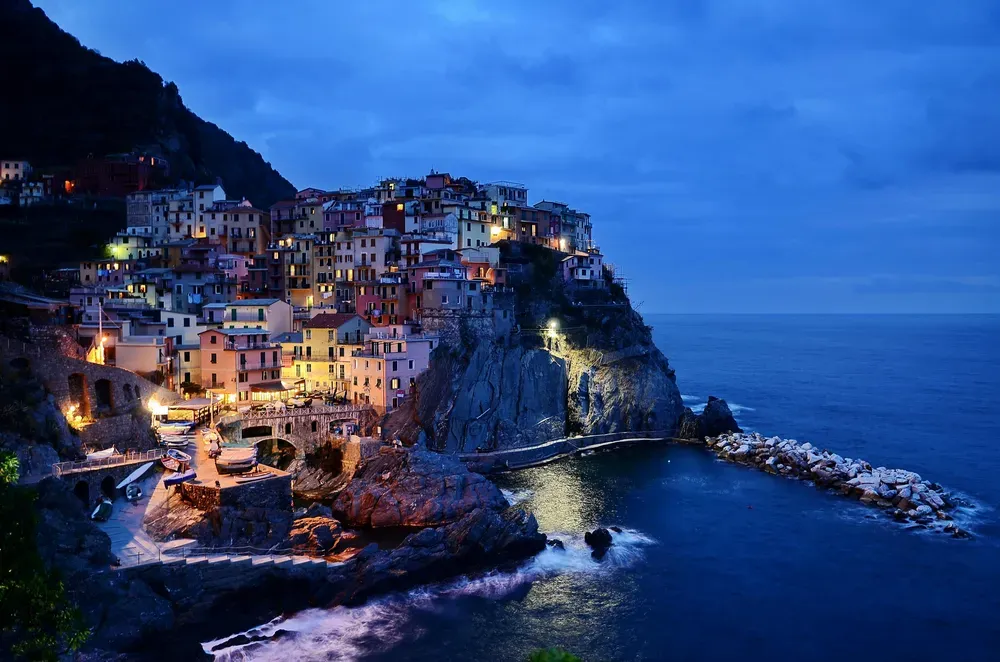
The Cinque Terre is one of the most beautiful areas all year round but in spring, it becomes a hiker's paradise. The five Ligurian villages—Monterosso, Vernazza, Corniglia, Manarola, and Riomaggiore—are connected by a wonderful network of scenic trails overlooking the Ligurian Sea, and spring temperatures (especially in April and May, when they range from 64 to 72 degrees Fahrenheit) are ideal for walking without suffering from the summer heat.
The Sentiero Azzurro (Blue Trail) is considered one of the most spectacular. It runs along the entire coast and allows you to walk from one village to another, through terraced vineyards overlooking the sea that seem to defy gravity. The Alta Via delle Cinque Terre connects Portovenere to Levanto and is a little more challenging due to the difference in altitude, but the view is just as beautiful.
In May, the bravest can already try their first swim in the sea, depending on the temperature. Regardless of the weather though, you can tuck into a delicious plate of trofie al pesto or fried anchovies and visit Portovenere, considered by some to be a sort of honorary “sixth” village of the Cinque Terre.
Sardinia in late spring is a hidden gem, for true connoisseurs or locals who want to avoid the high-season crowds. In May, temperatures already reach 25-27 degrees Celsius and the sea can easily reach 20 degrees, with the added bonus of finding some of Italy's most beautiful beaches still half-empty. Even the Costa Smeralda, which is practically inaccessible in summer if you're on budget, becomes an option.
Sardinia has much to offer beyond its coastline though, especially for history lovers. Nuragic archaeological sites such as Su Nuraxi di Barumini or the Tharros complex are perfect springtime destinations (less suitable in the peak summer sun), as are excursions into the Barbaricino hinterland.
The island has three main airports, but if you have some time, consider travelling to Sardinia by ferry. There are many departures throughout the year, particularly from Livorno and Civitavecchia to the ports of Olbia, Porto Torres, and Cagliari. Ferries are very affordable, and you can find excellent discounts during the off-season.
To enjoy summer in Italy (the season that has made it famous worldwide) to the fullest, you need a bit of strategy to navigate the extremely high temperatures and even higher prices.
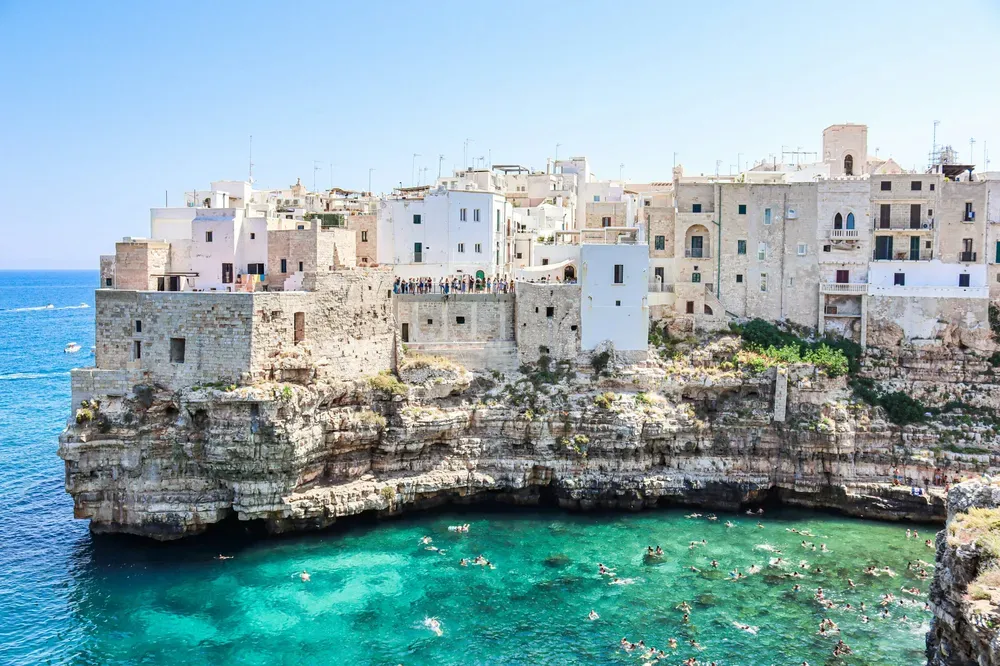
In recent years, Puglia has become the “queen” of the Italian summer, and it's hard to disagree. The secret to enjoying it at its best is to go in June or early July at the latest. Avoid Ferragosto (15th August) and August in general, when prices triple and the beaches disappear under parasols, making simply accessing the sea a real excursion. Iconic places such as Ostuni, the white city, Polignano a Mare with its rocky coves and diving competitions, or places such as Punta Prosciutto and the pink flamingos will no doubt be very crowded, but without reaching the peaks of the height of summer.
Apulian cuisine is an experience in itself and a guarantee all year round. Orecchiette alle cime di rapa, focaccia barese, burrata, octopus and pasticciotto leccese are just some of the dishes you'll dream about once you return home. Make sure you take the time for an aperitif, especially on the seafront in places such as Otranto or Trani, or in the historic centres of Bari or Lecce.
Sicily in summer is a bold choice. Try choosing one of its smaller archipelagos instead of the main island. The Egadi Islands are famous enough to welcome tourists, but still less crowded than the main cities. They can be reached by ferry from Trapani or Marsala (which has fewer departures).
Favignana is the largest, most famous and easiest to reach because it is closest to the coast, 40 minutes from Trapani and 30 minutes from Marsala. It has a good range of amenities including shops, cafes and restaurants and a bit of nightlife too. It's also famous for its historic tuna fishery and tuna-based dishes. Find out more about travelling to Favignana here.
Meanwhile, Levanzo is perfect for relaxing. It has only one town, Cala Dogana, and is the smallest of the three islands, with only beaches and a prehistoric cave to visit by boat (Grotta del Genovese). Marettimo is the wildest of the three, and its unspoilt nature makes it an excellent choice for those who want to alternate trekking with swimming. It consists mainly of small fishing villages, and almost all the beaches are only accessible by sea.
Summer in Venice is hot and humid, but there's one event that always makes it worth spending a few days here between late August and early September - the International Film Festival (or, as it is more informally known, the “film festival”), one of the most important events in the world.
Every year, the Lido welcomes actors, directors and film lovers from all over the world. As well as awarding the prestigious Golden Lion prize, the event also includes screenings, discussions with directors and industry experts, events for the press and fans, and generally gives local and international film buffs the chance to spend a week immersed in their greatest passion, surrounded by people who share their enthusiasm.
If you want to take a break from the red carpet, you can visit the Art Biennale, try a spritz with cicchetti at the local bacari, and explore the city by vaporetto (public water bus).
Got enough inspiration? Now, it's time to grab your calendar, take a look at your holidays and start planning your next trip! Whether you're looking at a snowy winter getaway or a sun-soaked summer escape, book your ferry to Italy today.