Episode 2: A Journey into the Culture of the Seto Inland Sea
Things to do
Things to do


The Seto Inland Sea isn't just known for its beautiful scenery, but also for its rich Japanese history and culture. From the samurai age to the Edo period through to the modern day, each era has left its mark on the region's streets.
This blog takes you on a journey through Hiroshima, Kure, Hatsukaichi and Matsuyama, to give you a deeper understanding of Setouchi culture.
Hiroshima is a city that symbolises turning points in Japanese history. From its origins as a castle town to the tragedy of war and its rebirth as a city of peace, visiting Hiroshima lets you experience the city's history and resilience in a meaningful way.
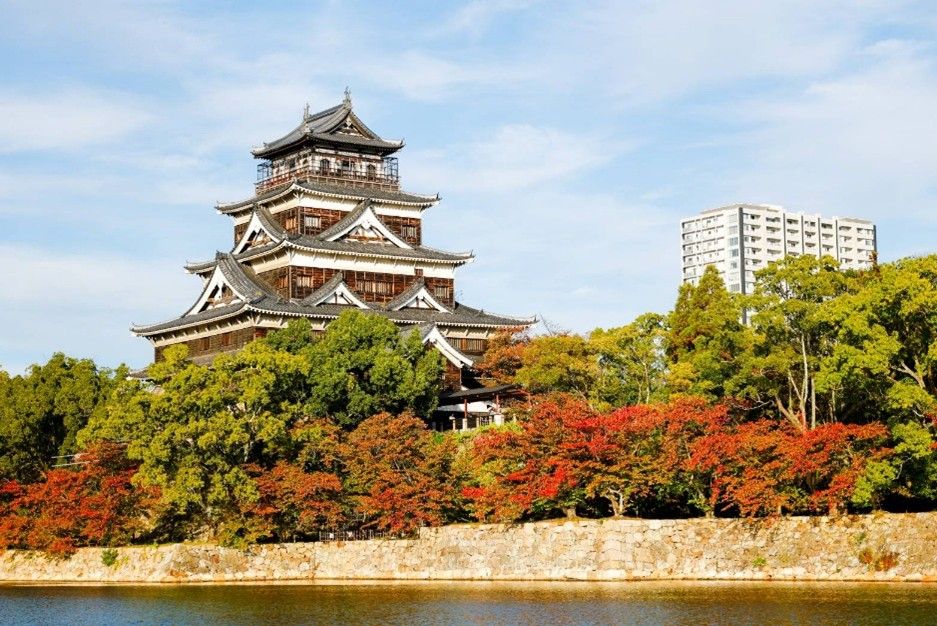
Built in the late 16th century by Mōri Terumoto, Hiroshima Castle is a classic example of a flatland castle. From the reconstructed main keep, you can look out over the modern city whilst imagining the layout of the former samurai town. It's an ideal starting point for learning about samurai culture and Japan’s Warring States period.
The Atomic Bomb Dome stands as a preserved reminder of the devastation of 6th August 1945. As a UNESCO World Heritage Site, it symbolises not only destruction, but also resilience and the global commitment to peace. Visiting here is not just about learning history but about feeling its weight too.
At the Hiroshima Peace Memorial Museum, you can see artifacts, testimonies, and detailed exhibits about the atomic bombing. Popular with visitors from all over the world, it offers an opportunity to reflect on history from a global perspective and understand the importance of peace.
Hiroshima can be easily explored on foot or by streetcar in just one day, allowing you to experience the city's sights and historical significance.
Tokyo Station → Hiroshima Station: approx. 4 hours by Nozomi Shinkansen
Shin-Osaka Station → Hiroshima Station: approx. 1 hour 20 minutes by Nozomi Shinkansen
Cycling is one of the most popular ways to explore the Setouchi region. Calm seas, light traffic, and islands connected by elegant bridges create the perfect environment for island-hopping by bicycle.
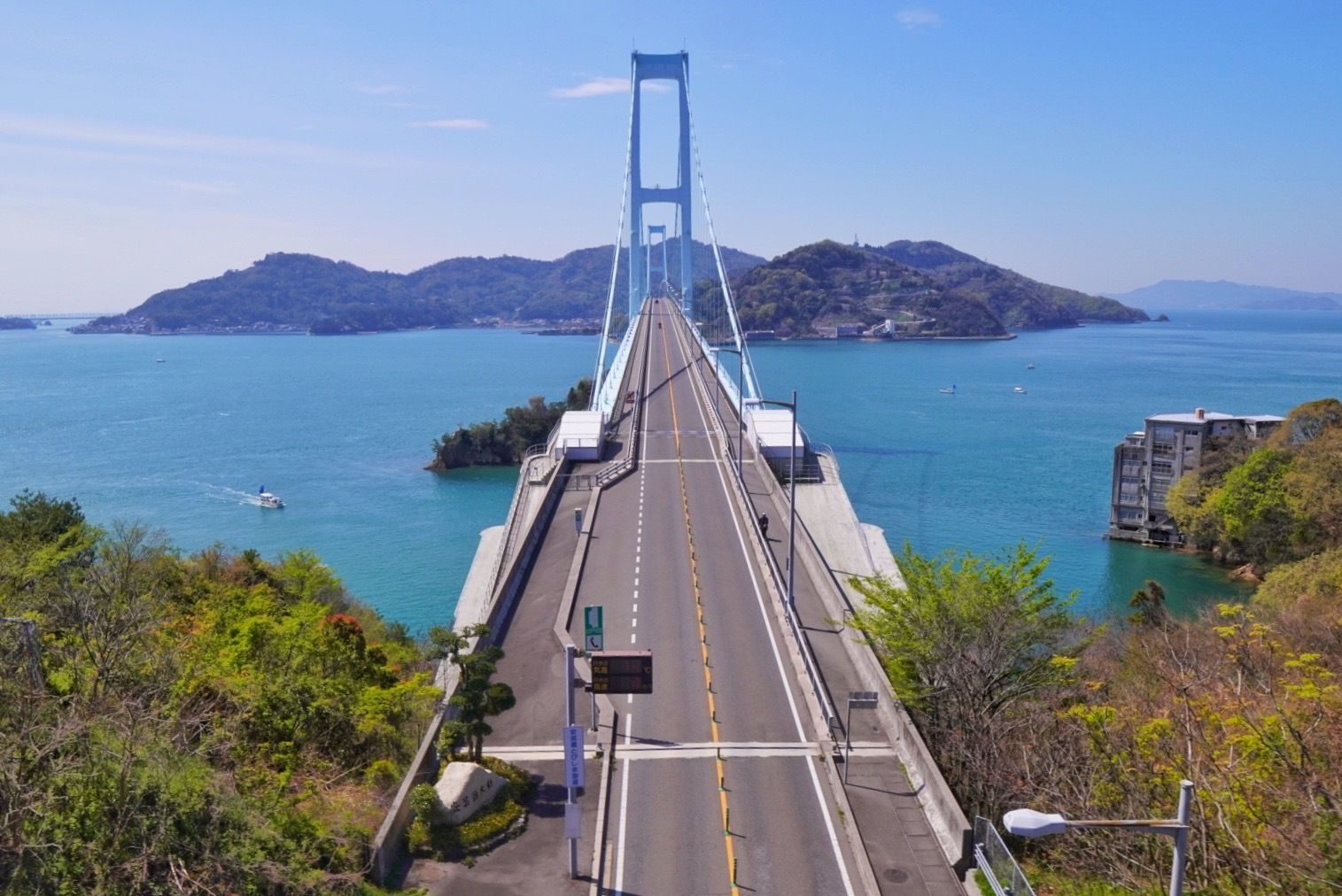
The Tobishima Kaido is a roughly 30km cycling route connecting the mainland city of Kure to a chain of islands by bridge. With relatively gentle hills, it's suitable for beginners to intermediate riders.
Many stretches run right alongside the sea, offering panoramic views of the tranquil island-dotted landscape that defines the Seto Inland Sea. Along the way, small fishing ports invite you to stop for local citrus fruits or a drink in cafés, turning your cycle ride into a cultural experience.
Less crowded than the famous Shimanami Kaido, this route is especially popular with Western cyclists seeking a quieter, more authentic slice of rural Japan.
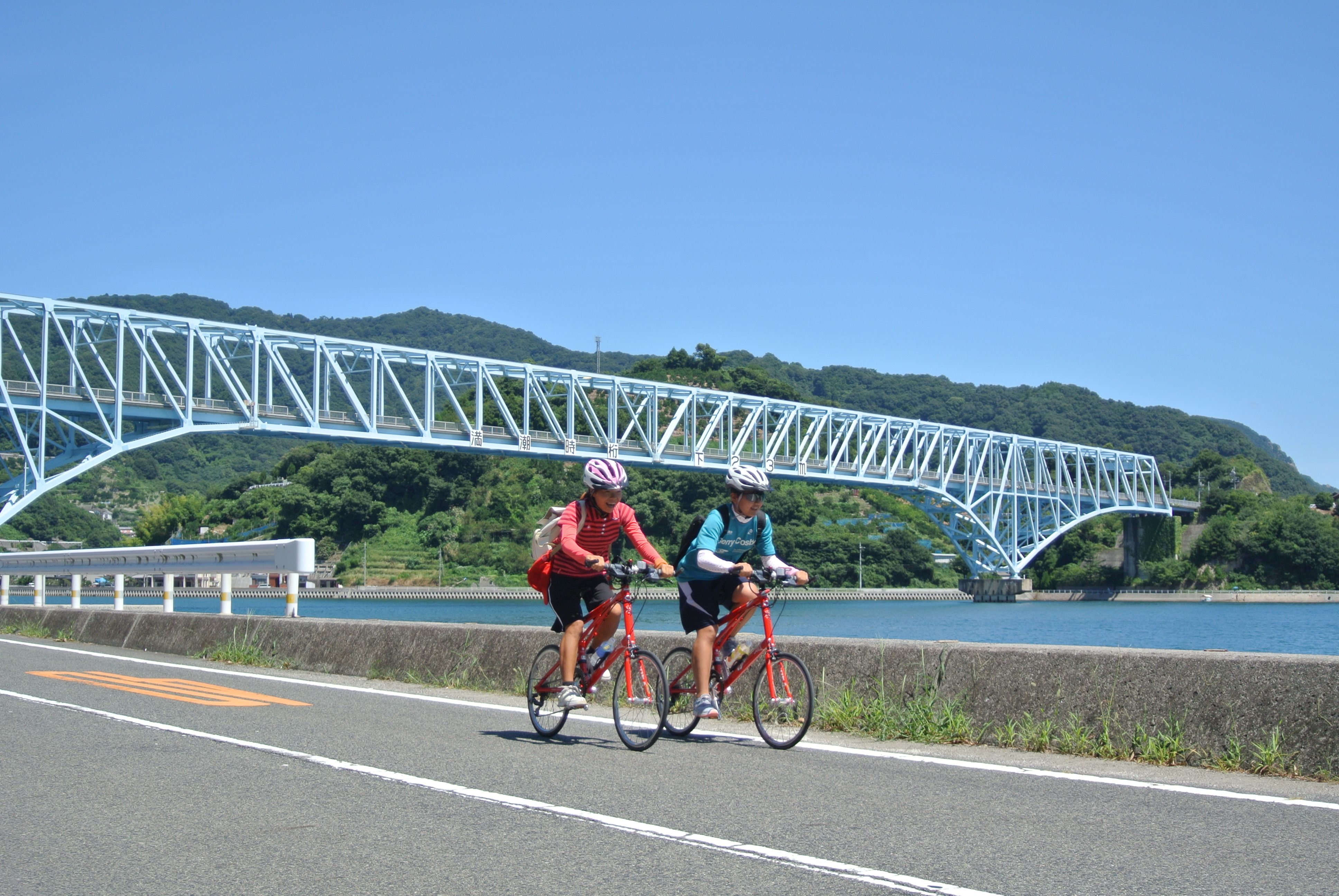
One of the highlights of the Tobishima Kaido is the Mitarai Preservation District. Back in the Edo period, ships often stopped here, waiting for favourable tides and winds.
Cyclists who stop here find themselves stepping back in time. White-walled merchant houses, narrow stone-paved alleys, and historic waterfront buildings create an atmosphere that feels remarkably untouched by over-tourism. It's an ideal place for photography and exploring at a leisurely pace.
Here, you can combine the joy of cycling with the area's history. Together, Tobishima Kaido and Mitarai offer a uniquely Setouchi cycling experience - dynamic yet deeply rooted in tradition.
Japan’s Warring States period (15th–16th centuries) was a time of regional warlords competing for power—somewhat like feudal Europe. Amid this turmoil emerged one of Japan’s most extraordinary figures: Toyotomi Hideyoshi.
Rising from peasant origins to becoming the unifier of Japan, Hideyoshi’s life reads like an epic drama. In Hatsukaichi and nearby Miyajima, you can still visit important sites that celebrate his legacy.
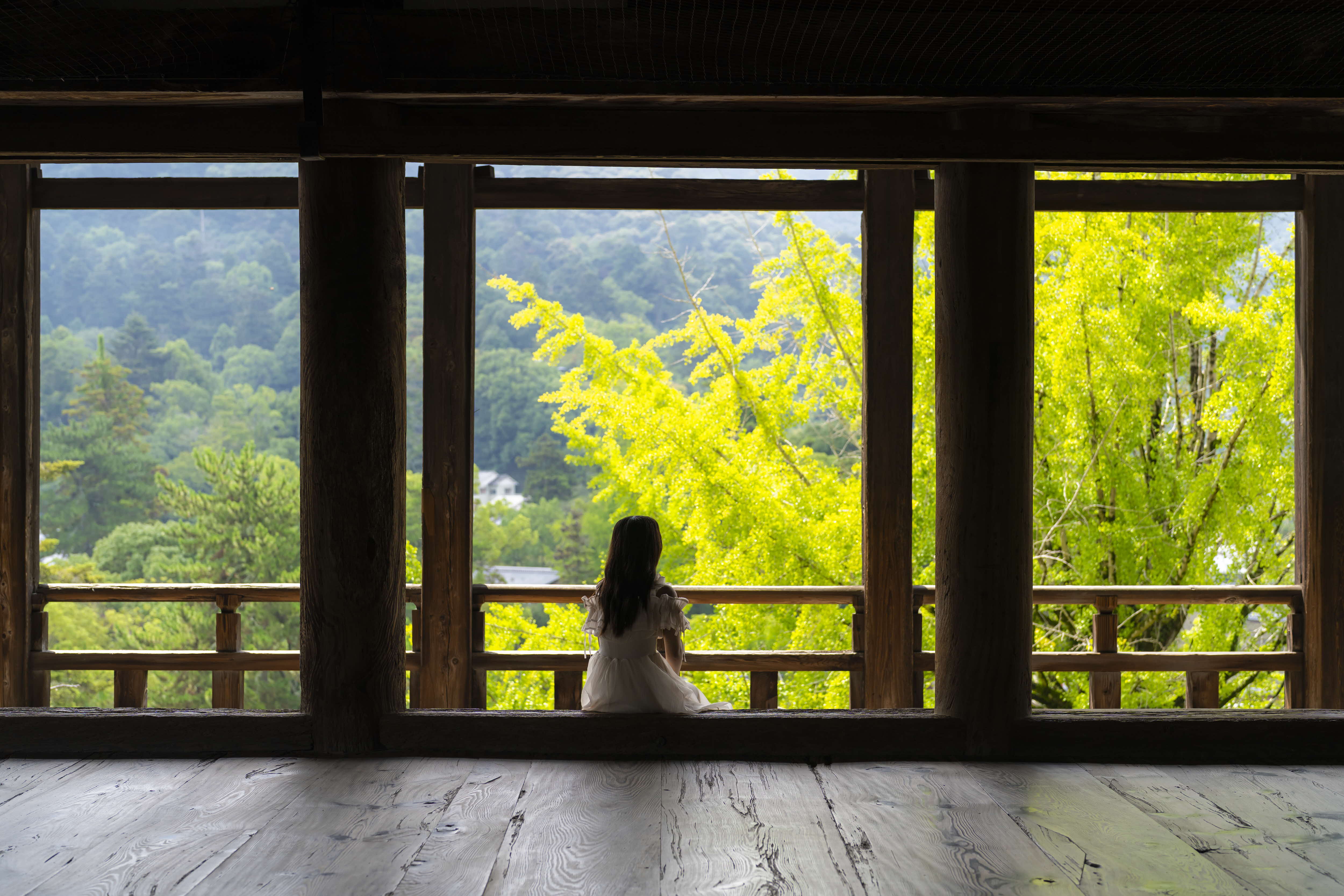
Located on Miyajima Island, Toyokuni Shrine—commonly known as Senjokaku (“Pavilion of 1,000 Tatami Mats”)—was commissioned by Hideyoshi as a grand Buddhist hall to honour fallen warriors.
Although it was left unfinished after his death, the vast wooden structure is still breathtaking. Its open design, natural light, and sweeping views of the Seto Inland Sea capture the ambition and scale of the samurai age.
Miyajima is famous for its rice paddles, also known as shamoji. The huge paddle on display at the Etto Miyajima Exchange Center symbolises the island's skilled local craftsmanship.
During the samurai era, shamoji were seen as lucky charms due to a wordplay meaning “scooping up victory.” It's a fascinating mix of martial culture and regional tradition.
The Seishin-tsurii Well is said to have been dug by the monk Seishin in the early Edo period. At the time, fresh water was scarce on the island so the well was very important for daily life. Today, it reflects the transition from the turbulent samurai era to a more stable society.
The Monument to Monk Seishin celebrates his contributions. Beyond grand samurai narratives, it highlights the individuals whose quiet efforts shaped the community in meaningful ways.
Matsuyama is a mix of modern literature and centuries-old pilgrimage traditions.
The Saka no Ue no Kumo Museum explores Ryōtarō Shiba's novel, Clouds Above the Hill. Designed by architect Tadao Ando, the museum offers a visually engaging way to experience Japan’s Meiji era and its journey toward modernisation.
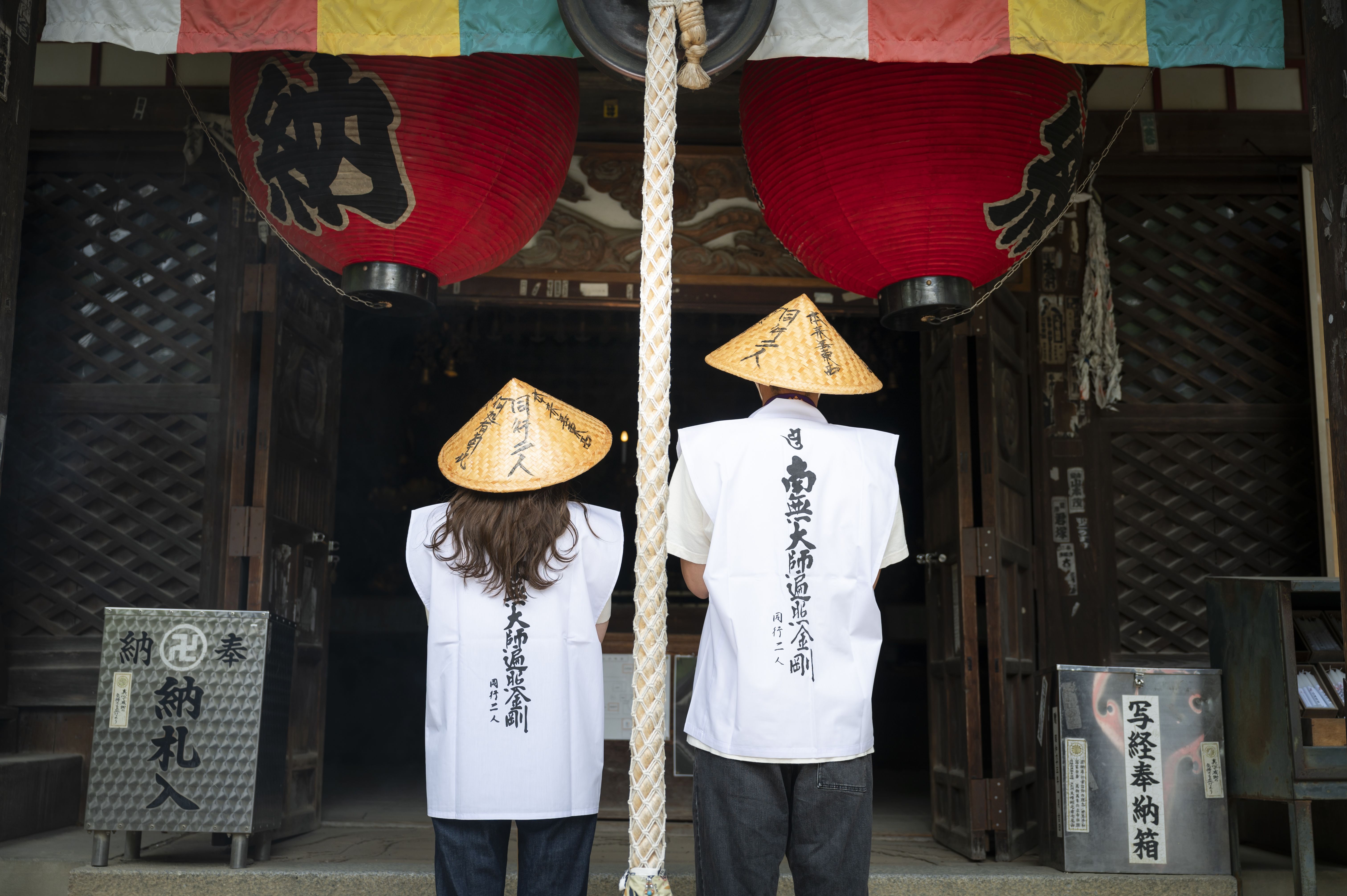
Ishite-ji is the 51st temple of the Shikoku 88-temple pilgrimage. Here you can experience part of the pilgrimage tradition - you may even be able to wear the white garments and carry the walking staffs associated with pilgrims. It offers a glimpse into Japan’s spiritual culture and regional devotion.
Tokyo Station → Matsuyama Station: approx. 3 hours 20 minutes by Shinkansen to Okayama, then 2 hours 40 minutes by Shiokaze Limited Express
Shin-Osaka Station → Matsuyama Station: approx. 50 minutes by Shinkansen to Okayama, then 2 hours 40 minutes by Shiokaze Limited Express
Shin-Osaka Station → Hiroshima Station: Take the Shinkansen Nozomi from Shin-Osaka to Hiroshima, approx. 1 hour 20 minutes, then transfer to a high-speed ferry to Matsuyama Tourist Port, about 1 hour 20 minutes.
Castles, port towns, temples, memorial museums—Setouchi culture is best experienced not just through exhibits, but by walking its streets, feeling the sea breeze, and observing the rhythm of daily life.
Each city represents a different era and way of life, yet all are united by the beautiful waters of the Seto Inland Sea.
On your next adventure, look beyond the scenery and uncover the history and hidden stories that flow quietly through Setouchi.