Island Hopping
Island Hopping
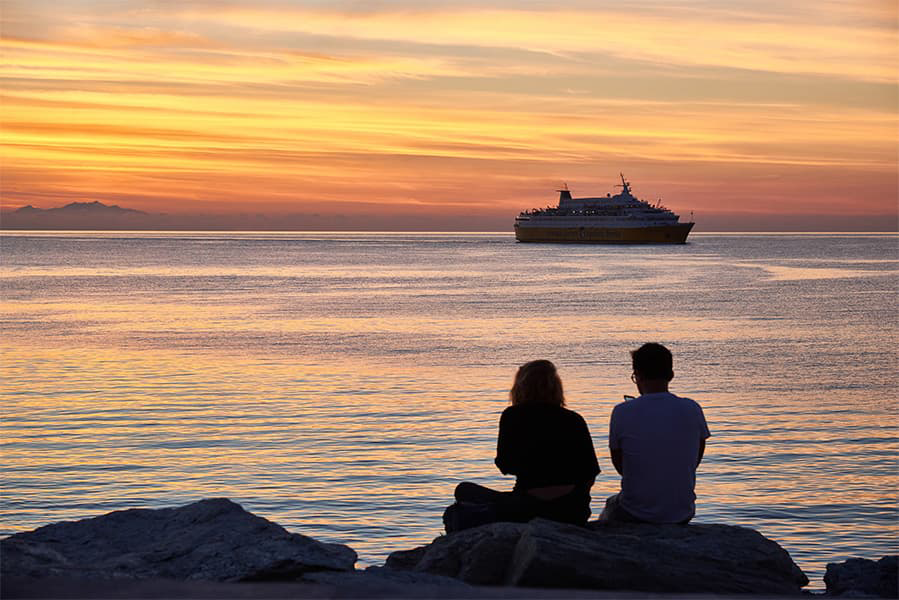
Island hopping is one of the best ways to experience multiple destinations in a single trip. Instead of staying in one place, you can travel from island to island, discovering different landscapes, cultures and adventures along the way.
Whether the picture-perfect streets of the Greek islands or the wild, rugged landscapes of the Scottish Hebrides take your fancy, there's an island-hopping destination for every kind of traveller.
Better still, getting between islands is easier than ever. With extensive ferry networks and fast, frequent connections, island hopping is a simple and stress-free way to explore.
From the best island-hopping destinations to how to book and our top tips, read on to discover everything you need to know about island hopping.
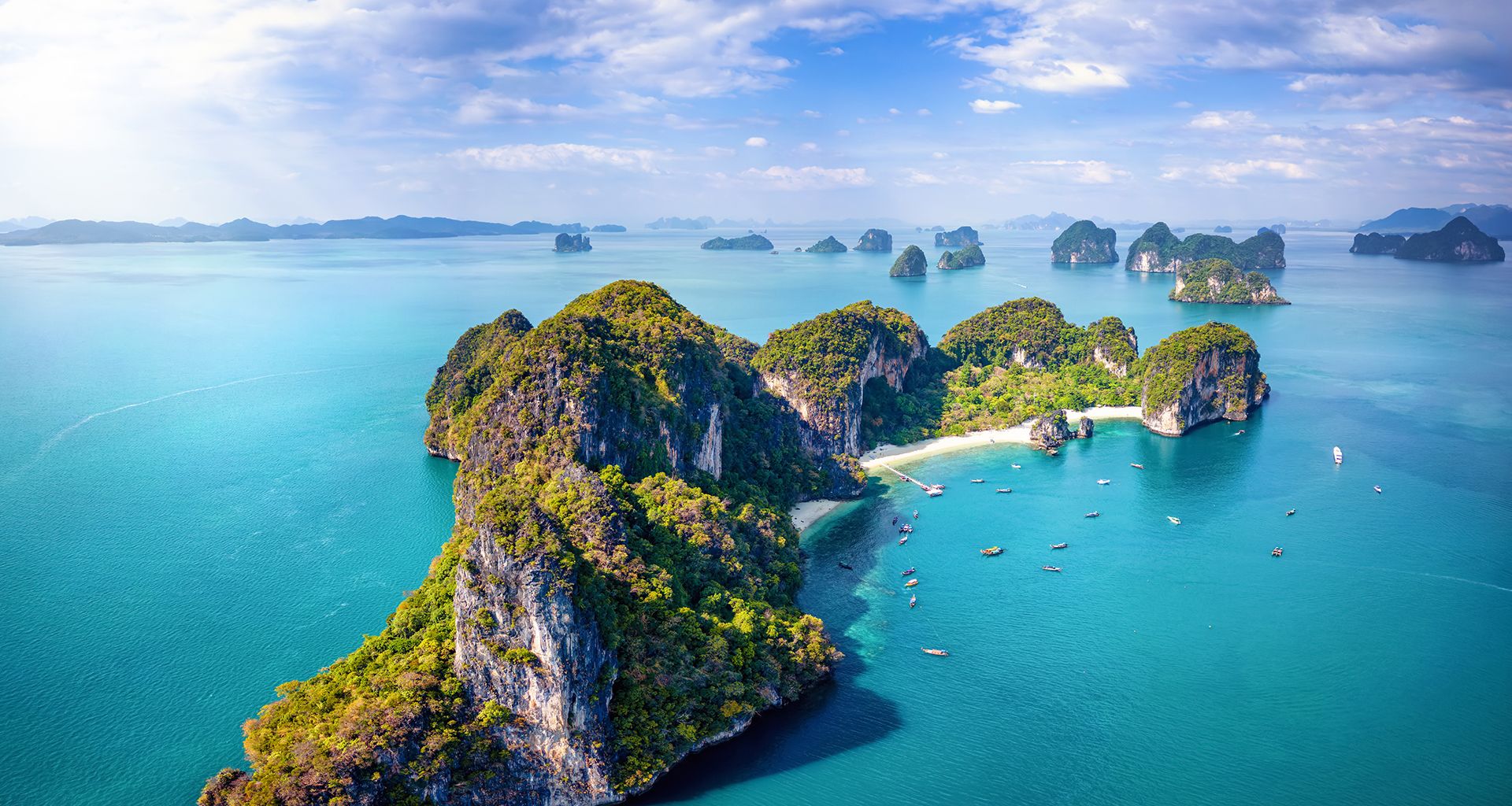
Island hopping is as simple as it sounds – travelling from one island to another during a single trip. Depending on the destination, many travellers choose to stay on different islands, whilst others prefer to use one base and explore nearby islands on day trips.
Travelling between islands is all part of the adventure too, and the best way to do so is by ferry. With regular services connecting hundreds of islands around the world, ferries make it easy to explore multiple places in one trip. Here are some of the benefits of travelling by ferry:
At Direct Ferries, you can easily compare ferry operators and routes and book multi-leg trips all in one place.
Whether you're dreaming of Mediterranean escapes in the Balearics or tropical adventures in Thailand, there are so many incredible island-hopping destinations to choose from. Need some inspiration? Here's a round-up of some of the best:
With over 6,000 islands and islets and an extensive ferry network, Greece is one of the world's best destinations for island hopping. From ancient sites to stunning coves and vibrant towns, the Greek islands offer something for every type of traveller.
| Island group | Why visit | Main ferry gateway | Popular islands | Suggested route |
| Cyclades | Whitewashed villages, beautiful beaches and vibrant nightlife | Piraeus, Rafina | Santorini, Mykonos, Naxos, Paros, Ios | Athens → Mykonos → Paros → Naxos → Santorini |
| Dodecanese | Rich history, picturesque harbours, outdoor adventures | Rhodes | Rhodes, Kos, Symi, Patmos | Rhodes → Symi → Kos → Kalymnos → Patmos |
| Ionian | Lush landscapes, Venetian architecture, stunning beaches | Corfu | Corfu, Paxos, Lefkada, Kefalonia, Zakynthos | Corfu → Paxos → Antipaxos OR Lefkada → Kefalonia → Ithaca → Zakynthos |
| Saronic | Charming towns, authentic atmosphere, easy access from Athens | Piraeus | Hydra, Aegina, Poros, Spetses | Athens → Hydra → Spetses → Poros → Aegina |
| Sporades | Lush green landscapes, amazing snorkelling, relaxing atmosphere | Skiathos | Skiathos, Skopelos, Alonissos | Skiathos → Skopelos → Alonissos |
Fancy exploring the Greek islands? Find out everything you need to know in our Greek island hopping guide. For inspiration on things to do, check out our day trip, 5-day and 10-day itineraries.
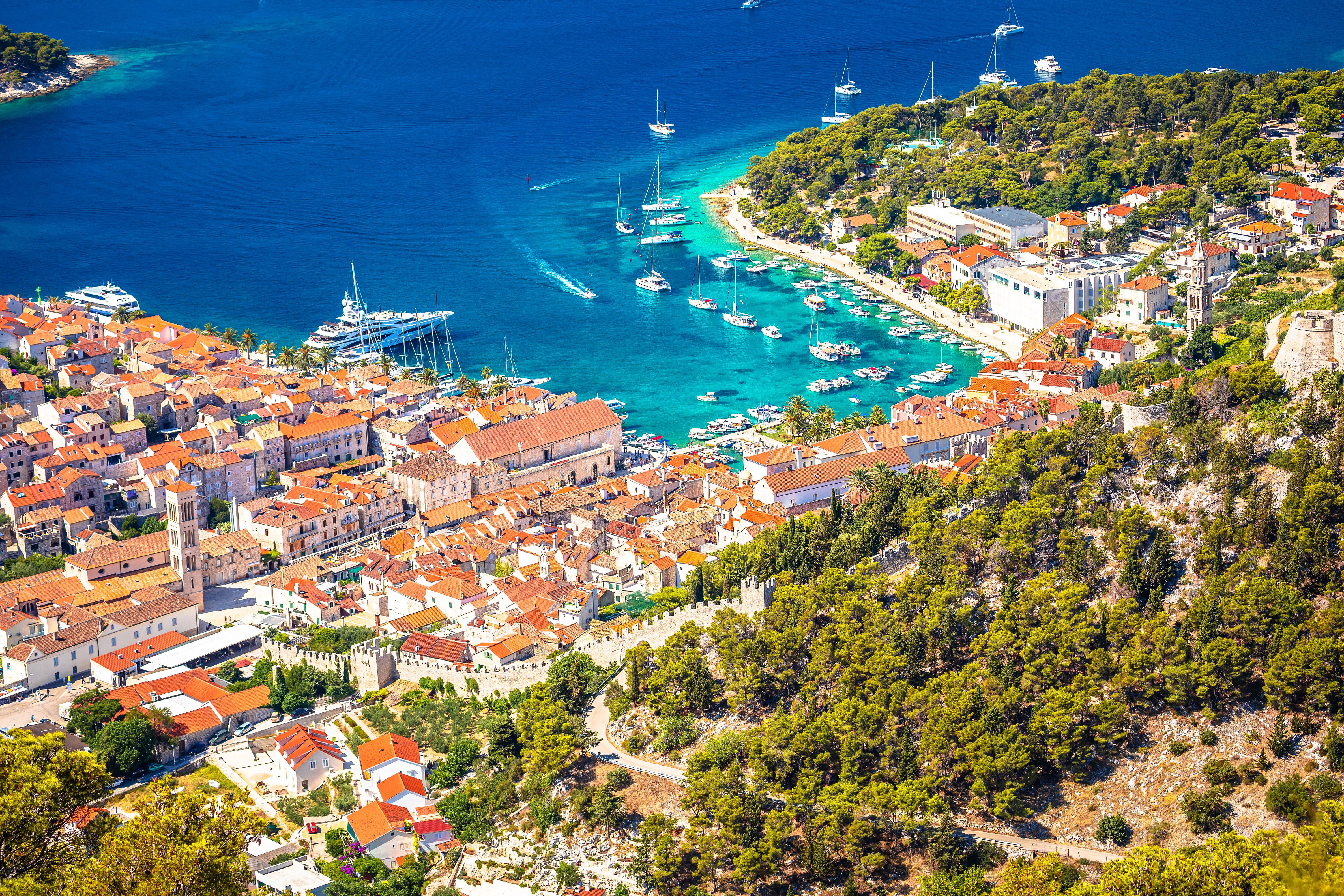
Croatia is one of Europe's top island-hopping destinations, with more than 1000 islands and islets spread along its Adriatic coastline. From medieval old towns to crystal-clear bays, there's something for every taste. Regular ferries connect many of the most popular islands, making it easy to combine multiple destinations in one trip.
| Island group | Why visit | Main ferry gateway | Popular islands | Suggested route |
| Dalmatian Islands | Charming medieval towns, crystal-clear waters, sailing, nightlife | Split, Dubrovnik, Zadar | Hvar, Brač, Korčula, Vis, Šolta, Mljet | Split → Brač → Hvar → Korčula → Dubrovnik |
For more information, take a look at our Croatia island-hopping guide and our expert guide to travelling around Croatia by ferry.
Italy is home to a range of island groups that are easy to explore by ferry. From the glamorous islands of the Bay of Naples to the volcanic landscapes of the Aeolian Islands, each archipelago has its own charm.
| Island group | Why visit | Main ferry gateway | Popular islands | Suggested route |
| Bay of Naples | Colourful cliffside villages, thermal spas, luxurious vibe | Naples | Capri, Ischia, Procida | Naples → Procida → Ischia → Capri |
| Aeolian Islands | Outdoor adventures, volcanic landscapes | Milazzo | Lipari, Vulcano, Salina, Stromboli, Panarea, Filicudi,Alicudi | Milazzo → Lipari → Vulcano → Salina → Stromboli |
| Egadi Islands | Crystal-clear waters, rugged landscapes, snorkelling and diving | Palermo, Trapani | Favignana, Levanzo, Marettimo | Trapani → Favignana → Levanzo → Marettimo |
For more inspiration, see our Italy destination page.
There are two main archipelagos for island hopping in Spain; the Balearics and the Canaries. Although many travellers visit just one island, hopping between a few is one of the best ways to experience everything the archipelagos have to offer.
| Island group | Why visit | Main ferry gateway | Popular islands | Suggested route |
| Balearic Islands | Beautiful sandy beaches, lively nightlife, charming towns and villages | Palma, Barcelona, Denia | Mallorca, Menorca, Ibiza, Formentera | Barcelona → Mallorca → Menorca Dénia → Ibiza → Formentera |
| Canary Islands | Sandy beaches, volcanic landscapes, hiking, year-round sunshine | Tenerife, Gran Canaria, Lanzarote, Fuerteventura | Tenerife, Gran Canaria, Lanzarote, Fuerteventura, La Gomera, La Palma, El Hierro | Tenerife → La Gomera → La Palma Lanzarote → Fuerteventura Tenerife → La Gomera → El Hierro Gran Canaria → Tenerife |
Check out our Spain destination page for more information and see our guide to island hopping in the Canary Islands.
The Scottish isles are perfect for travellers seeking a unique escape, with dramatic landscapes, incredible wildlife and rich Gaelic heritage. Ferry routes link many of the islands, allowing you to explore everything from sandy beaches and whisky distilleries to prehistoric sites and charming towns.
| Island group | Why visit | Main ferry gateway | Popular islands | Suggested route |
| Inner Hebrides | Road trips, wildlife, hiking, photography | Oban, Mallaig | Isle of Skye, Mull, Islay, Jura, Coll, Tiree | Oban → Mull → Iona → Staffa (day trip) → Skye → Mallaig |
| Outer Hebrides | spectacular beaches, dramatic landscapes and a strong Gaelic heritage | Ullapool | Lewis & Harris, North Uist, Benbecula, South Uist, Barra | Stornoway (Lewis) → Harris → North Uist → Benbecula → South Uist → Barra |
Take a look at our Scotland destination page for more information on travelling around the Scottish islands.
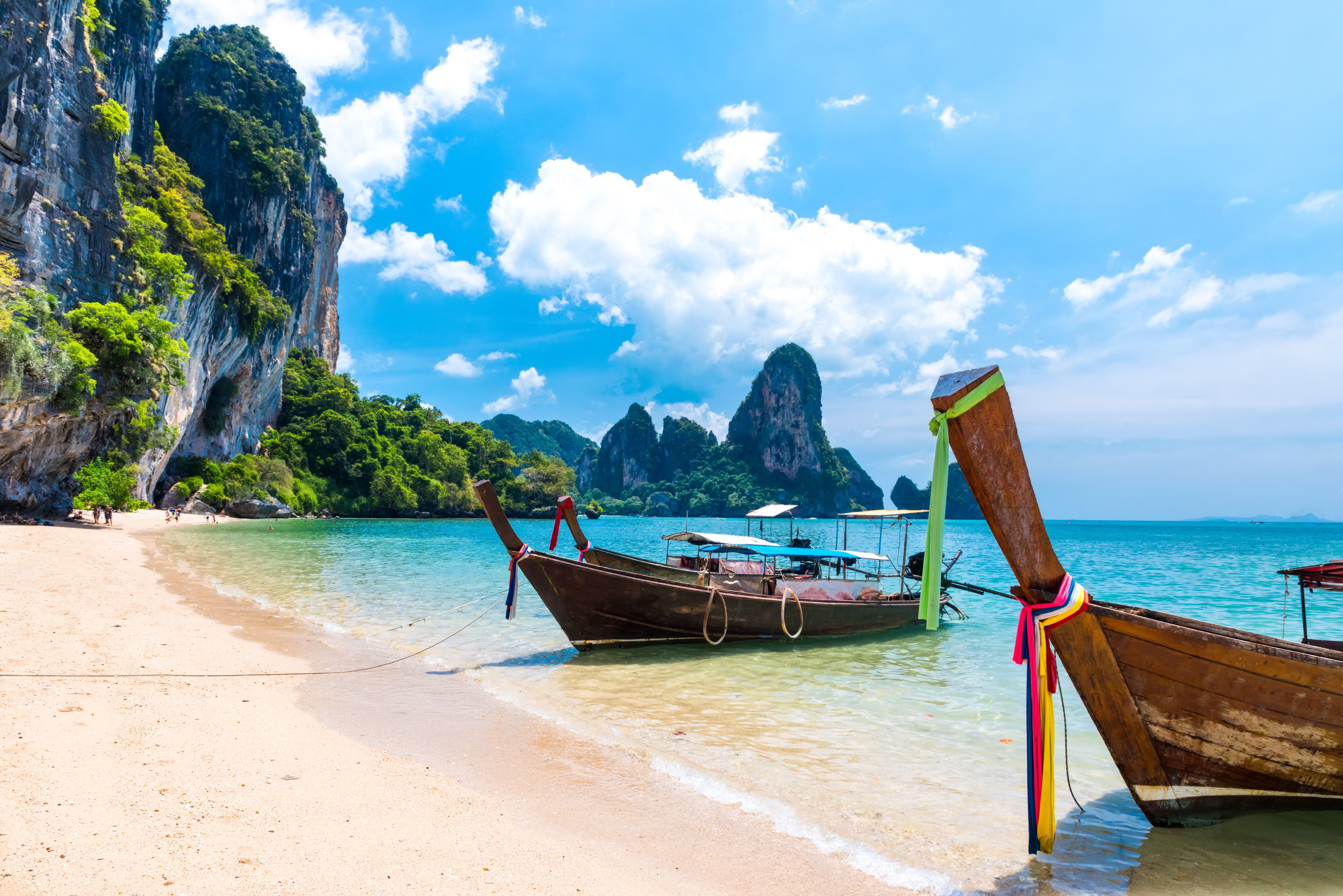
Thailand is one of the world's top island-hopping destinations, with hundreds of islands scattered across the Gulf of Thailand and the Andaman Sea. Thanks to excellent ferry connections and a wide variety of islands, it's easy to experience the country's diversity in one trip.
| Island group | Why visit | Main ferry gateway | Popular islands | Suggested route |
Gulf | Amazing diving, stunning beaches, vibrant nightlife | Surat Thani | Koh Samui, Koh Phangan, Koh Tao | Surat Thani → Koh Samui → Koh Phangan → Koh Tao |
Andaman | Dramatic scenery, beautiful beaches, snorkelling and diving | Phuket, Krabi | Phuket, Koh Phi Phi, Koh Lanta, Koh Lipe | Phuket → Phi Phi → Koh Lanta → Koh Lipe |
Read our blog post on island hopping in Thailand for more travel inspiration, and see our guide to Thailand's new entry requirements before you go.
Indonesia is home to more than 17,000 islands, making it one of Asia's top island-hopping destinations. Many travellers make the most of speedy ferry connections from both Bali and Flores.
| Island group | Why visit | Main ferry gateway | Popular islands | Suggested route |
| Lesser Sunda Islands | Beautiful beaches, volcanic landscapes, snorkelling and diving | Padang Bai (Bali), Sanur (Bali) | Nusa Penida, Nusa Lembongon, Gili Trawangan, Gili Air, Gili Meno | Bali → Nusa Lembongan → Nusa Penida → Gili Islands → Lombok |
| Komodo Islands | Komodo dragons, pink-sand beaches, world-class diving and dramatic island scenery | Flores | Komodo, Rinca, Padar, Kanawa | Flores → Komodo → Rinca → Padar |
For more information, check out our Indonesia destination page. You can also read our Bali and Gili Islands travel guides.
The Philippines is famous for its tropical islands with their paradise-like beaches and incredible marine life. With fast ferry connections linking many of the country's most popular islands, it's easy to enjoy an island-hopping adventure.
| Island group | Why visit | Main ferry gateway | Popular islands | Suggested route |
| Palawan Islands | Stunning beaches, crystal-clear waters, amazing snorkelling | El Nido | El Nido, Coron | El Nido → Coron |
| Central Visayas | White-sand beaches, world-class diving, beautiful landscapes | Cebu | Cebu, Bohol, Siquijor | Cebu → Bohol → Siquijor |
Our Philippines destination page has more information on popular routes.
The Galápagos Islands are one of the most extraordinary island-hopping destinations. Travelling between the main islands by ferry gives you the chance to witness amazing wildlife and explore the unique landscapes that the archipelago is known for.
| Island group | Why visit | Main ferry gateway | Popular islands | Suggested route |
| Galápagos Islands | Incredible wildlife, unspoiled landscapes | Puerto Ayora (Santa Cruz), Puerto Baquerizo Moreno (San Cristóbal) | Santa Cruz, Isabela, San Cristóbal | Santa Cruz → Isabela → San Cristóbal |
Of course, these are just some of the world's most popular island-hopping destinations - there are plenty of other destinations across the globe that are ideal for island-hopping trips, from Denmark's beautiful islands to the tropical archipelagos of the Caribbean.
Planning an island-hopping holiday doesn't have to be complicated. With a little preparation, you can enjoy a smooth and stress-free journey.
Start by deciding where you'd like to go and the type of experience you're looking for, whether that's exploring Italy's colourful villages or lounging on palm-backed bays in Thailand.
Once you've chosen your destination, decide which islands you'd like to include in your trip and how many you can realistically visit with the time you have.
Next, check the ferry connections between your chosen islands and plan your route. Consider things like sailing times and ferry timetables so you can work out how much time will be spent travelling.
Use the Direct Ferries Deal Finder to compare routes, operators, sailing times and prices. If your itinerary includes multiple crossings, check whether you’ll be travelling with one operator or several different ferry companies.
If you’re staying overnight on multiple islands, you'll need to arrange accommodation for each stop. Booking in advance is usually best, especially during busy travel periods where accommodation can sell out quickly.
Check your ferry operator's luggage allowance before you travel so you know what you can bring. A backpack can be more practical than a large suitcase when moving between islands. Make sure to bring a small bag for when you're on board and for sightseeing to keep your essentials and travel documents safe. Take a look at our packing tips for inspiration.
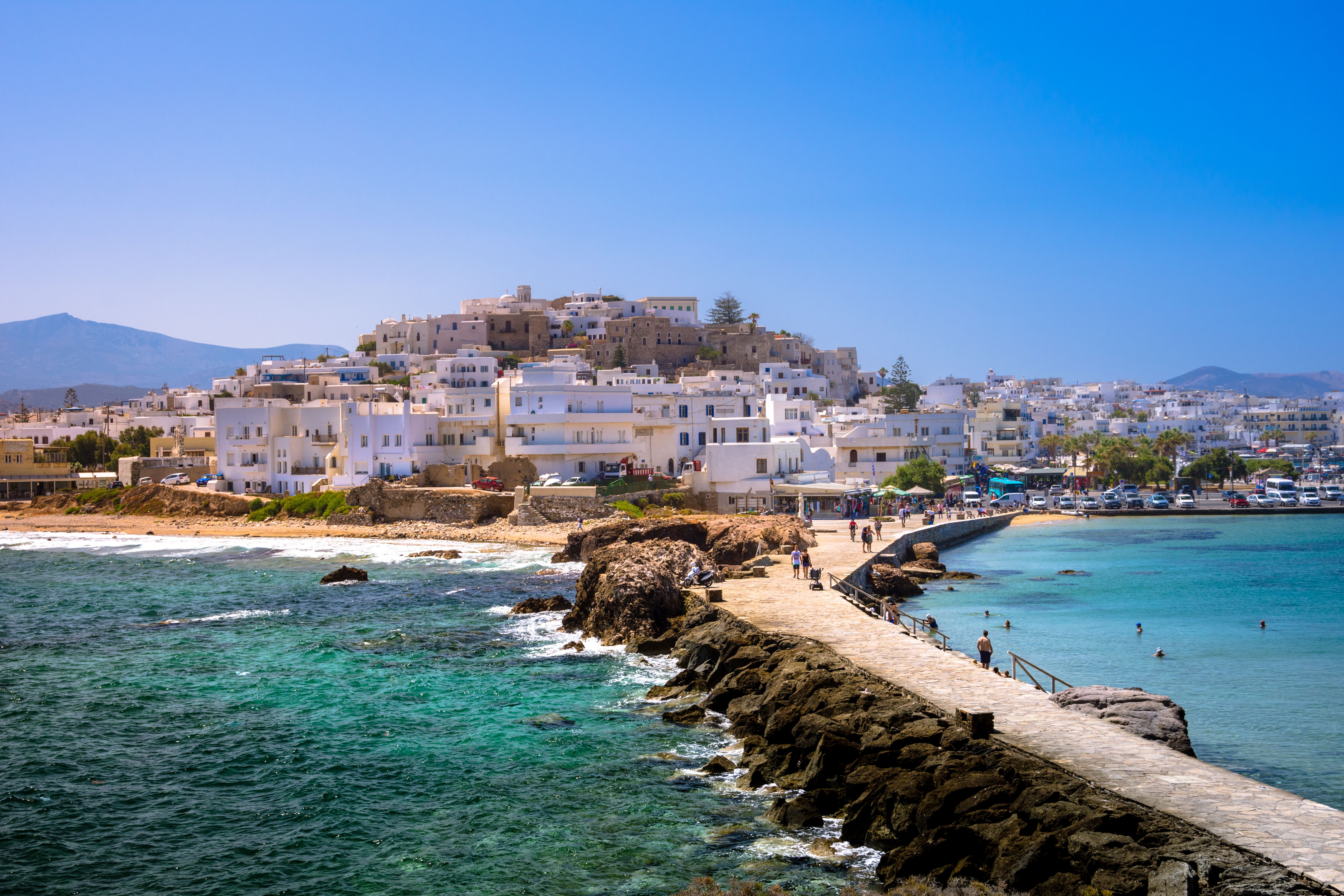
The best time to go island hopping depends on where you're travelling and the type of holiday you're looking for. While some destinations can be enjoyed year-round, others are best visited during the warmer months when ferry services are more frequent and the weather is ideal for exploring.
| Destination | Best time to go | Why |
| Greece | May-October | The best time for sunny weather, warm seas and the widest choice of ferry connections between the islands. |
| Croatia | May-October | Enjoy sunny weather, warm seas and calm conditions for exploring the Adriatic islands. Ferry services are also more frequent during the summer months, making it easier to hop between destinations. |
| Italy | April - October | Warm and dry days ideal for sightseeing, beaches and outdoor adventures. Ferry connections are also more frequent, giving you more choice when planning your route. |
| Balearic Islands | April - October | Longer sunny days and warm waters make this the perfect time for beach-hopping and exploring the islands. Regular ferry services also make it easy to combine multiple destinations in one trip. |
| Canary Islands | Year round | Mild climate throughout the year, making island hopping possible in every season. |
| Scotland | April - September | Longer daylight hours, milder weather and more frequent ferry services make spring and summer the best time to explore the islands. |
| Thailand | Coast dependent | The Gulf of Thailand and the Andaman Sea have different monsoon seasons. November–April is generally best for the Andaman coast, while May–October tends to offer better weather in the Gulf islands. |
| Indonesia | April-October | Dry season so little to no rainfall, calm seas and good conditions for diving and snorkelling |
| Philippines | November-May | Dry season makes it the best time to visit for outdoor adventures, calm seas and low rainfall |
| Galápagos Islands | Year round | December to May(warm, wet season) is great for lush landscapes, snorkelling with warm and calm seas, whereas June to November (cool, dry season) is best for diving with richer marine life |
Top tip: For most destinations, the shoulder seasons (May–June and September–October) are the best times to visit, with mild temperatures and fewer crowds.
Bear in mind that ferry schedules can also influence when to visit. Many routes operate more frequently during peak season, while some services are reduced or not running during the winter months so it's always best to check timetables in advance and plan accordingly.
Once you've decided on your route, it's time to think about booking your ferries.
Many island-hopping routes are served by multiple ferry operators with different departure times, ticket options and sailing durations. With Direct Ferries, you can compare routes and operators, making it easier to find the crossings that work best for your itinerary.
If you're booking multiple journeys, separate ferry bookings can make things complicated. Direct Ferries allows you to book multiple ferry journeys in one place, helping you keep track of your island-hopping itinerary and organise your trip more easily.
For more information, take a look at our Booking FAQs.
Here are some practical tips to help you get the most out of your island-hopping adventure:
Book early: We recommend booking your ferry tickets in advance, especially if you're travelling during peak season when popular routes can sell out. Booking ahead gives you a better choice of sailings and may also help you find better fares.
Choose one island group: Try to focus your trip around one island group rather than attempting to visit multiple archipelagos so you can spend less time travelling between islands and more time exploring.
Be flexible: Weather conditions can sometimes affect ferry schedules, so make sure you allow some buffer time. Flexible ticket options may also be available depending on your route and operator. Read our guide on ticket types for more information.
Choose between fast and slow ferries: Many routes offer a choice between high-speed and conventional ferries. Fast ferries are ideal if you're short on time, whilst slower ferries are often more budget-friendly.
Don't try to cram too much in: Try not to rush between islands. Instead, make sure you allow enough time to experience each destination properly even if it means not seeing every island in the archipelago.
Travel as a foot passenger: travelling by foot is often the simplest option. Not only is it more affordable but you'll also get to enjoy quicker boarding. Plus, some ferry routes don't even allow vehicles on board so it's always best to check in advance. If you do need a car, you can always hire one when you're there.
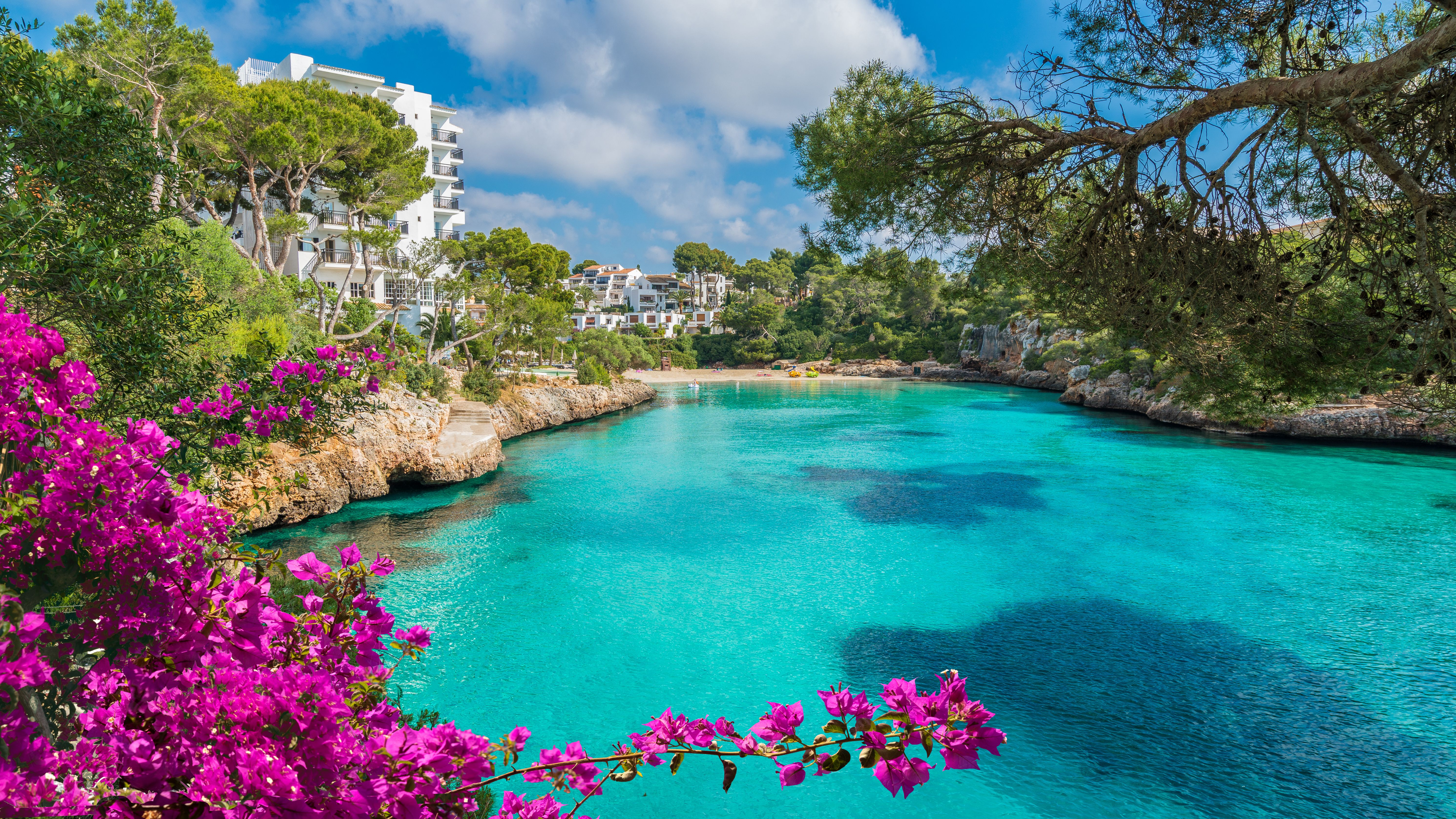
Island hopping is a way of travelling that involves visiting multiple islands during a single trip. It works best in destinations with archipelagos with islands that are well-connected by ferry and allows travellers to experience different landscapes, cultures and activities in one holiday.
The best island-hopping destination depends on the type of experience you're looking for. There are so many island-hopping adventures to be had in Europe, each offering a completely different experience. For example, the Greek islands are great if you're looking for whitewashed villages and sandy beaches, whilst Scotland's dramatic landscapes are ideal for nature lovers.
Yes, ferries are one of the best ways to explore multiple islands in one trip. They connect hundreds of islands around the world, with regular services making it easy to travel between destinations. Plus, travelling by ferry is all part of the island hopping experience too – sit back, relax and soak up the beautiful views!
Planning an island-hopping trip starts with choosing the right destination and islands for your travel style. Once you've picked your route, check ferry schedules, then book your ferry tickets and accommodation. Planning ahead is especially important during peak travel periods.
The best time to go island hopping depends on your chosen destination and the weather conditions there. European island groups such as Greece, Croatia and Italy are most popular during the summer months, when ferry services are usually more frequent. In tropical destinations like Thailand, it's important to consider the different dry seasons to avoid travelling during periods of heavy rainfall.
You don't always need to book ferry tickets in advance, but it's often best to do so, especially during peak season when popular routes can sell out. Booking ahead gives you more choice of departure times and helps you secure your preferred sailing, especially if your itinerary includes multiple ferry crossings.
More routes than anyone else.

Compare fares, times & routes in one place.
Change plans easily with flexi tickets.

Book e-tickets & manage trips in-app.
Live ship tracking & real-time updates.

Top-rated customer support when you need it.