Things to do Brittany
Things to do Brittany
Brittany is the great Celtic peninsula of northwestern France, jutting 200km into the Atlantic Ocean with nearly 3,000km of coastline along its deeply indented edges.
The region divides naturally into northern Brittany — the walled city of Saint-Malo, the medieval town of Dinan, the Pink Granite Coast, the wild Finistère peninsula — and southern Brittany, where the Gulf of Morbihan, the Carnac standing stones, the island of Belle-Île, and the fishing ports of Concarneau and Quimper define a landscape and culture of equal richness.
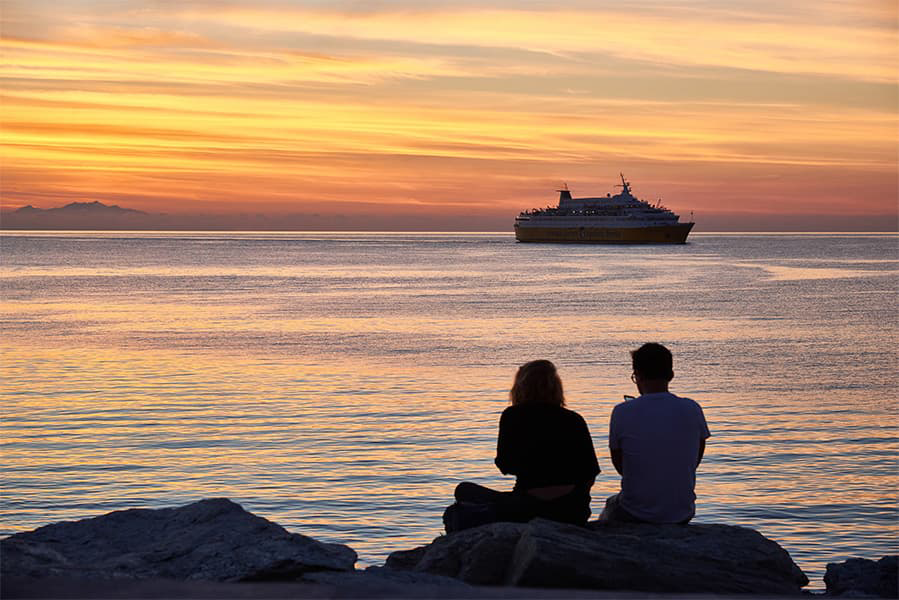
For UK visitors, Brittany is among the most accessible destinations in France, with two direct ferry routes: Saint-Malo in the east and Roscoff in the far west, placing you at the heart of the region on arrival.
For visitors arriving from the UK, Brittany has two direct ferry connections, both operated by Brittany Ferries. The Portsmouth to Saint-Malo ferry is the eastern gateway to the region, arriving in the heart of the walled city after an overnight crossing of approximately 8 to 9 hours, with access to Dinan, the Emerald Coast, and the Gulf of Morbihan to the south.
The Plymouth to Roscoff ferry is the western route, with crossings of around 6 hours and arrival in the far west of Brittany. This is the best option for exploring Finistère, the Crozon Peninsula, and the southern Atlantic coast. Both ports are well-connected by road and rail to the rest of the region.
A car is strongly recommended for exploring Brittany beyond the main towns, as the region's most spectacular coastline and countryside is distributed widely across its 34,000 square kilometres.
The combination of ferry and car gives maximum freedom for a Breton road trip. From Saint-Malo, arriving via the Portsmouth to Saint-Malo ferry, Dinan is 30km south, the Pink Granite Coast is 100km west, and Rennes is 70km south-east.
From Roscoff, arriving via the Plymouth to Roscoff ferry, the Crozon Peninsula is 75km south, Brest is 60km south-west, and the Gulf of Morbihan is around 2 hours' drive south-east. For a touring holiday covering the full region, arriving at Saint-Malo and departing from Roscoff (or vice versa) gives an ideal circuit, driving from the granite coast in the north-east to the wild Atlantic headlands of the west and down to the southern coast along the way.
Brittany is well-connected by TGV from Paris Montparnasse. You can reach Rennes in 1 hour and 30 minutes, Brest in 3 hours and 30 minutes, and Quimper in 3 hours and 45 minutes. Rennes connects to Saint-Malo by regional train in 1 hour, and to Dinan and other northern Breton towns by bus.
For foot passengers arriving on the Portsmouth to Saint-Malo ferry, the Saint-Malo SNCF station is 15 minutes' walk from the ferry terminal, with connections to Rennes and the national network. The train is a great option for those wanting to visit the well-connected main cities of Rennes, Brest, Quimper and Vannes, but less so for the coastal paths, the islands, and the rural interior, which are best reached by car.
FlixBus operates services from Paris to Rennes with advance fares from around €10, with connections to other Breton towns. Within Brittany, the regional bus networks (BreizhGo) connect the main towns and some coastal resorts, though rural services can be infrequent and the timetables do not always align well with ferry arrivals.
For foot passengers, the ferry ports at both Saint-Malo and Roscoff have bus and taxi connections to town centres and the nearest SNCF stations.
Brittany is a vast region, with many of its greatest landmarks only accessible by car or on foot. The main cities are compact and walkable, while the coast is endlessly navigable by following the GR34 long-distance path, but for anything other than a city-based visit, a car is the most practical mode of transport.
The road network in Brittany is excellent, combining fast dual carriageways between the main cities with small departmental roads that thread between headlands and through the bocage interior. Most of the region's toll-free roads are uncongested outside August, when the French school holidays fill the coastal resorts
Driving from Saint-Malo south to Vannes and then west through Lorient to the Crozon Peninsula and north to Brest, before returning east along the Pink Granite Coast to Saint-Malo, is a circular route of around 500km covering the greatest concentration of Breton highlights. This circuit is entirely manageable in a week with plenty of time to stop along the way.
The GR34 coastal path traces the entire coastline of Brittany from Mont Saint-Michel to Saint-Nazaire, covering approximately 2,000km of headlands, beaches, tidal inlets, and fishing harbour walls. It is one of the finest long-distance walking routes in France and is accessible in sections of any length from dozens of starting points around the coast.
The most spectacular sections include the Pink Granite Coast between Perros-Guirec and Ploumanac'h (4km), the Crozon Peninsula circuit (around 150km in total), and the Quiberon Peninsula's wild Atlantic Côte Sauvage. Cycling in Brittany is an equally popular option. The Vélodyssée route follows the Atlantic coast from Saint-Malo to the Spanish border, with Brittany providing the northern section through some of its finest coastline.
The water is central to Breton life in a way that makes boat travel genuinely useful rather than merely scenic. The Gulf of Morbihan, the inland sea enclosed by the Rhuys Peninsula south of Vannes, is best explored by boat, with regular passenger services connecting Vannes, Auray, and the islands of the gulf throughout the summer. The Île de Bréhat off the Pink Granite Coast, the Île d'Ouessant, and the Île de Groix off Lorient are all accessible by regular ferry from the nearest mainland port. Belle-Île, Brittany's largest island at 17km long, is reached by ferry from Quiberon in 45 minutes.
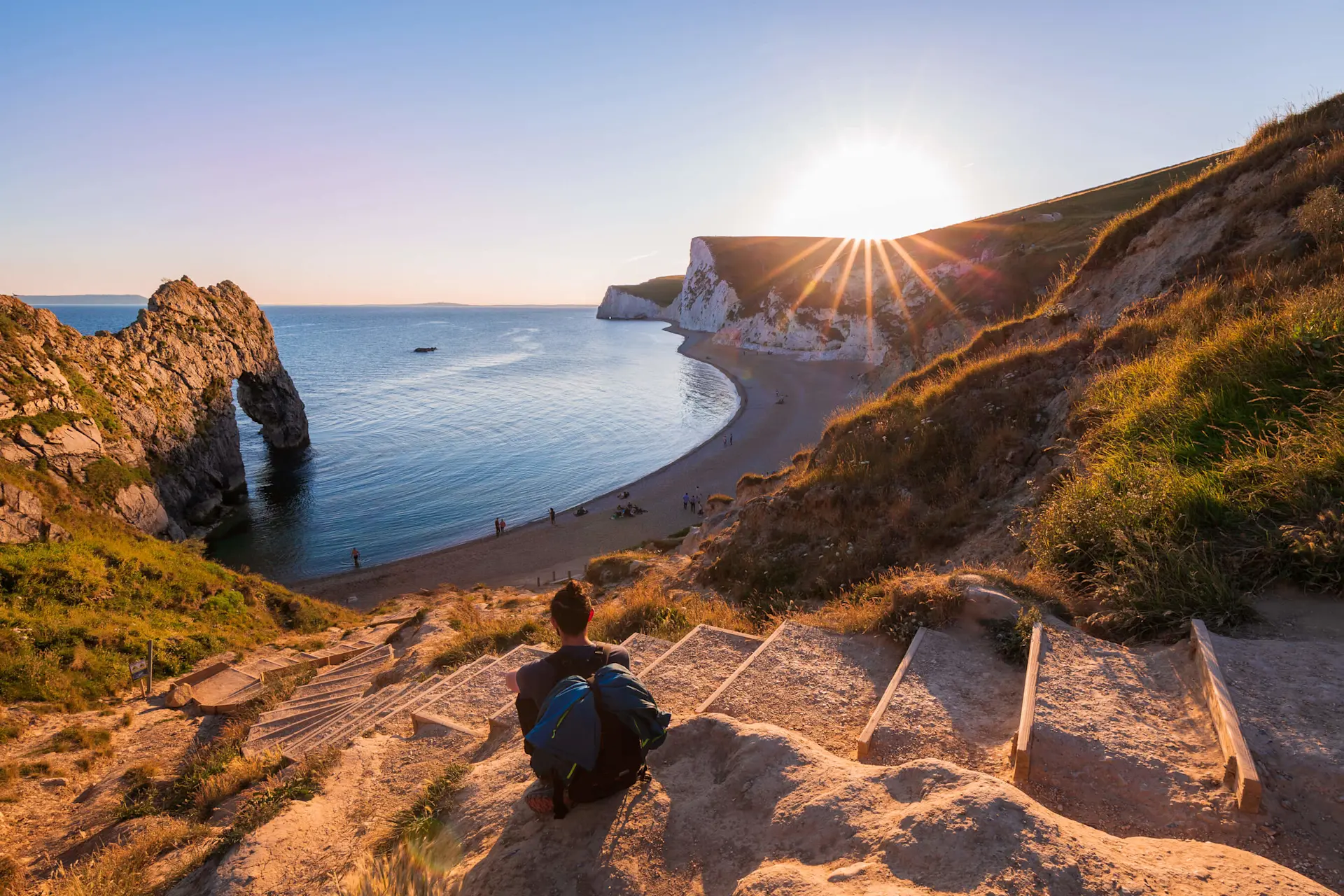
Brittany's Atlantic climate is mild and frequently windy, with the threat of rainfall in any month. However, the region receives considerably more sunshine than its reputation suggests, particularly along the southern coast.
The tourist season peaks in July and August, when the French school holidays fill the coastal resorts, whereas spring and autumn offer the best combination of good weather, manageable crowds, and an authentic regional atmosphere.
Temperatures range from 9–17°C through spring, and the Breton countryside is at its most lush and flower-filled in May and June, when the gorse and heather along the clifftops are in simultaneous bloom. The Étonnants Voyageurs literary festival in Saint-Malo gets underway in late May, drawing writers and readers from across France. Oyster and scallop season continues through April, and the crêperies and seafood restaurants are operating without the summer queues. The GR34 coastal paths are at their most walkable: firm underfoot, uncrowded, and spectacularly lit by the clear Atlantic spring light.
Perfect for: the GR34 coastal walks, Carnac and the megalithic sites without crowds, oyster season at Cancale near Saint-Malo, and the best accommodation rates before high season.
Temperatures reach 21–25°C on the warmest days of July and August, and the Atlantic beaches fill with French holidaymakers. The Festival Interceltique de Lorient in August is the largest Celtic cultural festival in the world, with ten days of music, dance, and cultural exchange drawing around 750,000 visitors from Ireland, Scotland, Wales, Cornwall, Galicia, and Asturias, as well as Brittany.
The Route du Rock music festival at Saint-Malo also gets underway in August, along with the Cornouaille Festival at Quimper in July, and the Fête des Remparts at Dinan. We therefore recommend booking accommodation months in advance for any coastal stay in July or August.
Perfect for: the Festival Interceltique de Lorient (August), Belle-Île and the Gulf of Morbihan islands, beach days on the Finistère coast, and the full summer programme of Breton festivals.
September and October are the most rewarding months for a road trip, as the summer visitors have largely departed, the Festival Interceltique has energised the region, and the oyster season resumes in full force from October. October temperatures drop to 11–16°C, so a waterproof layer and a midweight jumper are advisable, especially if you plan on doing any cliff walking.
Perfect for: the return of oyster and scallop season, the Pink Granite Coast in autumn light, the quietest and most atmospheric visit to the Carnac alignments, and the best value for accommodation along the coast.
Winter temperatures range from 4–9°C, and Atlantic storms drive spectacular surf against the western headlands. The main museums and indoor attractions are open and largely crowd-free, though some smaller coastal restaurants and chambres d'hôtes close from November to March. The Christmas markets at Rennes and Quimper are among the best in western France. Staying in a stone farmhouse gîte in the Finistère interior in December, eating oysters and drinking local cider, is as authentically Breton an experience as any available in July.
Perfect for: storm watching on the Finistère headlands, the Rennes and Quimper Christmas markets, indoor museums without queues, and the most genuinely local encounter with Breton life.
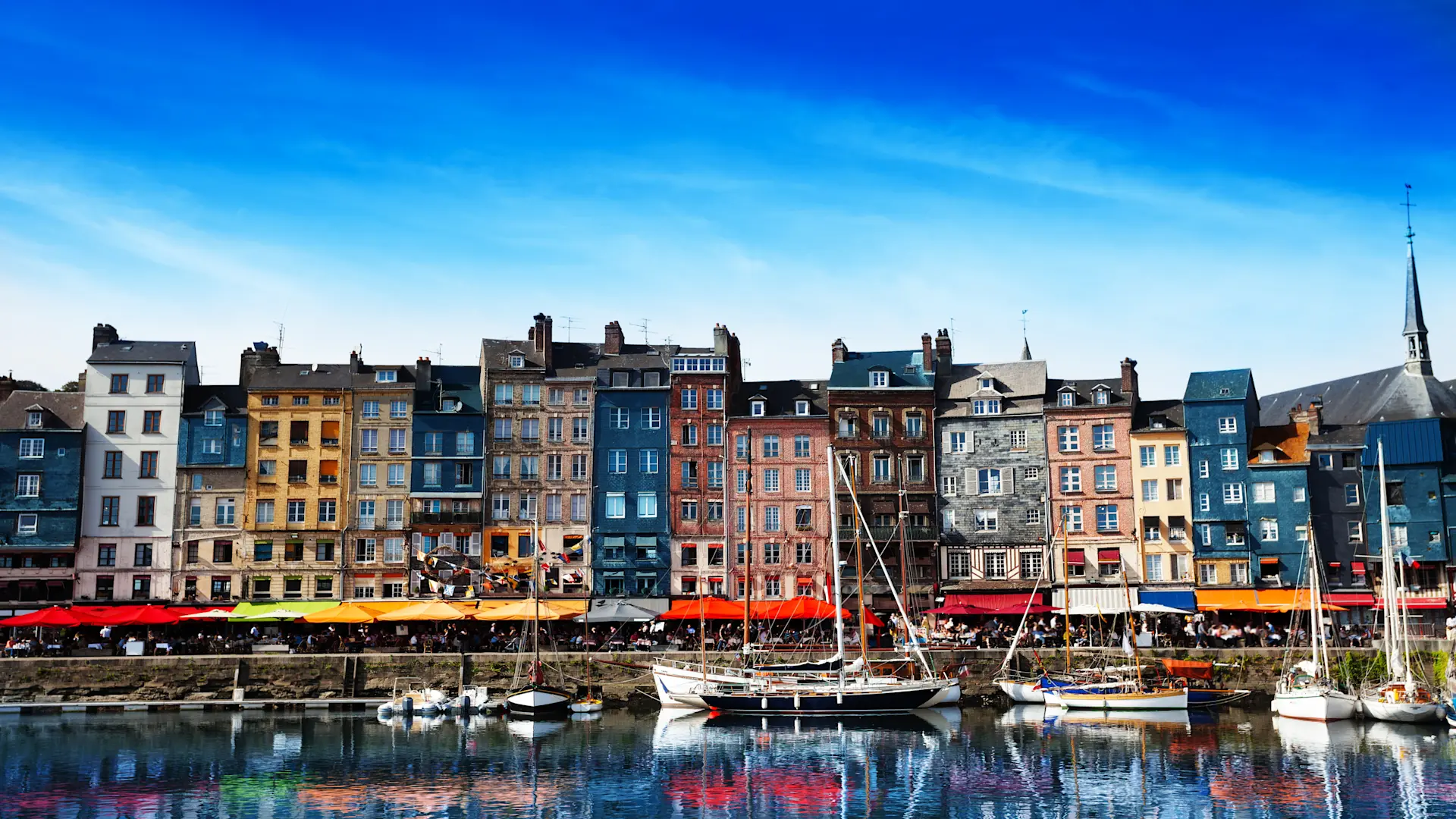
Brittany repays visitors who take time to move slowly through its landscapes. The region's greatest pleasures are usually the unhurried ones.
The standing stone alignments at Carnac in the southern Morbihan department are the largest megalithic complex in the world, with around 3,000 menhirs arranged in parallel lines stretching for over 4km across the open heathland north of the town, erected in multiple phases between approximately 4500 BCE and 2000 BCE.
From October to March, the alignments are freely accessible on foot. However, from April to September, access is on guided tours only, a measure introduced to protect the eroding ground around the stones. The Carnac alignments received UNESCO World Heritage status in 2023 along with the wider Gulf of Morbihan megalithic landscape.
The Gulf of Morbihan is an almost entirely enclosed inland sea of around 120 square kilometres, connected to the Atlantic by a 1km-wide channel near Locmariaquer. The gulf contains 42 islands at high tide and is one of the most sheltered and scenic sailing waters in France.
The medieval walled city of Vannes at the northern head of the gulf is the most complete urban base in southern Brittany, with a 13th-century cathedral, half-timbered houses inside the ramparts, and a busy covered market open every day. Boat tours of the gulf depart from Vannes, Auray, and Port Navalo, visiting the Île aux Moines and the Gavrinis cairn.
The Côte de Granit Rose between Perros-Guirec and Trébeurden on the north coast of the Côtes-d'Armor is one of the most visually extraordinary stretches of coastline in France: the granite here is a deep rose-pink colour, unique to this corner of Brittany, and has been eroded by millennia of Atlantic weather into rounded boulders.
The 4km section of the GR34 coastal path between Perros-Guirec and the village of Ploumanac'h, which was voted the most beautiful village in France in 2015, is the finest stretch of pink granite scenery and one of the best short coastal walks anywhere in the region. The Sept-Îles archipelago offshore, reached by boat from Perros-Guirec, is one of the most important seabird sanctuaries in France, with puffin, gannet, and storm petrel colonies and a resident population of grey seals.
Finistère, otherwise known as Finis Terrae or "Land's End", is the westernmost department of France and the wildest part of Brittany. The Crozon Peninsula juts south-west from the Brest roadstead into the Atlantic, forming a cross-shaped mass of headlands with cliffs on three sides. The Pointe de Pen-Hir, a blade of rock dropping vertically into the Atlantic at the western tip, is the most dramatic viewpoint in Brittany.
Camaret-sur-Mer, the fishing village at the end of the peninsula, has a 17th-century Vauban watchtower on the harbour wall and a boat graveyard visible at low tide. The westernmost point of mainland Brittany, called Pointe du Raz, is a UNESCO Grand Site de France, with a coastal walk above the Iroise Sea where the tide runs at up to 8 knots through the Raz de Sein passage.
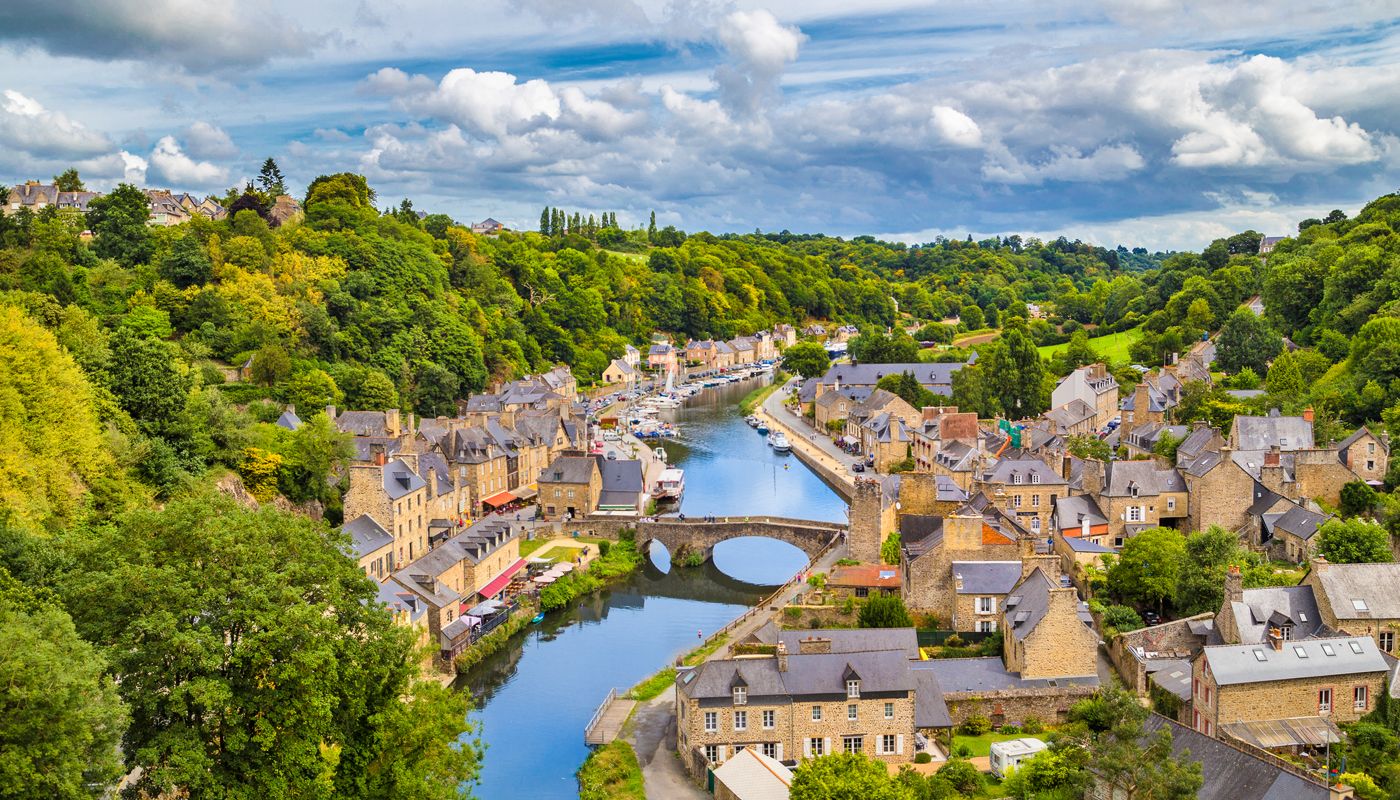
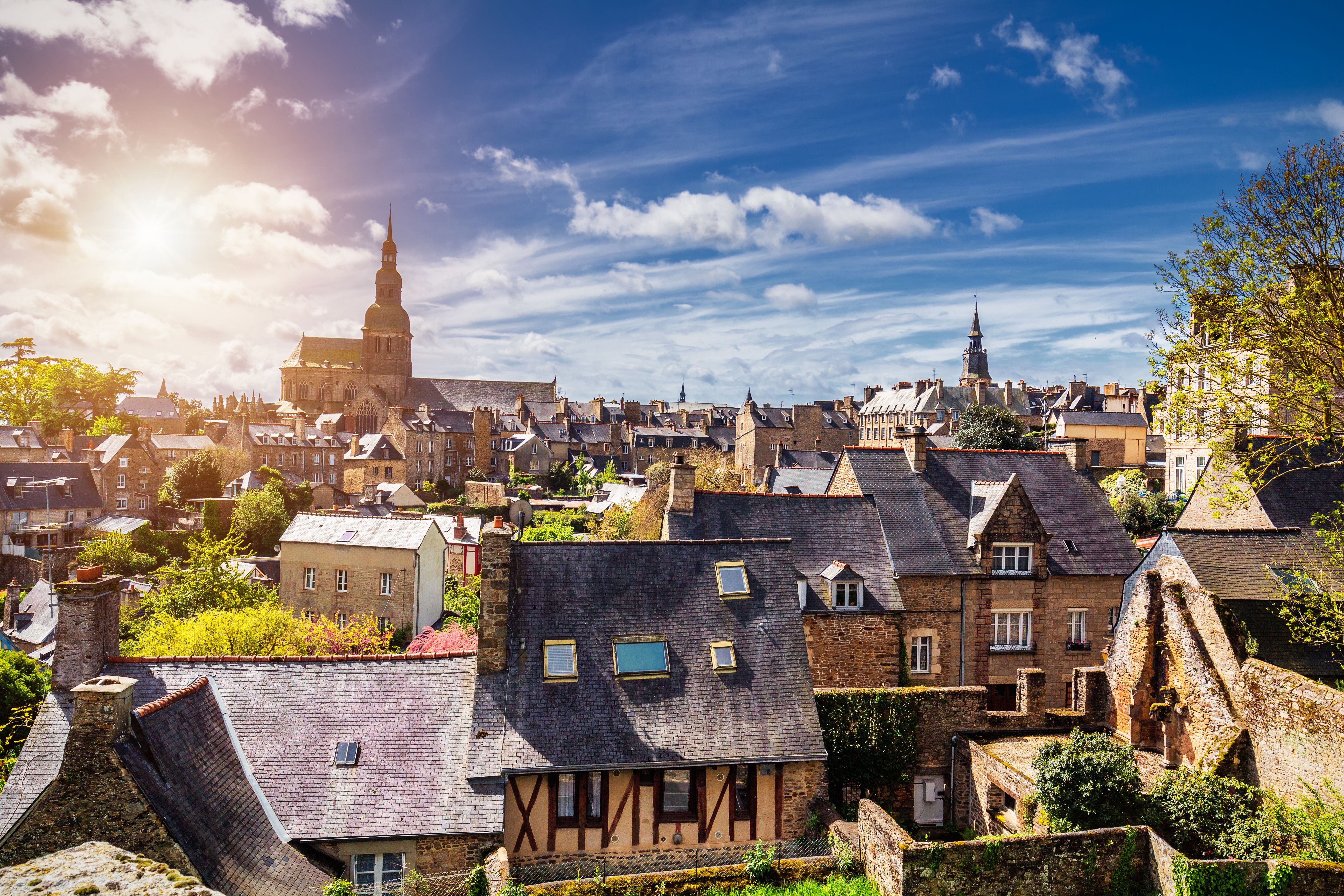
Dinan is one of the best-preserved medieval towns in France; a 14th-century rampart circuit of 2.5km encloses a dense grid of cobbled streets, artisan workshops, and the 12th-century Basilique Saint-Sauveur, where the heart of Bertrand du Guesclin is entombed.
Below the town walls, a steep cobbled lane descends to the port on the Rance, a 14th-century merchant harbour on the tidal river, lined with stone warehouses now converted into restaurants and crêperies. The combination of the medieval town above and the working port below, connected by one of the most atmospheric cobbled streets in Brittany, makes Dinan one of the most complete historic experiences in the region.
The GR34 coastal path is the defining outdoor experience of Brittany, a 2,000km walking route that follows the entire coastline from Mont Saint-Michel to Saint-Nazaire, entirely waymarked in red and white, and accessible in sections of any length from dozens of coastal towns and villages. The most walked sections are the Pink Granite Coast, the Crozon Peninsula, the Quiberon Peninsula's Côte Sauvage, and the Emerald Coast between Saint-Malo and Cancale.
Surfing in Brittany has grown significantly in recent years. La Torche beach on the southern tip of Finistère is one of the most consistent surf breaks in France, and the beaches around Crozon offer equally good conditions with fewer crowds. The Gulf of Morbihan is the finest sailing water in the region. You can hire boats from several operators in Vannes, La Trinité-sur-Mer, and Auray.
The parish closes of the Élorn valley in northern Finistère are one of the most remarkable and overlooked cultural riches in France: a series of 16th and 17th-century village church complexes in which local parishes competed in the extravagance of their carved stone calvaries, triumphal arches, and ossuary chapels.
The closes at Saint-Thégonnec, Guimiliau, and Pleyben are the most elaborate; the Guimiliau calvary contains over 200 carved figures in a continuous narrative of the Passion of Christ, among the most significant pieces of late Gothic sculpture in France. Brest's Océanopolis — a large and well-designed marine and polar ecology aquarium — is the best family museum in the region.
The Musée des Beaux-Arts in Rennes holds one of the finest regional art collections in France. The Cairn de Barnenez near Morlaix in northern Finistère — a Neolithic passage grave of 11 burial chambers built around 4500 BCE — is one of the oldest surviving stone structures in the world, 1,000 years older than the Egyptian pyramids, and almost entirely unknown to visitors outside the region.
Belle-Île (45 minutes by ferry from Quiberon): Brittany's largest island at 17km long, with a dramatic Atlantic Côte Sauvage on the western side, sheltered sandy beaches on the east, and the fortified port of Le Palais at its head. Monet painted here in 1886, and the island has retained an artistic tradition since. The island is best visited in June or September when crowds have thinned, but the restaurants remain open.
The Île de Bréhat (10 minutes by ferry from Pointe de l'Arcouest): A tiny car-free island off the Pink Granite Coast, covered in hydrangeas and mimosa, with a population of around 400 permanent residents and a climate warm enough for palm trees. The walk around the full perimeter takes around 3 hours. Ferries depart from Pointe de l'Arcouest, located 6km north of Paimpol.
Rennes: Brittany's capital is a university city with a substantial medieval centre that includes the spectacular Place Saint-Anne and the Parlement de Bretagne palace. The Saturday market at Place des Lices is one of the best food markets in western France. The Trans Musicales festival, hosted in early December, is one of the most influential music discovery festivals in Europe, and Rennes is an excellent rainy-day base for the whole region.
Brittany is an outstanding family destination. Océanopolis in Brest is the best family museum in the region and fills a full day in any weather, with lots to explore, including a penguin enclosure. Alternatively, the beaches of southern Brittany, such as Carnac, La Baule and Perros-Guirec, are wide and sandy with excellent summer facilities.
The village of Huelgoat in the Armorican Regional Nature Park contains the famous Chaos de Huelgoat, enormous granite boulders tumbled in a forested valley, including the 100-tonne Roche Tremblante that can be rocked by hand pressure at the correct point — and is one of the most naturally dramatic and accessible family walks in the region.
The GR34 coastal path is entirely free and provides access to the finest coastal scenery in the region. The Carnac alignments are free to visit from October to March. The parish closes, the Commonwealth cemeteries near the D-Day sites, and the Breton calvaries are also all free to visit.
The Saturday market at Rennes and the morning fish markets at Concarneau and Douarnenez are free to browse. For food, a galette complète costs around €8 to €11 at a crêperie and is the defining budget meal of Brittany, while oysters at the harbour market are around €6 a dozen. Please remember that visiting in April, May, September, or October rather than July and August reduces coastal accommodation prices significantly.
The village of Locronan, located 15km north of Quimper, is one of the most perfectly preserved Renaissance villages in France, a central square surrounded by 17th-century granite houses built for wealthy linen merchants, with the church of Saint-Ronan filling one entire side. The Presqu'île de Crozon is far less visited than its coastal quality warrants — the walk from Morgat south to the Cap de la Chèvre takes around 4 hours along clifftops of extraordinary drama.
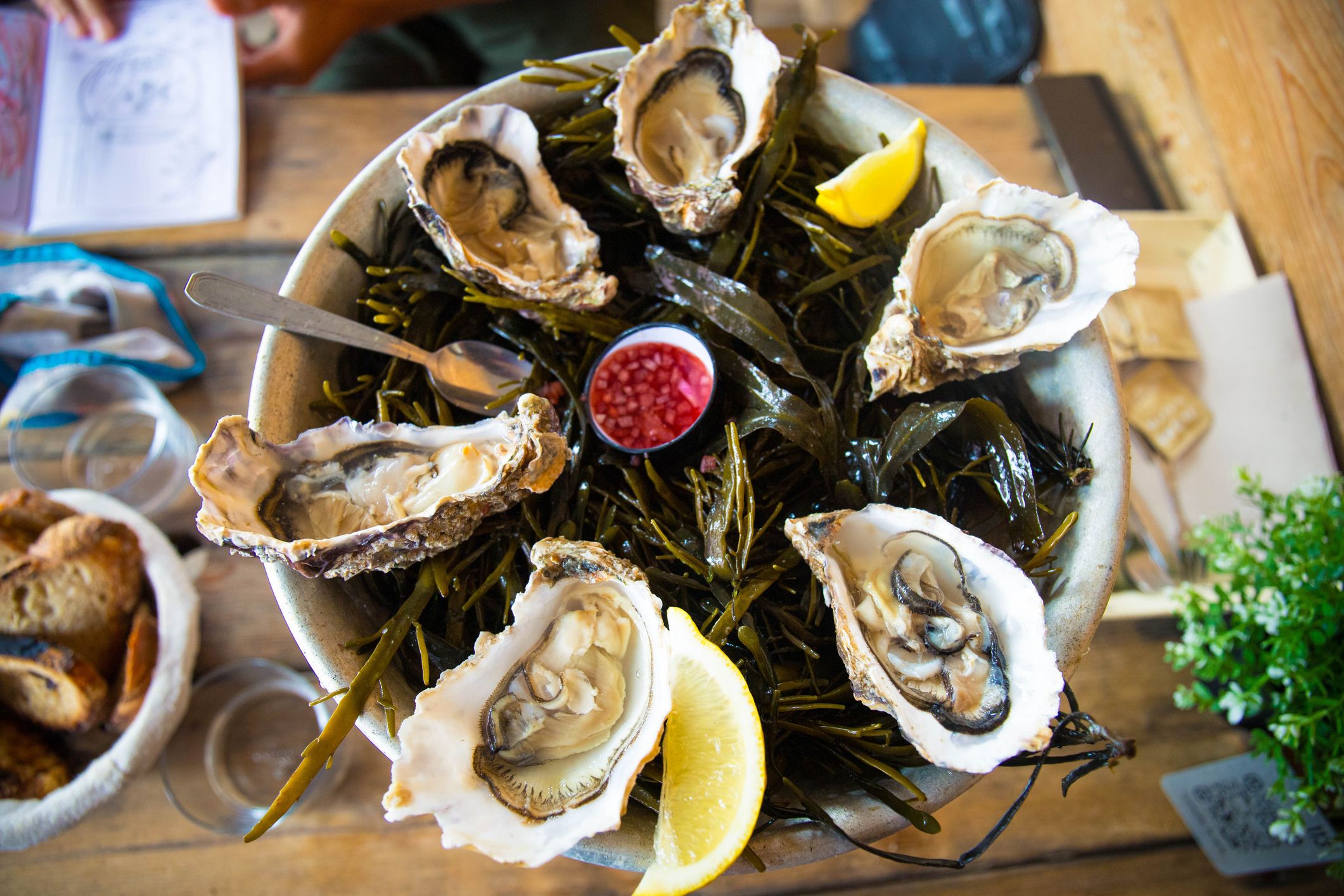
Breton food culture is one of the most distinctive regional traditions in France, built on three elemental foundations: buckwheat, butter, and the sea. The galette de sarrasin, a crêpe made from buckwheat flour and cooked on a cast-iron, is the essential Breton meal: filled with ham, egg, cheese, mushrooms, scallops, or smoked salmon. These are cheap, satisfying, and available in crêperies from Saint-Malo to Quimper.
The seafood of Brittany is the finest in France. Cancale oysters from the bay east of Saint-Malo are available at the harbour market between September and April at around €6 per dozen. Breton lobster from Finistère waters is a prestige item on menus throughout the region. Scallops from the bay of Saint-Brieuc are in season between October and April. Mussels from the Mont Saint-Michel bay farms are sold at every market in eastern Brittany.
Brittany offers accommodation for any travel budget, with particular strength in authentic small-scale options that suit the character of the region. The main cities of Rennes, Brest, Quimper, Vannes and Saint-Malo provide the widest range of hotels at competitive prices. For coastal stays, the northern resorts of Perros-Guirec, Dinard and Paimpol, along with the southern Atlantic coast, have extensive hotel and holiday rental provision, though July and August accommodation books out well in advance.
The most authentic Breton accommodation experience is the network of chambres d'hôtes and gîtes in the rural interior and smaller coastal villages. Staying in a converted stone longère in the Finistère bocage, on a working farm near Carnac, or in a gîte in a Morbihan riverside village gives a quality of encounter with everyday Breton life that no hotel can match.
You can book accommodation via our accommodation page or directly with properties for the best rates.
Brittany is best explored by car on a circular route, using one of the two ferry crossings as both arrival and departure point. Alternatively, lots of travellers choose to arrive at one and depart from the other for an extensive tour across the full width of the region. The region requires roughly two weeks for those wanting to cover both the northern coast and the southern Atlantic in depth.
Duration: 2 – 3 days
Arrive on the overnight Portsmouth to Saint-Malo ferry and walk directly into Intra-Muros. Begin with the rampart walk, which takes around 45 minutes and is entirely free, before checking the tide times for Fort National. Enjoy lunch at a crêperie on Rue Jacques Cartier, then drive 30km south to Dinan, walk the medieval ramparts, and descend the Rue du Jerzual to the port for dinner at a harbourside restaurant.
Take a drive 15km east to Cancale for freshly opened oysters at the harbour market (arrive by 10 AM for the best selection). Drive 70km west along the Emerald Coast to Cap Fréhel for the clifftop walk above the rose sandstone headland. Then return east along the Pink Granite Coast, stopping at Perros-Guirec for the 4km GR34 walk to Ploumanac'h and back through the rose granite boulders. Stay overnight on the Pink Granite Coast.
Take a morning boat crossing to the car-free island of Île de Bréhat from Pointe de l'Arcouest, which takes around 10 minutes. Return to Saint-Malo for the evening St Malo to Portsmouth ferry.
Why we love it: The overnight Portsmouth to St Malo ferry takes you to the walls of Saint-Malo with a full day ahead, and the northern Breton coast within easy driving range offers an extraordinary variety within a compact area. This itinerary works equally well in any season from spring through autumn.
Duration: 7 days
Arrive on the overnight Portsmouth to Saint-Malo ferry. Spend the morning in Saint-Malo and walk around the ramparts and Fort National (tide permitting). Afternoon in Dinan: ramparts, the Basilique Saint-Sauveur, and dinner in the port. Overnight in Dinan.
Spend the morning at Cancale for oysters. Drive west along the Emerald Coast to Cap Fréhel. Spend the afternoon on the Pink Granite Coast for the GR34 walk between Perros-Guirec and Ploumanac'h. Stay overnight on the Pink Granite Coast.
Take a morning boat to Île de Bréhat. Afternoon drive south-west to Brest. Visit the Château de Brest and the Océanopolis aquarium if travelling with children. Stay overnight in Brest.
Spend a full day on the Crozon Peninsula. Visit Pointe de Pen-Hir at dawn, the walk to the Pointe de la Chèvre, and lunch in Camaret-sur-Mer. Stay overnight in Crozon or Morgat.
Drive south through Quimper and spend the morning in the medieval centre, visiting the cathedral and Saturday market. In the afternoon, drive to Carnac and visit the Kermario and Ménec alignments in the late afternoon light. Stay overnight near Carnac.
Take a morning boat tour of the Gulf of Morbihan from Vannes, including the islands of the gulf and the Gavrinis cairn. Spend the afternoon in Vannes' medieval walled centre, before staying overnight in Vannes.
Drive north-east back to Saint-Malo for the evening St Malo to Portsmouth ferry, or continue west to Roscoff for the Roscoff to Plymouth ferry if arriving via Plymouth.
Why we love it: This week-long circuit takes in the full range of Brittany in a logical route that avoids backtracking. Arriving on the ferry from St Malo and departing from Roscoff (or vice versa) is the most elegant way to structure the tour, using the full width of the region as your canvas.
Yes, Brittany has two direct ferry connections from the UK, both operated by Brittany Ferries. The Portsmouth to Saint-Malo ferry runs all year round with an overnight crossing of approximately 8 to 9 hours, arriving in the heart of the walled city within a short walk of the historic centre.
The Plymouth to Roscoff ferry runs year-round with crossings of around 6 hours, placing you in the far west of Brittany and ideal for exploring Finistère and the Atlantic coast. Both ferries transport vehicles and provide onboard cabins, restaurants, and bar facilities.
A car is strongly recommended for getting the most out of Brittany. The main cities of Rennes, Brest, Quimper, Vannes and Saint-Malo are all accessible by TGV from Paris and connected by regional train, but the Pink Granite Coast, the Crozon Peninsula, the Carnac alignments, the Gulf of Morbihan islands, the parish closes of Finistère, and the rural interior are all best explored by car.
More routes than anyone else.

Compare fares, times & routes in one place.
Change plans easily with flexi tickets.

Book e-tickets & manage trips in-app.
Live ship tracking & real-time updates.

Top-rated customer support when you need it.